



Gửi bình luận
Hai Phong’s tourism sector is growing rapidly, creating a need to upgrade accommodation infrastructure and expand businesses’ access to green credit and financing.
Funding and the challenge of going green
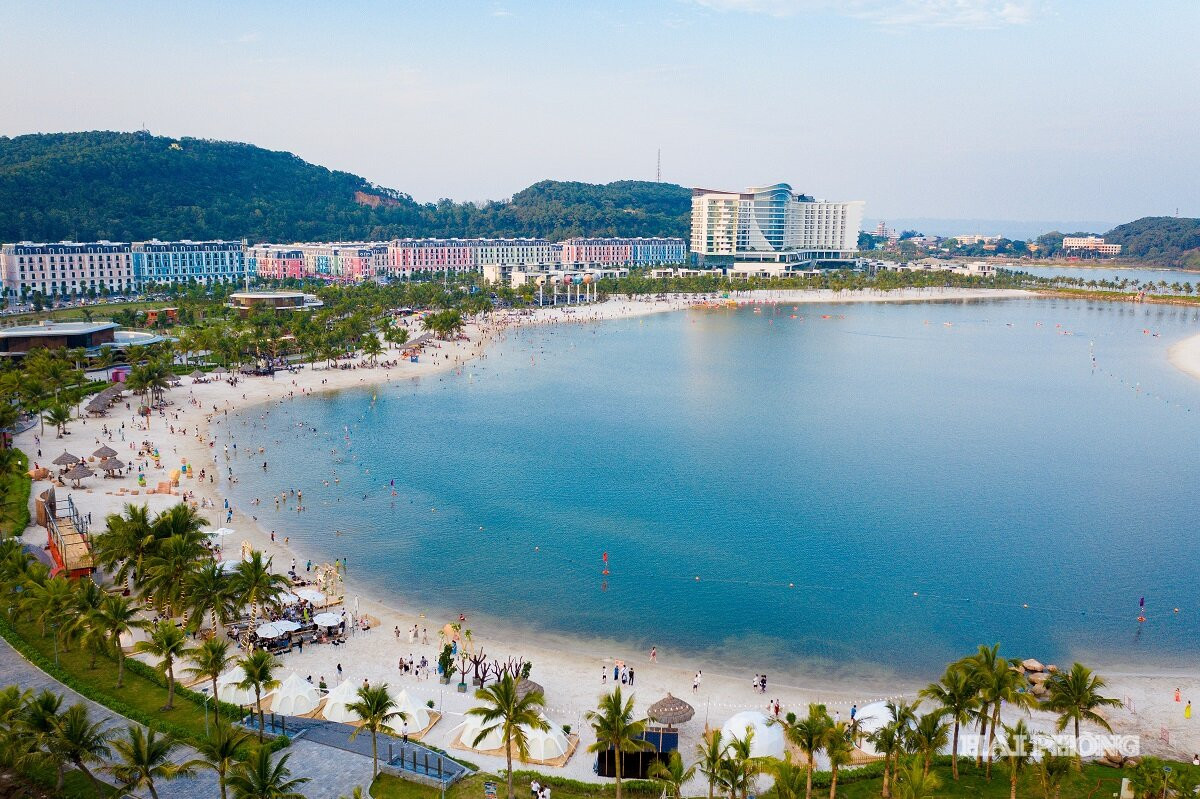
According to the Hai Phong People’s Committee’s socio-economic report, the city welcomed an estimated 13.95 million tourists in the first nine months of 2026, up 17.4% from the same period in 2025. International arrivals alone increased by 24.5%.
According to Dr. Ngo Trung Hai, Vice Chairman of the Vietnam Urban Planning and Development Association, although the number of visitors exceeded projections, Hai Phong’s tourism infrastructure continues to face capacity pressures, as the city still has relatively few accommodation facilities meeting green building standards. To achieve its target of welcoming 16.1 million visitors for the full year, green credit is becoming a key factor for the entire sector.
Green credit for tourism refers to preferential bank loans for tourism development projects that are environmentally friendly, use renewable energy and conserve ecosystems. However, tourism enterprises in Hai Phong still face considerable barriers to accessing preferential financing to transition to greener business models.
Pham The Anh, Director of Cat Ba Panorama Tourism Co., Ltd. in Cat Hai Special Zone, said many tourism enterprises want to upgrade their entire closed-loop wastewater treatment systems or install solar power across their hotel chains to reduce carbon emissions, but the initial investment is too high.
Environmental protection projects often take seven to 10 years to recoup their costs, while conventional commercial lending rates are too high, making businesses hesitant to invest.
Without dedicated green credit packages offering longer repayment periods and preferential interest rates, businesses will find it difficult to carry out the green transition on their own in line with the standards set by UNESCO for the heritage site.
Policy support to accelerate tourism development
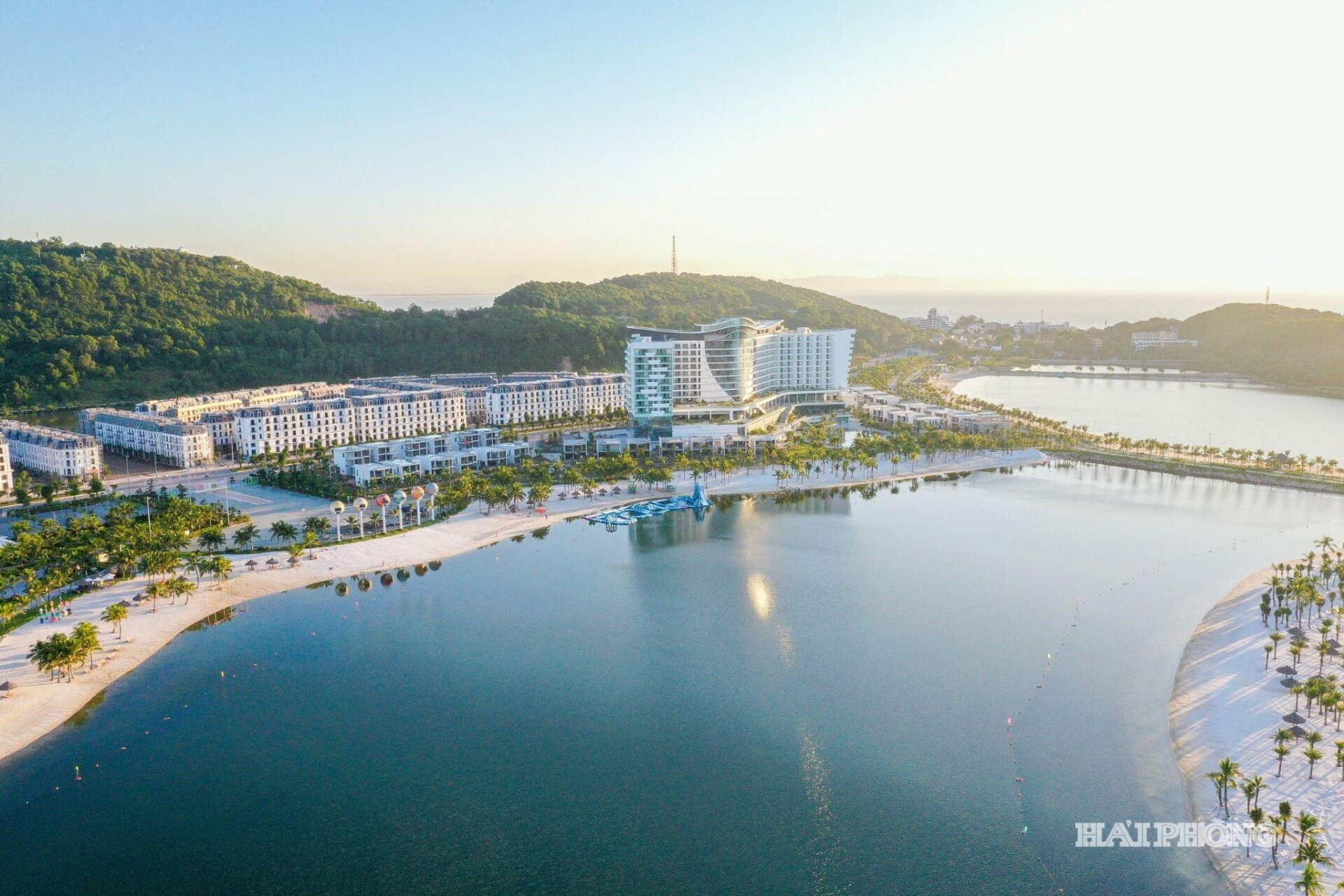
On the other hand, appraising and disbursing loans for green tourism projects also presents challenges for local credit institutions. As a comprehensive and detailed national green classification framework specifically for ecotourism has yet to be established, banks face difficulties in determining risk limits and applying green standards when approving loans.
To address these obstacles, the State Bank of Vietnam issued Official Letter No. 8509/NHNN-CSTT dated September 2026, excluding additional outstanding credit balances for restaurants, hotels, ecotourism areas and resorts from the real estate credit limit. This is seen as a credit boost that helps unlock funding for green tourism investment.
Removing barriers related to the calculation of outstanding tourism loans, combined with a push for digital transformation in service operations, has created greater room for growth, helping banks ease regulatory pressures and proactively develop more practical financial products for the market.
According to Mai Xuan Thang, Chairman of the Hai Phong Tourism Association, green credit is important to the city's ambition to become an internationally recognized marine tourism hub. The association has pledged to work alongside enterprises, helping them standardize operating procedures and complete legal documentation so that ecotourism infrastructure projects in Cat Ba and Do Son can access preferential financing more easily.
More flexible credit policies, combined with a comprehensive green transition strategy, will be an important driver of improvements in tourism infrastructure and service quality, longer visitor stays and higher tourist spending in the port city.
THU HANG