
Gửi bình luận
Multiple resolutions adopted by the Hai Phong People's Council on land, taxes, infrastructure, finance, and venture capital are creating room for technology enterprises to grow.
Open policies, broader development opportunities
One notable initiative by Hai Phong City is the development of a comprehensive policy support system for businesses to implement the National Assembly’s Resolution No. 226 on piloting a number of specific mechanisms and policies for Hai Phong's development. On October 26, 2025, the City People's Council issued five resolutions focusing on key areas such as land-related cost reduction, tax incentives, financial support, access to science and technology infrastructure, and additional venture capital.
These policies support businesses at various stages of development. Science and technology enterprises are exempt from land and water surface rental fees for 15 years and receive a 50% reduction for the following nine years. Startups, innovation activities, semiconductor integrated circuits, and artificial intelligence are eligible for tax incentives.
Organizations and individuals are also provided with financial support for operations and access to science and technology infrastructure, with maximum support of VND 50 million per year for individuals and VND 300 million per year for organizations. The city's Venture Capital Fund also provides additional funding for projects and businesses with growth potential.
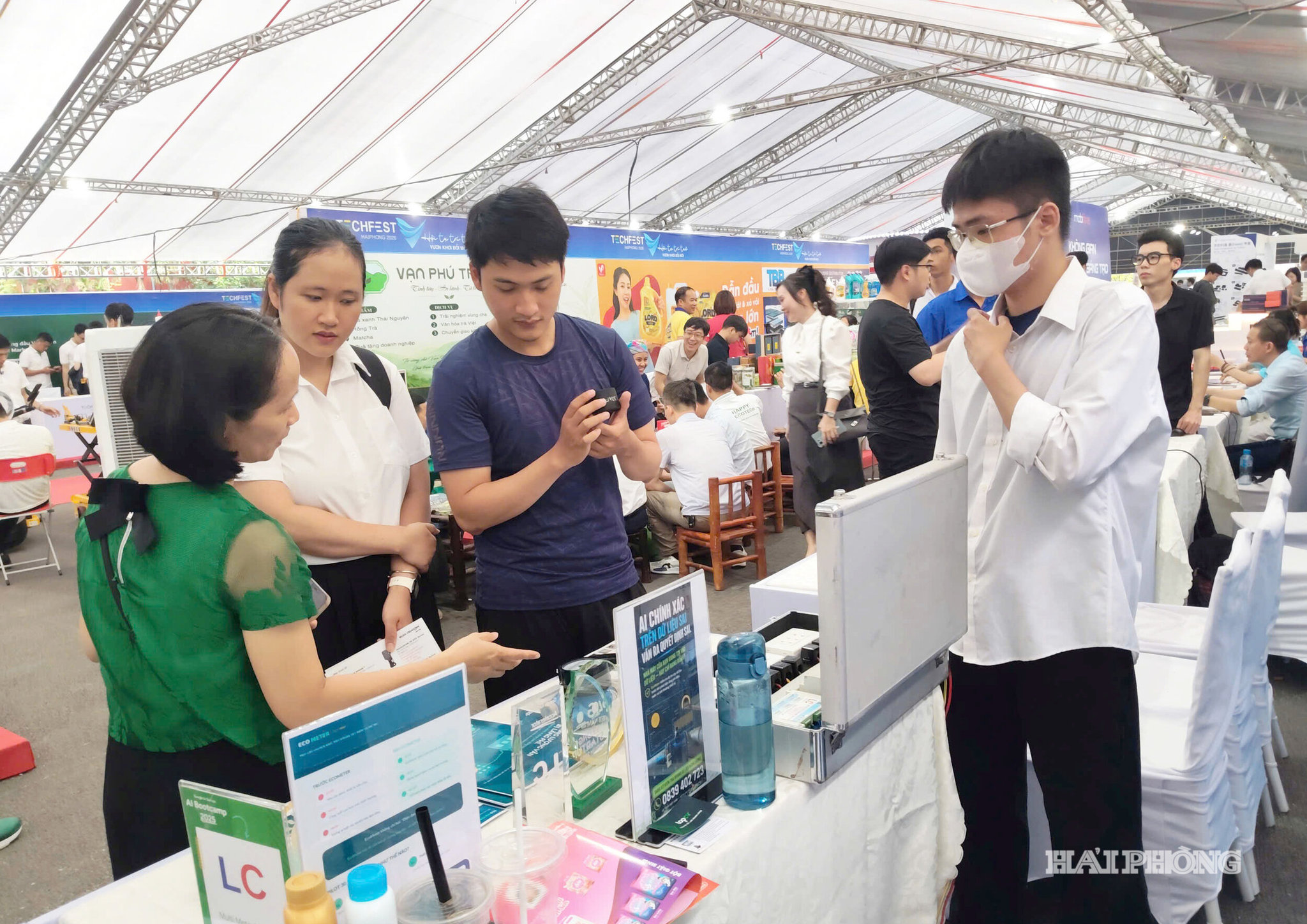
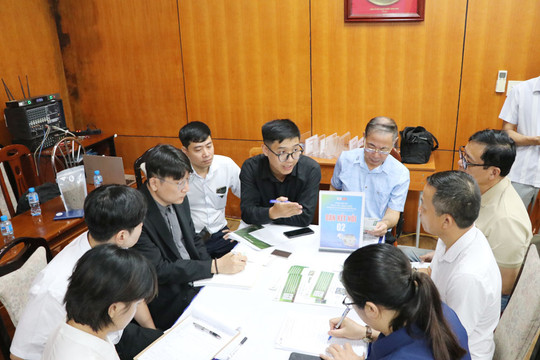
According to Nguyen Thi Cam Huong, Director of the Hai Phong Center for Innovation and Science and Technology Applications, the new feature of these policies is that they not only support individual activities but also aim to build a complete ecosystem in which institutions, resources, businesses, markets, and intermediary organizations support and promote one another.
From policies to business momentum
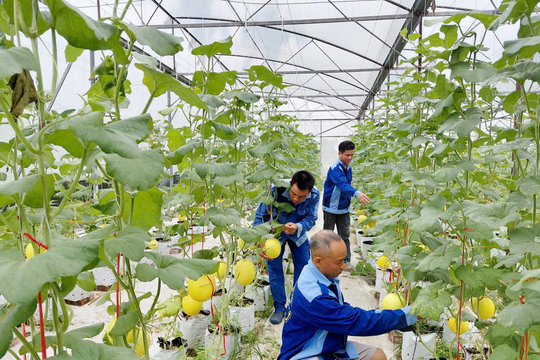
The policies are being rolled out as Hai Phong has major advantages in industry and investment attraction, with nearly 1,900 FDI projects from 42 countries and territories, with total registered capital of more than USD 54 billion. High-tech products account for 68% of the output value of the processing and manufacturing industry.
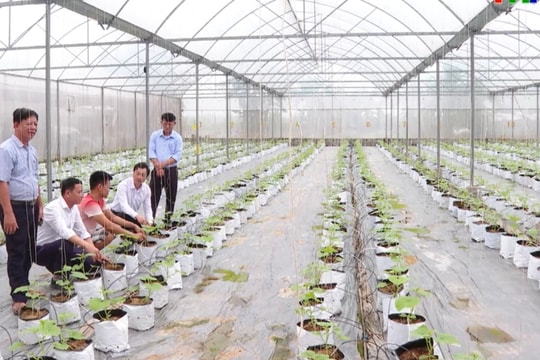
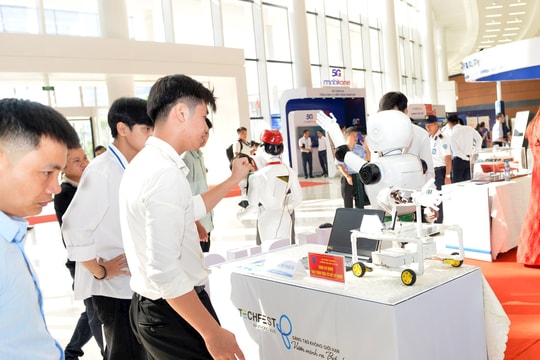
The city is home to more than 200 innovative startups, 75 science and technology enterprises, and over 1,400 digital technology enterprises.
The city aims to have at least 400 innovative startups by 2030 and enter the top 200 cities globally in terms of startup ecosystems. The digital economy is targeted to contribute more than 31% of GRDP, while high-value-added science and technology products, particularly in the marine economy, logistics, and high-tech industry, have been identified as key development directions.
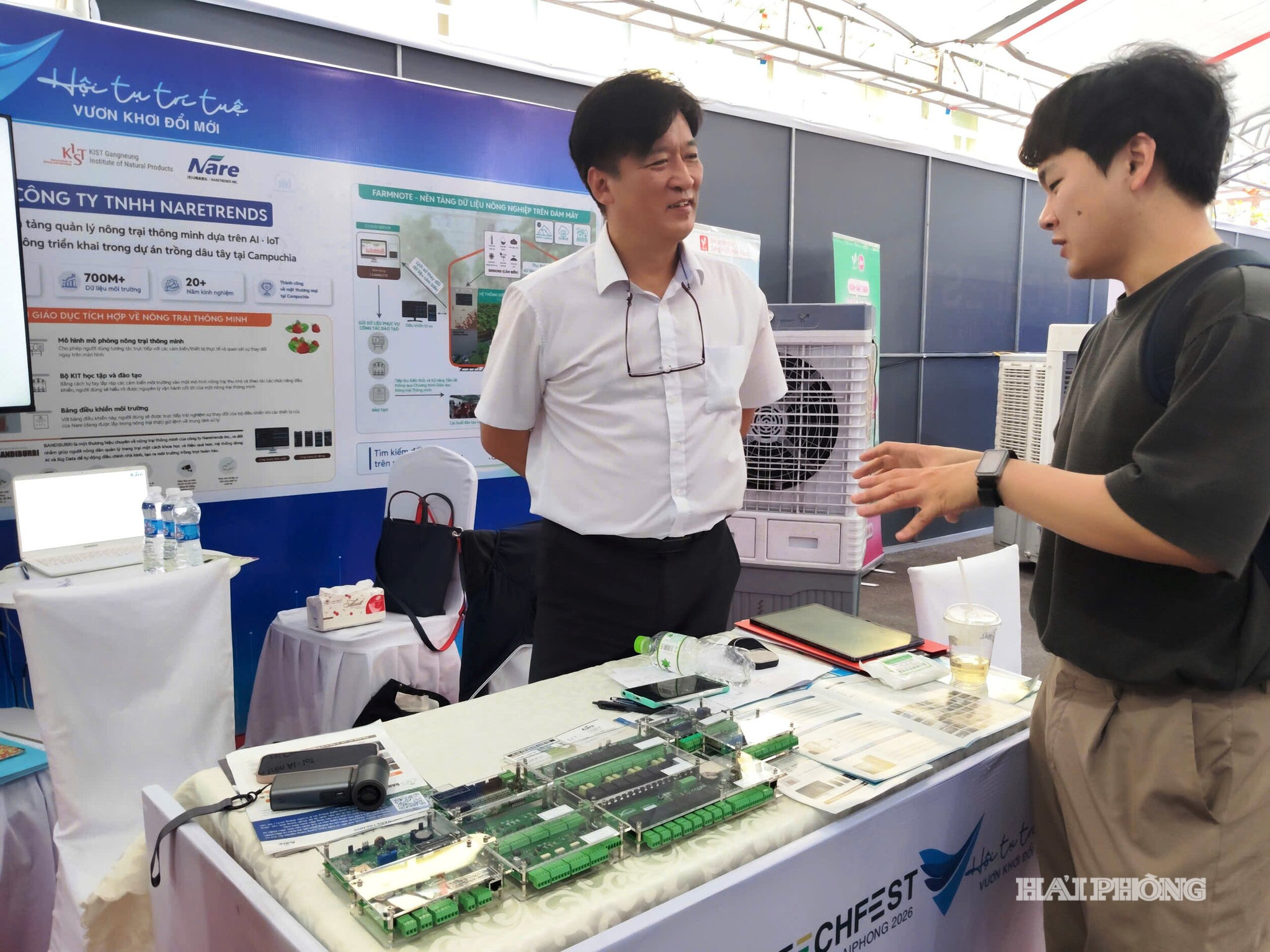
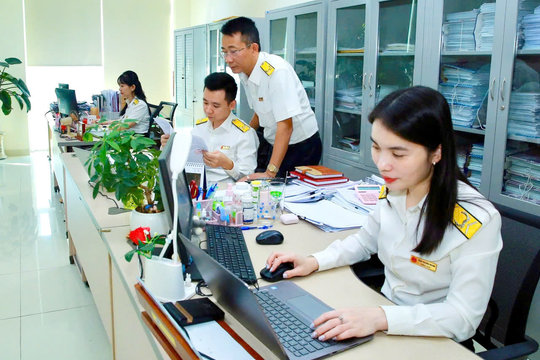
For business support policies to be effective, conditions, procedures, responsible agencies, and processing timelines should first be made clear and transparent so businesses can easily access them. At the same time, appropriate bodies need to proactively provide guidance, accompany businesses, and promptly address difficulties and obstacles during project implementation.
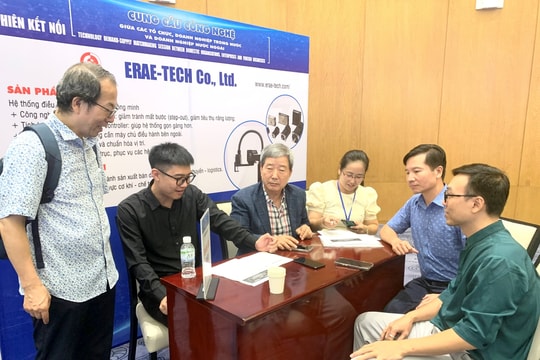
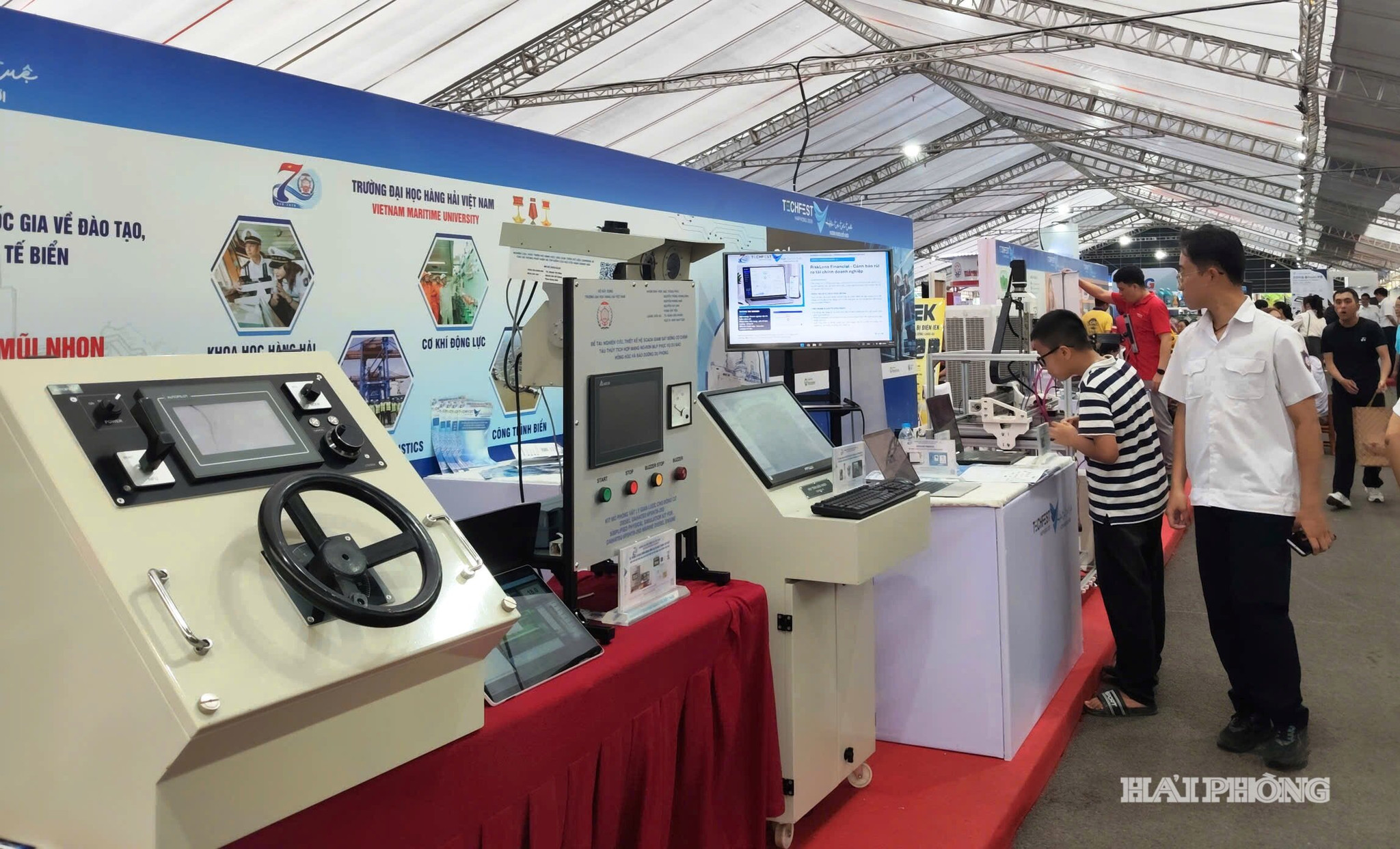
The city also needs to strengthen connections between businesses and universities, research institutes, and major corporations to develop human resources and promote the application of research results in production, while establishing linkages from research and testing to production and product commercialization.
More importantly, policy effectiveness should be assessed through concrete results, such as businesses gaining access to resources, technologies being transferred, products being commercialized, and technology enterprises achieving strong growth. Only then can the advantages of industry, seaports, and logistics truly be transformed into advantages in technology and innovation, contributing to making Hai Phong a competitive innovation hub in the region and the world.
BUI HUONG