-91b8977e232d2fe9f25bd062dfb698a0.jpg "Cat Ba among Southeast Asia’s best islands: National Geographic Traveller")
.jpg "Cat Ba affirmed to be friendly, safe, and hospitable tourist destination")



Gửi bình luận
Beyond its clear blue beaches and the famed Lan Ha Bay, Cat Ba is undergoing a strong transformation to become the adventure-tourism hub of northern Vietnam.
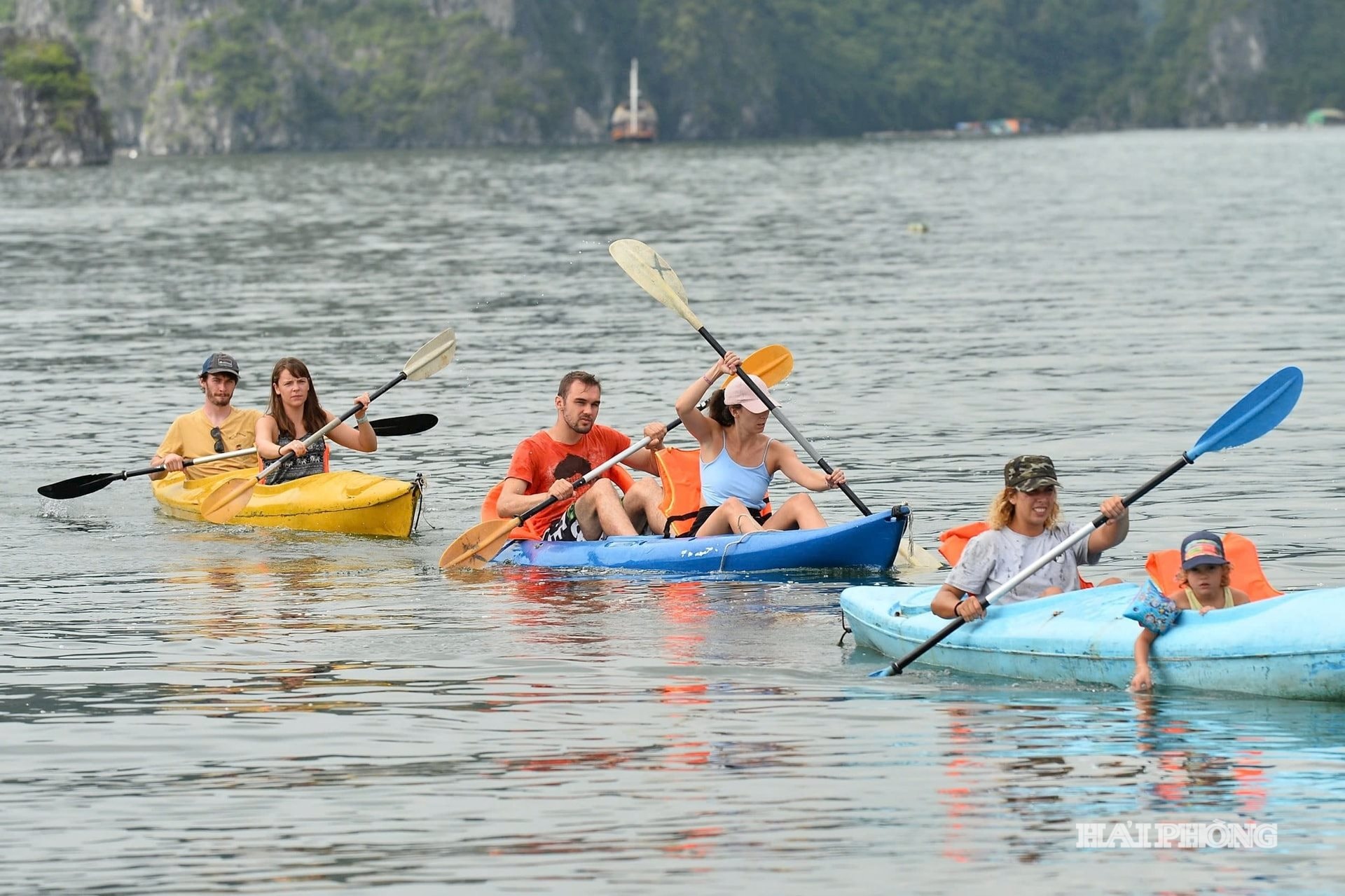
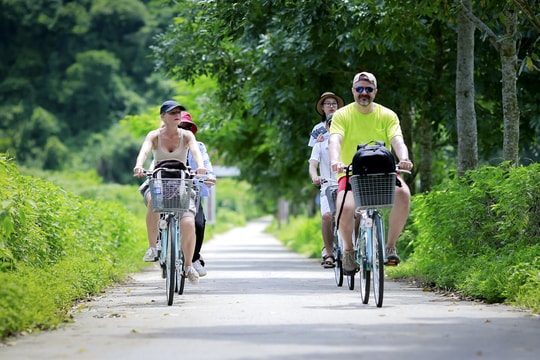
Activities such as trekking, kayaking, cycling through Viet Hai village, and staying in forest homestays are creating fresh appeal, especially for international visitors who seek immersive nature experiences even in winter.
Adventure activities draw visitors
In the past, trekking or kayaking was only a secondary option for thrill-seekers, but in recent years, travel companies have begun offering structured Cat Ba exploration tours that connect forests, the sea, and villages into seamless itineraries. This approach enhances safety and broadens appeal to more visitor groups, from young travelers to nature-loving families.
According to trekking guide Nguyen Van Chien, who has more than eight years of experience, the number of international visitors to Cat Ba has risen steadily, especially over the past three years. They come for the untouched landscape, authentic experiences, and rare tranquility.
Winter temperatures of 18–22°C are considered ideal for long-distance hikes. Trekking routes of 6–10 km allow visitors to cross primary forests, climb rocky slopes, observe dense vegetation, and encounter endemic species of Cat Ba. The Ao Ech stop - a natural lake nestled among the mountains - is regarded as the highlight of the journey.
Cat Ba National Park, a UNESCO-recognized biosphere reserve spanning more than 17,000 ha, boasts exceptionally diverse ecosystems, including tropical rainforests, mangroves, karst caves, marine areas, and seagrass beds. With more than 2,000 plant species, nearly 300 terrestrial animal species, and thousands of marine organisms, the area is one of the main reasons many travelers consider trekking in Cat Ba the most rewarding experience of their trip.
After trekking, the cycling route through Viet Hai - a secluded village surrounded by mountains and forest - offers a different perspective on local life. Visitors may stop to chat with residents, visit gardens, enjoy a traditional lunch, then continue the journey by small boat to admire Lan Ha Bay in the afternoon. The combination of multiple experiences in a single day makes Cat Ba adventure tours complete and compelling.
Jamie Barret, a visitor from the UK, said he has trekked in many Southeast Asian countries but remains impressed with Cat Ba for its “closeness to nature and truly quiet atmosphere.” What many travelers share is the sense of stepping away from the bustle of daily life when entering the forest or passing through Viet Hai’s narrow paths.
Sustainable development direction
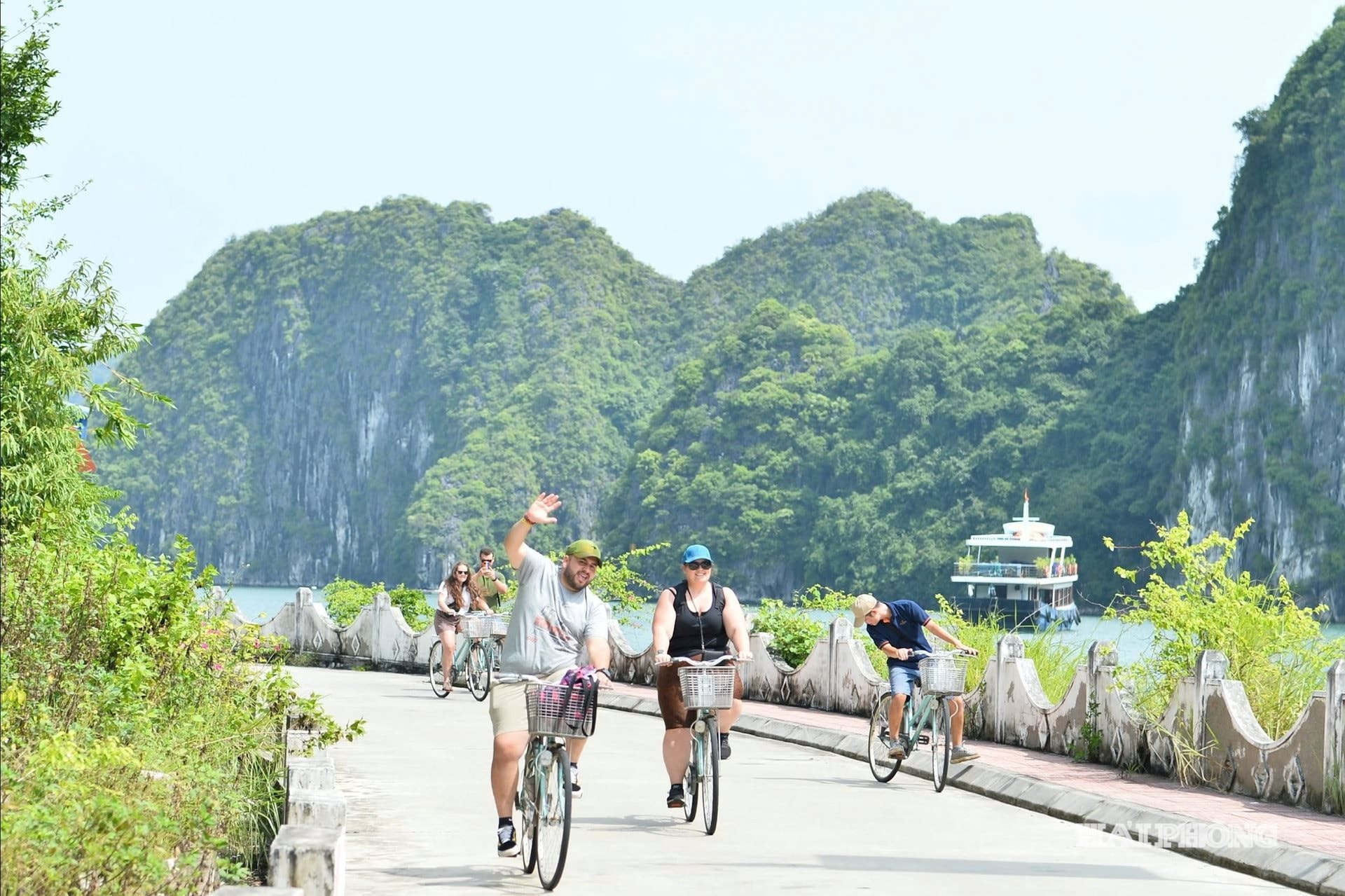
According to Tran Viet Anh, founder of the 10x Tourism Business project, for adventure tourism to truly become a core and sustainable value of Cat Ba, the most important factor is building a structured system of products with clear segmentation, route diversity, and varying difficulty levels to prevent localized overcrowding. At the same time, the local community must play a larger role in the service chain, from homestays, dining, bicycles, and small boats to local guiding.
Another key factor is full transparency of tour information: difficulty level, travel time, physical requirements, necessary equipment, and suitable weather conditions. When visitors clearly understand what they will experience, trips become safer, complaints are reduced, and businesses are better positioned to professionalize their products.
Cat Ba is shifting from a summer vacation spot to a four-season adventure-tourism destination, leveraging its rich ecological resources and creatively designed experience-based products. With effective visitor management, route allocation, and standardized services, Cat Ba can fully assume a central role in northern Vietnam’s adventure-tourism landscape. The island not only offers diverse and captivating experiences but also creates sustainable livelihoods for local communities, contributing to nature conservation and long-term tourism development.
HA LINH