
Gửi bình luận
With investment from the city and support from the community, Hai Phong is steadily restoring its relics, turning them into resources for cultural and tourism development.
Reviving relics
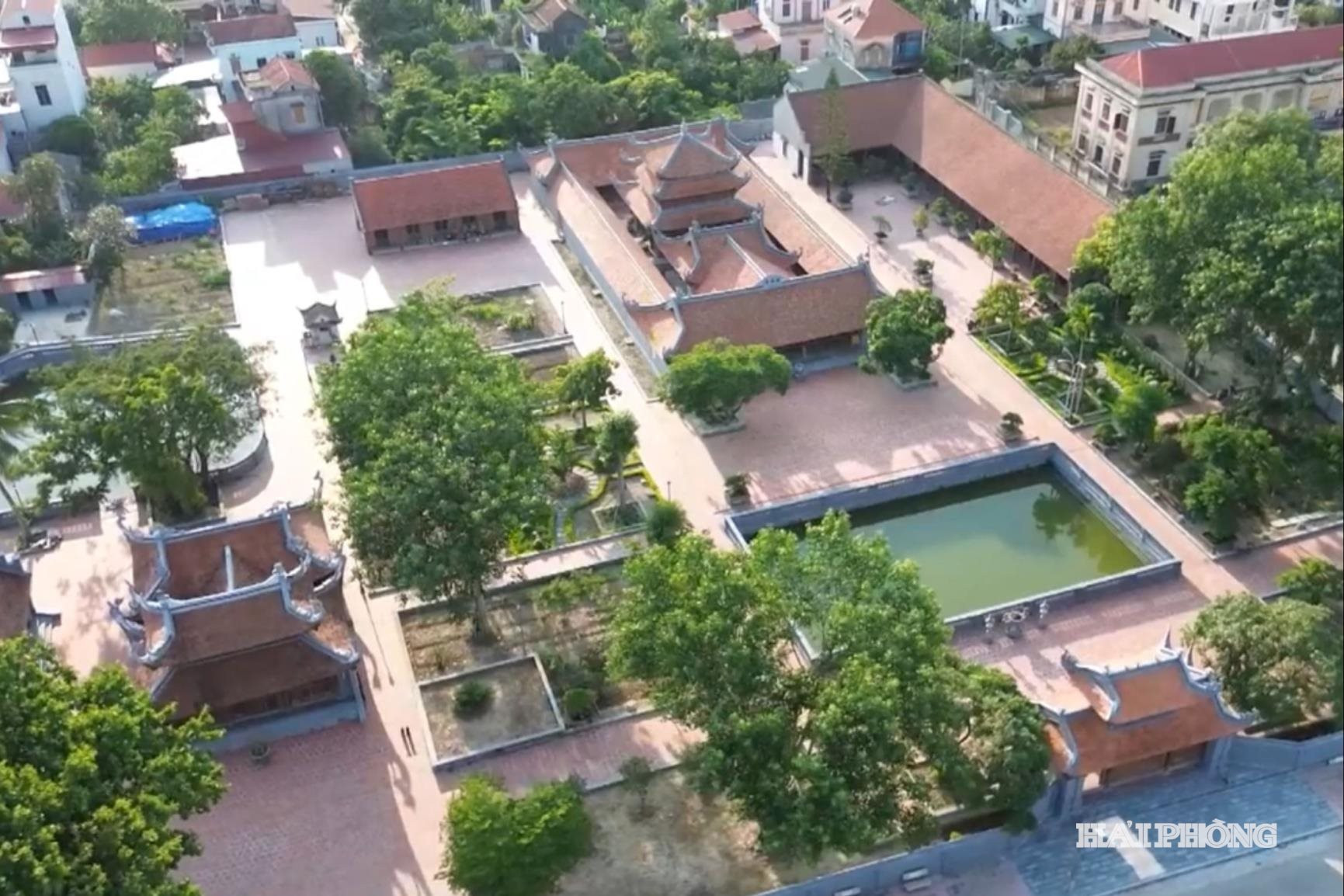
Amid the peaceful countryside, Dong Du communal house – temple – shrine national relic site in An Duong Ward stands in a renewed appearance while preserving its historic character. After nearly a year of restoration, the relic site has been revitalized, helping preserve the locality's historical and cultural values.
Dong Du communal house, also known as Doai communal house, is a long-standing place of worship closely associated with the formation and development of the area. In 1992, the complex was recognized as a national historical and cultural relic by the Ministry of Culture and Information.
Over time, war and natural conditions caused many parts of the complex to deteriorate significantly. In late 2024, the Hai Phong People's Committee approved a restoration and preservation project for Dong Du communal house with a total investment of more than VND24.3 billion. At the same time, local residents, businesses, benefactors, and people with hometown ties contributed nearly VND7 billion to restore the temple and shrine system.
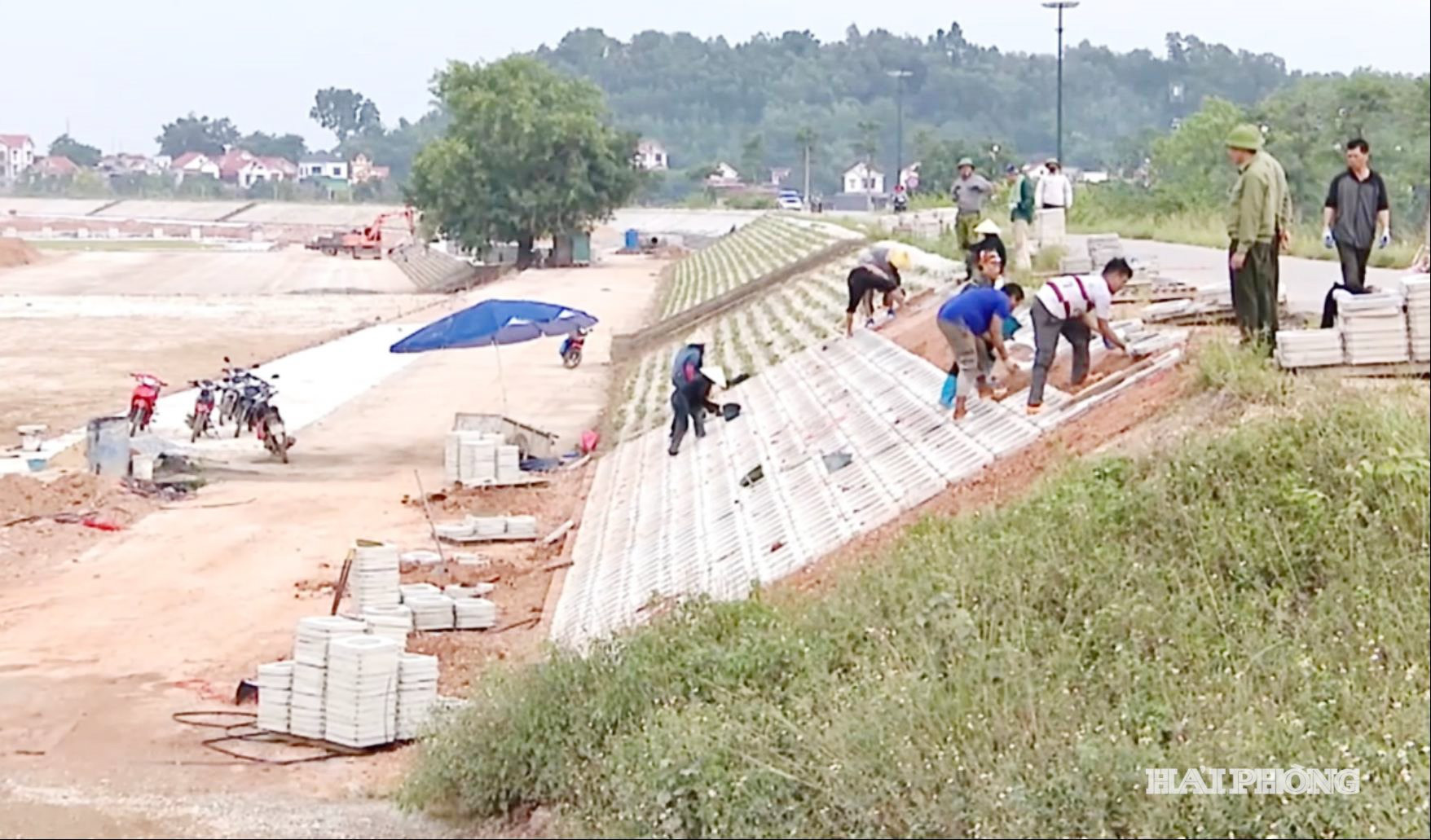
At Kiep Bac temple in Tran Hung Dao Ward, restoration and preservation work is also progressing rapidly. The project includes landscape improvements and upgrades to technical infrastructure.
Supporting facilities for preserving and promoting the site's value are also being developed in a synchronized manner. Internal roads, drainage, environmental treatment systems, green spaces, and water features are being upgraded and reorganized to create a harmonious balance between conservation and sustainable use. The restoration, preservation, and heritage enhancement project will be implemented from 2026 to 2028 with a total investment of more than VND1.156 trillion.
According to a representative of the Con Son–Kiep Bac Relic Management Board, the restoration project is intended not only to address deterioration but also to create a sustainable heritage space, enabling Kiep Bac to continue contributing to cultural life and tourism development.
Preserving roots, driving development
Following the expansion of its administrative boundaries, Hai Phong is now home to nearly 4,000 relics, stretching from the plains to the islands. These sites represent invaluable cultural assets while also creating significant responsibilities for heritage preservation and promotion.
In recent years, the city has shifted from simply addressing deterioration to proactively investing in conservation through planning linked with the promotion of relic values.
Resolution No. 22 of the city People's Council allocated funding to restore 140 city-level relic sites during the 2018 – 2025 period, providing an important financial resource for localities. This was followed by Resolution No. 82, which earmarked more than VND103 billion to support the restoration of 72 national relic sites between 2023 and 2027. These policies reflect the city's strong commitment to preserving cultural heritage.
In addition to public funding, Hai Phong has effectively mobilized social resources. Since 2021, the city has provided nearly VND38 billion to restore and preserve 16 national heritage sites and 54 city-level heritage sites, while raising more than VND146 billion from organizations, businesses, and local residents.
Supported by these mechanisms, many localities have developed comprehensive relic conservation plans. Beyond restoring structures, they have improved surrounding landscapes, upgraded technical infrastructure, and installed fire prevention systems, electricity, water supply and drainage facilities, and visitor amenities. As a result, many restored relics have become vibrant community cultural spaces, venues for traditional festivals, centers for historical education, and attractive tourist destinations.
TAM PHUC