
Gửi bình luận
More than a historical and cultural landmark, Nham Duong pagoda in Hai Phong is also an extraordinary archaeological site that preserves a remarkable collection of priceless artifacts.

Traces of thriving ancient trading port
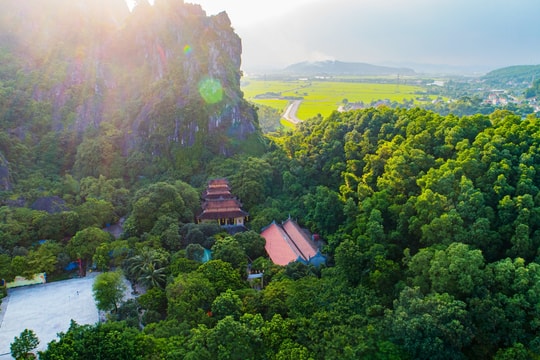
Now located in Pham Su Manh Ward, Hai Phong, Nham Duong pagoda is part of the An Phu – Kinh Chu scenic and historical complex, which has been inscribed by UNESCO as part of the Yen Tu – Vinh Nghiem – Con Son, Kiep Bac World Cultural Heritage Site.
The pagoda was originally built during the Tran Dynasty and is one of the region's largest Buddhist temples. When monks went into caves around the pagoda to find Buddhist statues hidden during the resistance wars against the French colonials and the US aggressors, they found numerous artifacts and fossils, most notably a rare collection of ancient coins.
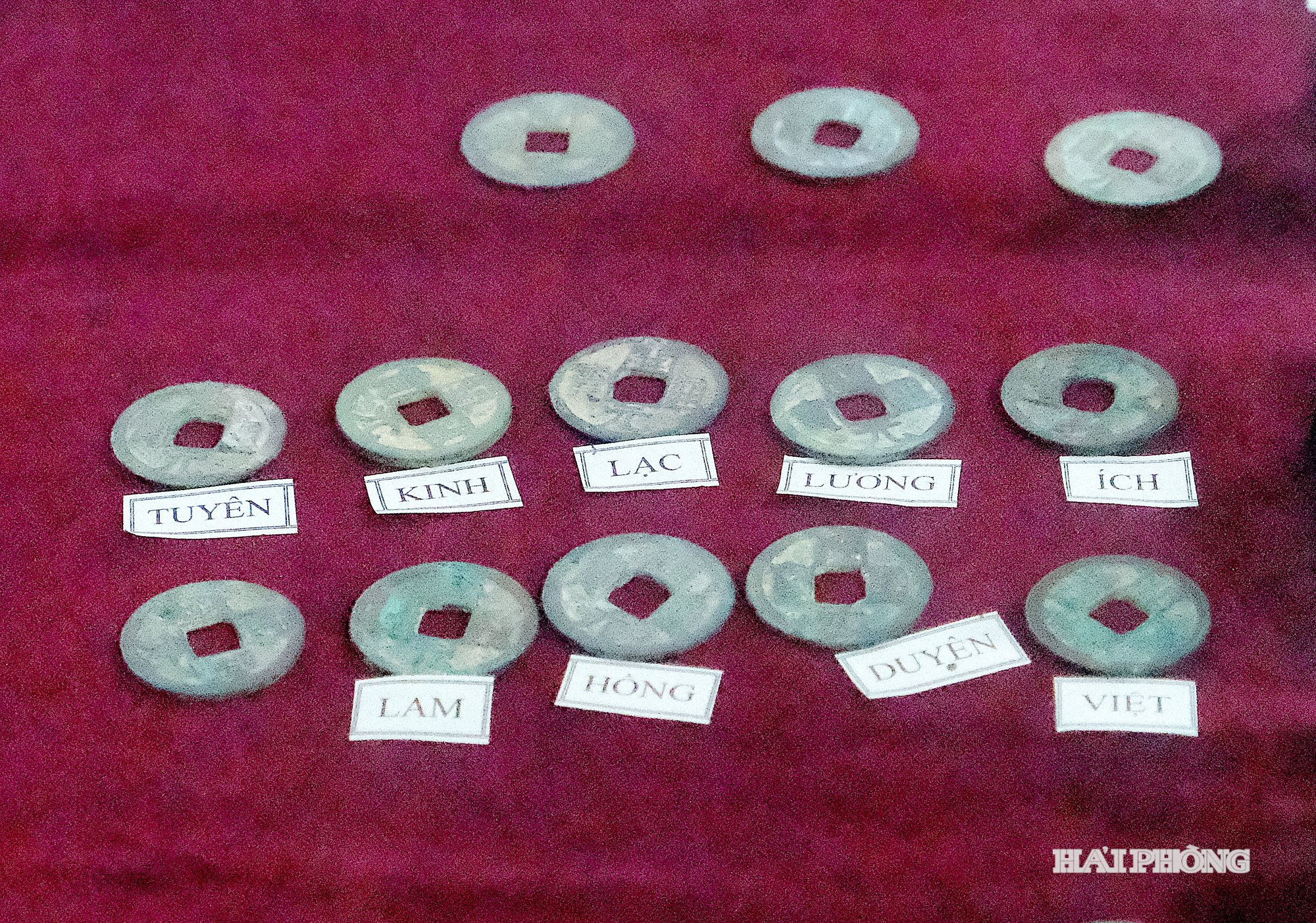
The collection found at Nham Duong pagoda comprises 728 coins representing 120 types from four countries: Vietnam, China, Japan, and Laos. Among them are several exceptionally rare coins that had never previously been documented in Vietnamese publications.
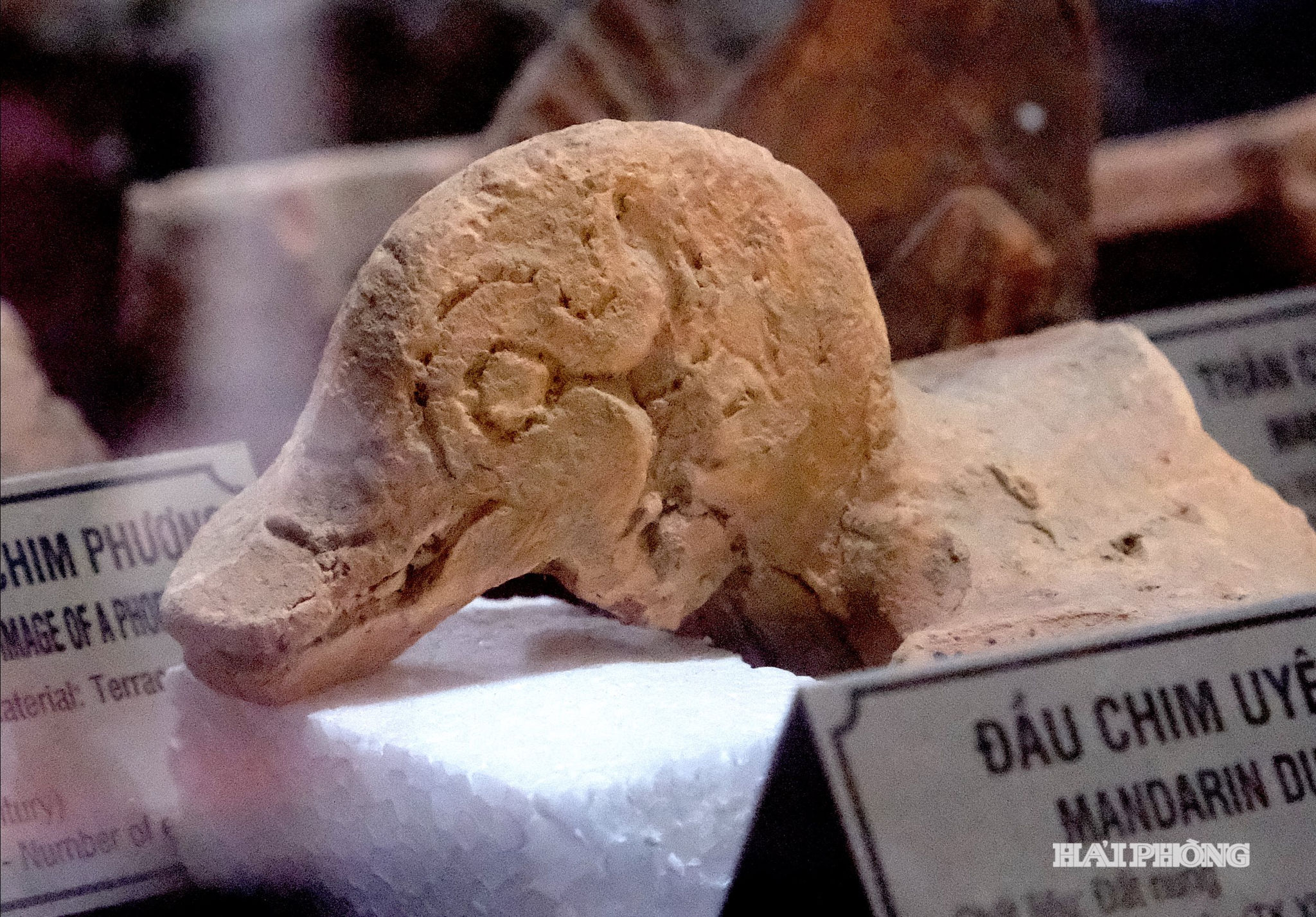
In 2001, archaeologists excavating Toi cave within the pagoda complex unearthed a variety of artifacts, including bronze socketed axes, bronze jars, bronze adzes, elephant bells, and Vietnamese – Chinese ceramics dating from the first to the third centuries, along with prehistoric jars, pottery vessels, pebble bracelets, grinding slabs, and pestles. These artifacts belong to the Dong Son culture.
On Nham Duong mountain, local residents have also discovered Neolithic stone tools.
Based on these archaeological discoveries, researchers have reconstructed a vivid picture of the material and spiritual life of ancient Vietnamese communities that lived in Kinh Mon around 4,000 years ago. Stone tools, human remains, and pottery indicate that the area was once a major settlement of prehistoric inhabitants. Fertile alluvial deposits from surrounding rivers created favorable conditions that attracted early communities to cultivate the land and establish permanent settlements.
.jpg)
According to archaeologists involved in the excavations, the discovery of coins from four different countries suggests that Nham Duong may once have been a bustling trading center and river port.
A paleontological museum surrounding an ancient pagoda
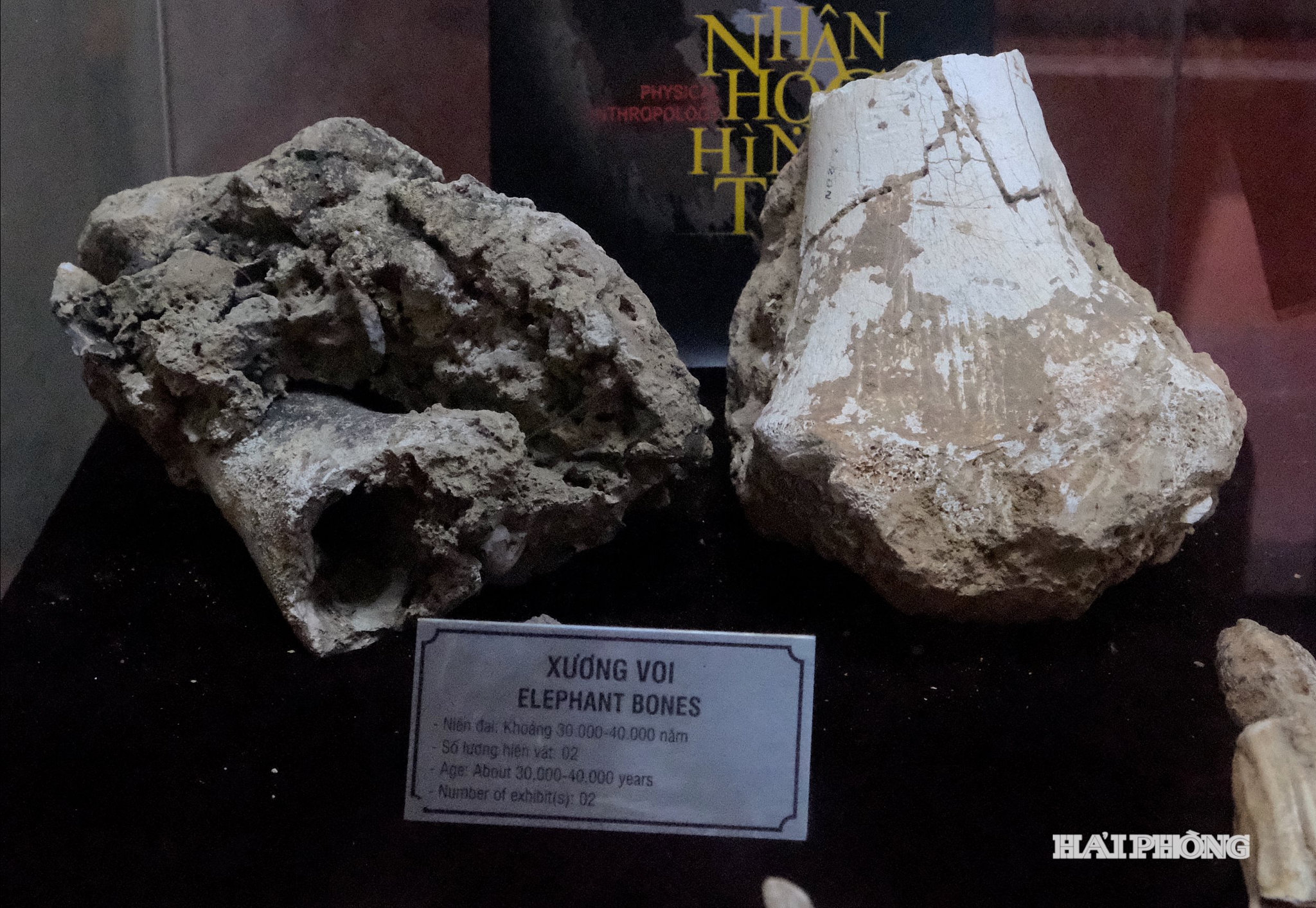
During archaeological surveys and excavations at Thanh Hoa cave in 2000 and 2001, researchers uncovered fossils from 27 animal species, including elephants, rhinoceroses, tigers, leopards, wild boars, and porcupines. They also found numerous fossilized orangutan (Pongo) teeth and fossilized human (Homo sapiens) teeth.
From 2000 to 2017, archaeologists recovered and studied 471 fossilized animal bones and teeth from Thanh Hoa cave, including remains of orangutans, rhinoceroses, Asiatic black bears, monkeys, pigs, deer, buffaloes, and bears. The fossils date from approximately 30,000 to 50,000 years ago.
Particularly significant are two fossilized human teeth discovered in 2003, dating to the Holocene Epoch (around 9,700 BCE), which Associate Professor Nguyen Lan Cuong described as invaluable scientific treasures.
In addition to the fossilized teeth, parts of a Neolithic human skull, including the frontal bone, eye sockets, and upper jaw, were found near the entrance to Thanh Hoa cave.
Thanh Hoa cave contains a cultural layer up to 4 m thick and is recognized as one of Vietnam's most important archaeological sites. Archaeological surveys, excavations, and the large collection of artifacts have confirmed that both Thanh Hoa and Toi caves are sites of exceptional archaeological significance that require continued protection and research. To date, scientists have recovered 1,796 artifacts from the two caves, most of them animal fossils dating back 30,000 – 50,000 years.
Today, visitors to Nham Duong pagoda can view many of these invaluable artifacts on display within the pagoda grounds while exploring this remarkable historical and spiritual site.
TIEN HUY