Gửi bình luận
With nearly 200 active projects and total registered capital of nearly USD 16 billion, South Korea ranks first in terms of FDI capital in Hai Phong’s industrial parks and economic zones.
Challenges arising during project implementation
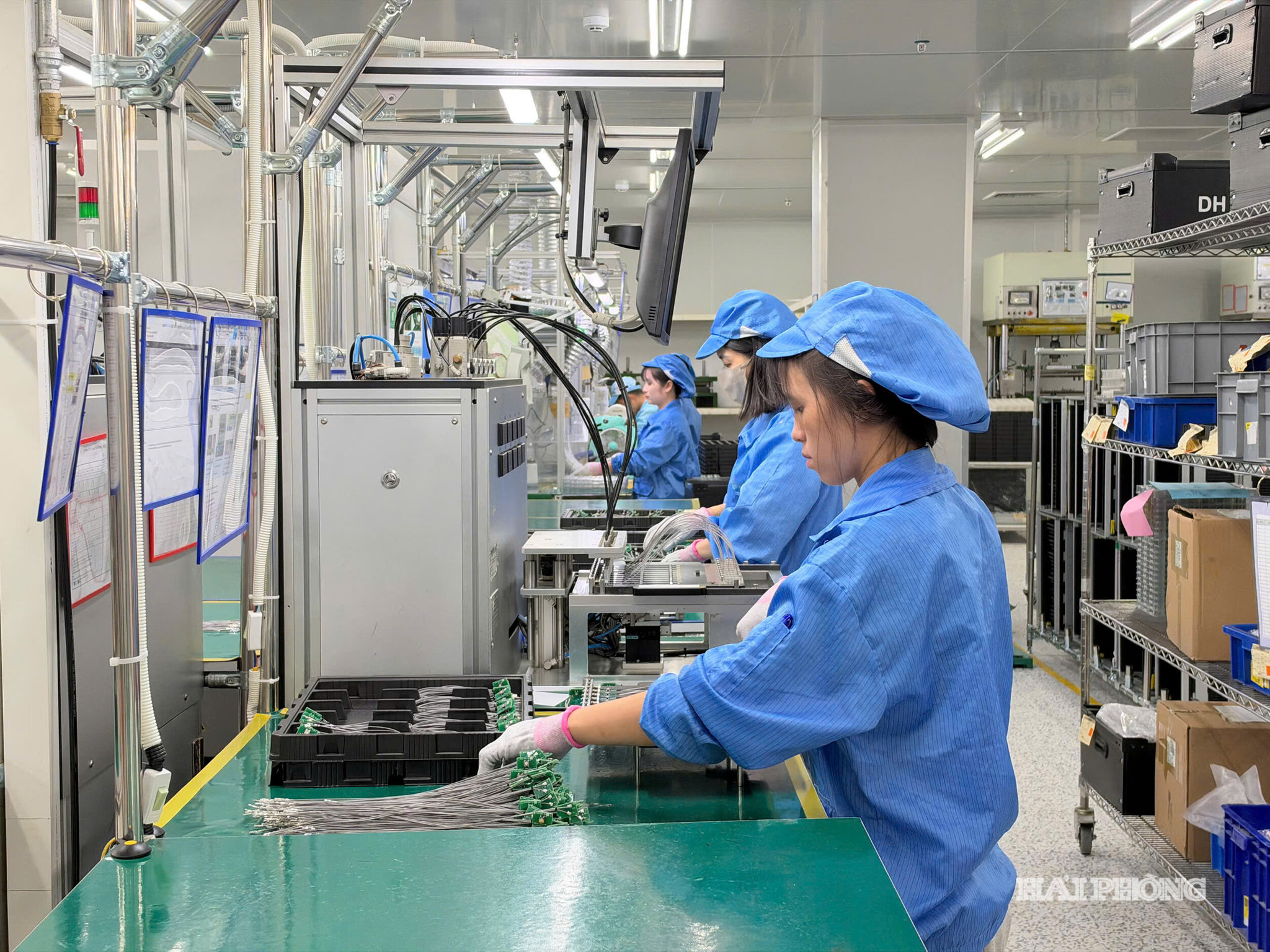
At Nam Dinh Vu Industrial and Non-Tariff Park (Zone 1), the construction of Innorex Vina LED Manufacturing Plant has been completed, with machinery being installed and test-run. The project, invested in by South Korea’s DH Lighting Vina Co., Ltd., has a total registered capital of USD 15 million. With the main construction work completed, the company is focusing on finalizing the remaining procedures and preparing sufficient manpower to run its production lines.
However, this is not an easy challenge to overcome. Nam Dinh Vu Industrial Park is located far from residential areas, making it difficult to recruit and retain a stable workforce. The company has improved salaries and benefits to make its jobs more attractive, but still faces competition from businesses closer to the city center, where commuting and daily living are more convenient.
Along with workforce issues, transport infrastructure around industrial parks also has a direct impact on business operations. Large numbers of workers and vehicles converging during rush hours often make traffic around Dinh Vu industrial park complicated. In some other industrial parks, such as Trang Due, trucks stopping and parking on roads obstruct traffic and pose potential accident risks.
Hai Phong’s industrial parks and economic zones currently host nearly 200 active FDI projects of South Korean businesses, with total registered capital of nearly USD 16 billion. South Korea ranks first in terms of investment and second in terms of the number of projects among the countries and territories investing in the city's industrial parks and economic zones.
Seog Myeong Gug, Chairman of the Korean Chamber of Commerce in Hai Phong (KOCHAM Hai Phong), said that the South Korean business community had received attention and support from the Hai Phong Economic Zone Authority and functional agencies in project implementation, procedure processing and handling of arising issues. KOCHAM Hai Phong hopes that direct communication channels will be maintained regularly so that businesses' difficulties can be promptly acknowledged and addressed.
Working together to maintain investment appeal
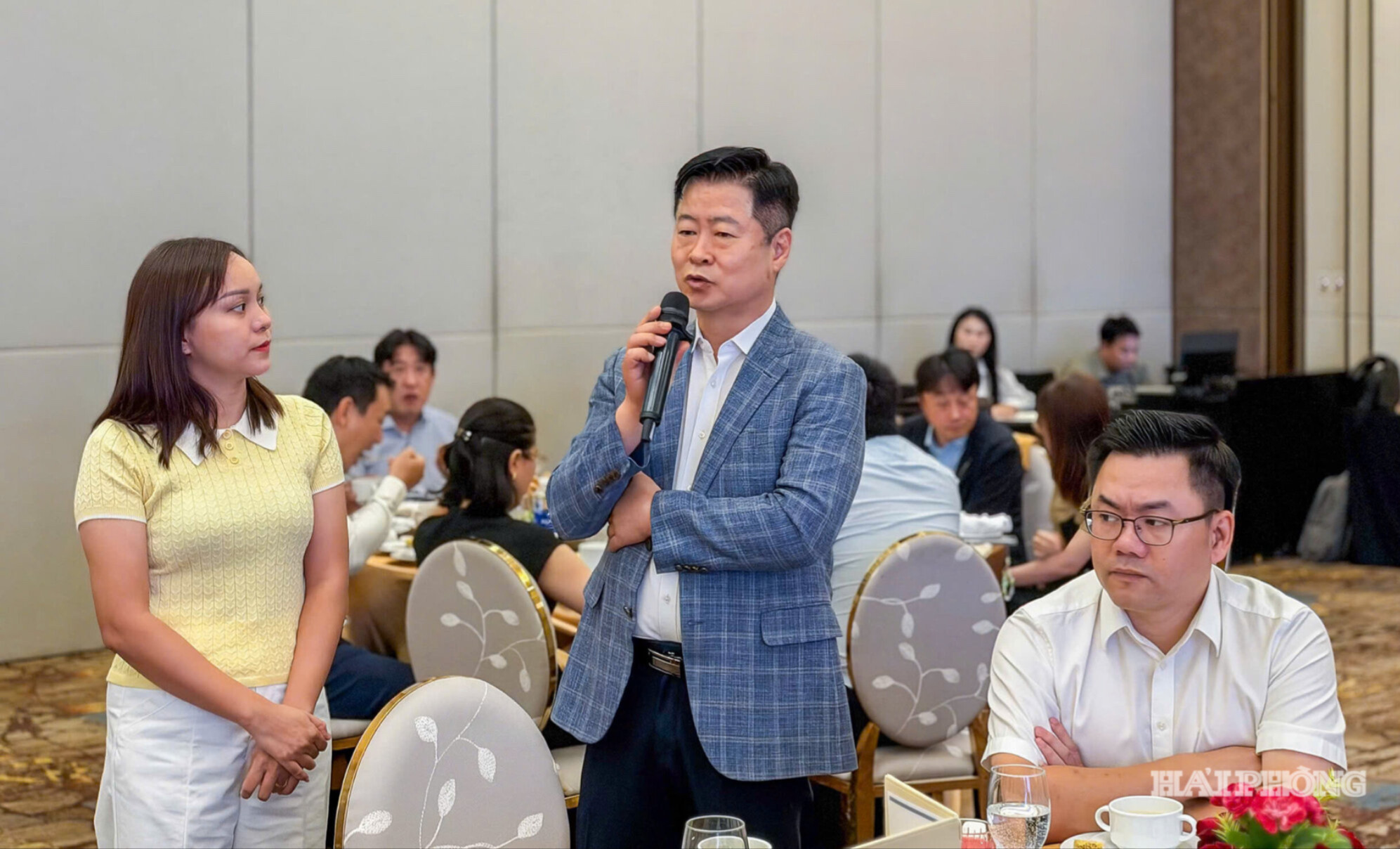
In response to businesses' practical needs, the Hai Phong Economic Zone Authority has recently held its first meeting with nearly 20 South Korean businesses in an informal breakfast and coffee format. Leaders of the authority and heads of its specialized departments attended in person to discuss the difficulties businesses faced in implementing projects and organizing production.
In addition to direct discussions, the authority also compiled issues of common concern among businesses to study broader solutions. One of the most pressing challenges is workforce demand. The city is developing a scheme to attract workers from other localities, including studying support for rental costs, bus fares and childcare arrangements. At the same time, it is strengthening connections between businesses and universities and vocational education institutions, as well as expanding labor seeking in various provinces and cities.
Worker housing is also an important factor in policies to attract labor. The Economic Zone Authority has assessed housing demand in each industrial park and connected interested investors with specialized departments to study projects for worker housing and dormitories. Providing accommodation close to workplaces will help workers reduce commuting time and costs while enabling businesses to retain their workforce.
To address traffic congestion in the Dinh Vu area, the Hai Phong Economic Zone Authority has worked with the industrial park infrastructure developer to propose appropriate traffic management solutions.
Pham Van Thep, Member of the Standing Committee of the Hai Phong Party Committee and Head of the Hai Phong Economic Zone Authority, affirmed that the authority would continue to support South Korean businesses throughout their investment, production and business operations. It would maintain and expand direct, open and candid meetings to promptly identify emerging issues. The authority would proactively compile proposals involving multiple agencies, coordinate with relevant departments, sectors and units to consider and resolve them, and provide specific responses to businesses.
LE HIEP