
Gửi bình luận
Many individuals and units in Hai Phong are contributing to preserving and promoting Vietnamese tea culture, connecting traditional values with tourism development and contemporary cultural life.
Connecting tea culture with heritage tourism
In Vietnamese culture, tea drinking is regarded as a way to nourish the mind and an expression of hospitality. Tea is enjoyed not only for its taste but also as a way to start a conversation. Although life is becoming increasingly fast-paced, this fine tradition is being preserved and passed on through creative approaches that bring traditional tea culture into contemporary life.
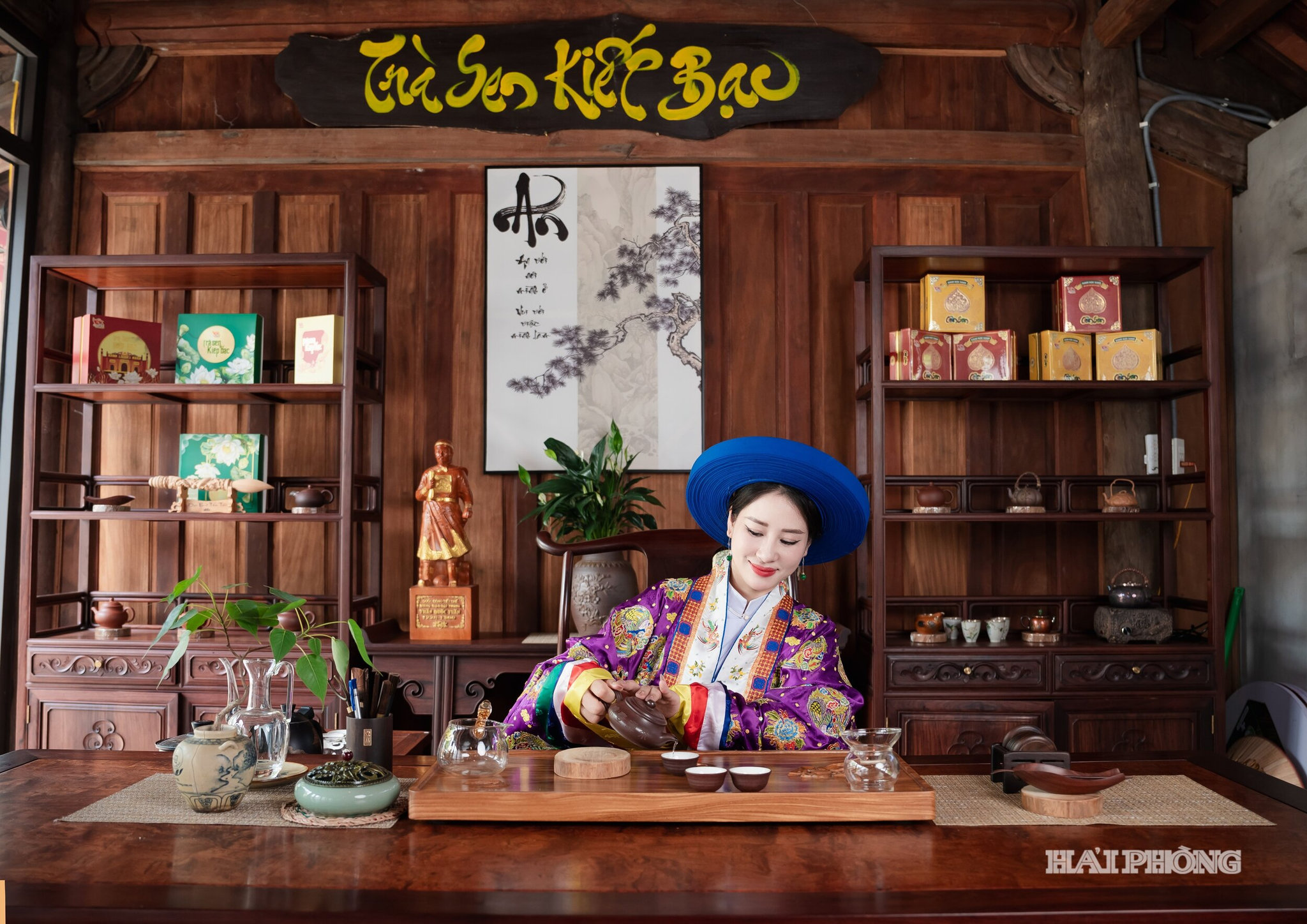
At Con Son - Kiep Bac relic site, tea culture is being promoted in connection with heritage values and tourism development. A notable example is Kiep Bac lotus tea, a product researched and developed by the relic management board using locally sourced ingredients and traditional tea-scenting techniques.
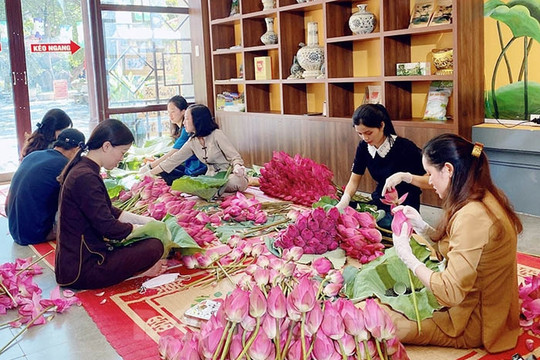
Since 2019, the management board has renovated the area, planted and tended lotus flowers in Kiep Bac to enhance the landscape while researching and developing lotus-based products such as lotus tea and lotus wine.
According to Nguyen Thi Ngoc Xuan, Head of the Tourism and Services Division of the Con Son - Kiep Bac Relic Management Board, Kiep Bac lotus tea has been developed into several varieties, including lotus flower-scented tea, dried lotus tea and lotus rice tea. The products come in boxes printed with ten golden characters, each associated with a story about the heritage site or a meaningful aspect of the lives of historical figures. Through these products, the management board aims to convey historical, cultural and educational messages.
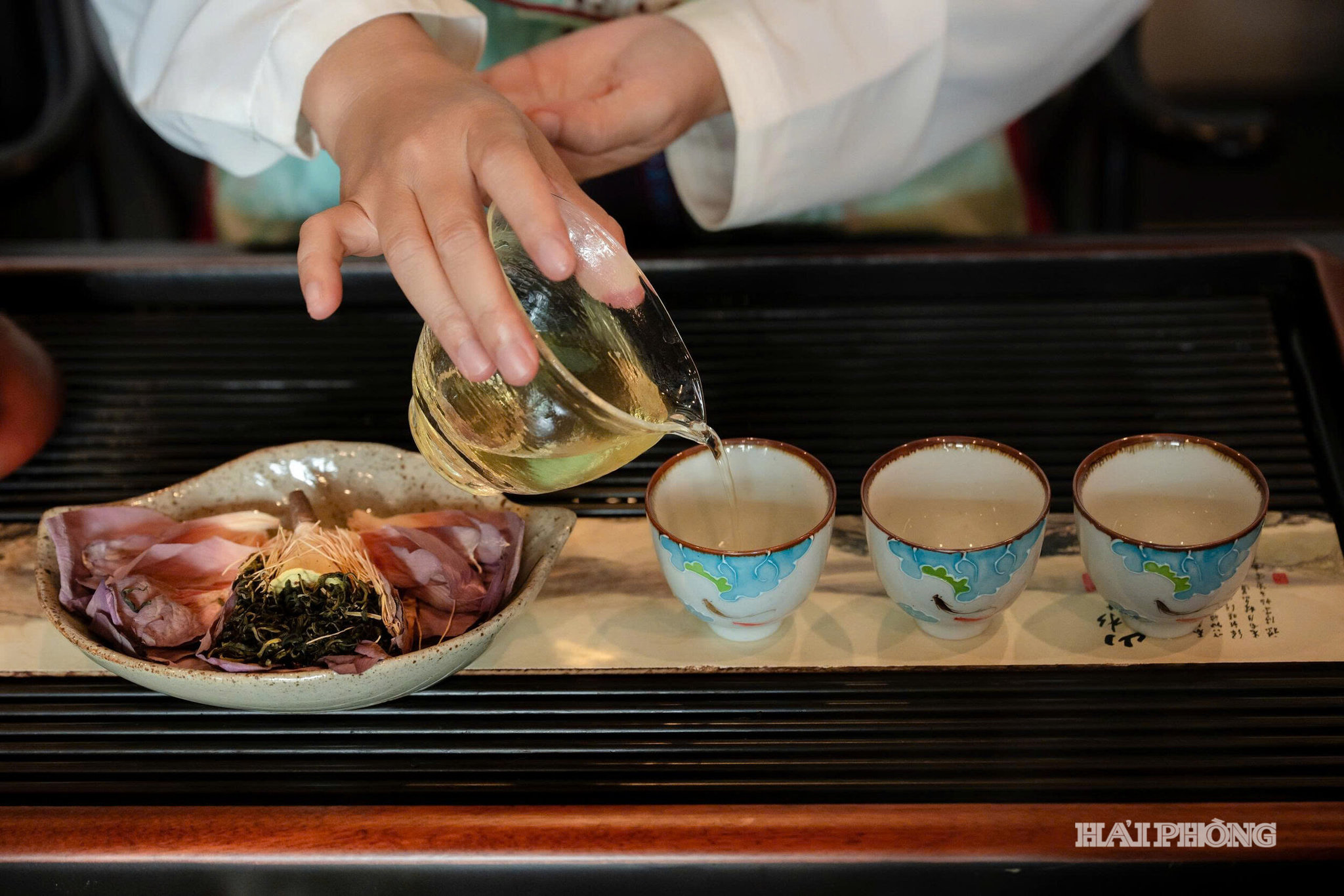
To bring tea culture closer to the public, the management board also focuses on developing experiential spaces where visitors can learn about the art of tea appreciation. In 2022, the first Kiep Bac Lotus Tea Cultural Week was held, featuring activities to introduce products, demonstrate traditional tea brewing and appreciation, display lotus-based products, and connect travel businesses, restaurants and trade promotion partners.
The products have also been showcased at various cultural and tourism weeks and trade promotion fairs at home and abroad. These activities have helped expand market access and promote the image of the relic site through local products.
Promoting the art of Vietnamese tea appreciation
In recent years, Xu Dong Hoi Quan, located on Doan Nhu Hai Street in Hai Duong Ward, has also become a gathering place for tea culture enthusiasts and people interested in the cultural heritage of Xu Dong (old name of the former Hai Duong Province).
The space is furnished with traditional wooden interiors crafted by artisans from craft villages in Cam Giang, along with tea sets and tables reflecting the style of old Vietnam, creating an elegant yet welcoming atmosphere. A wide variety of teas are introduced here, each with its own distinctive flavor, reflecting the diversity of ingredients and processing techniques.
In addition to showcasing handcrafted tea products at various cultural events, Xu Dong Hoi Quan has, since 2025, worked with the Con Son - Kiep Bac Relic Management Board to actively promote Kiep Bac lotus tea and arrange tea-tasting spaces at several relic sites, including Kiep Bac Temple and Mao Dien Temple of Literature. This partnership helps bring tea products closer to visitors in their journeys to explore heritage.
Preserving the essence of Vietnamese tea does not necessarily require elaborate forms. It can begin with a pot of tea prepared with care, a cozy space for tea appreciation or a story about cultural roots. When the pleasure of drinking tea is connected with heritage and tourism, each cup can become a bridge between the past and the present, helping preserve and pass on Vietnamese cultural identity to future generations.
MINH CONG