
Gửi bình luận
Beyond signature dishes such as crab noodle soup and spicy banh my, Hai Phong is home to many humble local delicacies that reflect the city's cultural imprints.
Every dish tells a cultural story
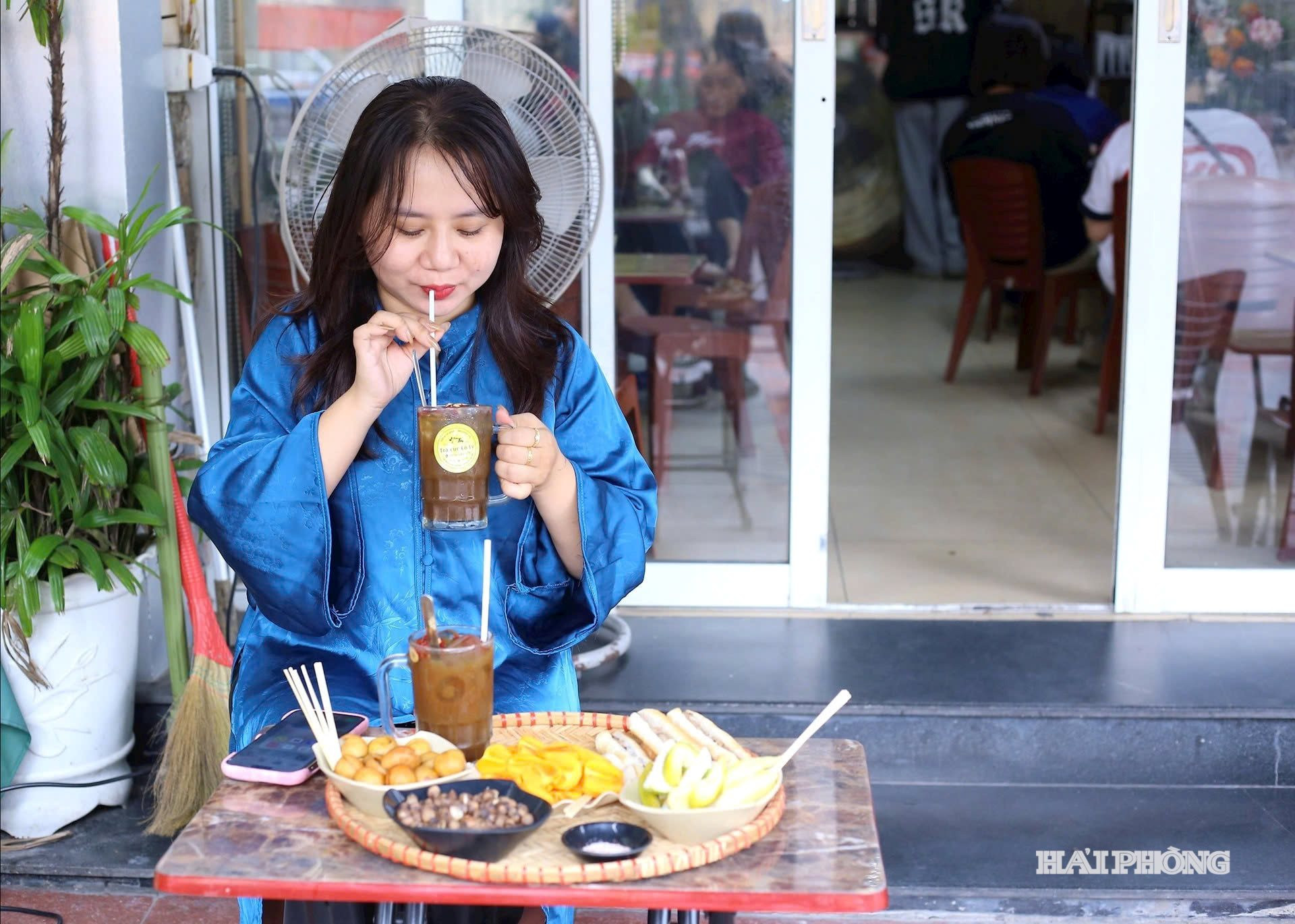
On Dinh Tien Hoang Street in Hong Bang Ward, Hai Phong, customers continue to visit a chrysanthemum tea shop that has been serving the community for nearly 70 years. While trendy cafés have come and gone, the shop remains popular thanks to its simple yet distinctive tea.
According to Vu Ngoc Anh, the shop's manager, the business was founded by her grandfather in 1956 and has since been passed down through generations. While its customers were once mainly older residents, it has increasingly attracted younger visitors. The recipe has also been refined to create a more balanced sweet-and-sour taste while preserving its traditional ingredients.
Hai Phong chrysanthemum tea is not a drink that wins people over with the first sip. Some may find it slightly bitter or astringent, but its lingering sweetness leaves a lasting impression. Over time, it has become part of the port city's daily rhythm.
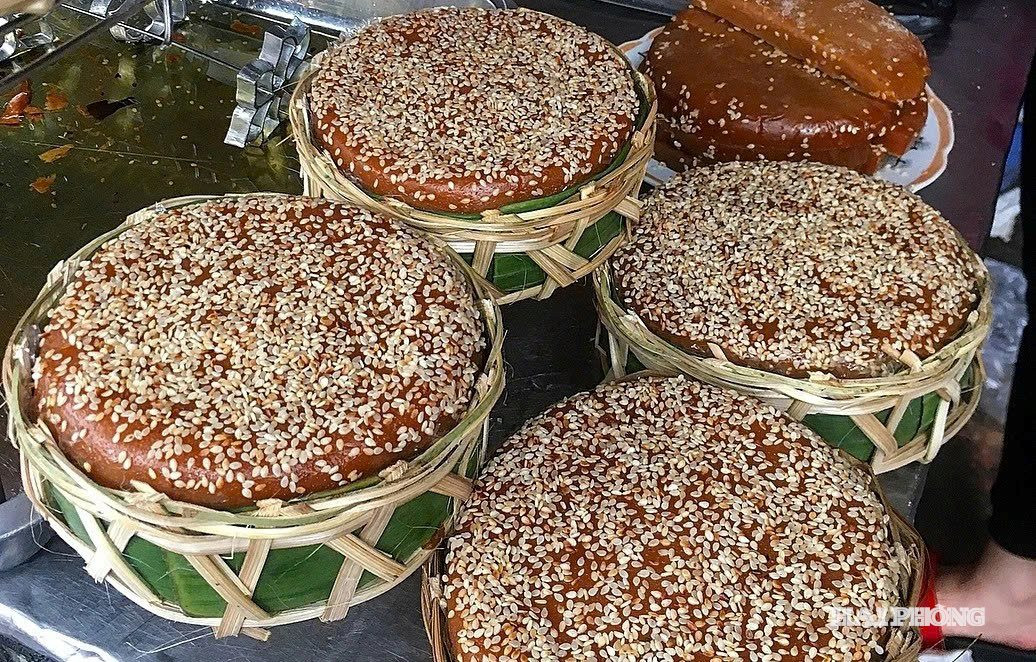
If chrysanthemum tea reflects Hai Phong's urban lifestyle, xi long cau cake illustrates the city's cultural fusion. Few people know that the name xi long cau originates from a Chinese word for the steaming basket used to make the cake. Derived from the traditional Chinese nian gao, the cake was adapted by local residents, who gave it both a Vietnamese name and a distinctive way of enjoying it.
From a single recipe, Hai Phong residents have created two unique culinary experiences that continue to attract visitors to the city's traditional markets.
Humble dishes with lasting appeal
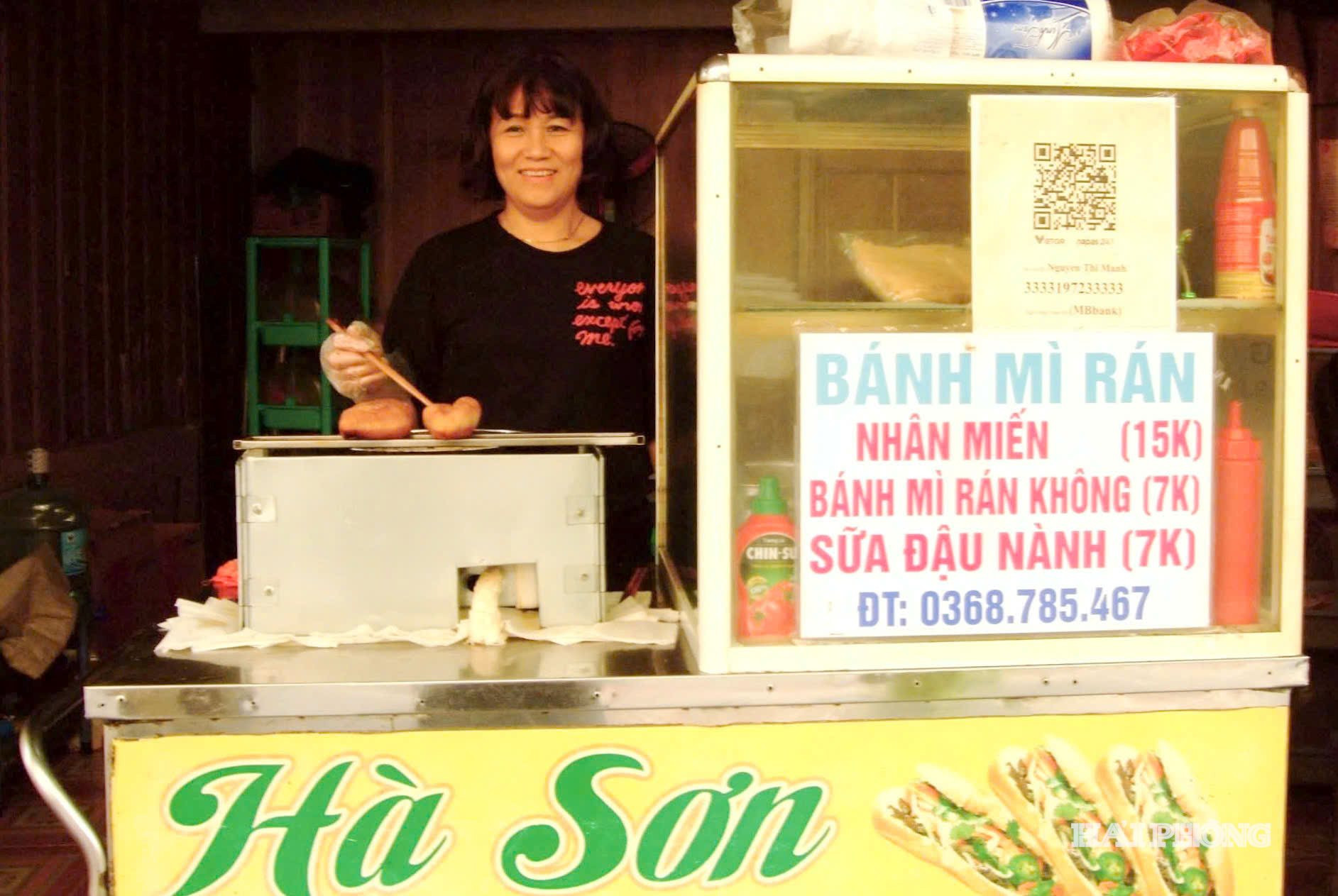
Hai Phong is also known for a variety of everyday dishes that have earned loyal followings. For nearly 30 years, a small banh my shop run by Nguyen Hong Son and Nguyen Thi Manh Ha on Le Hong Phong Street in Le Thanh Nghi Ward has welcomed a steady stream of customers every morning.
At first glance, the idea of vermicelli as a banh my filling may seem unusual. Yet this unexpected combination has become a local specialty rarely found elsewhere.
Ha said the shop has sold between 300 and 500 baguettes every morning since 1996. Many customers first visited as students and continue to return out of habit. "People call it banh my mien, but I still call it fried banh my," said Ha.
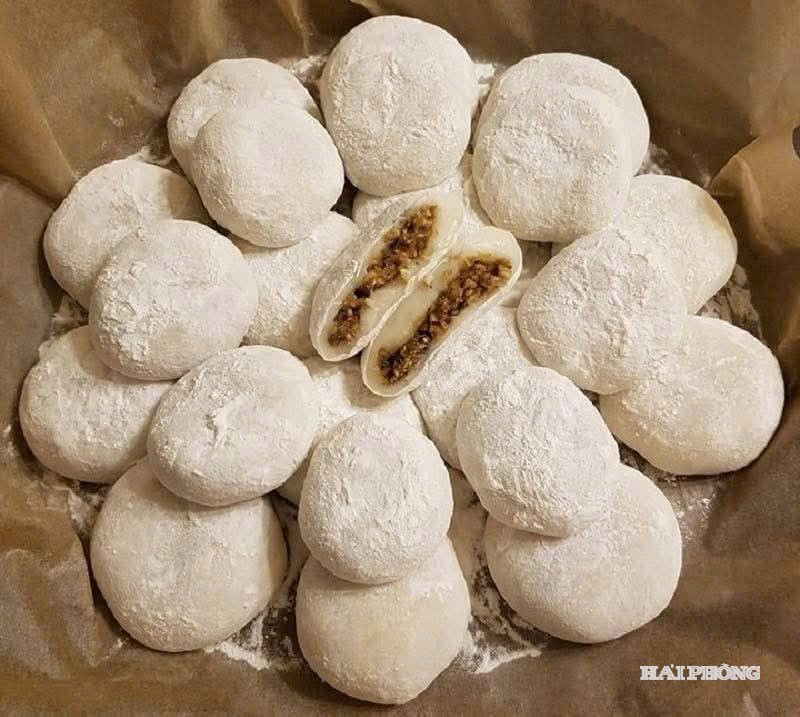
At Thanh Mai pagoda in Nguyen Trai Ward, members of the San Diu ethnic community continue the tradition of making Bac Dau cakes during festivals and the Lunar New Year as offerings to Buddha and their ancestors.
Covered with a fine layer of glutinous rice flour and filled with sweet peanuts and sesame, the small cakes symbolize family reunion, peace and gratitude toward one's ancestors. The tradition has been preserved by the San Diu community for generations.
As culinary tourism continues to grow in popularity, these distinctive local dishes are becoming effective ambassadors for Hai Phong. Visitors come not only to sample new flavors but also to gain a deeper understanding of the city, its cultural blending and the everyday lives of its people.
HA KIEN