
Gửi bình luận
With favorable natural conditions, modern golf course infrastructure and diverse connectivity, Hai Phong is seeing opportunities to strongly develop high-end sports tourism.
Many golf courses meet international standards
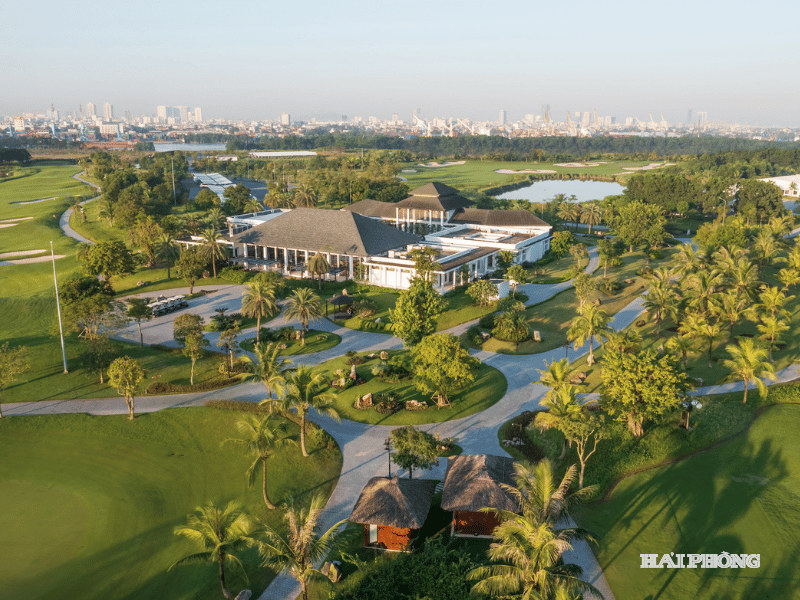
Hai Phong has a high-quality golf course system that ranks among the country’s leaders. The city is home to many golf courses that meet international standards. Each course features attractive landscapes, diverse terrain and integrated resort and dining services, forming an ecosystem that serves both professional golfers and travelers combining golf with relaxation.
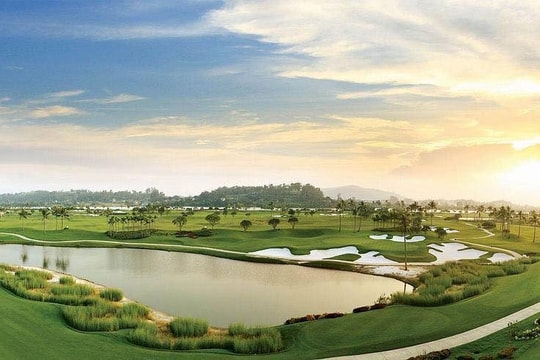
Among them, Dragon Golf Links, with its seaside terrain and long, wide fairways, has been selected multiple times by international golf organizations as the venue for major friendly tournaments, attracting large numbers of golfers from across Vietnam and overseas.
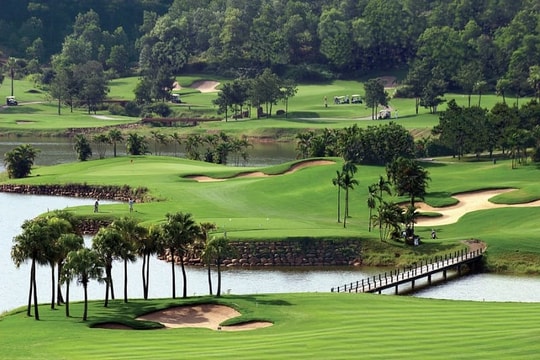
Vinpearl Golf Hai Phong on Vu Yen island has also become a familiar destination for many professional tournaments in the Northern region thanks to its unique terrain of large lakes interwoven with natural forest.
Beyond being competition venues, these two golf courses play an important role in drawing high-end tourists to Hai Phong year-round, especially visitors from South Korea, Japan and Singapore, markets with well-developed golf cultures.
Chi Linh Golf Course is also known as “the most challenging golf course in Vietnam,” with 27 holes. It has been listed among Asia’s must-play courses, famous for its demanding natural terrain of valleys and water hazards.
According to the Hai Phong Golf Association, the city welcomes an average of about 1,000 golfers on weekdays and 1,500 on weekends. The association has more than 2,000 members, not including large numbers of visitors from neighboring provinces and cities.
This demonstrates the strong demand and potential for expanding golf tourism in Hai Phong, not only serving domestic players but also attracting significant numbers of international tourists seeking new destinations.
Developing professional golf tours
Vi Quoc Tuan, Vice Chairman of the Vietnam Golf Association and Chairman of the Hai Phong Golf Association, said sustainable golf tourism development requires stronger linkages among government agencies, golf courses, travel companies and lodging providers.
Developing package products that combine golf with resort stays, spa services, local cuisine or heritage and island tours will create complete and appealing itineraries, helping extend visitor stays and increase spending. “We hope the city will connect businesses. With a professional and synchronized product chain, Hai Phong will not only attract golfers but can also host annual international tournaments, building its brand as one of the region’s leading golf destinations,” said Tuan.
To realize its goal of becoming an international marine tourism hub under Resolution 45 of the Politburo, Hai Phong is focusing on building and developing golf tourism products.
According to the master plan, the city will develop two major golf course projects: the new urban area and Lien Hong Golf Course project covering around 126 ha, of which more than 82.38 ha are reserved for the golf course and green park, with the main product being an 18-hole golf course integrated with a new urban area; and the Sakura Hai Phong Golf Course and Resort project covering more than 82 ha, including an 18-hole international-standard golf course, resort villas, shophouses, apartments and a hotel.
In addition, several other golf course projects have also been approved, reflecting Hai Phong’s efforts to expand its golf course supply and develop golf-resort tourism.
With two world heritage sites and upgraded tourism infrastructure, Hai Phong also has advantages in linking golf tourism with high-end resort services.
According to the Department of Culture, Sports and Tourism, the city will orient golf tourism development in connection with MICE tourism, beach resort tourism, Cat Ba ecotourism and cultural-spiritual tourism, forming a diverse tourism ecosystem that enhances competitiveness and creates a distinct identity for the coastal city.
TUAN LINH