



Gửi bình luận
Cooperation between Hai Phong and APEC economies has expanded in investment, production and logistics, with a focus on sectors that align with the city's strengths.
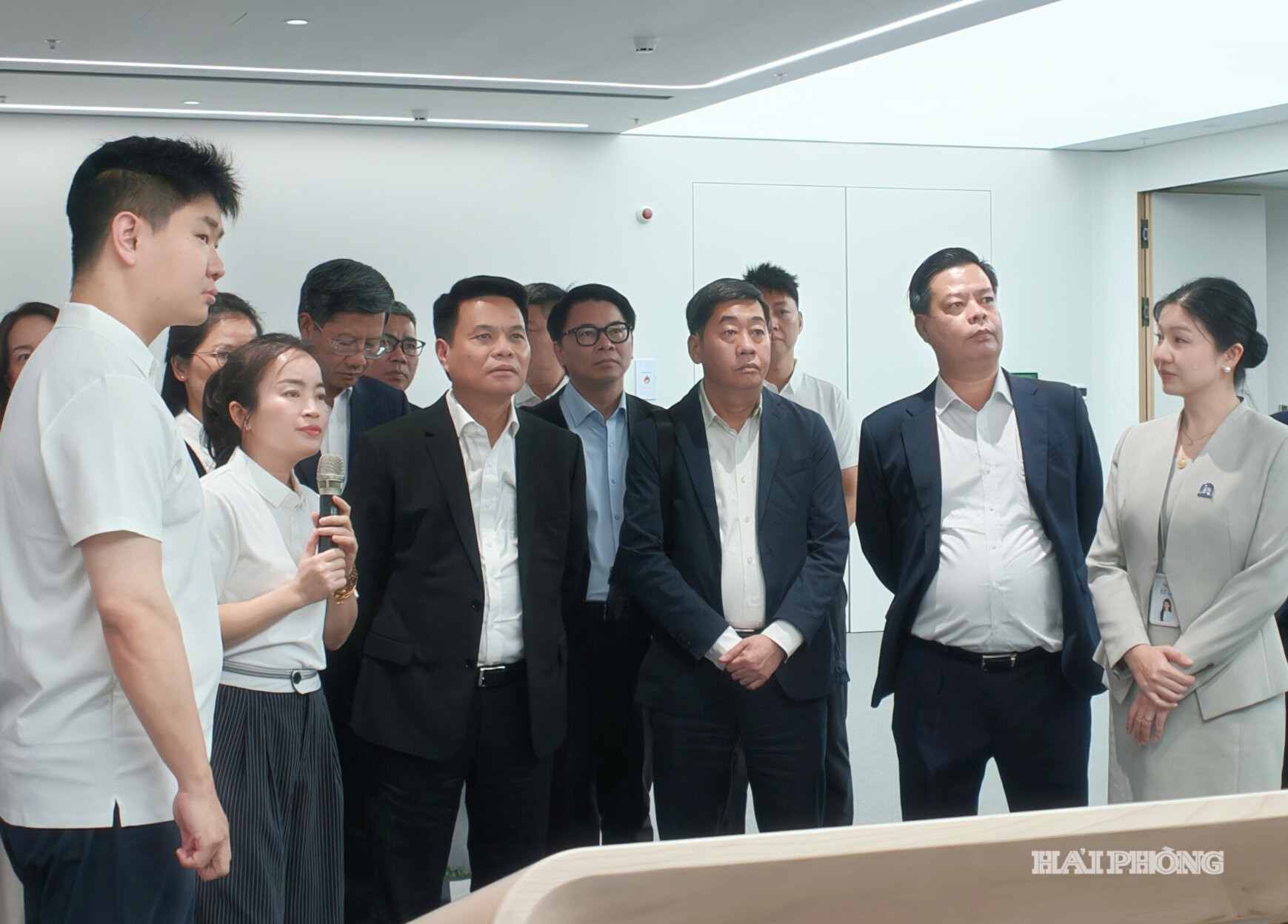
APEC investors expand operations in Hai Phong
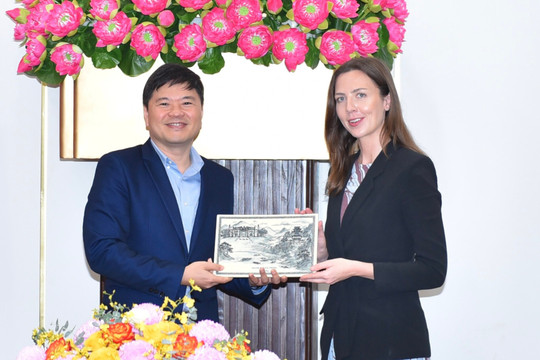
Recently, as part of the official visit to China by a high-level Vietnamese delegation led by Party General Secretary and State President To Lam to attend the 33rd APEC Economic Leaders' Week, Le Ngoc Chau, Member of the Party Central Committee, Secretary of the Hai Phong Party Committee and Head of the Hai Phong National Assembly Delegation, led a city delegation in meetings with Biel Crystal Corporation in Huizhou and Autel Corporation in Shenzhen, both in Guangdong Province.
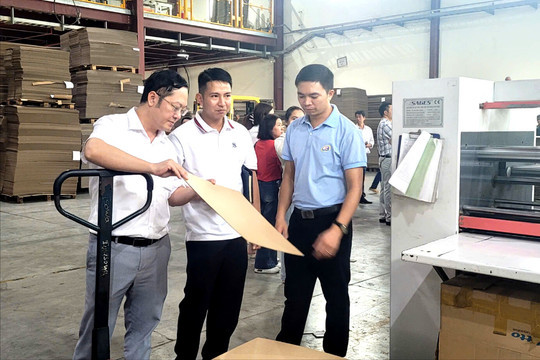
Biel Crystal and Autel are running six projects in Hai Phong, with total registered capital of more than USD 640 million.
At the meetings, Secretary of the Hai Phong Party Committee Le Ngoc Chau acknowledged the companies' investment, production and business achievements, and called on the corporations to continue expanding their operations while linking manufacturing with technology transfer, automation and technical workforce training.
The city also expressed its hope that the companies would develop domestic suppliers, strengthen cooperation with supporting-industry enterprises in Hai Phong and introduce more partners to explore investment opportunities.
China is one of APEC's 21 member economies and a major investment partner of Hai Phong. As of November 14, 2026, Chinese investors had 823 projects in the city, with total registered capital exceeding USD 13.2 billion.
Alongside South Korea, Japan and Singapore, China is among the APEC partners with investment in Hai Phong amounting to tens of billions of US dollars.
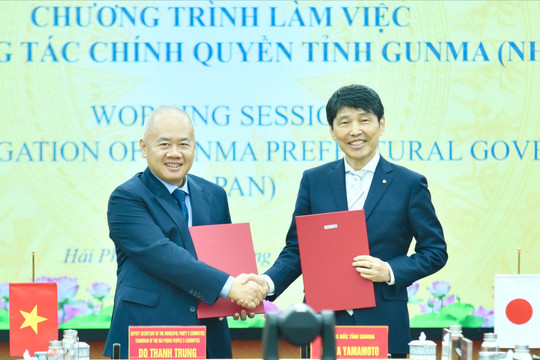
These partners have contributed to the development of industry and electronics and expanded cooperation across various sectors. Singapore focuses on seaports and logistics, including a project to jointly develop container terminals at Lach Huyen. South Korean businesses have made substantial investments in electronics and automotive components, while also establishing training and recruitment links with the city's educational institutions. Japan has stepped up cooperation in business connectivity, training, environmental protection and green growth.
As a result, cooperation between Hai Phong and APEC economies continues to expand, extending beyond investment and manufacturing to meet the city's needs in infrastructure, technology and human resource development.
Targeted investment promotion
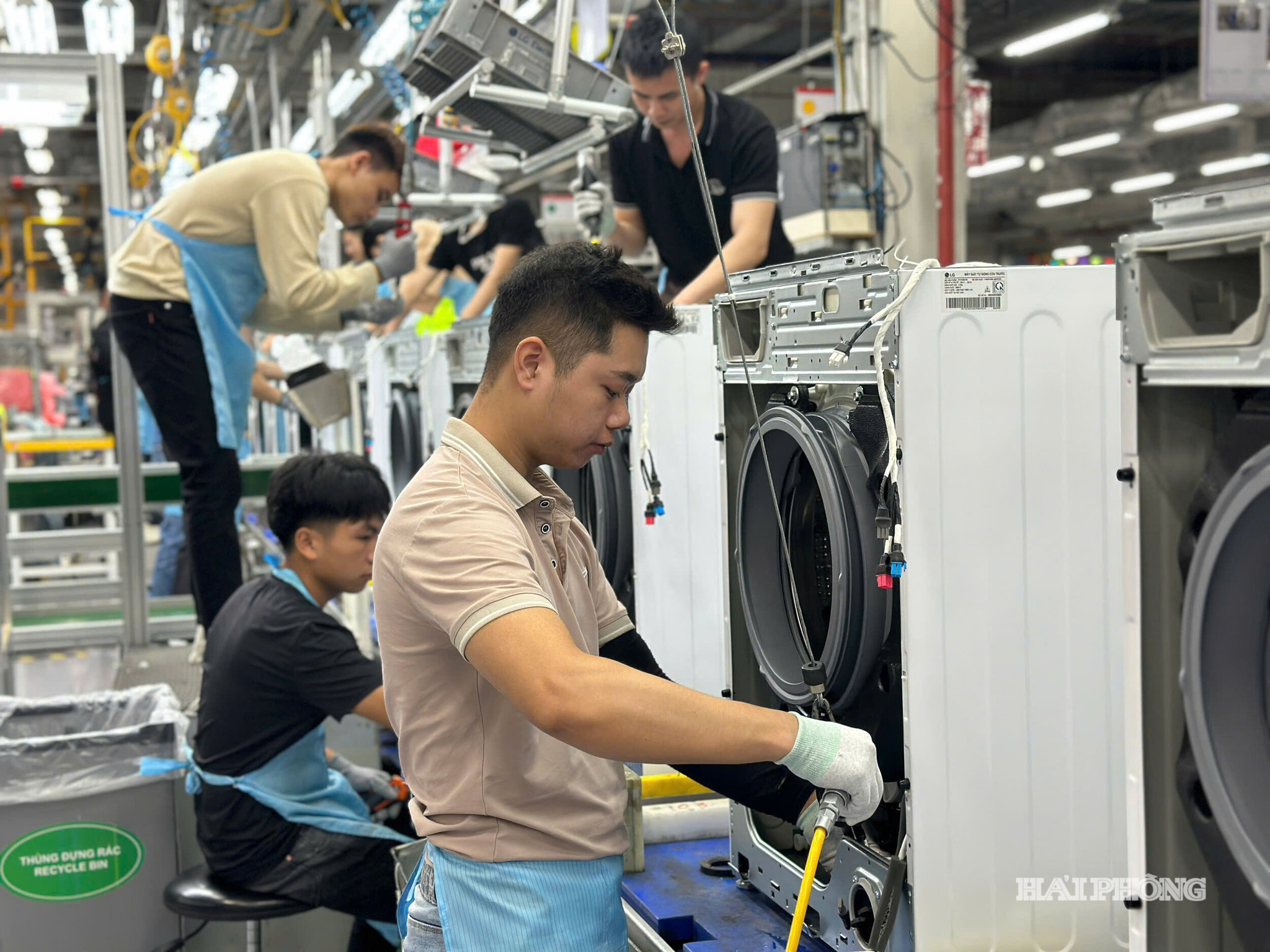
Hai Phong currently has more than 1,800 FDI projects from 44 countries and territories, with total registered capital exceeding USD 51 billion. By November 14, 2026, the city had attracted more than USD 4.19 billion in FDI since the beginning of the year. The FDI sector accounts for approximately 84% of the city's export turnover, underscoring its important role in the city’s manufacturing and economic growth.
In 2025, Hai Phong hosted the third meeting of the APEC Business Advisory Council (ABAC III), creating greater opportunities to connect with the regional business community. At an investment promotion conference held on the sidelines of the event, the city granted investment registration certificates to 32 projects and signed seven memoranda of understanding, with total registered and committed capital exceeding USD 15.6 billion.
Looking ahead to 2027, Hai Phong has identified Japan, South Korea, China and Taiwan (China) as priority markets for investment promotion. These are all APEC member economies with investment and manufacturing operations in the city. Clearly identifying priority markets and sectors will enable Hai Phong to take a more proactive approach to cooperation, anticipate emerging industries and meet local development needs.
At a recent meeting with the city, Deputy Prime Minister Nguyen Van Thang acknowledged and commended Hai Phong's achievements, highlighting its growth, production and investment attraction indicators. According to the Deputy Prime Minister, these results affirm the city's position as an industrial, seaport and logistics hub, as well as investors' confidence in its business environment.
He called on Hai Phong to selectively attract projects in high technology, semiconductors, electronics, green and clean industries, and supporting industries. The city should also ensure that its economic zones, industrial parks and Free Trade Zone develop in a complementary manner, making the most of its seaport, logistics and regional connectivity advantages.
These are important orientations for Hai Phong to enhance cooperation with APEC partners, link investment attraction with the development of manufacturing capacity, and increase the participation of domestic enterprises in supply chains.
LE HIEP