
Gửi bình luận
Located at 61 Ly Thuong Kiet Street in Hong Bang Ward, Gao Alley was once a key link in the Party's overseas liaison network, receiving some of the earliest revolutionary documents sent back to Vietnam in the late 1920s.
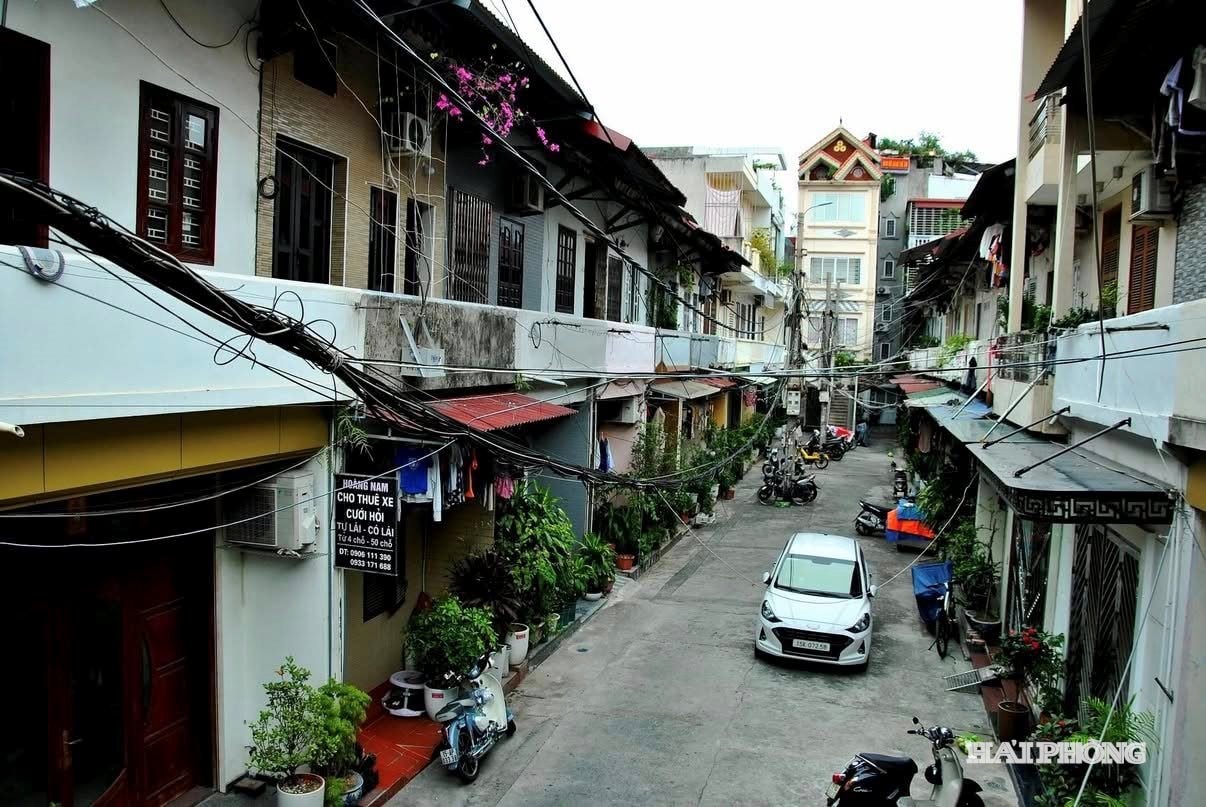
Few people know that the narrow alley, long known locally as Gao Alley, played a role in Vietnam's revolutionary history as one of the first locations to receive some of the first documents sent by Nguyen Ai Quoc from overseas and secretly brought into Vietnam through Hai Phong Port.
Over more than a century of urban development, Hai Phong has preserved many street and alley names that reflect the distinct character of the port city. These place names reflect stories of local life, culture and important periods in the city's history. Gao Alley is one such example.
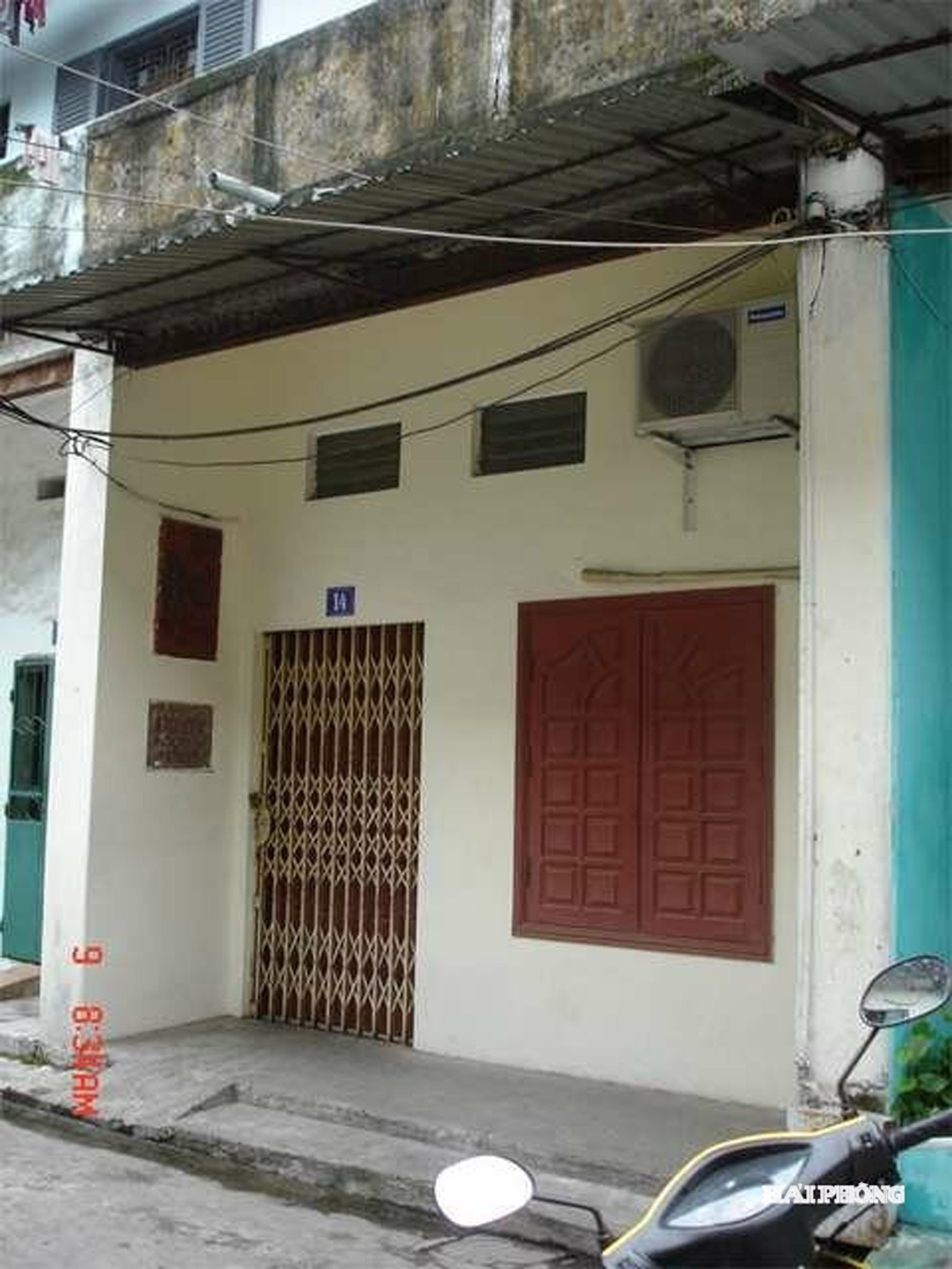
According to historical records of the Hai Phong Party Committee, House No. 14 in Gao Alley, now No. 14, Alley 61, Ly Thuong Kiet Street, served as an overseas liaison base for the Party in the late 1920s. It was among the first sites to receive copies of Duong Kach Menh and Thanh Nien newspaper.
In 1927, Nguyen Luong Bang, a revolutionary, organized a network to transport revolutionary documents from overseas to Vietnam through Hai Phong Port.
At a time when French colonial authorities tightly controlled maritime activities and international trade, maintaining a secret liaison network was particularly important to Vietnam's early revolutionary movement.
From House No. 14 in Gao Alley, copies of Duong Kach Menh, Thanh Nien newspaper and other materials were stored, reproduced and secretly distributed to localities across the country. These documents helped spread Marxist-Leninist thought, encouraged workers' movements and laid the ideological and political groundwork for the establishment of the Communist Party of Vietnam in 1930.
Gao Alley was not the only site of its kind. During the same period, Hai Phong was home to several other liaison bases, including bases in Cat Dai Alley, the Chan My Lau teahouse in Cau Dat and an attic at 174/172 Le Loi Street. These locations formed part of the Party's overseas liaison network, receiving and forwarding revolutionary materials from abroad to Vietnam.
In recognition of its historical significance, House No. 14 in Gao Alley was designated a National Historical Relic Site by the Ministry of Culture in 1986.
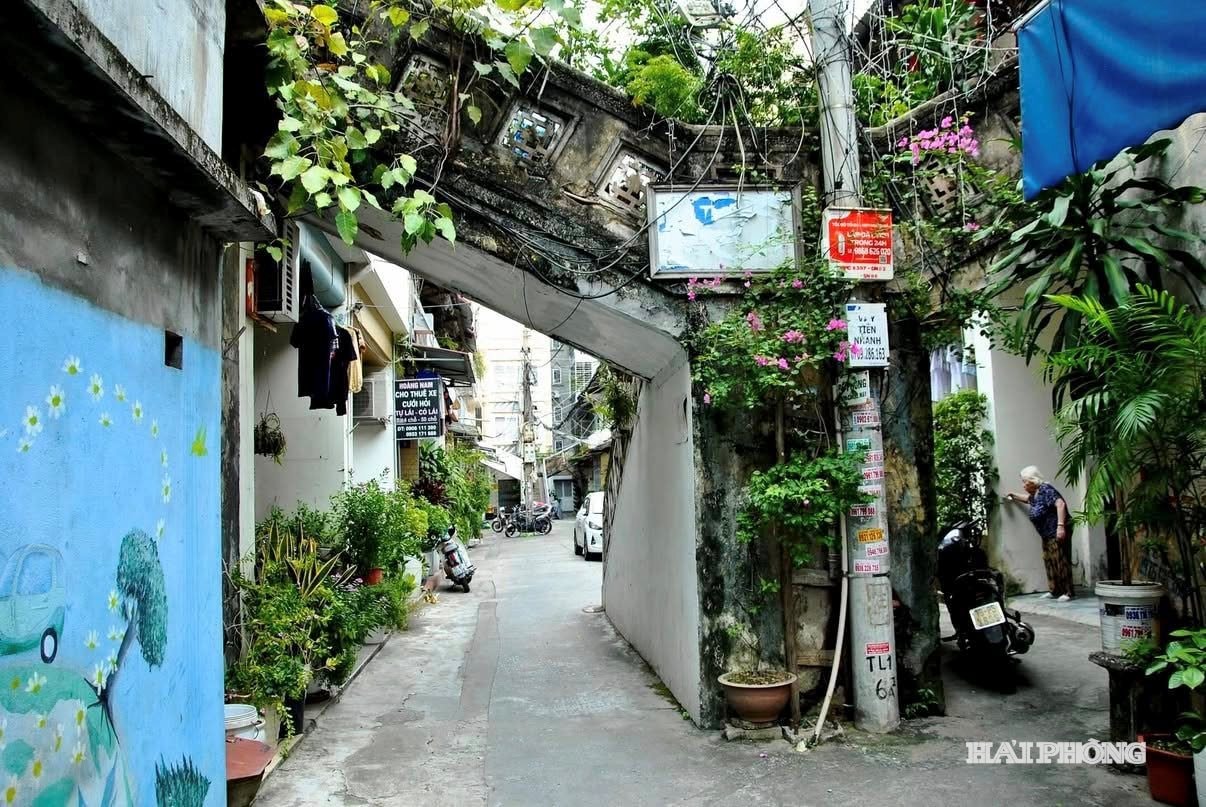
Beyond its historical value, the Ly Thuong Kiet Street - Gao Alley area retains many architectural features of old Hai Phong. French-style balconies and the slower pace of life in the city center reflect the port city's urban landscape of the early 20th century.
Amid the rapid development of today's port city, Gao Alley remains a reminder of the past. The narrow alley recalls a period of hardship and struggle, as well as Hai Phong's role in spreading revolutionary thought in Vietnam in the early decades of the 20th century.
Hai Phong News