
Gửi bình luận
From murals in residential areas to monuments and reliefs in large public spaces, artworks are adding more colors to Hai Phong's urban landscape.
Bringing public spaces to life
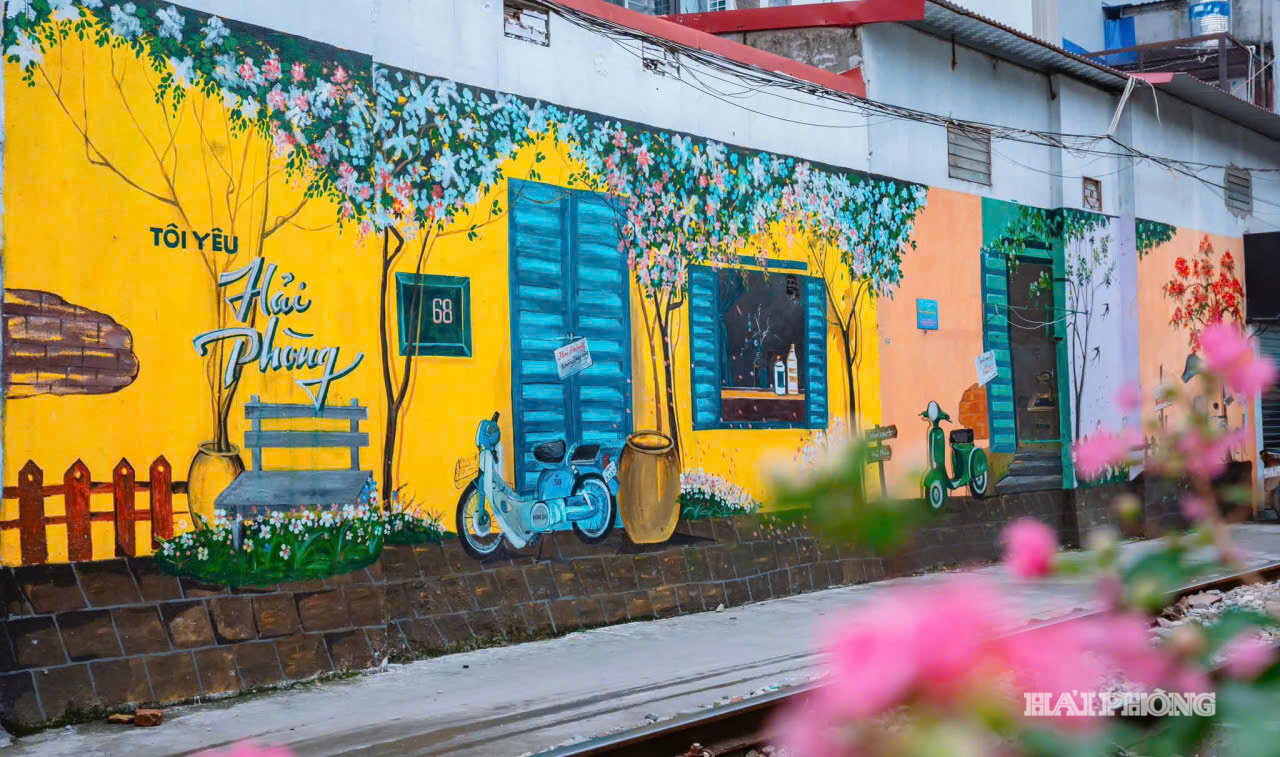
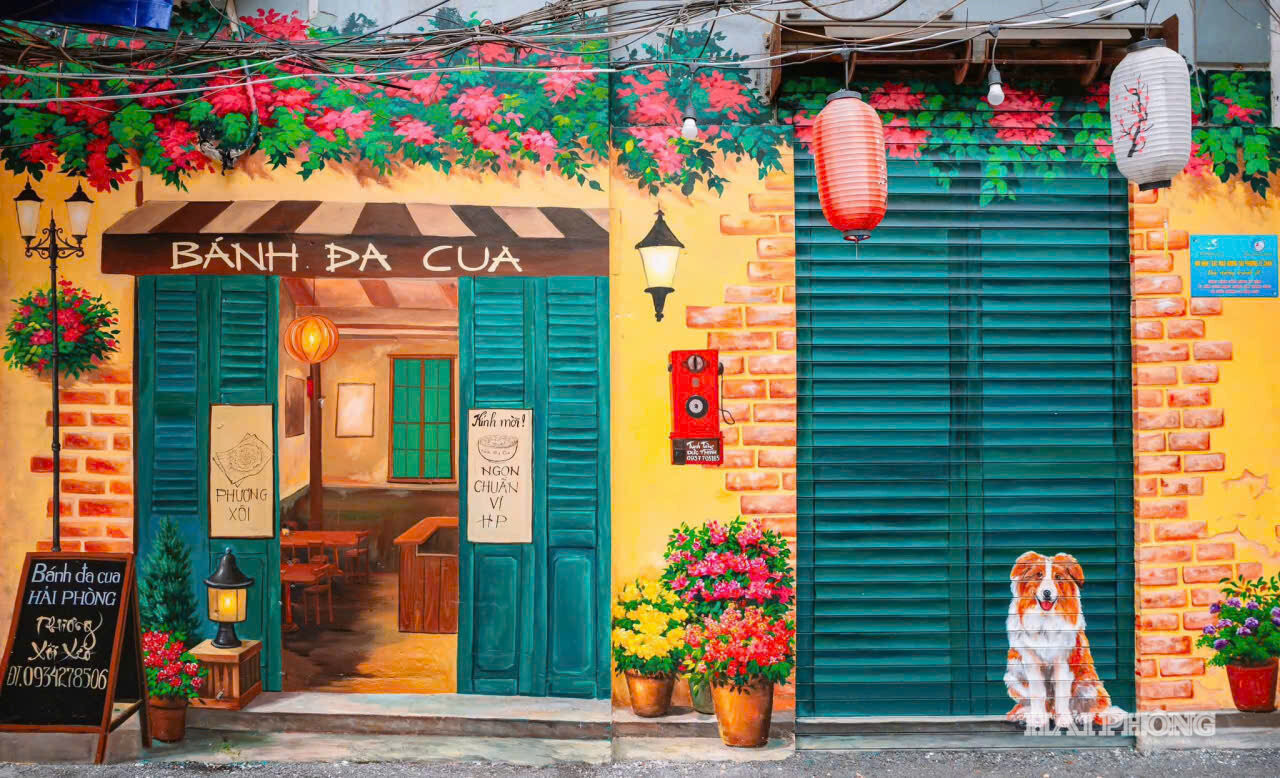
Recently, the Women's Union of Le Chan Ward has held a ceremony to put nameplates on murals under the “Colors of the railway in Le Chan Ward” model. Blank walls along residential areas were transformed with colors and images, beautifying the landscape while adding highlights along the streets.
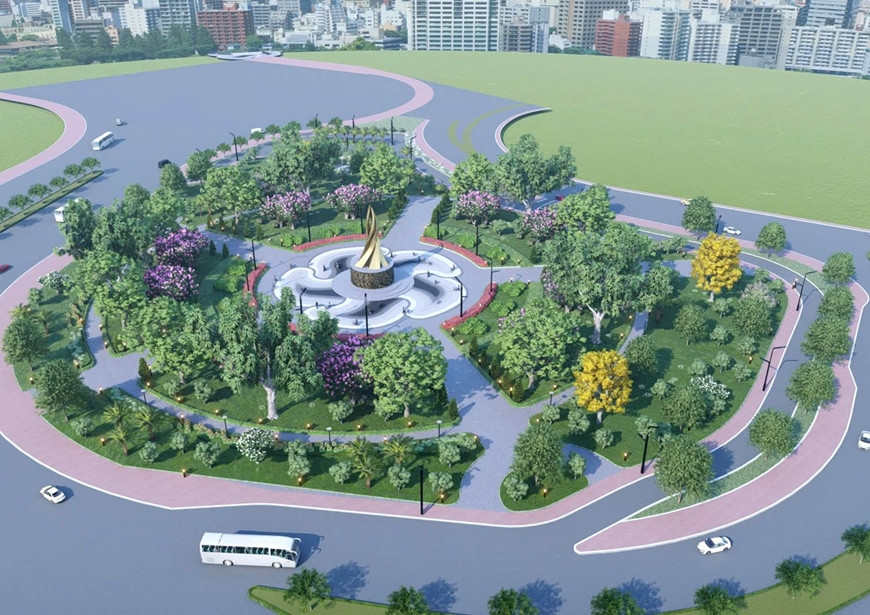
The Cat Bi Victory Monument Park is being built on a 2.68-hectare site in the area of Cat Bi International Airport, with total investment of nearly VND 120 billion. The 14.4-m-tall monument is expected to become an architectural highlight. Located right at the airport gateway, the project not only commemorates a historical event but also helps introduce the city's image to visitors.
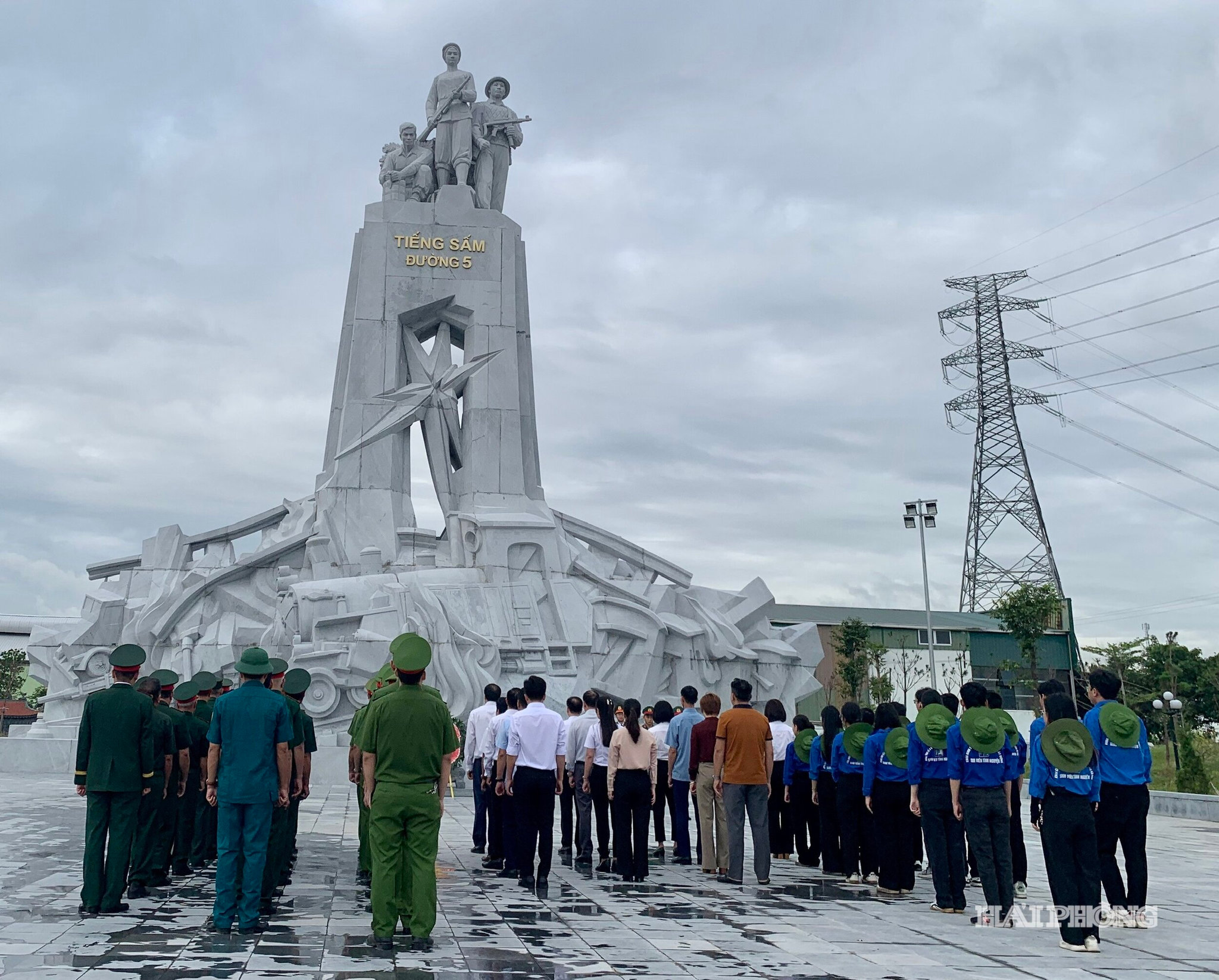
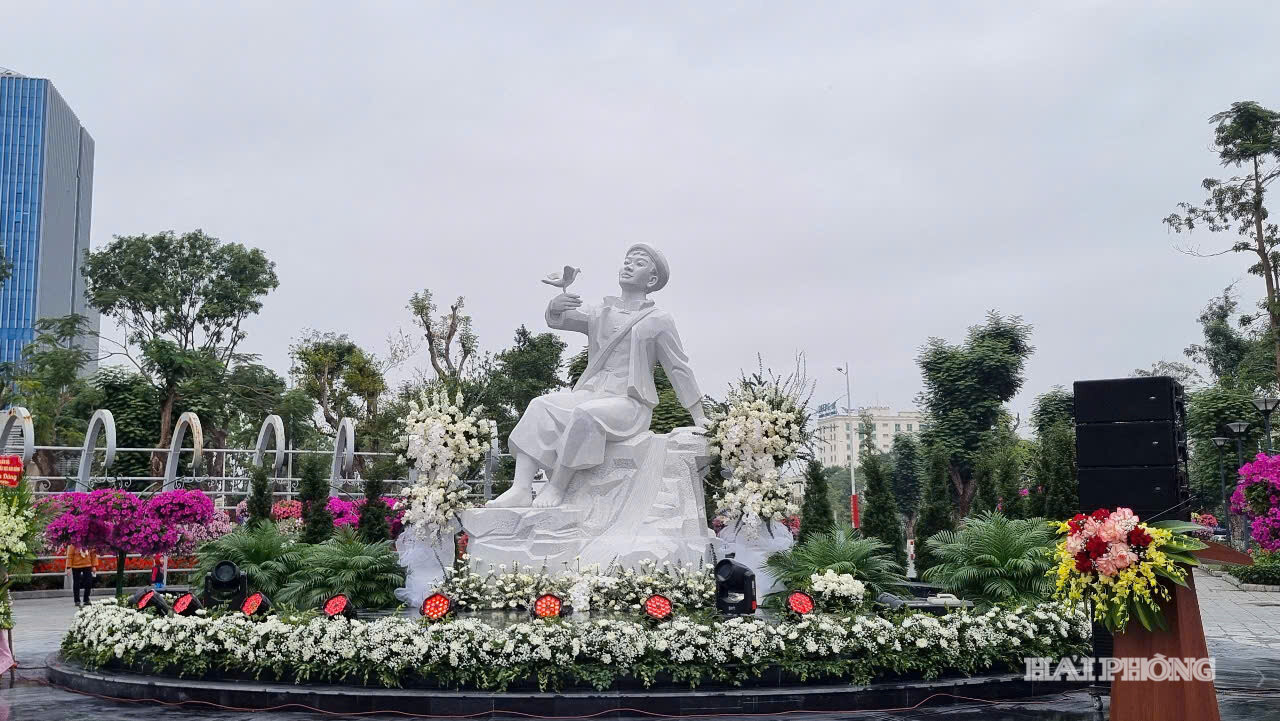
The city currently has the Le Chan Female General Monument, the Ho Chi Minh Monument, and works associated with Trang Trinh Nguyen Binh Khiem, Tran Hung Dao, Nguyen Duc Canh and Kim Dong, as well as the “Thunder on Route 5” monument and numerous sculptures, reliefs and murals. Most of these works are associated with history and culture or contribute to improving the urban landscape. This also provides a foundation for the city to further diversify forms of artistic expression, bringing art closer to everyday life and the characteristics of individual spaces.
Painter Nguyen Lan Huong, a member of the Vietnam Fine Arts Association's Hai Phong chapter, said public art does not necessarily have to be associated with a particular person, event or historical story. Many familiar images of the city, if viewed from a different perspective and transformed through an appropriate artistic language, can also become works closely connected to the city's spaces and everyday life.
Finding a distinctive artistic language
Seaports, rivers and waterways, industry, bridges, islands and sea, urban architecture, the lives of workers... are images often mentioned when talking about Hai Phong. However, incorporating these images into artworks is not simply about adding another ship or erecting another symbol; it is about capturing the beauty of the port city.
Architect Nguyen Minh Tri, Vice Chairman of the Hai Phong Association of Architects, said artists need to study more deeply the spirit, character and urban memories of Hai Phong, then transform them into forms, colors, materials, light and contemporary modes of expression. According to him, steel, industrial components, cables, containers, the sounds of the seaports and images of waves and water can all become artistic materials, rather than directly reproducing ships or port facilities.
Painter Nguyen Lan Huong said a work in a public space should first and foremost be connected to the place where it is located, create an experience for residents and have its own identity. “New does not necessarily mean good; more importantly, the work should suit the space and help residents recognize some of the characteristics of the place where they live. If it could be placed in another city and still fit, it would be difficult for the work to create a connection with that particular space,” said Huong.
These perspectives suggest a broader approach to public art projects in the coming years. The city can continue to draw on familiar materials and images but express them in diverse ways suited to different spaces and urban life. In this way, each work will not only beautify spaces but also help portray a Hai Phong that is diverse, dynamic and rich in identity today.
HA LINH