With an inland waterway network stretching nearly 2,700 km, Hai Phong has significant advantages in developing freight transport and logistics services.
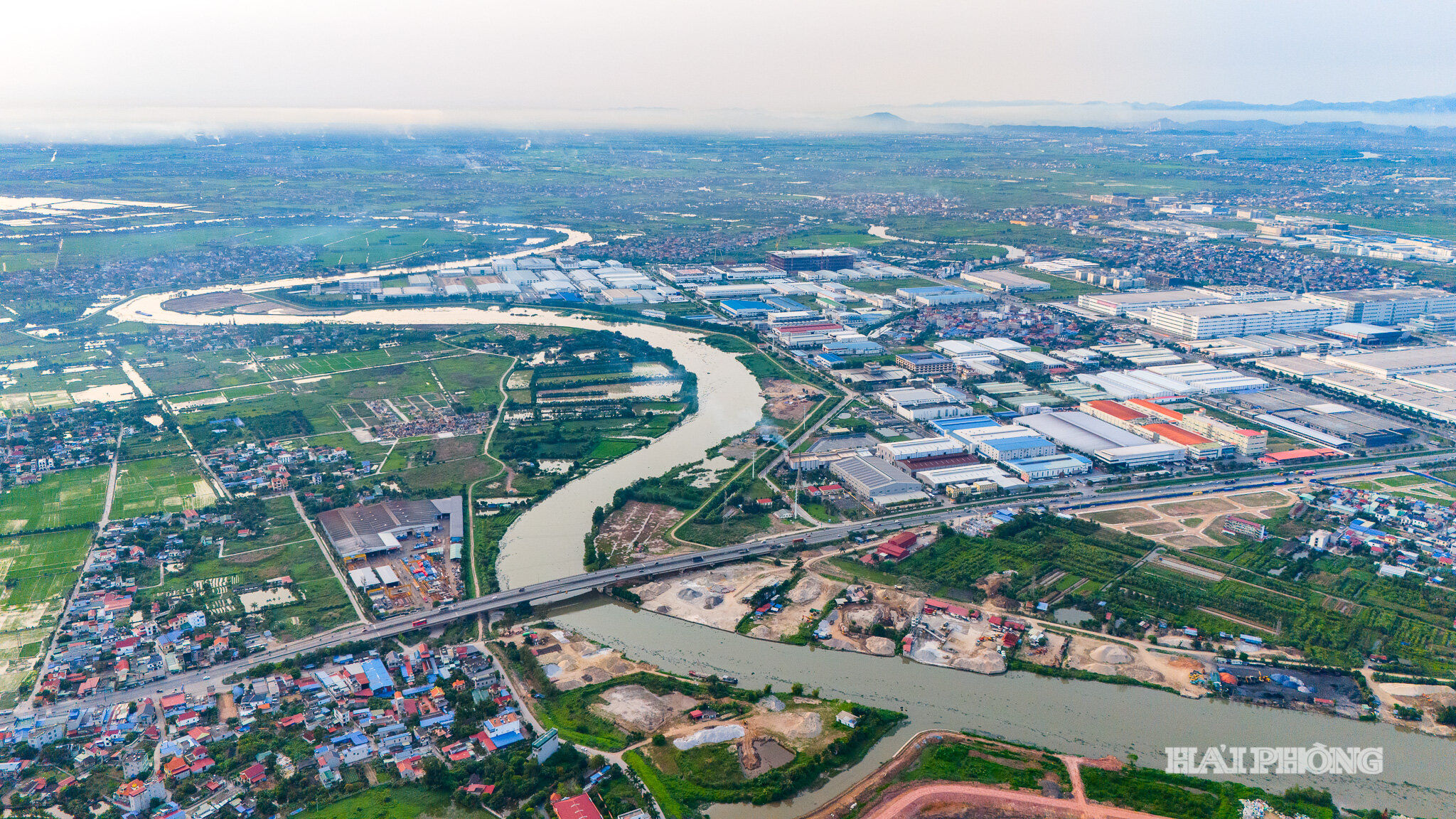
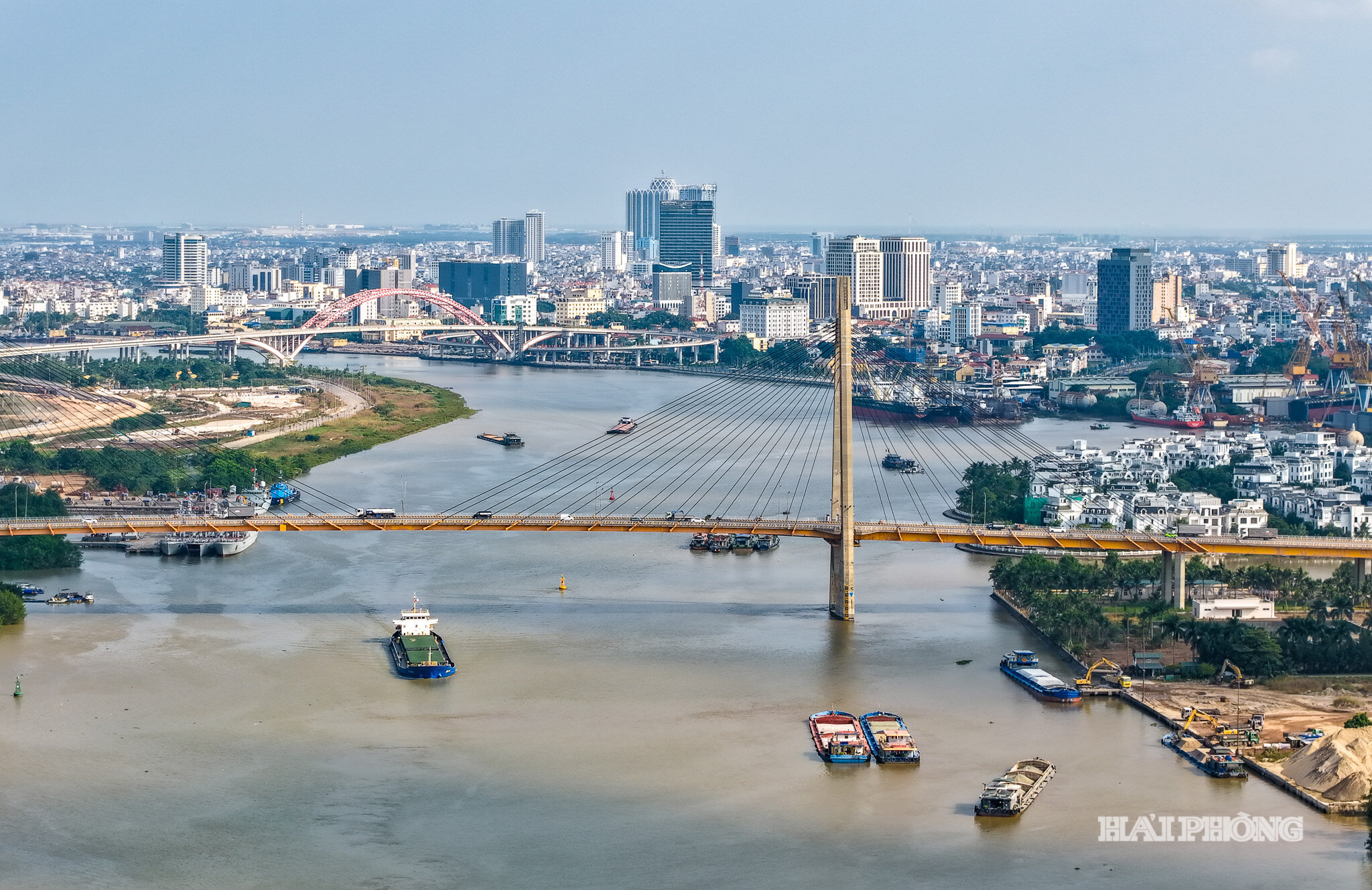
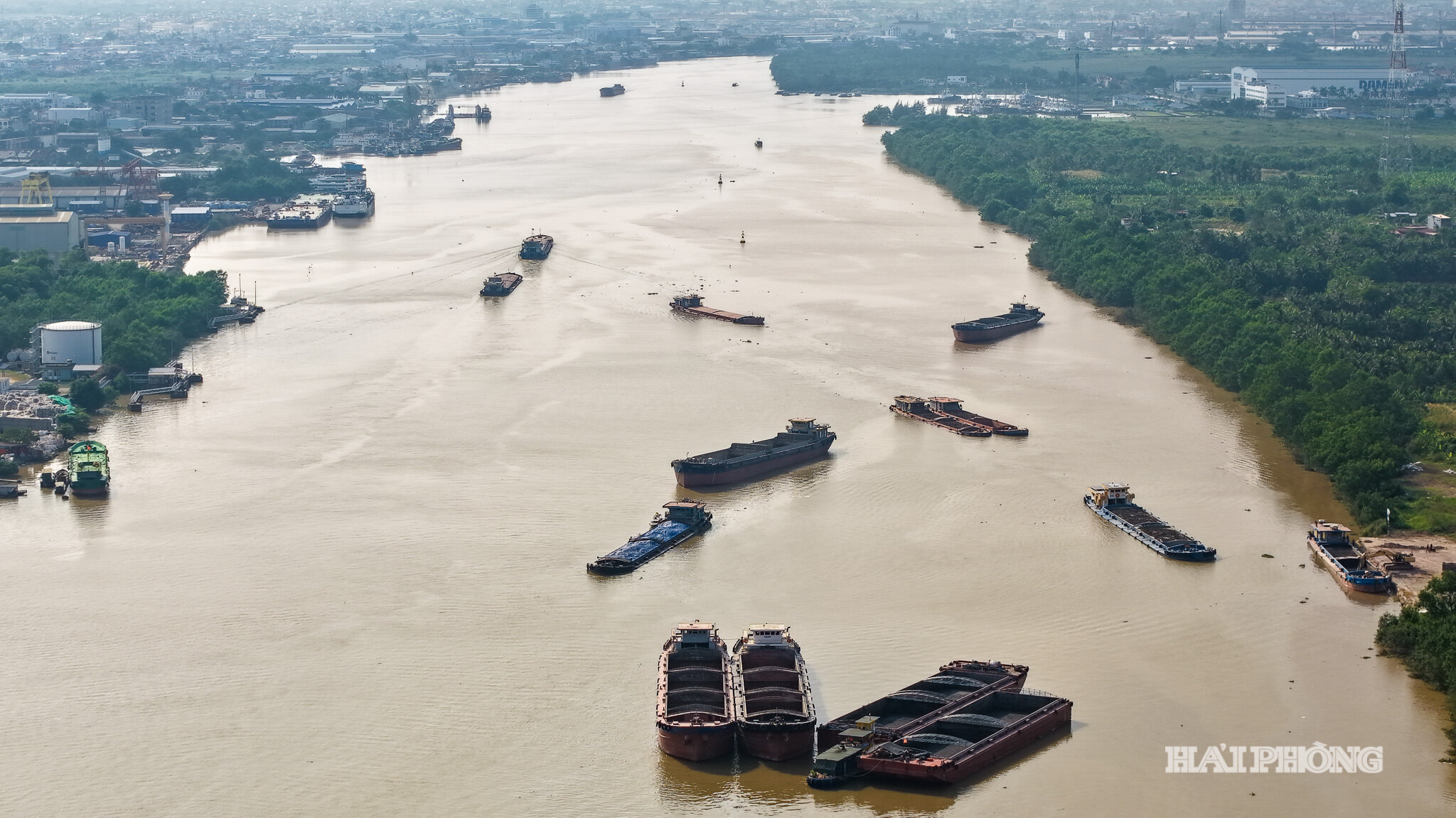
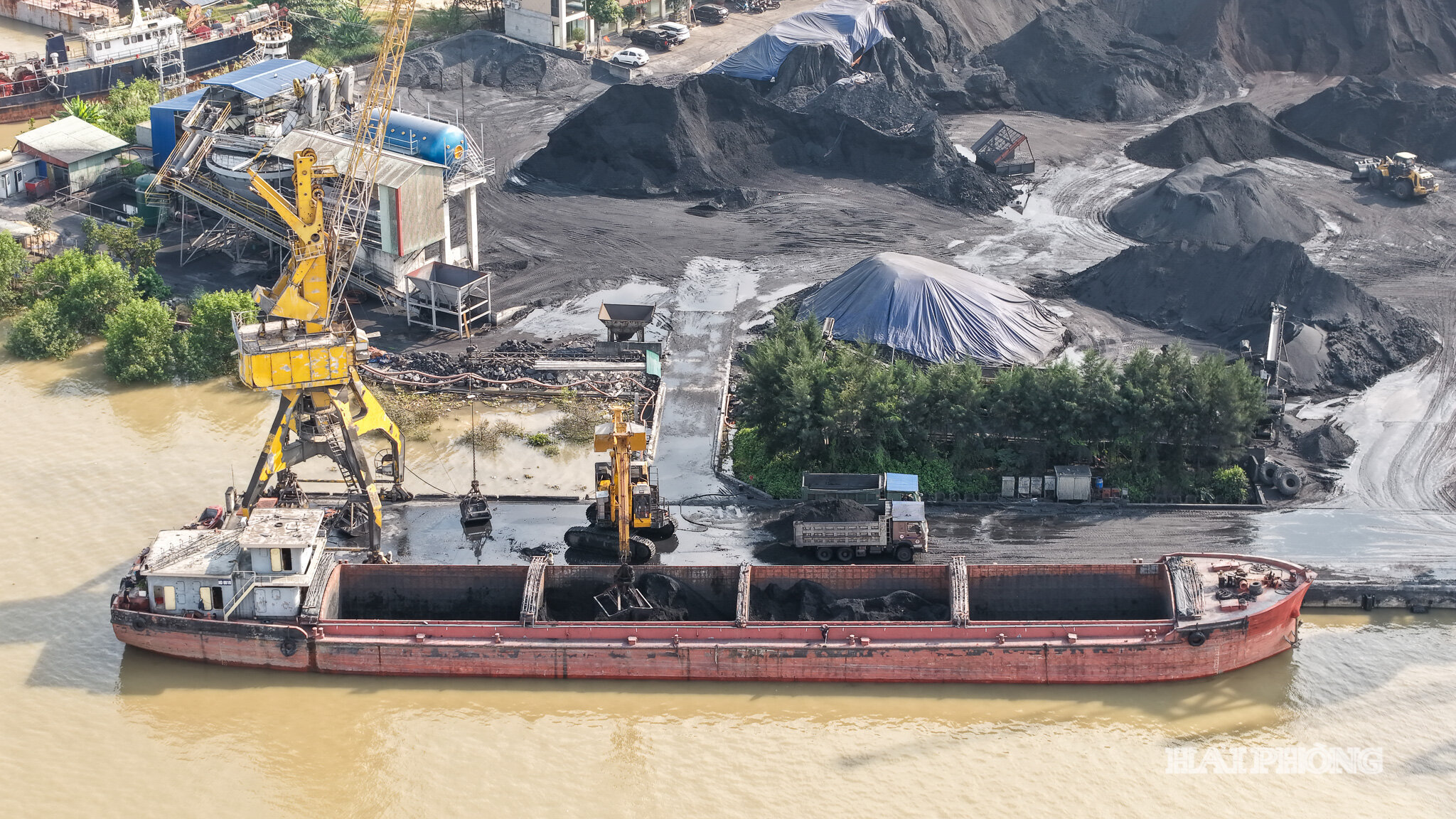
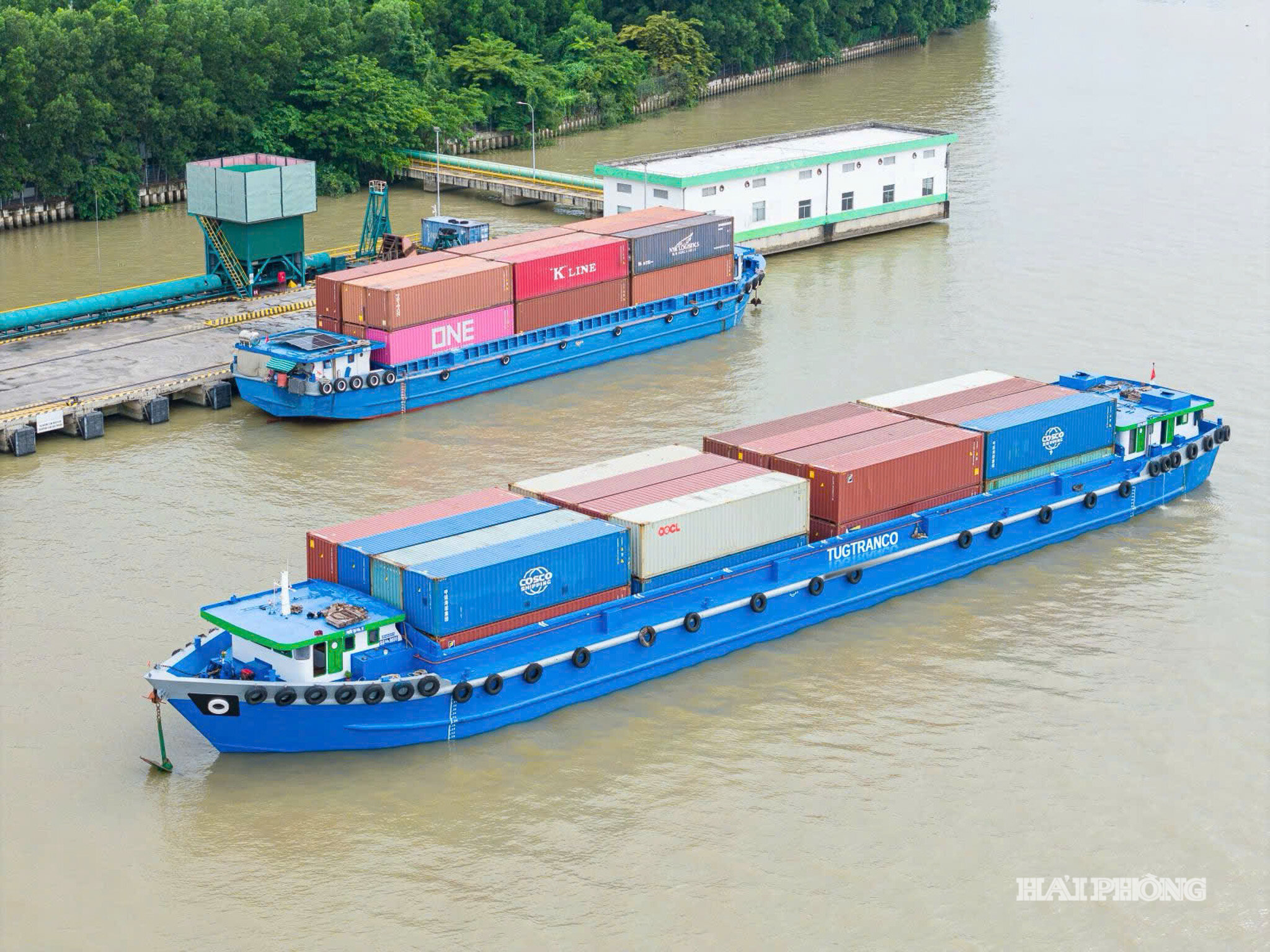
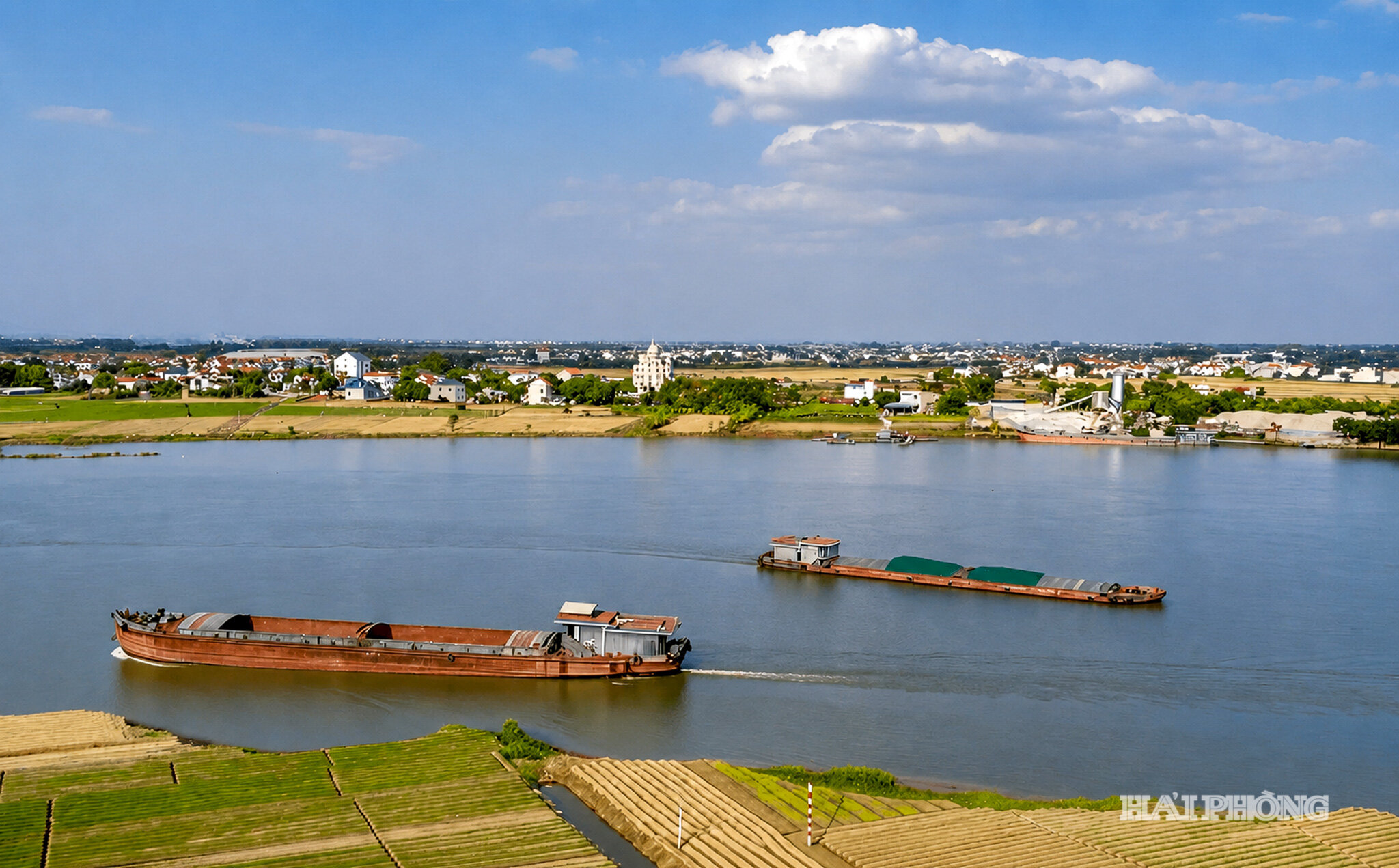
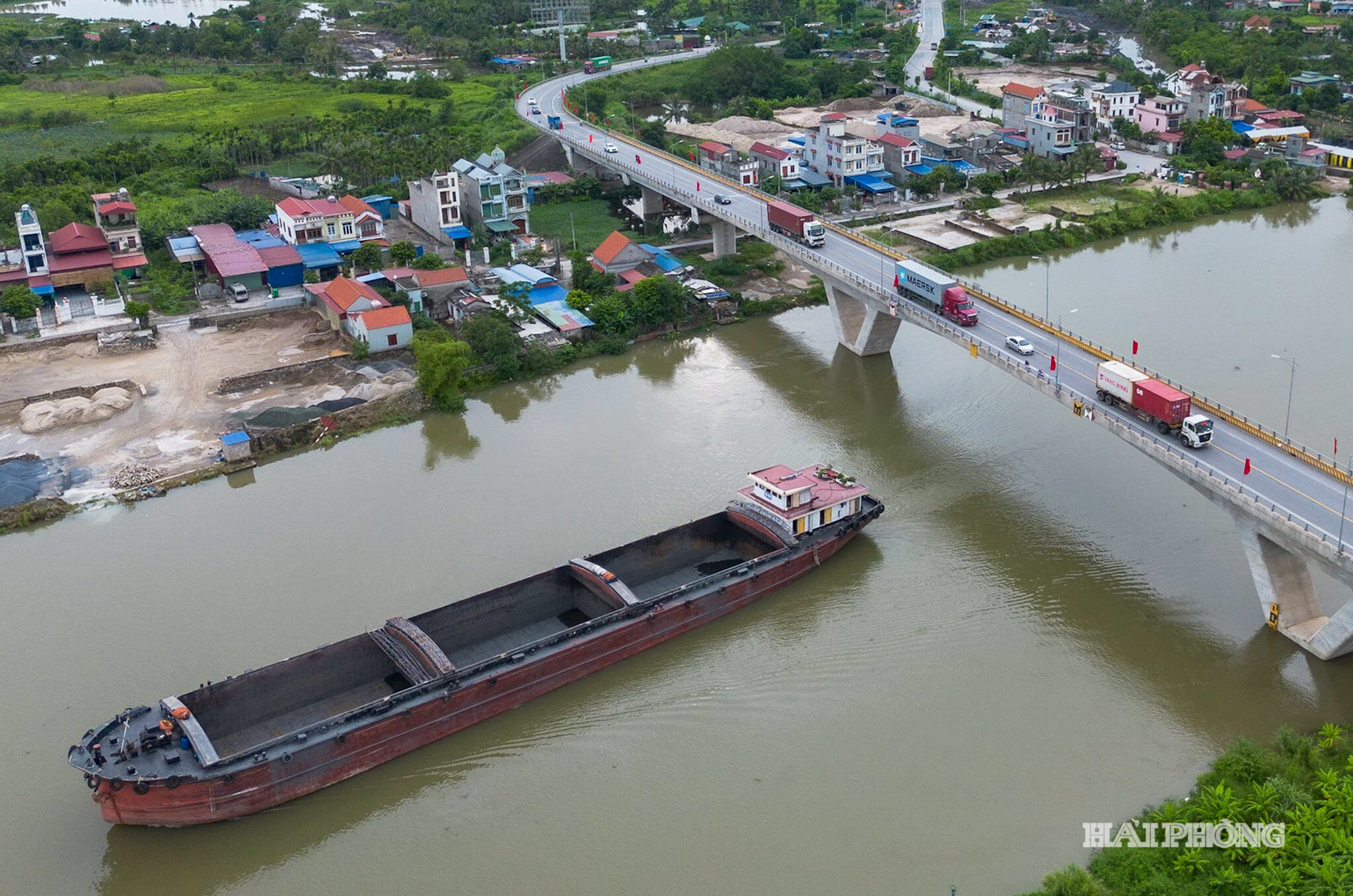
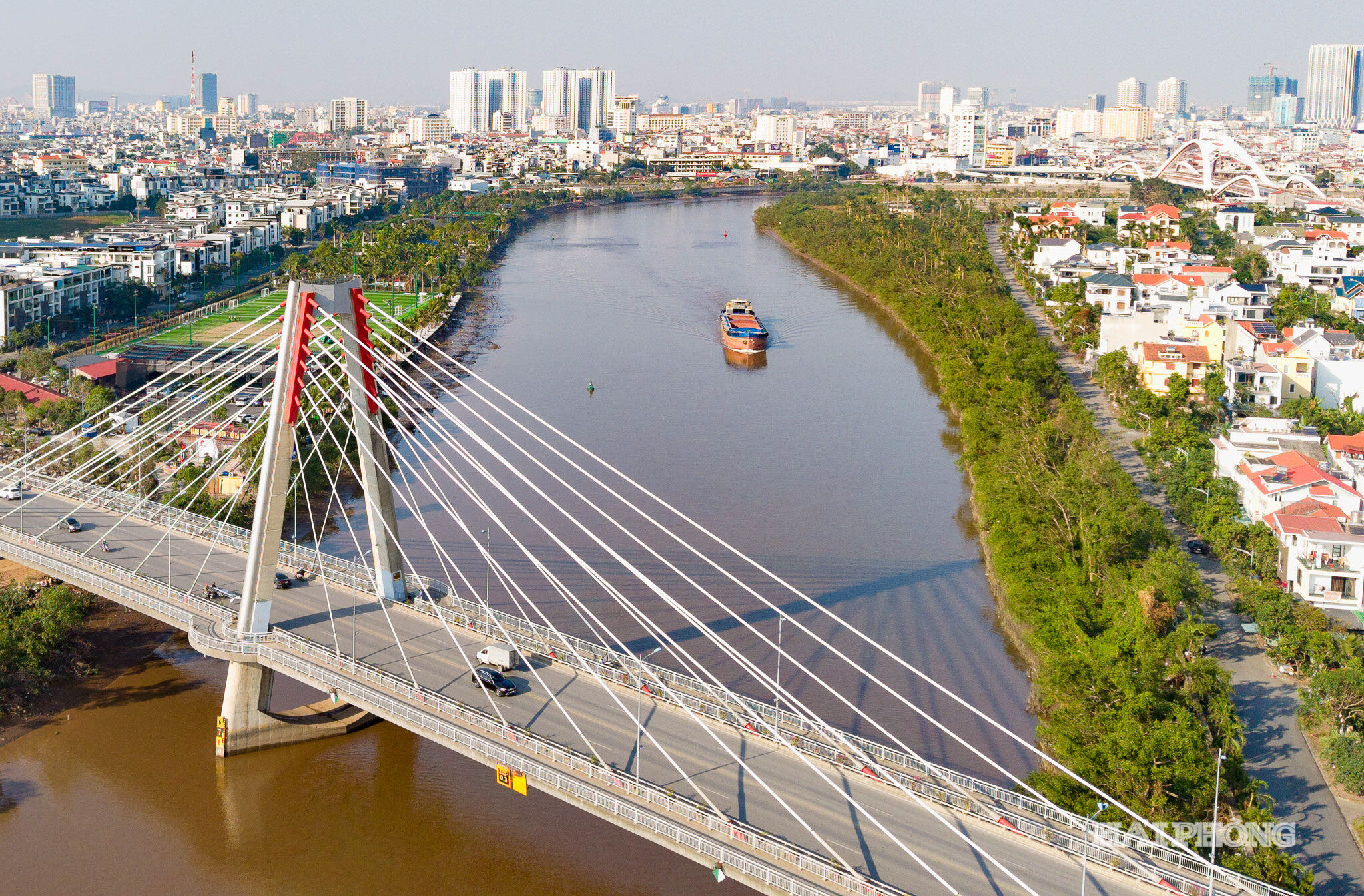
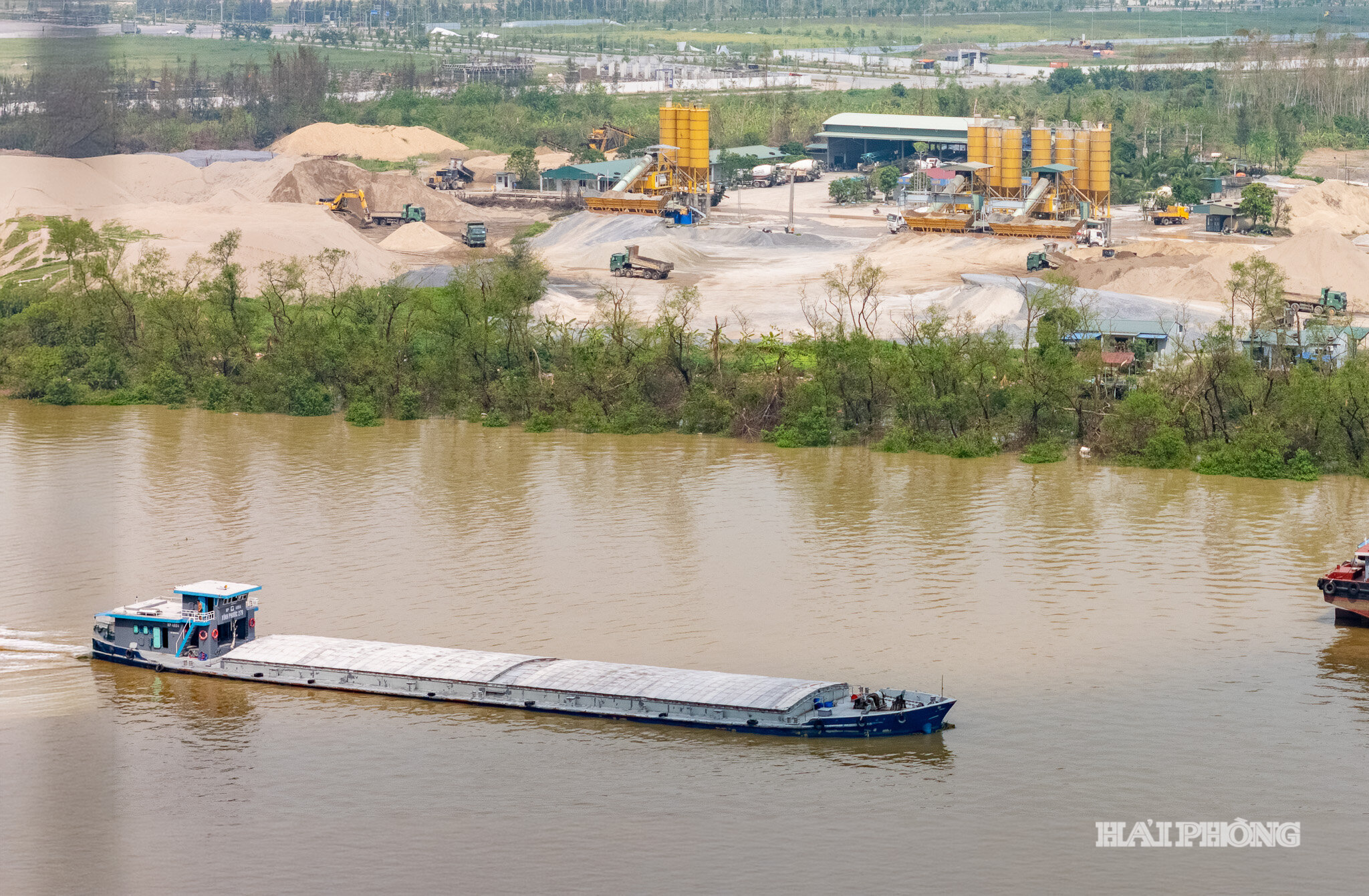
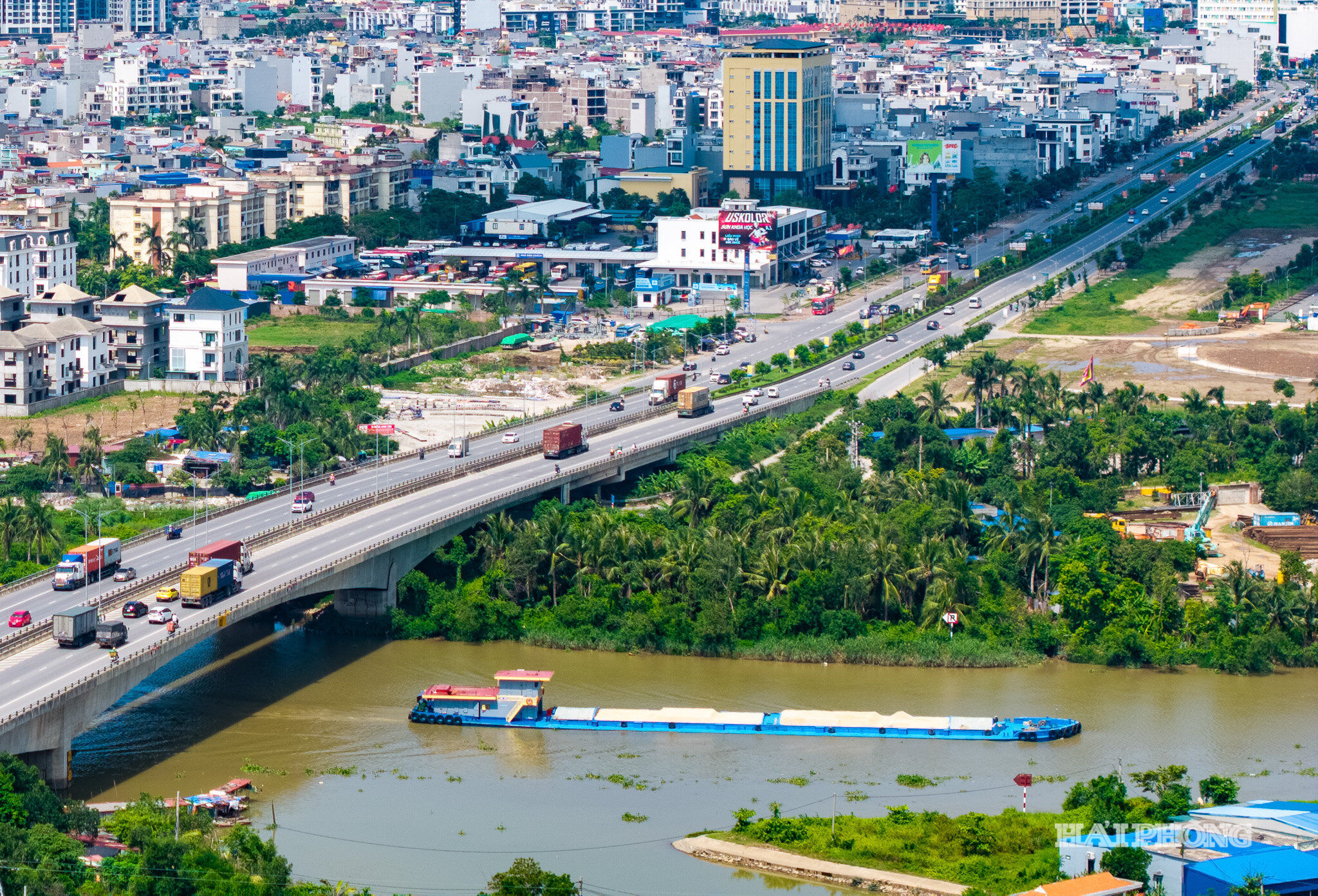
Following merger, Hai Phong has an extensive waterway network connecting production areas and industrial parks with its seaport system. Along Cam, Kinh Thay and Lach Tray rivers, cargo ships and barges travel back and forth every day, linking ports, wharves, industrial parks and production areas. In the photo: The Lach Tray River section running past Tram Bac Bridge and Trang Due Industrial Park.Cargo ships and barges navigate the Cam River, an important waterway connected to Hai Phong’s seaport system.A steady stream of waterborne vessels travels along the Cam River, transporting goods between ports, wharves and production areas.Cargo handling operations at inland waterway terminals along the Cam River help connect waterborne and road transport.Container barges help connect the deep-water port area of Lach Huyen with inland ports and wharves across the city.Ships and barges transport raw materials and bulk cargo along the Kinh Thay River, supporting industrial production, construction and the movement of goods between localities.Upgrading waterways and improving bridge clearance are essential to unlocking the full potential of waterborne transport. In the photo: A barge passes under Dinh Bridge on the Kinh Thay River.Cargo ships and barges transport goods along the Lach Tray River, a waterway closely linked to Hai Phong’s urban landscape and economic activities.The continuous flow of cargo along the rivers helps sustain freight transport in the port city.Around the clock, the waterways remain busy with freight transport, contributing to promoting Hai Phong’s economic development.