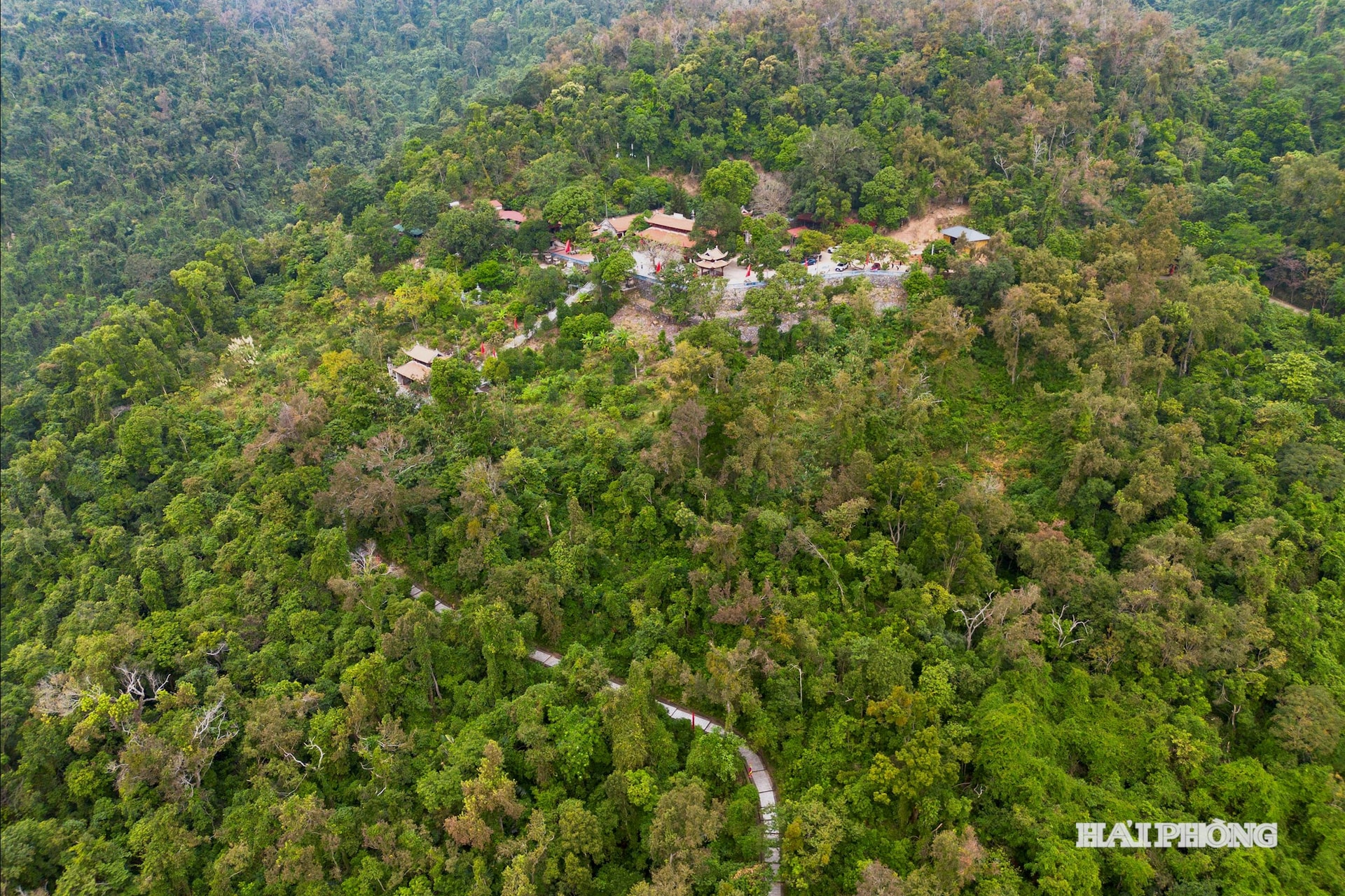
Thanh Mai peak in Nguyen Trai ward, Hai Phong city, glows with the red color of its maple forest entering the most beautiful time of the year.
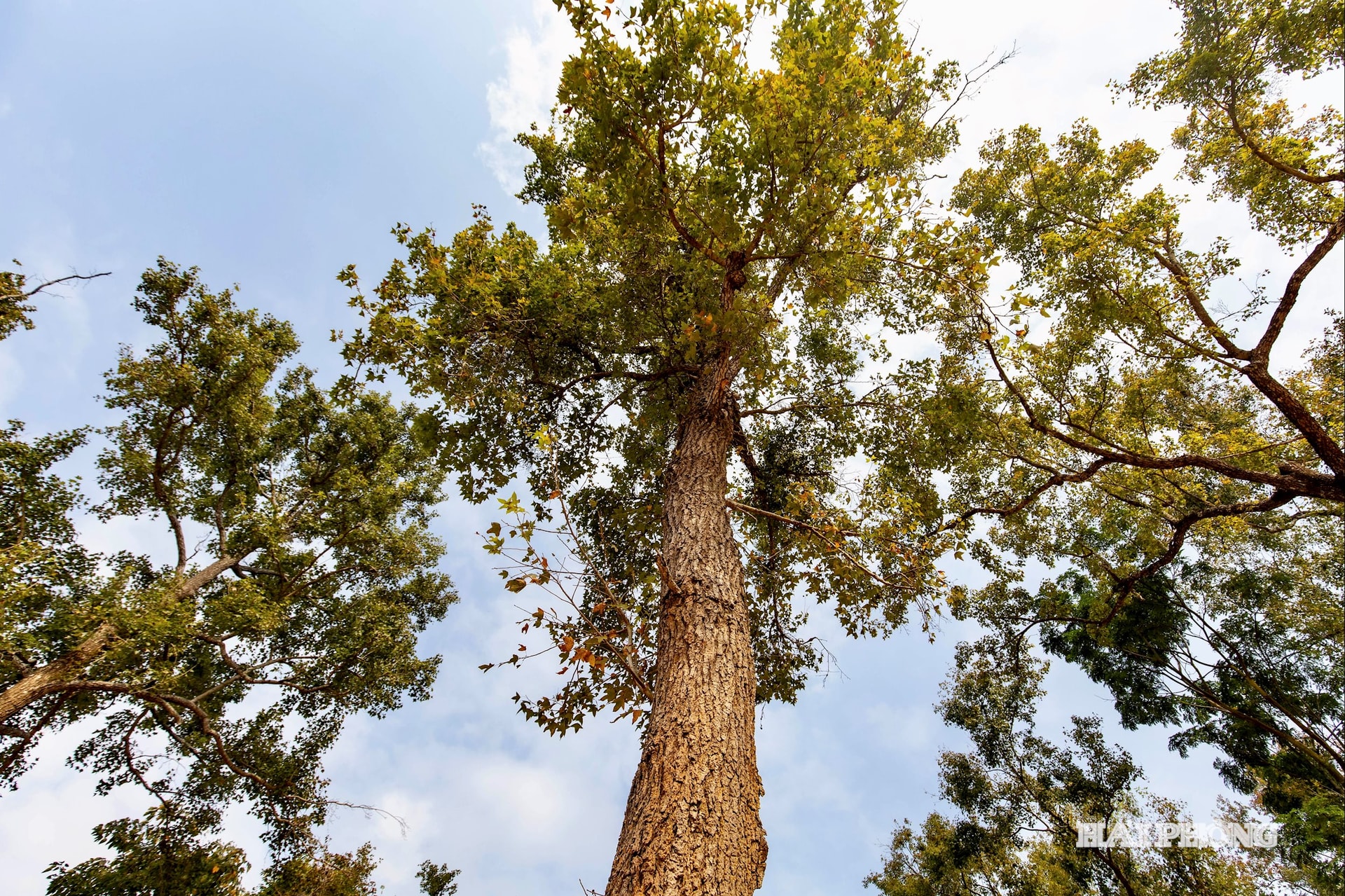
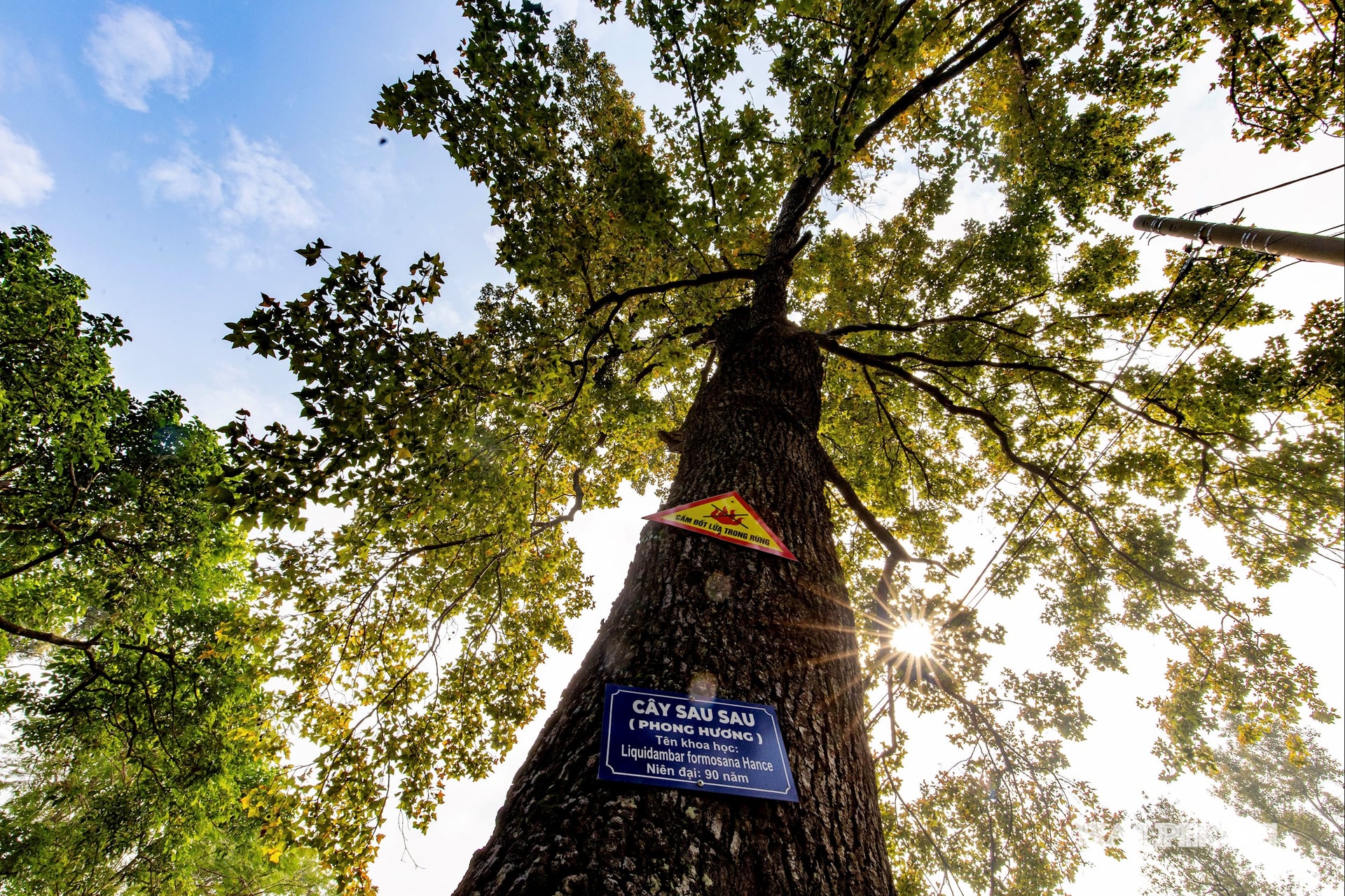
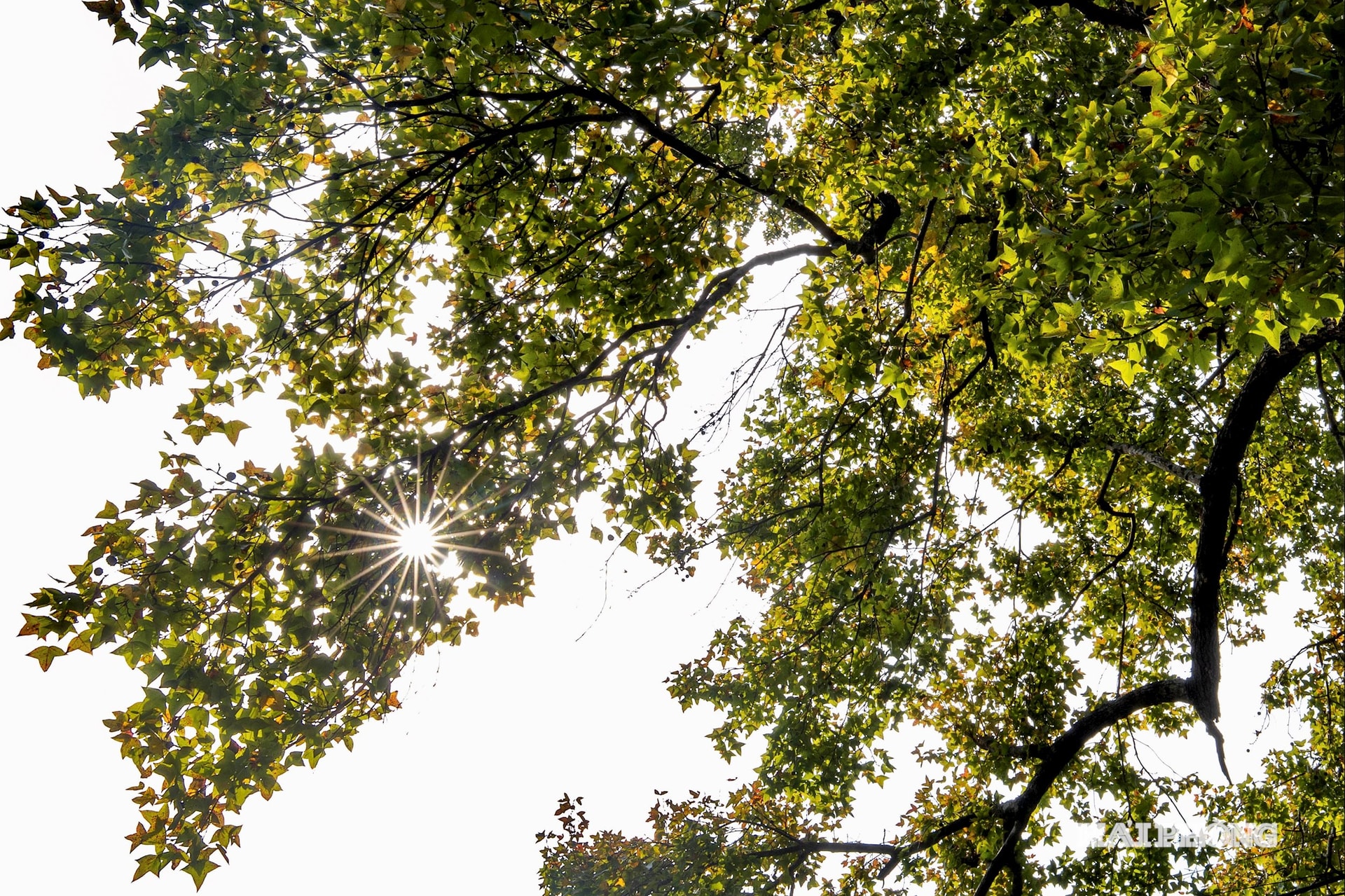
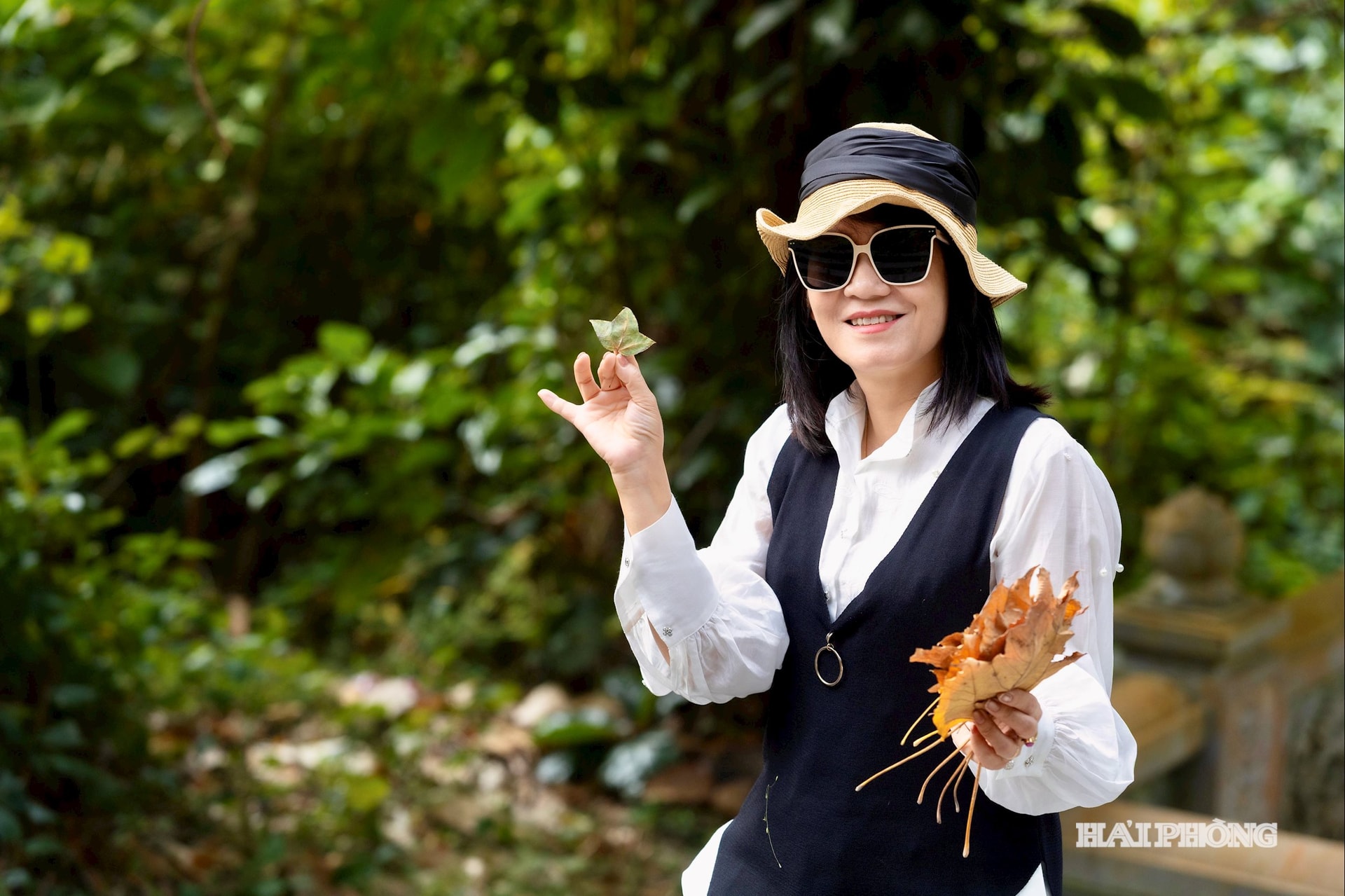
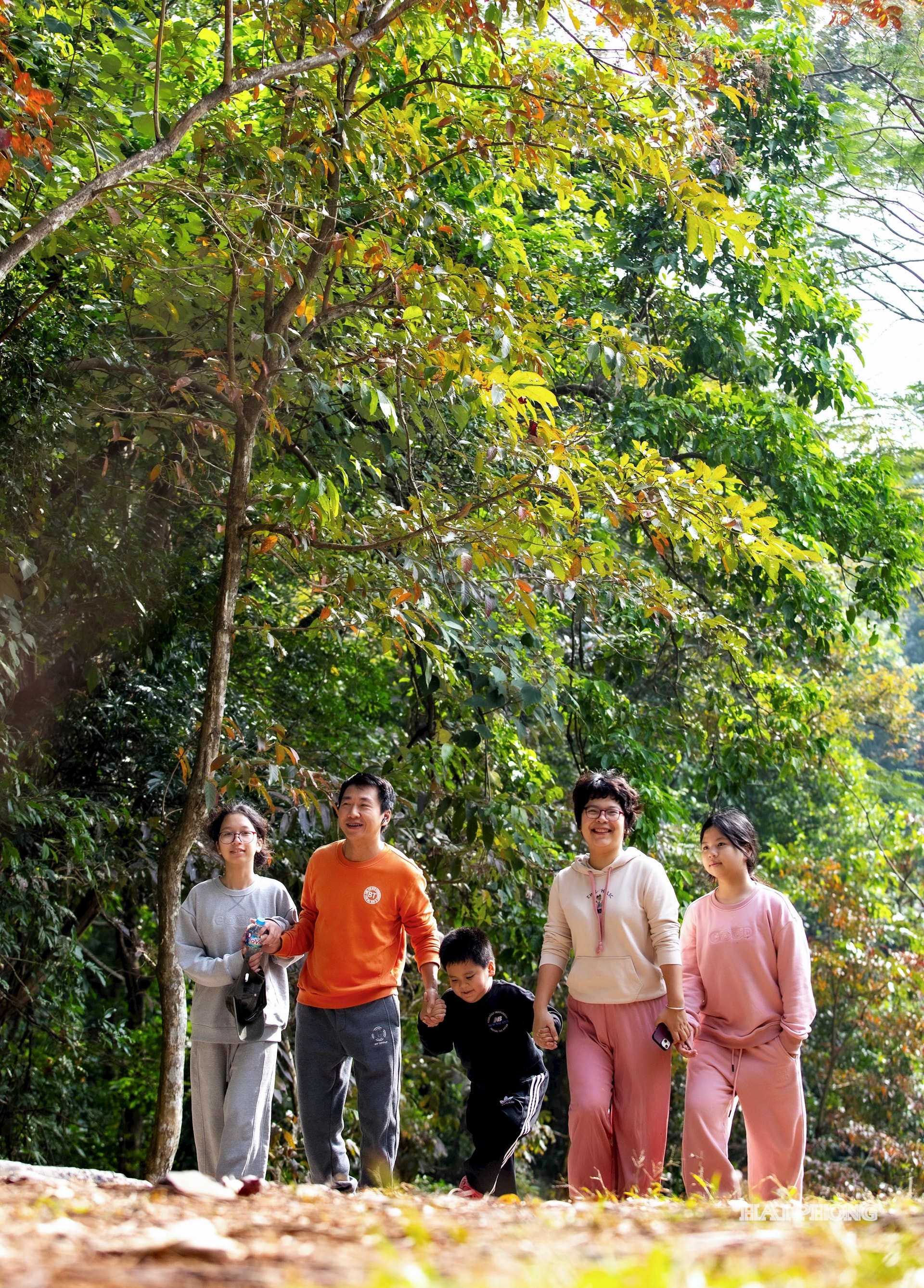
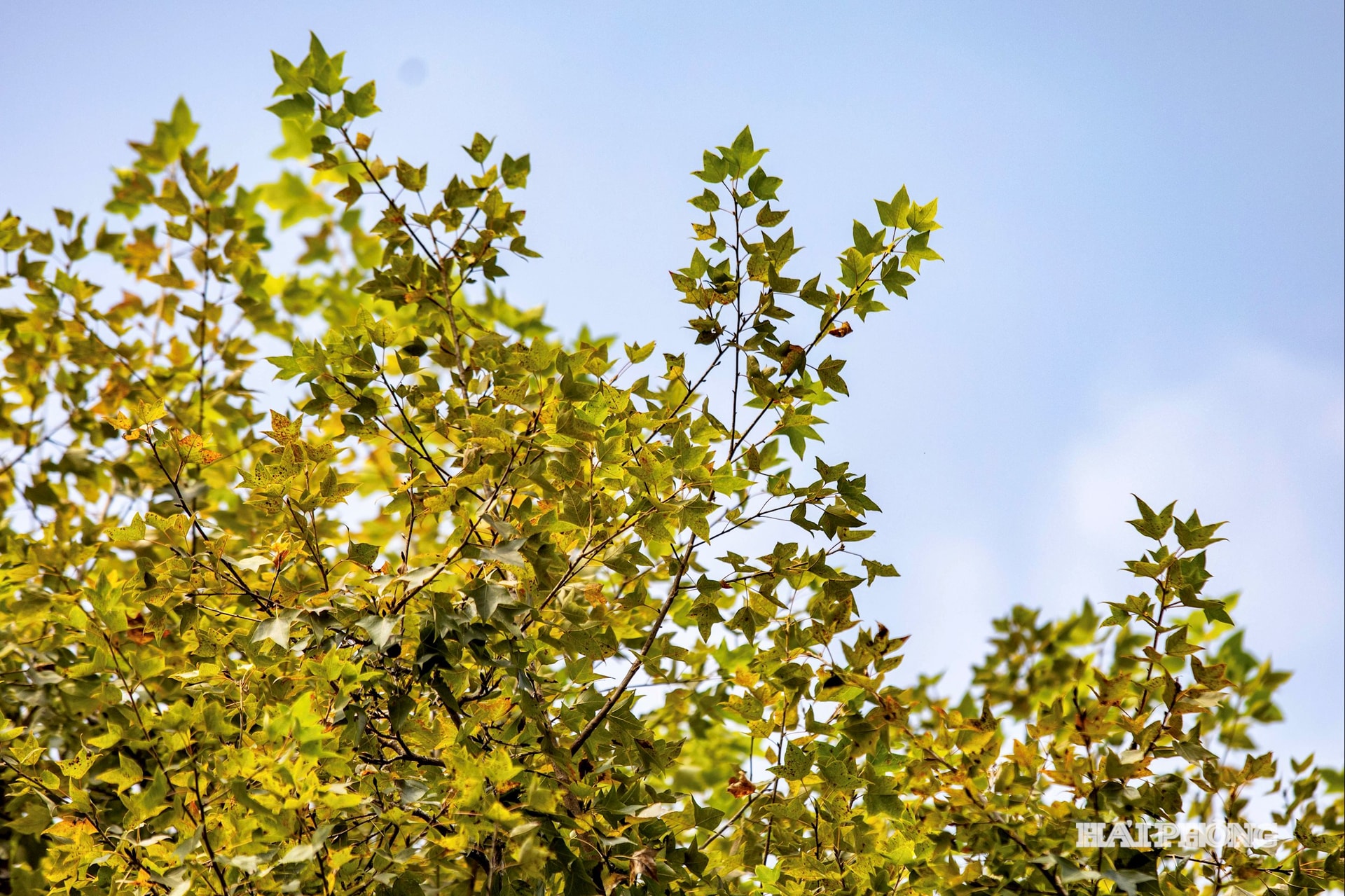
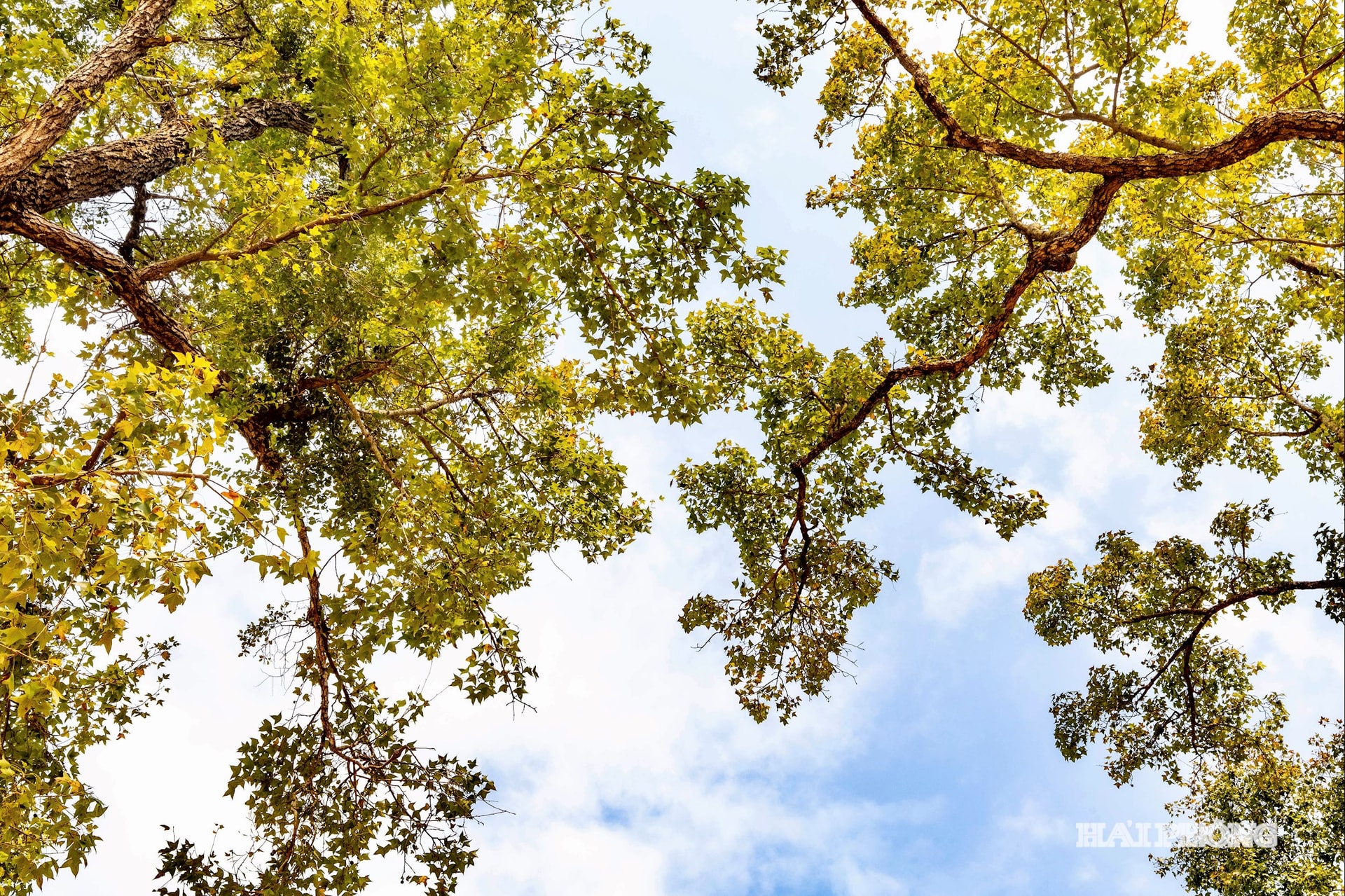
The ancient forest surrounding Thanh Mai pagoda covers about 15 ha. Lim (Erythrophloeum fordii), sen (Madhuca pasquieri), lat (Chukrasia tabularis) and many other valuable hardwood species form a diverse ecosystem.This area has a high density of phong huong (Liquidambar formosana) trees, many of which are centuries old. At this time of year, the maple trees enter their leaf-changing season. The old foliage gradually turns crimson, creating a vivid landscape stretching along the mountainside.This tree species grows scattered across several northeastern mountainous provinces. Every spring, the maple tree buds and produces young leaves. In many highland areas, local people use the young maple leaves as a familiar forest vegetable in daily meals.However, in Hai Phong, only Thanh Mai peak has such a natural maple forest.For this reason, the red-leaf season always attracts visitors eager to witness this distinctive beauty firsthand.Traveling with her family from Hung Yen province to Thanh Mai, Cao Thi Khuyen said this was the first time she had brought her children to see the red maple season, and the scenery was even more beautiful than in photos. She felt very lucky because the leaves began turning red just as her family arrived.Last year, due to the impact of Typhoon Yagi, the maple leaves barely changed color, disappointing many visitors. This year, the red shades have returned at the right time, heightening anticipation.At the moment, the leaves are only beginning to change color, but travel enthusiasts can still come to Thanh Mai to catch the early-season red patches spreading across the mountainside.