

.jpg "‘Following footsteps of Trang Trinh’ famtrip links key heritage sites")

Gửi bình luận
Mo Temple in Nghi Duong Commune, Hai Phong City serves as a repository of historical memories, closely intertwined with the cultural life of the local community for centuries.
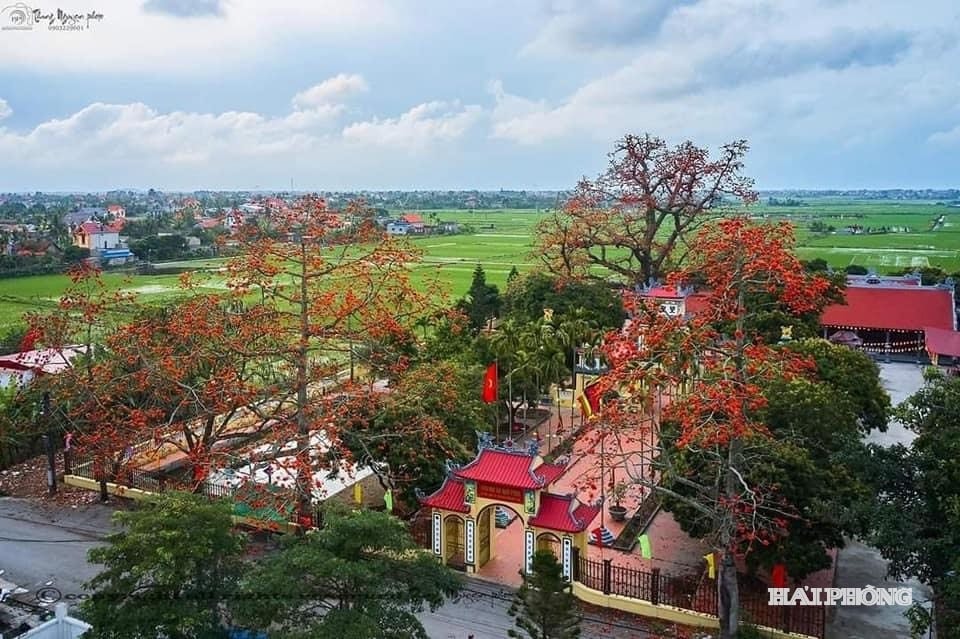
Space of memory and serenity
The Mo temple in Nghi Duong Commune was recognized as a National Historical-Cultural Relic Site in 1991. The temple does not impress with its grand scale but captivates visitors through its serene, simple beauty, evoking a sense of intimacy and sanctity. The temple complex is arranged in a traditional architectural style, harmoniously blending the temple and pagoda spaces with the natural landscape.
According to the legend, the Mo Temple is dedicated to Princess Quynh Tran, daughter of King Tran Thanh Tong, who made significant contributions to the country and the people. When she established a hermitage for cultivation in the Nghi Duong area of Nghi Duong District, Kinh Mon region, now Nghi Duong Commune, she encouraged locals to develop farmland, grow rice, plant mulberry trees, and raise silkworms, helping transform the region into a fertile land.
It is said that the sound of the wooden bell from the princess's hermitage became the rhythm regulating community life, signaling people to work, rest, and gather. From this, the name Mo temple emerged, carrying memories of a simple daily life, deeply infused with community spirit. After her passing, the local people built the temple to worship her, with continuous incense offerings for centuries, reflecting profound gratitude to the one who helped civilize the land.
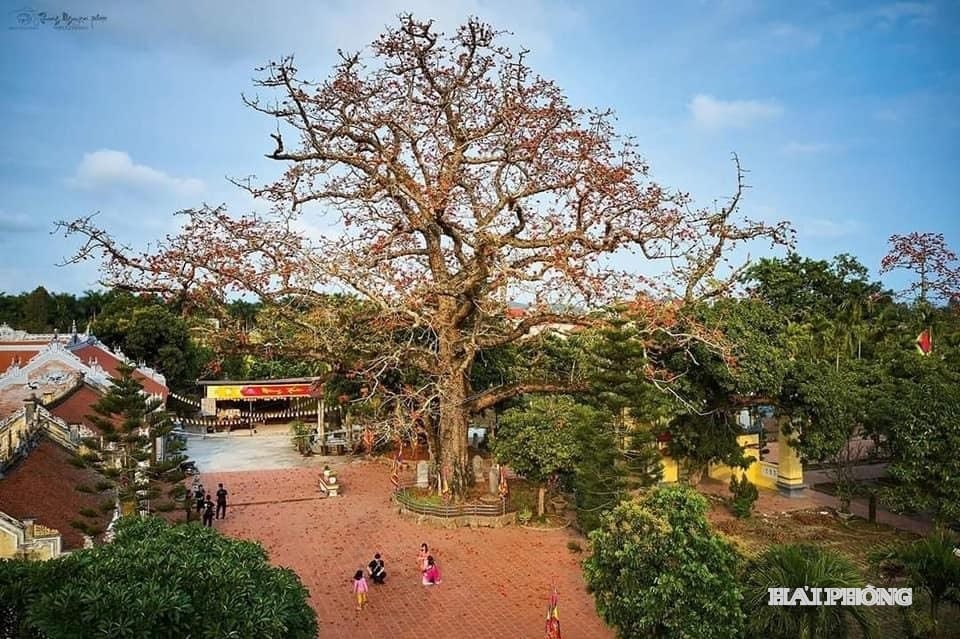
Potential for sustainable cultural tourism
In Hai Phong's tourism development landscape, the Mo Temple holds distinct advantages in cultural depth and serenity. It is an ideal spot for cultural-spiritual tourism and experiential travel, where visitors can explore history, reflect on spiritual values, and enjoy peaceful surroundings.
Residents of Nghi Duong Commune preserve Mo Temple as both a responsibility and a source of pride. During restoration and renovation efforts, the community actively participates, from contributing labor to protecting the landscape and artifacts. This strong bond ensures the temple endures not just as an architectural structure but as a "living relic" embedded in community life.
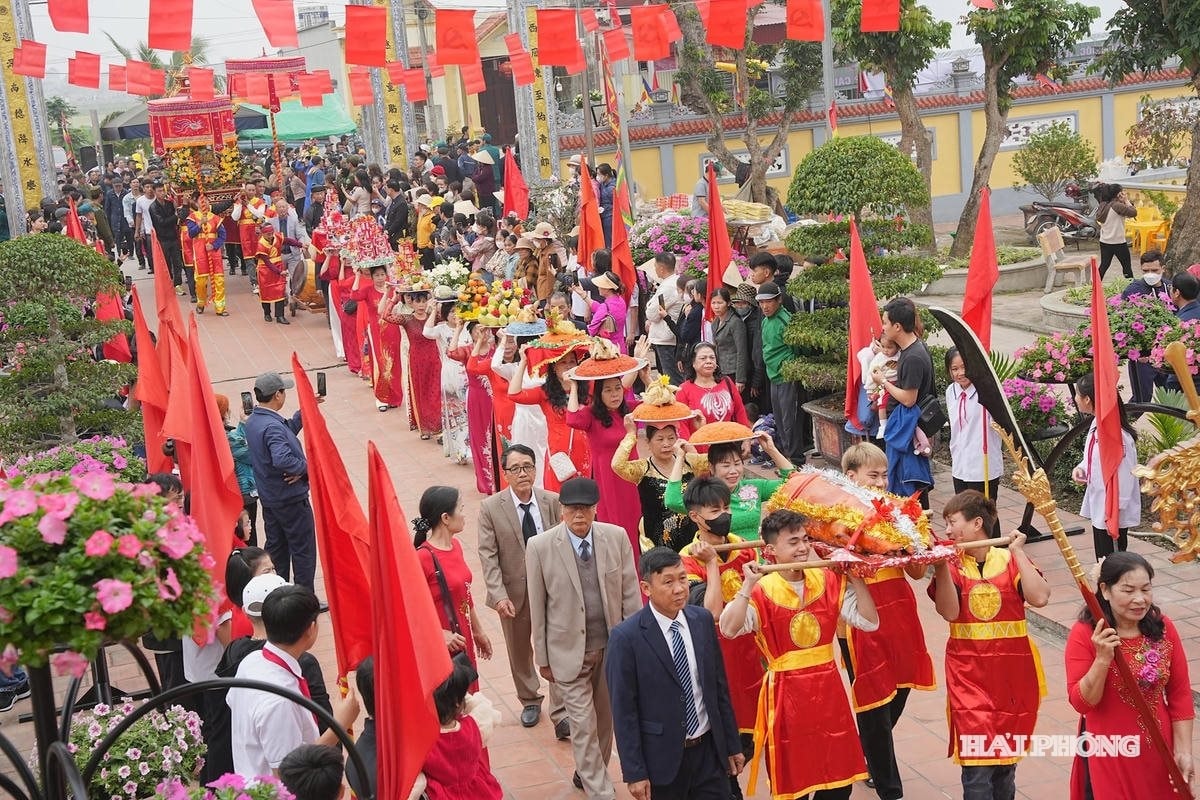
Every year, the Mo Temple Festival takes place in the second lunar month, becoming a key cultural event for the locality. Traditional cultural, religious, and folk game activities, such as Chau Van ritual performances, love-duet singing, Chinese chess, tug-of-war, and blindfolded duck catching, … attract a large number of locals and tourists.
In reality, the Mo Temple has favorable conditions to become a destination in tours exploring local history and culture. Linking the site with nearby cultural spots, craft villages, and rural landscapes is seen as a feasible approach, helping diversify the city's tourism products.
Hai Phong News