

Proactively controlling prices to ensure quality growth
Hai Phong has proactively managed the Consumer Price Index (CPI), stabilized prices, protected purchasing power and supported businesses, contributing to realizing its sustainable growth target.
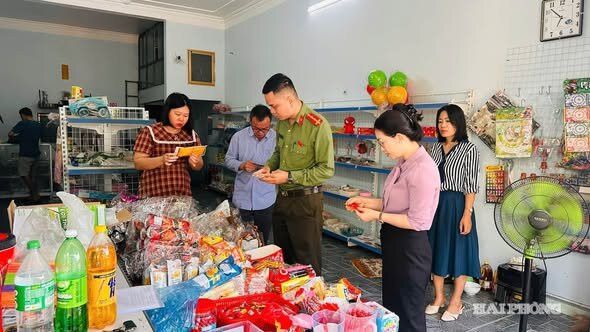
According to statistical reports, Hai Phong's average CPI in the first nine months of 2026 rose by 4.3% year on year. The main reason was that fuel and gas prices were high at various times due to fluctuations in global markets, pushing up transportation and production costs. In addition, prices of some raw and input materials and labor costs also increased, raising the cost of goods and services.
Notably, all 11 groups of consumer goods and services recorded price increases. The housing, electricity, water, fuel and construction material group saw the highest rise, at 8.23%, followed by the transport group at 6.3%. This indicates that inflationary pressure is widespread across various sectors rather than concentrated in a few individual items. In particular, price increases in several groups directly affect people's livelihoods and production and business activities.
Although the overall price level remains basically under control, price management is expected to face further challenges toward the end of the year. This is a period when demand for consumer goods, transport, goods circulation and production materials often surges.
With its developed industrial, commercial, seaport and logistics sectors, Hai Phong is affected by fluctuations in fuel, energy, raw material and transportation costs. These factors may increase production costs and, in turn, push up commodity prices. If supply fails to meet demand or input prices continue to fluctuate, inflationary pressure will intensify.
In response, the city continues to focus on directing the implementation of measures to balance supply and demand, stabilize prices and ensure the supply of essential goods. Departments, agencies and local authorities are required to regularly monitor market developments and review factors that may affect CPI across different commodity groups and localities. They must also proactively develop supply plans for fuel, food, construction materials and other essential goods, particularly during periods of increased production and consumer demand at year-end.
Ensuring the smooth circulation of goods is also an important measure to limit additional costs. The city needs to leverage its advantages in seaports, warehousing and distribution networks to reduce intermediaries, minimize the risk of shortages and prevent localized price increases.
Alongside ensuring supply, price management and monitoring must be strengthened, with close attention to market developments to promptly detect and address unreasonable pricing practices. Departments, agencies and local authorities should focus on inspecting price declarations and displayed prices, particularly for essential goods and services subject to significant fluctuations. They must also resolutely prevent speculation, hoarding and the exploitation of market fluctuations to raise prices unreasonably.
Keeping the full-year average CPI at around 4.5% is a challenging target. However, in line with the Government's directives, Hai Phong will continue to take synchronous price management measures to stabilize the overall price level, protect people's purchasing power and support businesses in maintaining production and operations. These efforts will contribute to achieving the growth target of at least 13% in a sustainable manner.
NGUYEN HA