
Maintaining double-digit growth momentum
Guidance and support from Central bodies, ministries and agencies will help remove bottlenecks, unlock resources and enable Hai Phong to sustain double-digit growth.
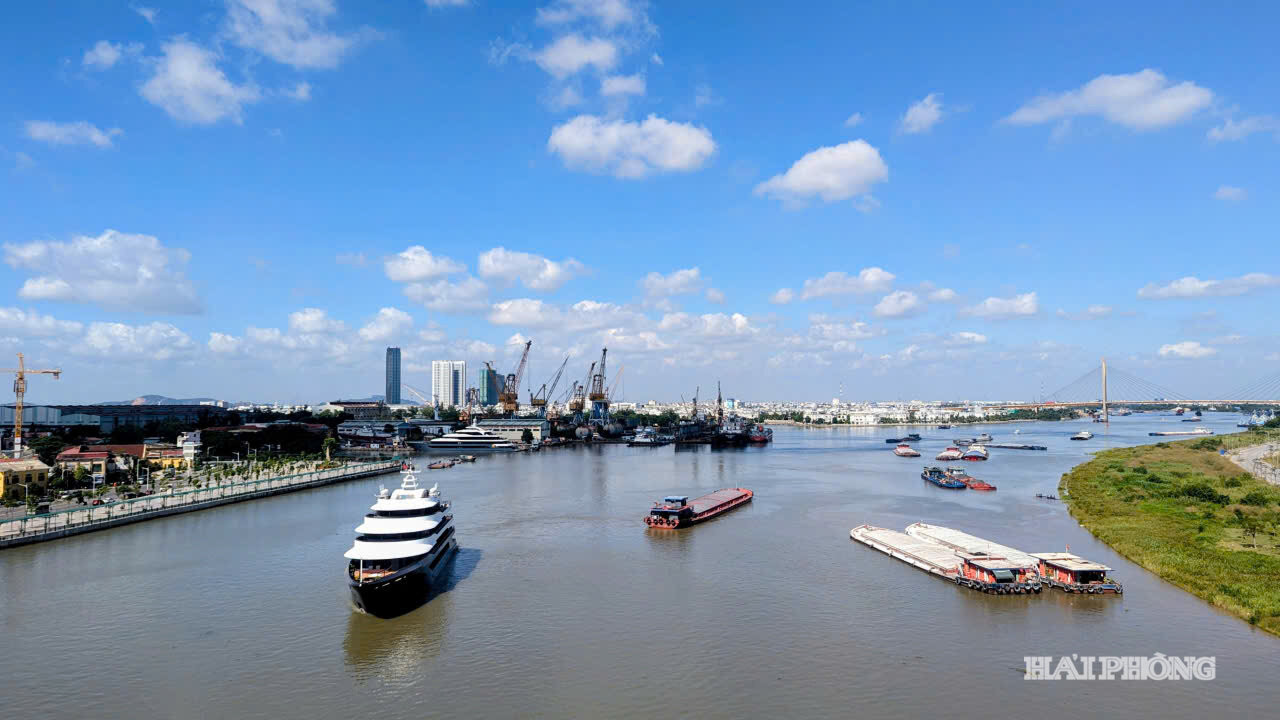
At a working session with Hai Phong on November 18 to discuss tasks and solutions for achieving double-digit growth, Deputy Prime Minister Nguyen Van Thang acknowledged the city's achievements in socio-economic development. He also called on the city to further capitalize on its potential and advantages, strive for the highest possible growth rate and make a greater contribution to the country's overall growth.
Maintaining double-digit growth for 11 consecutive years reflects the city's sustained efforts. In 2026, this momentum has continued. In the first nine months, Hai Phong's GRDP was estimated to have grown by 12.08%, ranking third nationwide and placing the city among the three localities with growth rates of 12% or higher. In the first 10 months, the industrial production index rose by 15.12%; export turnover reached USD 50.1 billion; cargo throughput at seaports totaled 182.4 million tons; and foreign investment attraction reached USD 3.8 billion, up 69% year on year.
These figures demonstrate the increasingly important role of industry, exports, seaports and foreign investment as key drivers of Hai Phong's economic growth.
Building on these achievements, Hai Phong has set a target of achieving growth of at least 13% in 2026 and throughout the 2026 – 2030 period. To reach this target, the city is focusing on making effective use of its advantages in seaports, industry and logistics; strengthening links between foreign-invested and domestic enterprises, as well as between manufacturing and services. The city is also stepping up exports, attracting domestic investment, developing trade and services, and controlling inflation. Beyond expanding production capacity, Hai Phong is placing greater emphasis on strengthening links between economic sectors and generating more value from its existing advantages.
The city is also gradually expanding its development space through the establishment of a free trade zone, development of its industrial park system and investment in transport infrastructure projects that improve interregional connectivity. Coordinated implementation of these directions will create more opportunities to attract large-scale projects, connect supply chains, expand markets and support the growth of industry, logistics and services.
However, Hai Phong still needs to resolve a number of difficulties and obstacles to achieve its targets. At the November 18 working session, the city put forward five groups of proposals to Central bodies, ministries and agencies. These focused on improving mechanisms and policies on land and urban development; reviewing and adjusting seaport planning; investing in maritime infrastructure and transport connectivity; adding power generation projects to the Eighth National Power Development Plan (PDP8); and adjusting existing power plants to improve their operational efficiency. These issues directly affect the city's ability to mobilize resources, attract investment and expand its growth potential.
Alongside proactively addressing issues within its authority, Hai Phong needs continued guidance from Central bodies and close coordination among ministries and agencies to resolve cross-sectoral issues beyond the city's jurisdiction. Timely removal of these bottlenecks will give the city greater scope to unlock resources, accelerate project implementation and expand its growth potential. This will help turn development orientations and targets into tangible results and make a greater contribution to the country's overall development.
NGUYEN HA