

Building ‘Happy Residential Quarters’ through community efforts
Hai Phong residents are helping spread the ‘Happy Residential Quarter’ model through practical initiatives, consensus and collective action.
Community-driven works
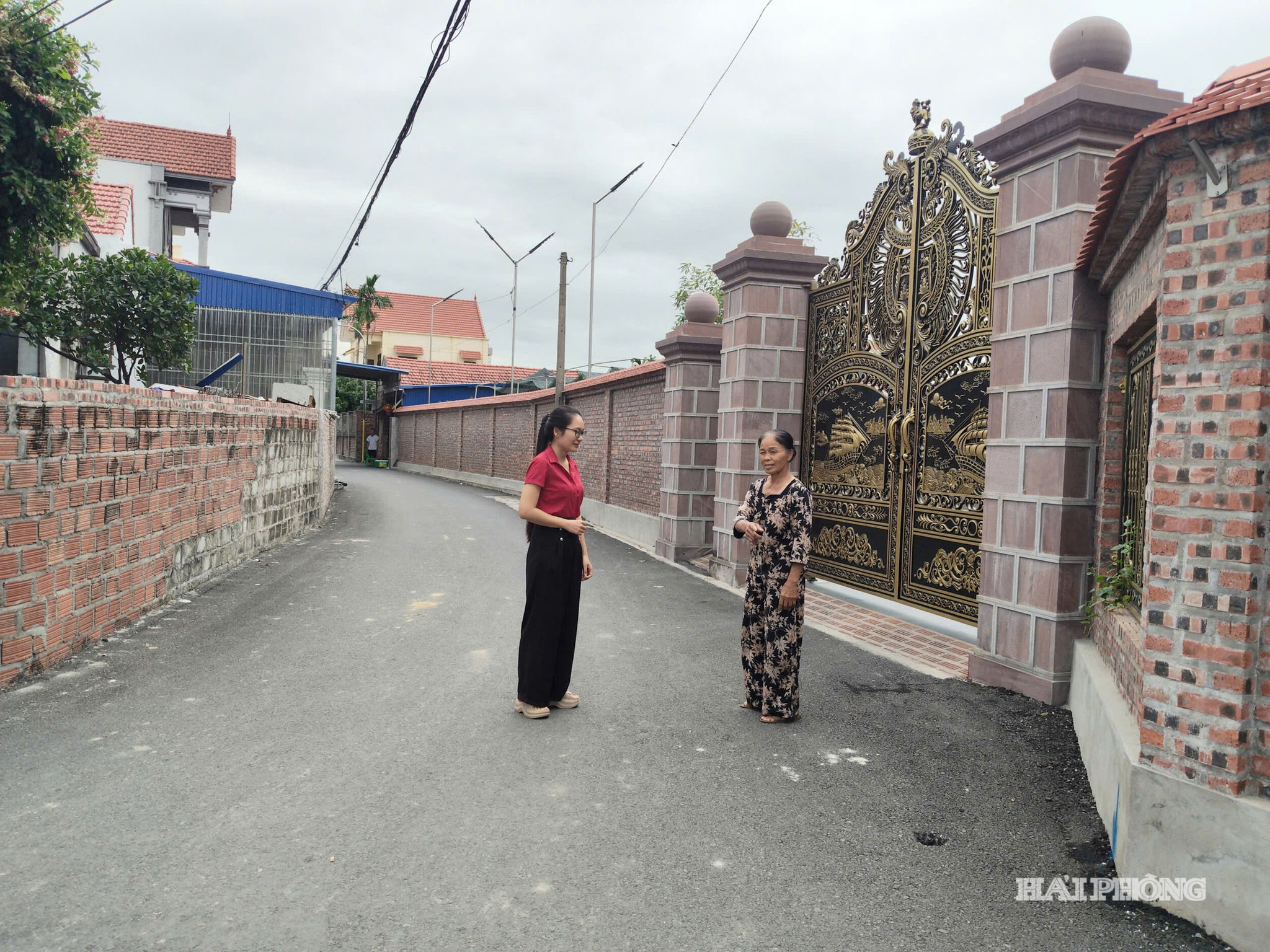
Visiting Chiem Phuong Residential Quarter in Hoa Binh Ward in November, many people are impressed by the improved appearance of a 250-m long road that has been widened from 1.7 m to 3.5 – 4 m. To create such a wider, cleaner and more attractive road, local households voluntarily donated approximately 120 m2 of land. They also mobilized nearly VND 600 million to compensate households for structures affected by the land donations, install street lighting and beautify the residential area.
Le Thi Luy, a resident of Chiem Phuong Residential Quarter, said that since the “Happy Residential Quarter” model was launched in August 2026, village roads and alleys have become increasingly spacious, while community solidarity has grown stronger.
In My Dong 3 Residential Quarter, Le Ich Moc Ward, the model is being nurtured through simple, everyday activities. The flower-lined road maintained by the Farmers' Union branch was in full bloom during the Great National Unity Festival. This was one of several initiatives implemented with approximately VND 60 million raised.
Hoang Thi Ha Giang, Secretary of the Party Cell of My Dong 3 Residential Quarter, said that although the area begun implementing the pilot “Happy Residential Quarter” model this year, it had maintained many practical activities for years.
A notable initiative is the residential quarter's savings fund, which at one point neared VND 1 billion and provided loans to approximately 500 – 700 residents to repair their homes, develop their livelihoods and take care of their children's education.
The residential quarter also maintains a charity fund to assist seven near-poor and disadvantaged households, install street lighting systems, and establish a “Green House” model and clubs for happy families, yoga and badminton.
Expanding the model and sharing effective practices
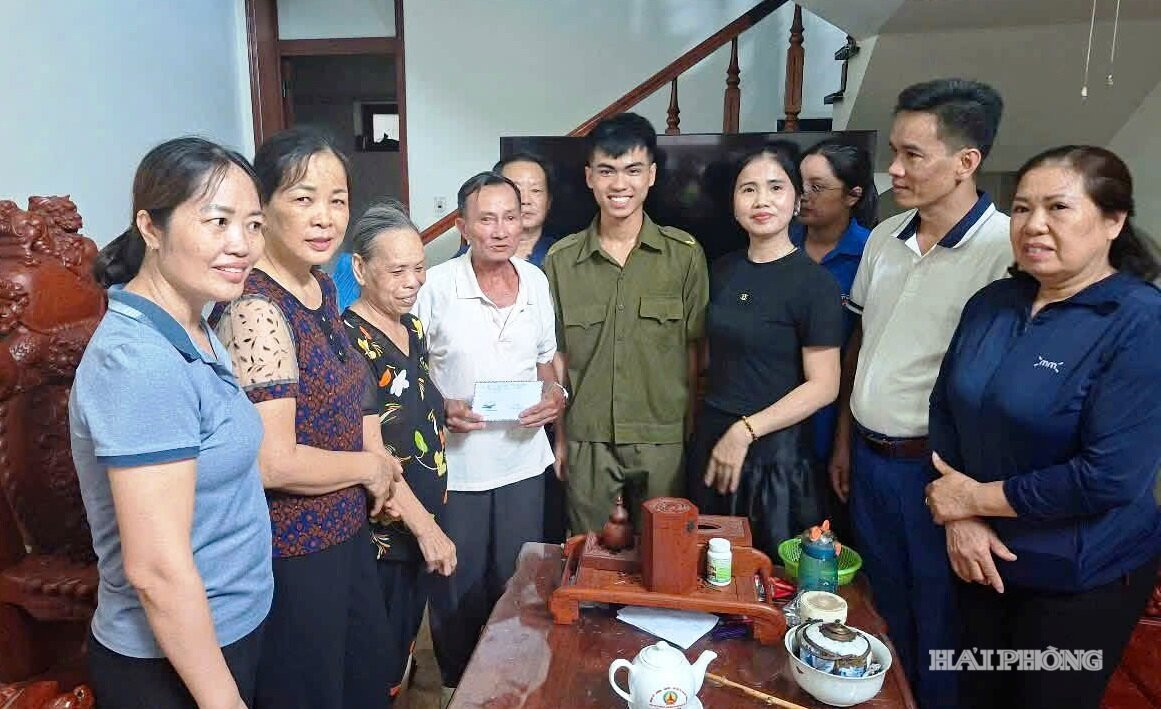
Building a “Happy Residential Quarter” does not necessarily require starting with large-scale projects. Instead, it should begin with the practical needs of residents. A wider road, better street lighting or a fund that helps disadvantaged households improve their lives can all contribute to a better community.
This approach also gives concrete expression to the “Civilized City; Happy Communes and Wards” model, in line with the City Party Committee’s Resolution No. 05 on developing and implementing a number of socialist models associated with socialist people in Hai Phong for the 2026-2030 period and subsequent years.
The city aims to become one of the world's 100 – 120 most livable cities by 2030 and strive to enter the top 50 by 2045, while achieving Alpha status in global city rankings.
Luu Van Hung, Chairman of the Vietnam Fatherland Front Committee of Hoa Binh Ward, said that building on the pilot model in Chiem Phuong Residential Quarter, the locality would expand it to the ward's remaining 18 residential quarters.
Sharing experience from My Dong 3 Residential Quarter in Le Ich Moc Ward, Hoang Thi Ha Giang emphasized that all activities must stem from residents' actual needs and be discussed openly and transparently so that people are informed, involved and able to benefit.
When residents' opinions are heard, their interests are safeguarded and their contributions are recognized, community strength can be mobilized, laying the foundation for expanding the “Happy Residential Quarter” model and help build happy communes, wards and a happy city.
BUI HUONG