
Developing organic agriculture in Hai Phong
Hai Phong is stepping up the development of organic farming areas to increase product value and expand consumer markets.
Natural advantages offer significant development potential
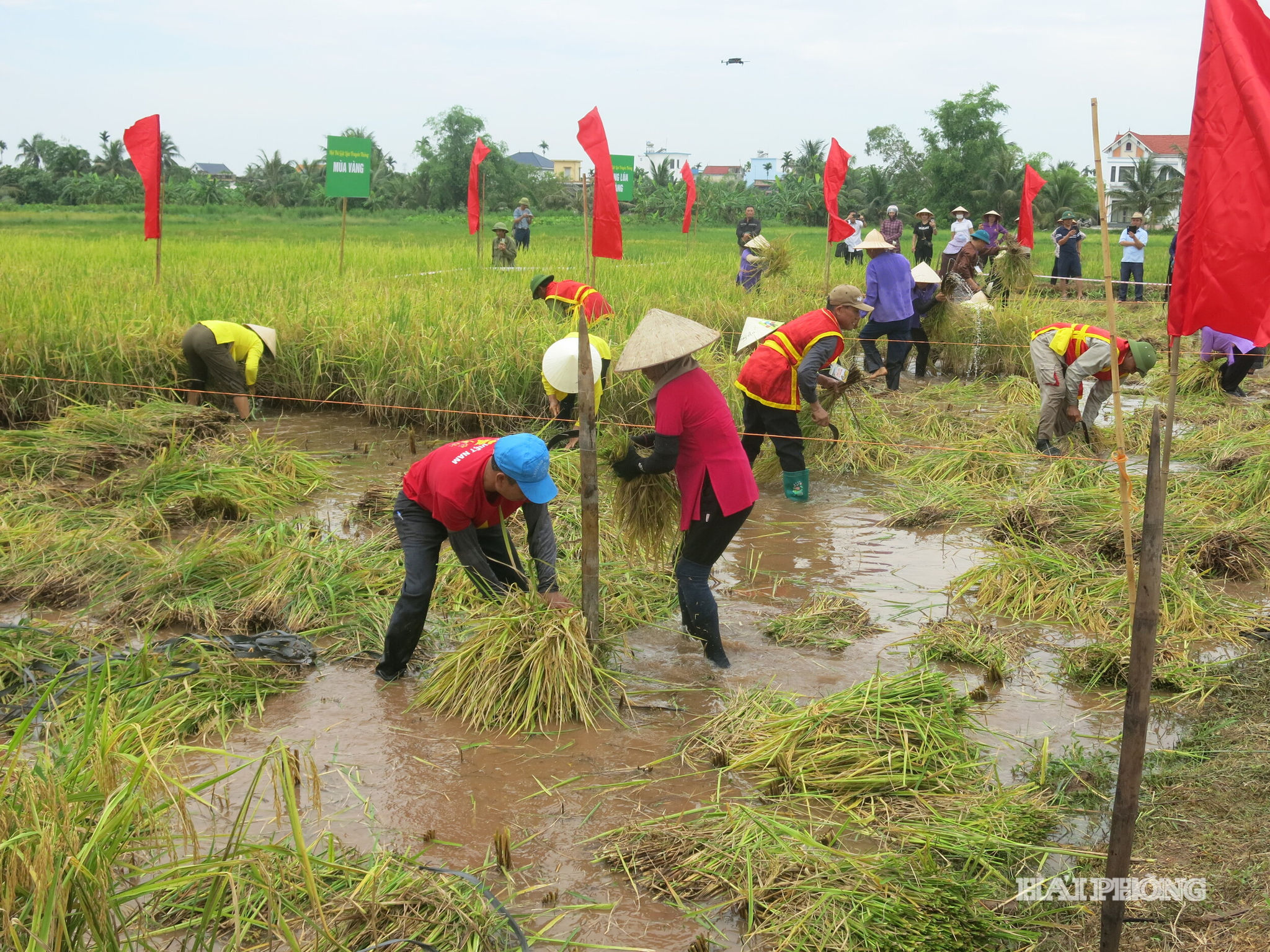
Locals and visitors have flocked to golden rice fields along the banks of the Thai Binh River Chi Minh Commune during its Rice and Ruoi (Ragworm) Festival. The commune has 478 hectares of rice – ruoi – fiddler crab production areas, which annually supply the market with approximately 2,400 tons of organic rice and 500 – 600 tons of commercial ruoi and fiddler crabs. This model generates an annual profit of VND 350 – 450 million per hectare for farmers.
In the eastern part of Hai Phong, under the 2021 – 2025 plan with a vision to 2030, development has focused not only on 43 organic rice growing areas covering a total of 616 hectares, but also on 32 organic vegetable growing areas spanning 213 hectares and 22 organic fruit growing areas covering 151 hectares.
Following the merger with Hai Duong province, Hai Phong has considerable potential and favorable natural and soil conditions, especially a strong consumer market, for developing organic agricultural products. Organic farming areas are expanding, particularly those combining organic rice cultivation with ruoi production on riverside tidal flats.
According to the Department of Agriculture and Environment, these natural and soil advantages have enabled many localities across the city to establish and develop approximately 1,700 hectares of organic rice – ruoi farming areas. Each year, these areas supply the market with 2,200 – 2,500 tons of commercial ruoi and 8,000 tons of high-quality organic paddy. The total production value of these areas is estimated at VND 500 billion to more than VND 700 billion annually.
Removing bottlenecks to drive development
Organic agricultural production is currently involving mainly farmers, businesses and agricultural households. For a product to be certified as organic under the National Standards (TCVN) or international standards such as USDA, EU and JAS, it must undergo a conversion period of two to three years, during which it is subject to stringent monitoring criteria. Hiring independent certification bodies to conduct assessments and collect samples for testing also incurs substantial costs.
However, agricultural businesses, particularly farming households, have very limited financial resources. This is a major barrier to adopting organic farming practices.
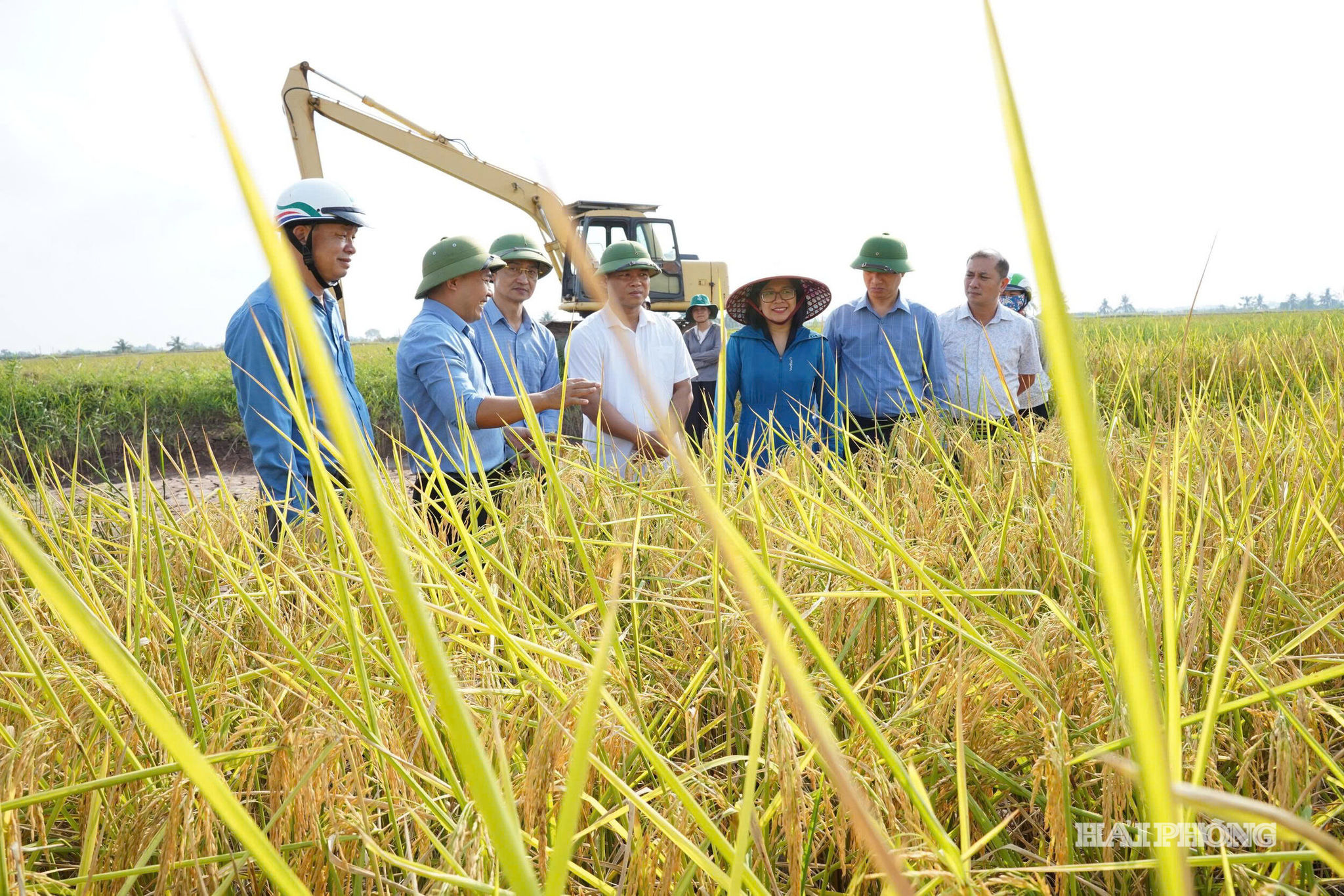
Luong Thi Kiem, Deputy Director of the Department of Agriculture and Environment, said the department would continue advising the city on planning and developing organic farming areas, with a focus on improving quality, added value and sustainability.
Priority will be given to protecting existing areas with distinctive ecological characteristics; developing production in line with organic standards and strengthening the application of science, technology and digital transformation in production management; further promoting value-chain linkages, developing deep processing, building brands and expanding consumer markets; and helping agricultural products gain a stronger presence in modern domestic distribution systems, with exports as a gradual longer-term goal.
In the coming period, the city's agriculture and environment sector will continue implementing Resolution No. 27 of the City People's Council on supporting the protection and development of rice-growing land and enabling localities to invest in infrastructure, protect land reserves and maintain areas with distinctive ecological characteristics.
The sector will also implement Resolution No. 51 on supporting agricultural production development through value-chain linkages, promoting cooperation among farmers, cooperatives and businesses to increase product value and secure stable outlets for producers.
HO HUONG