

Digital technology boosts OCOP products
Digital transformation has helped OCOP producers in Hai Phong improve production efficiency, promote their brands and expand consumer markets.
A tool for product promotion
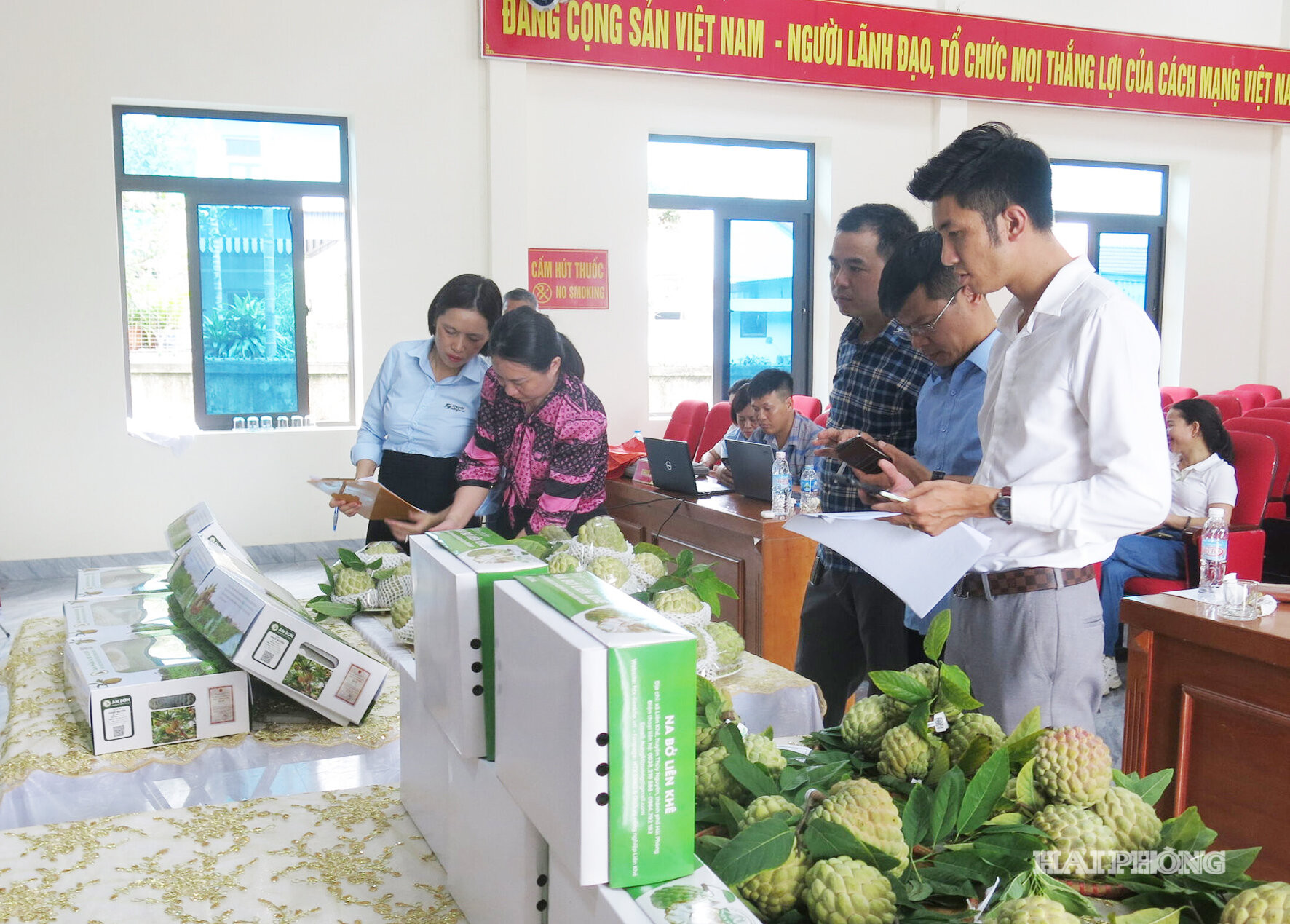
Digital transformation has been identified as a breakthrough tool for improving the management, production and promotion of OCOP products. In production management, some businesses and cooperatives are applying digital technology to trace product origins and manage the quality of agricultural products, making information more transparent and strengthening the trust of visitors and consumers.
Pham Duc Hung, a member of Nam Son Guava Cooperative in Dong Ta Village, Vinh Bao Commune, said that farmers previously found traditional production methods quite labor-intensive. They are now gradually expanding their production areas. Therefore, without technology applications and digital transformation, it would be difficult to meet practical production requirements.
Many OCOP products are now available on digital marketplaces, where online supply-and-demand connections benefit both producers and consumers. Cooperatives and businesses are focusing on integrating basic digital tools into their operations, such as online sales and social media promotion. They also use cashless payment methods, including QR code scanning, e-wallets and bank transfers, making OCOP product purchases safer and more convenient.
Nguyen Van Hoan, Deputy Head of the Hai Phong Sub-Department of Rural Development, said that whereas digital technology was once unfamiliar to them, many members of the city's OCOP Club can now livestream and introduce products on digital platforms, as well as participate in product experience videos. Digital technology has therefore become a tool that helps farmers sell their products and expand their markets.
Supporting digital technology connections
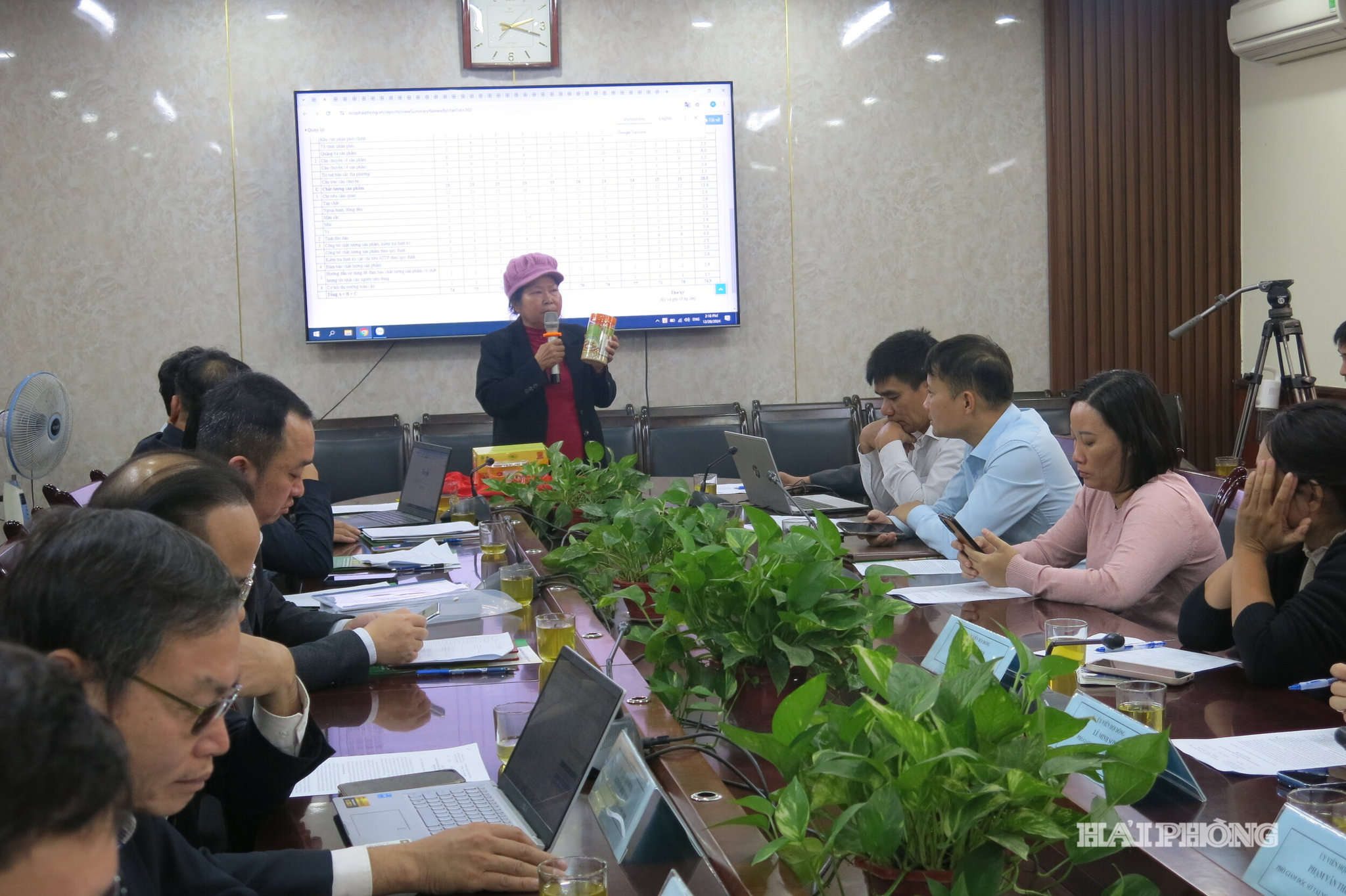
Over the past time, the Hai Phong Sub-Department of Rural Development has carried out a range of practical activities to help OCOP businesses and cooperatives with digitalization.
The sub-department coordinated with experts and universities to organize specialized training courses on marketing OCOP products amid digital transformation. Participants received guidance on brand building, livestream sales, management of stores on e-commerce platforms and supply and demand connection.
Recognizing the value of experience-based tourism, the Sub-Department has recently taken the initiative to connect OCOP producers with the Department of Culture, Sports and Tourism and media organizations to bring visitors directly to production facilities. This was combined with product promotion at major agricultural and OCOP fairs and weeks organized by the city.
Producers were also encouraged to participate in e-commerce fairs and markets organized by the Department of Industry and Trade in coordination with other agencies at various levels, helping them seek out and expand consumer markets.
One of the issues of greatest concern to cooperatives and producers today is the rating of OCOP products, which can be considered a "passport" that helps products attract customer interest and be consumed more easily.
Previously, businesses had to make multiple trips to submit applications and documents to have their products rated. The Sub-Department of Rural Development now uses digital OCOP scoring software and guides businesses in submitting applications electronically. As a result, the application and assessment process for OCOP product ratings has become faster and more convenient.
Digital technology is no longer a distant concept. It is now a practical tool enabling OCOP producers to make breakthroughs, affirm their brands and product credibility in the market, as well as achieving stable and sustainable business results.
HO HUONG