
Cultural festival promotes community solidarity
Activities celebrating Vietnam Culture Day in conjunction with the Great National Unity Festival in Hai Phong are helping promote cultural values and strengthen community bonds.
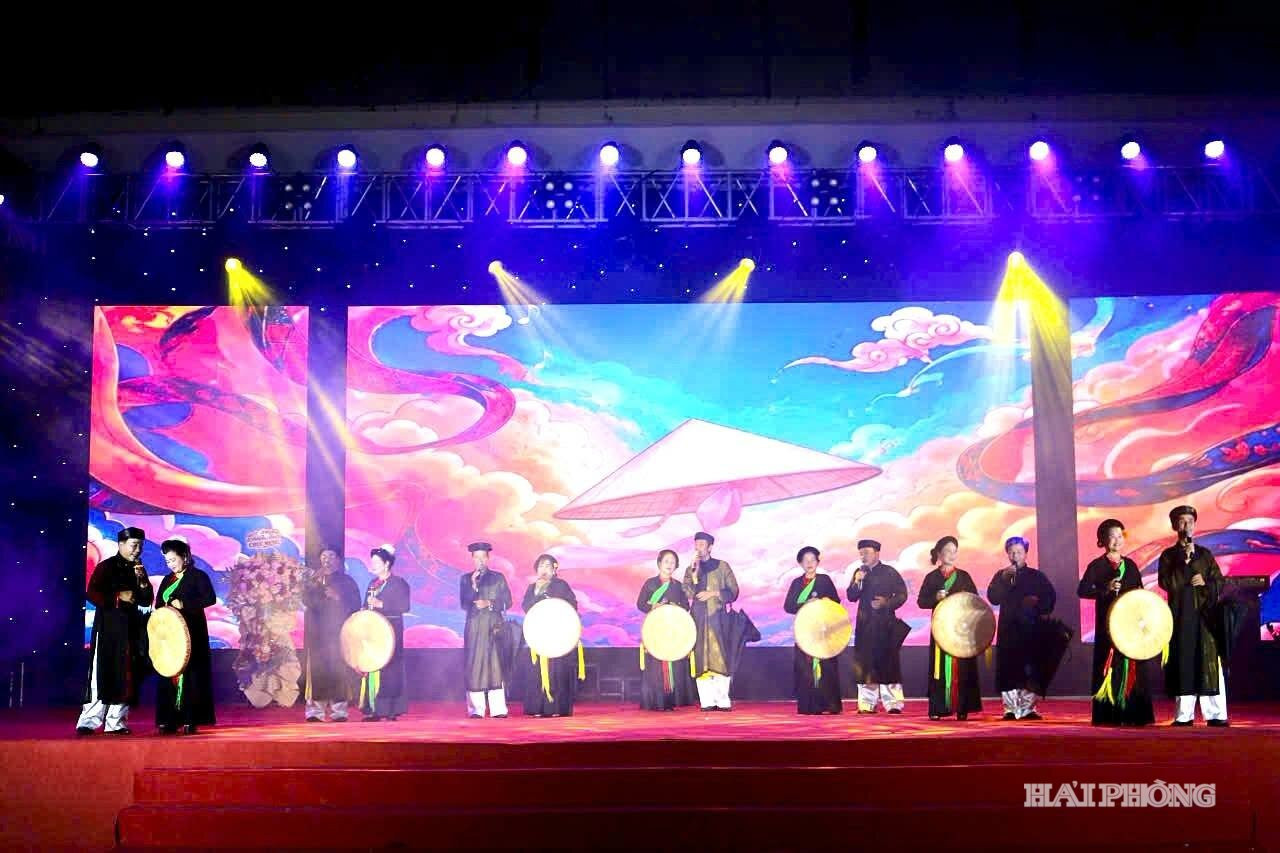
Vibrant cultural activities in residential communities
At nearly 80 years of age, Mr. Dao Huy Giang, a resident of Phuong Chu Village, An Truong Commune, is delighted to witness the changes in his hometown. He shared: “An Truong Commune has undergone many positive changes, and people's lives have improved significantly. Everyone is joining hands and making collective efforts to build an increasingly beautiful hometown.” For him, these changes are reflected not only in the appearance of the countryside but also in the spirit of solidarity and the shared determination of local residents to build a new way of life.
Phuong Chu Village has 835 households with a total population of 2,571, including 779 households recognised as “Cultural Families”. Campaigns to build a cultural village, maintain environmental hygiene and safeguard national security have received widespread support from local residents. These achievements provide a foundation for sustaining and further developing community cultural activities, enriching the spiritual life of people at the grassroots level.
At Phuc Nam Residential Quarter in Luu Kiem Ward, activities celebrating Vietnam Culture Day in conjunction with the Great National Unity Festival have also taken place in a lively atmosphere.
Cultural performances and sports exchanges have attracted large numbers of local officials, Party members and residents. Regardless of age or occupation, people come together to meet, perform, cheer on participants and share their joy in a common community space.
Mr. Le Thanh Tam, Head of Phuc Nam Residential Quarter, said that immediately after receiving the ward's plan to organise the model festival, the Party cell, the Front Work Committee and the residential quarter proactively assigned tasks and mobilised mass organisations and local residents to participate.
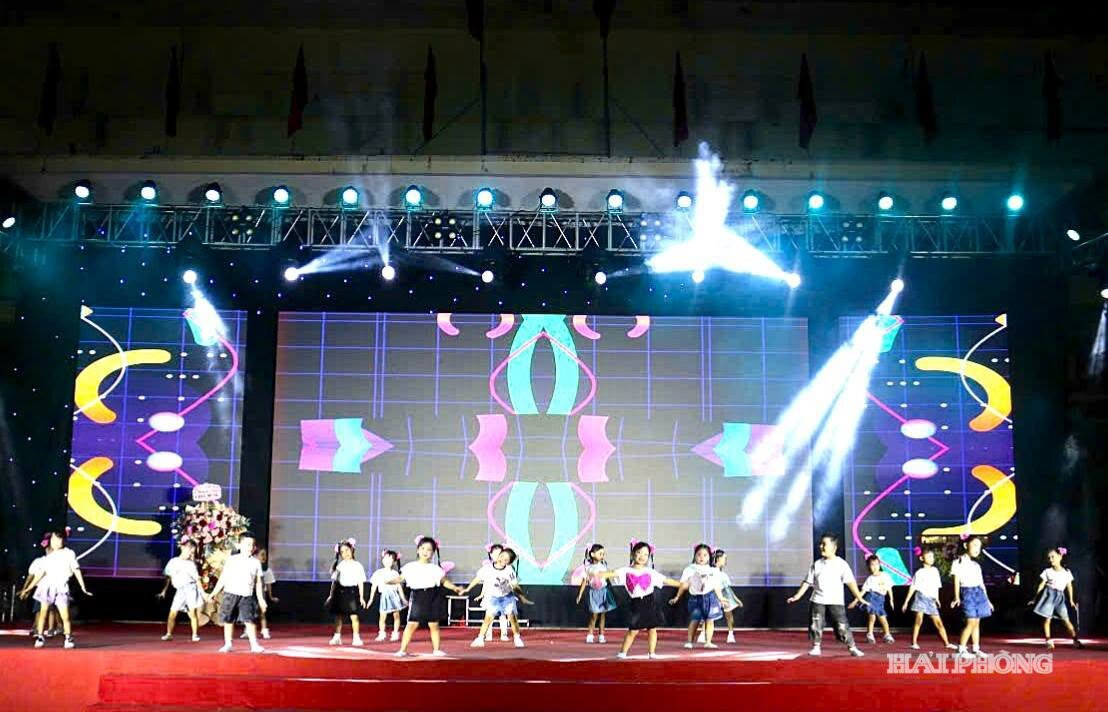
Local residents have enthusiastically contributed funds and labour, joining hands to prepare cultural and artistic performances as well as sports activities. Their voluntary participation is an important factor in creating the joyful and warm atmosphere of the festival.
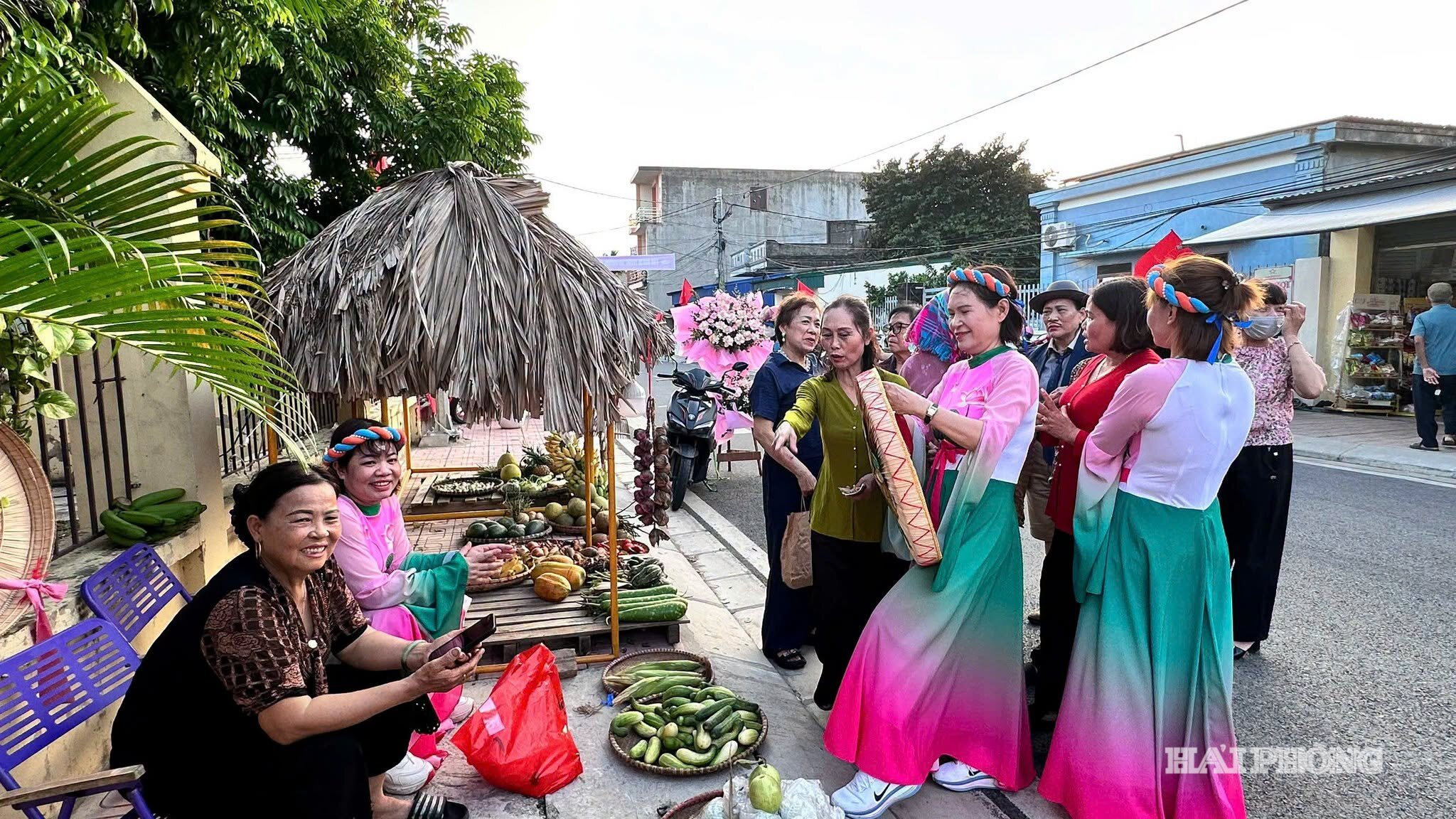
A model festival was held jointly by Lam Dong 1, 2 and 3 residential quarters in Thien Huong Ward, featuring a variety of cultural exchanges, traditional folk games and a traditional bonfire. Songs, dances and laughter during the games not only created a festive atmosphere but also provided an opportunity for different generations to meet, interact and strengthen their bonds.
Mr. Dam Xuan Thuy, Secretary of the Party Cell of Lam Dong 2 Residential Quarter, said: “The festival provides an opportunity for local officials, Party members and residents to discuss and review the results of emulation movements, thereby continuing to encourage one another to build a cultured lifestyle in residential communities...”
In Hong A Ward, activities celebrating the occasion are being organised in diverse cultural spaces. The locality plans to launch a ward library, establish community activity models, organise exhibitions of cultural materials and hold arts festivals in residential quarters, featuring singing, dancing and community dance performances. These activities will provide residents with more venues for reading, social interaction, club activities and learning about the history and traditions of their hometown.
Making culture an integral part of everyday life
Resolution No. 80 dated January 7, 2026, issued by the Politburo on the development of Vietnamese culture, designates November 24 each year as Vietnam Culture Day.
The occasion honours traditional cultural values, inspires patriotism, promotes solidarity and national pride, while reaffirming that culture serves as the spiritual foundation, an endogenous resource and a driving force for national development.
To implement this policy, Directive No. 35 dated September 30, 2026, issued by the Prime Minister on organising Vietnam Culture Day in conjunction with the 2026 Great National Unity Festival, aims to establish a series of cultural activities with widespread community impact.
Bringing together events held in November, including the Great National Unity Festival on November 18, Vietnam Cultural Heritage Day on November 23 and Vietnam Culture Day on November 24, creates more opportunities for people to participate in and enjoy cultural activities.
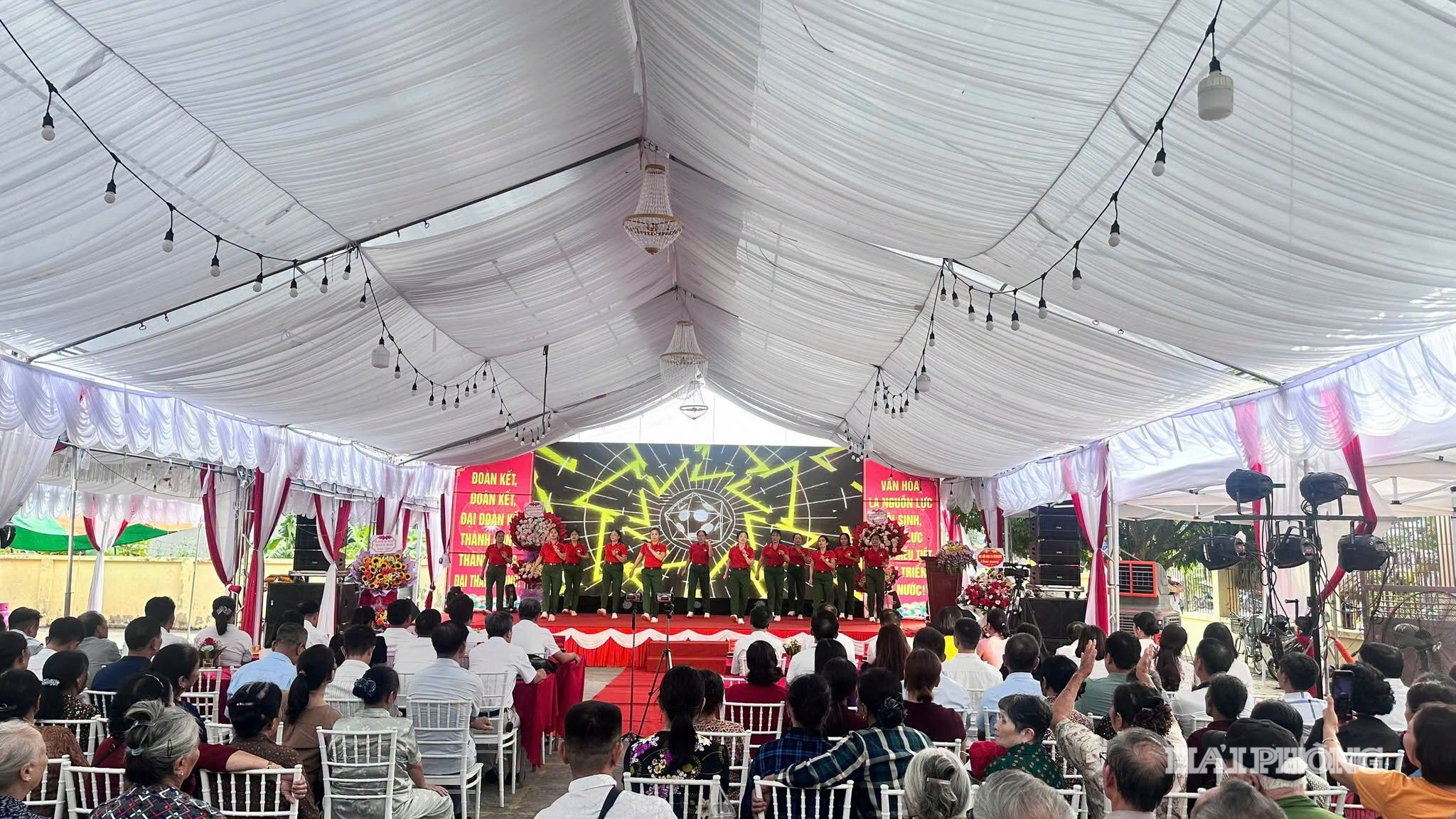
In Hai Phong, plans to celebrate the occasion are being implemented through a range of creative activities, including the artistic programme “Colours of Vietnamese Culture”, the experiential space “One Space – Multiple Experiences”, as well as library activities, cinema, heritage education, cultural tourism, and sports and physical activities.
Notably, the city requires each commune, ward and special administrative zone to proactively organise or incorporate at least one cultural, artistic, experiential, heritage education or community cultural exchange activity, together with at least one sports activity.
Localities are encouraged to select activities that reflect their own history, cultural identity and strengths, while prioritising the direct participation of residents, artisans, artists, pupils, students and clubs. From traditional art performances and handicraft practices to folk games, reading, film screenings and heritage site visits, each activity offers people an opportunity to engage with culture through practical experiences.
Importantly, these activities need to be maintained regularly and linked to the effective use of cultural centres, libraries, sports facilities and grassroots clubs. With suitable community spaces and active public participation, cultural movements will not only flourish during commemorative occasions but also become an integral part of everyday life.From cultural exchange evenings and sports activities in residential communities to heritage experience spaces and community libraries, Vietnam Culture Day offers people more opportunities to connect with the nation's cultural values and the distinctive identity of their hometowns.
Hai Hau