
Learning Vietnamese to understand Vietnamese culture
Learning Vietnamese helps foreigners living in Hai Phong communicate more easily, adapt to daily life and explore local culture and traditional customs.
Learning Vietnamese through real-life practice
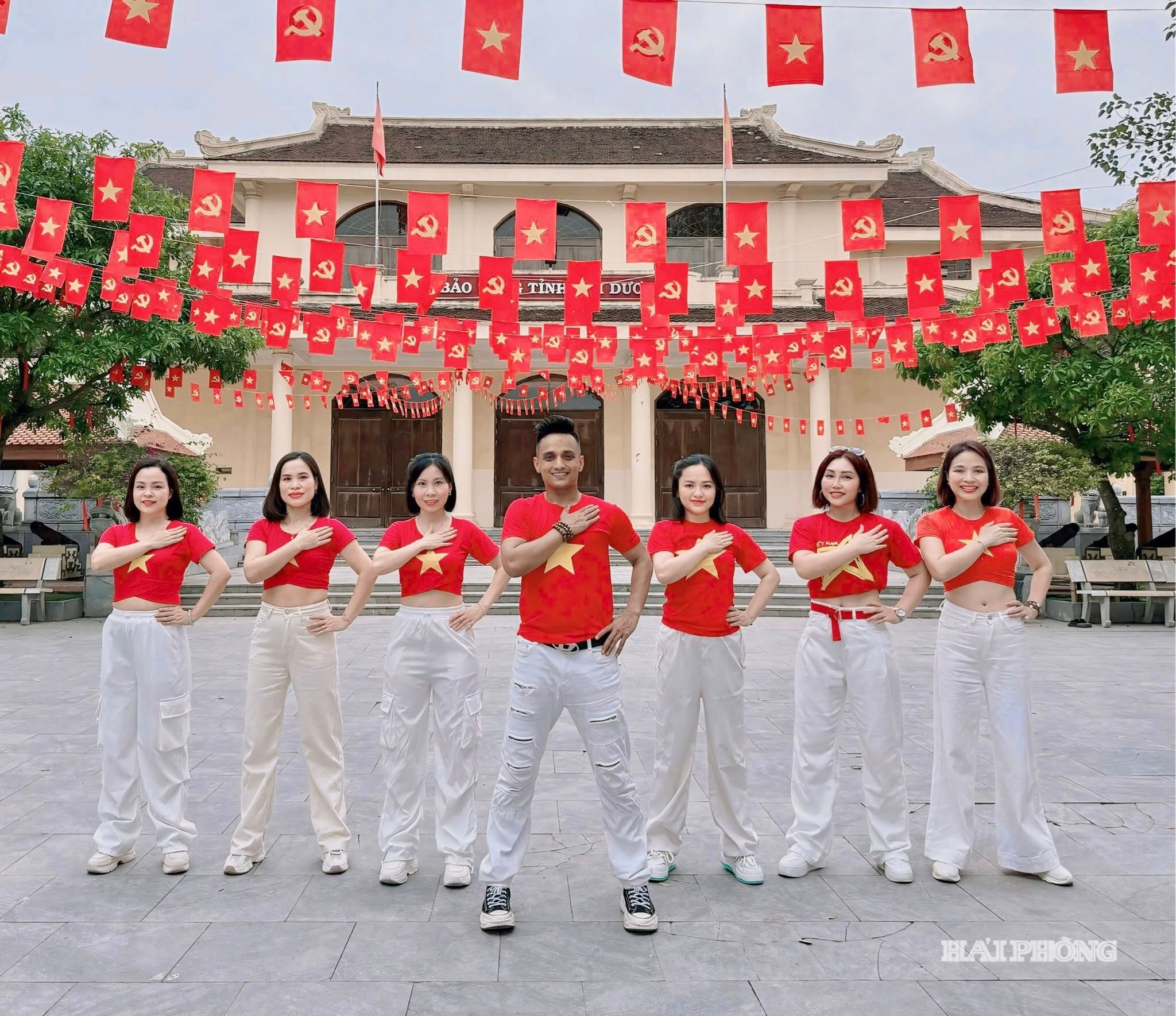
After more than 10 years living in Vietnam, Nagaraj Kotennavar, an Indian national who works as a dance instructor in Hai Phong, still sets aside time to learn Vietnamese every day. He has never attended a university or formal language course, relying mainly on conversations with people around him.
Nagaraj said he is curious about Vietnamese culture and appreciates the way Vietnamese people treat foreigners, especially residents of Hai Phong. The warmth he has experienced in everyday life has led him to regard Vietnam as his second home, and he hopes to continue living here for the long term.
For foreigners in Hai Phong, the need to learn Vietnamese stems from various purposes, ranging from everyday communication to work and study. The city has many industrial parks hosting foreign-invested businesses, along with teams of experts and managers working there. Knowing Vietnamese helps them communicate more easily with colleagues and integrate into the local community.
In Hai Phong, TOMATO Foreign Language and Overseas Study Consulting Center also offers Vietnamese courses for foreigners. Programs are tailored to learners' needs, ranging from conversational Vietnamese to courses designed for academic purposes. Individual tutoring and small-group classes allow teachers to adjust the content to suit each learner's proficiency level.
Rather than focusing solely on vocabulary and grammar, learners practice listening and speaking through everyday situations, such as greeting people, ordering drinks, communicating with colleagues and having casual conversations. This approach helps them develop conversational reflexes and avoid understanding lessons in class but struggling to use the language in real-life situations.
Teaching Vietnamese to foreigners involves more than explaining vocabulary and grammar. It also requires clarifying how words are used in different contexts, providing opportunities for practice and helping learners understand the nuances of communication.
Learning through cultural experiences
At universities in Hai Phong, Vietnamese is an essential tool for international students. Proficiency in the language enables them to access specialized academic programs, manage their daily activities independently and integrate into the learning environment.
During the 2021-2026 period, Hai Phong University received and provided preparatory Vietnamese language training for 50 students from Oudomxay Province, Laos. Currently, 19 students from the province are studying at the university across seven academic disciplines. The university continues to assess their language proficiency and adjust its teaching and learning activities to meet individual needs, helping them improve their Vietnamese and prepare for further study.
At Hai Duong University, 15 students from Vientiane Province, Laos, were admitted under a cooperation program between the two localities for the 2024-2028 period. The university provides Vietnamese language instruction so that they can pursue their specialized studies after one year of language training.
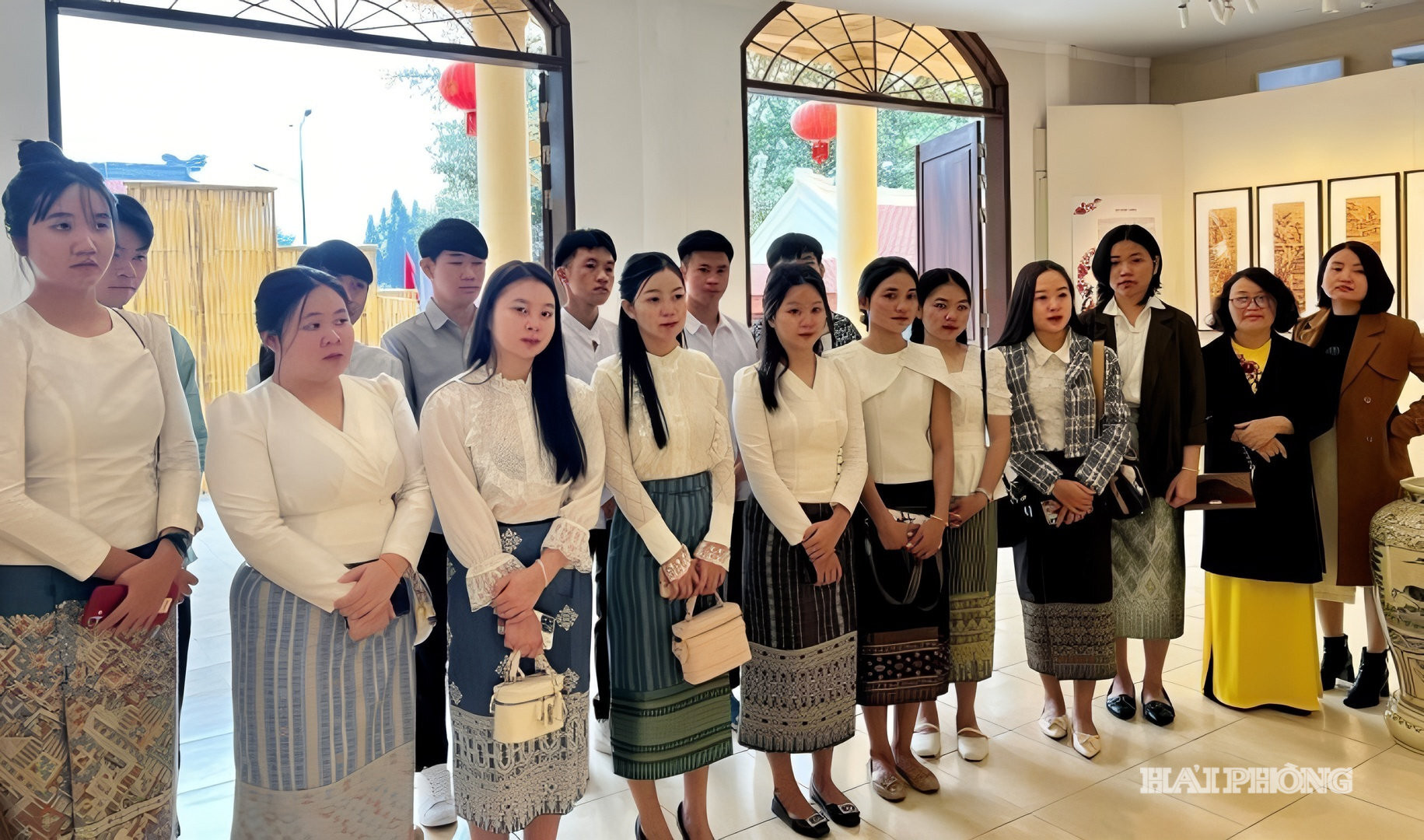
In addition to classroom lessons, students visit cultural and historical sites to learn about local customs, traditions and people. These activities allow them to use Vietnamese in everyday situations and gain a deeper understanding of the country where they are studying.
Cultural exchange programs also provide opportunities to practice the language. During Bunpimay, the traditional Lao New Year, in 2026, Lao students at universities in Hai Phong took part in gatherings and friendship exchanges. Through these activities, they had opportunities to learn about each other's customs, talk with Vietnamese friends and experience the atmosphere of traditional celebrations.
Learning Vietnamese therefore takes place not only in classrooms but also during visits, cultural exchanges and conversations with local residents. Everyone has their own way of learning, whether through formal courses, private tutoring or everyday communication. For Hai Phong, developing Vietnamese language programs linked to cultural exchange will help foreigners integrate more easily into the community and gain a deeper understanding of Vietnamese culture.
LINH LINH