
Unlocking resources to drive growth in 2027
Hai Phong is proactively preparing resources for 2027, laying a solid foundation for achieving its economic development targets for 2026 – 2030.
New projects create room for growth
Alongside efforts to achieve GRDP growth of at least 13% in 2026, Hai Phong is preparing conditions for development in 2027, aiming to sustain high growth throughout the 2026-2030 period.
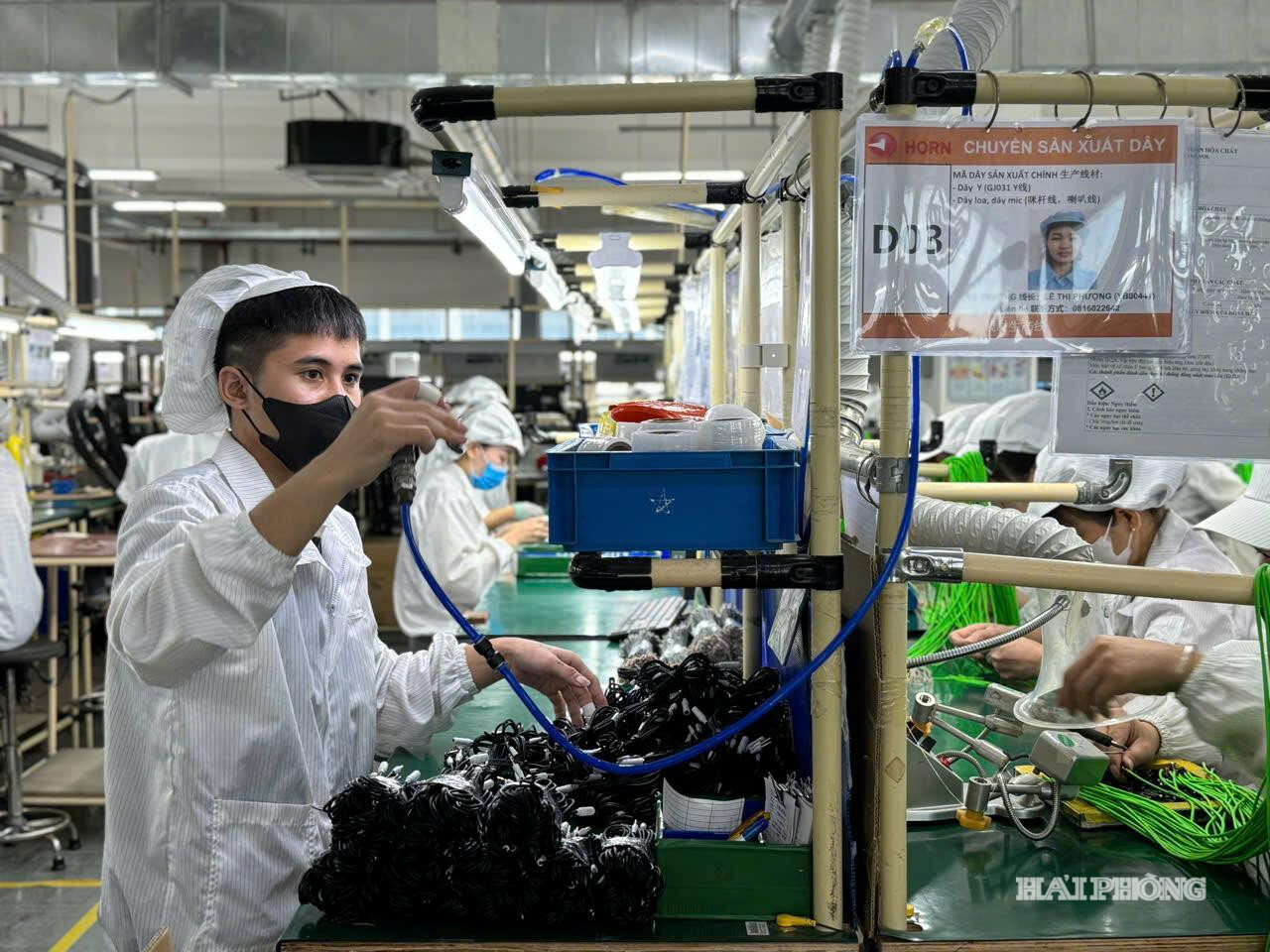
Resources for growth in 2027 are taking shape through projects being implemented in 2026. According to the city's review, 58 projects were expected to complete construction in the second half of the year and prepare to begin operations. These include 40 projects in economic and industrial zones, six in industrial clusters and 12 outside these areas. By August 2026, 15 projects had completed construction.
Alongside new factories, Hai Phong continues to expand its industrial development space. In the first nine months of 2026, the city approved investment policies and investors for the establishment of six new industrial parks and broke ground on nine. Expanding the supply of industrial land needs to go hand in hand with infrastructure development, site clearance and attraction of secondary investment projects.
The business sector plays an important role in expanding production and business activities. In the first nine months of 2026, more than 5,750 new businesses were established in Hai Phong. However, their contribution to growth will also depend on operational capacity and access to capital, technology and markets. Developing supporting industries and strengthening links between domestic businesses and FDI corporations will create more opportunities to join supply chains and unlock further growth potential for the city's economy.
Preparing conditions for development
To make effective use of available resources, Hai Phong needs coordinated preparations in public investment, the business environment, and enterprise and human resource development to achieve average annual GRDP growth of at least 13% during 2026 – 2030.
The 2027 public investment plan needs to be prepared early associated with the progress and effectiveness of individual projects. The city should review ongoing projects and prioritize works that strengthen interregional connectivity, serve industrial parks and seaports, and expand development space.
Alongside new industrial projects, demand for skilled workers, particularly in high-tech industries, is rising. The city needs to forecast recruitment needs early and strengthen training partnerships between vocational education institutions and businesses. Developing social housing, public transport and essential services will also help attract and retain workers.
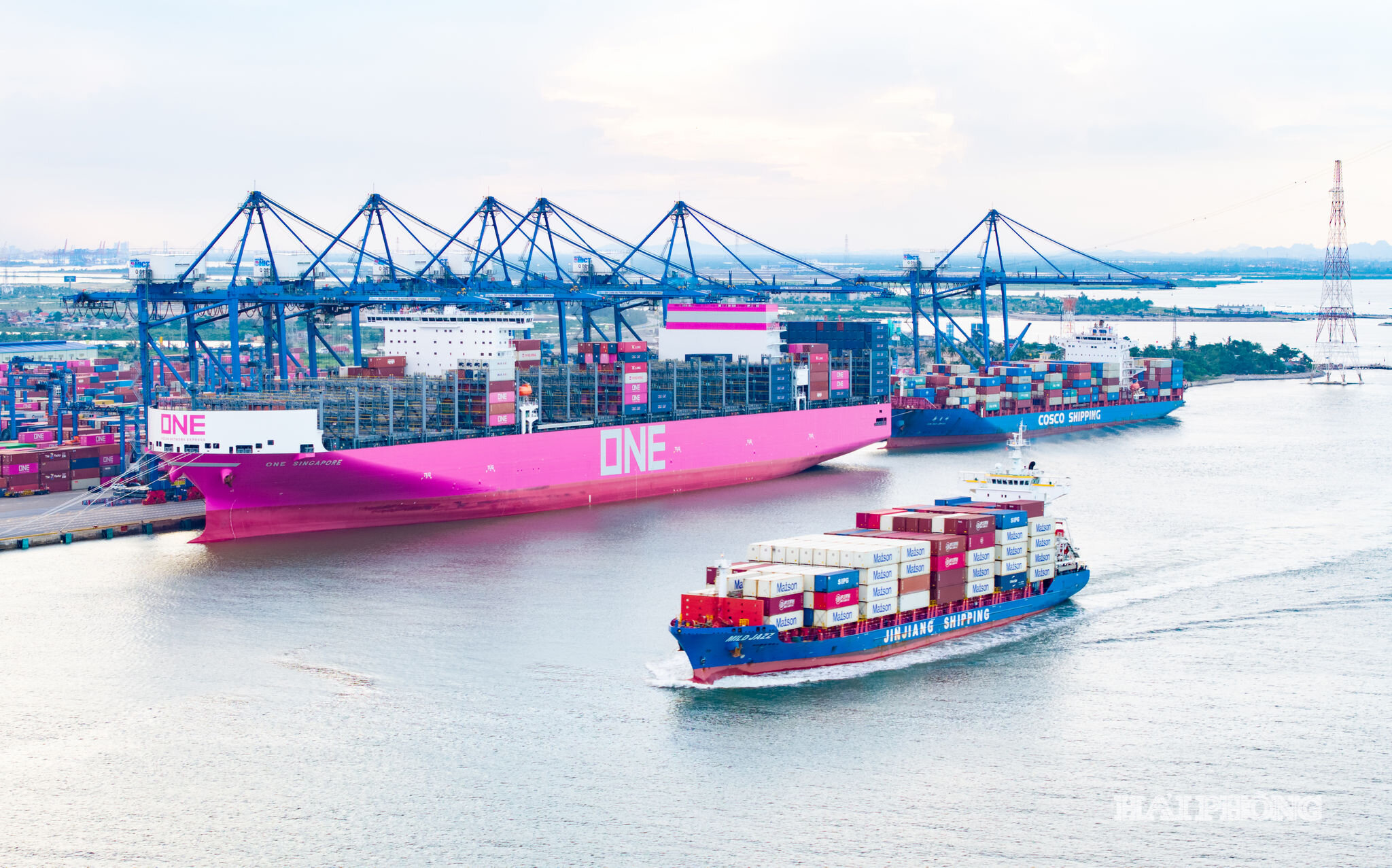
Growth resources also come from the transport network, seaports and logistics. Once completed, projects connecting industrial parks with seaports, expressways and logistics centers will improve transport capacity and reduce costs for businesses.
At the fifth meeting of the Hai Phong Party Committee in early October 2026, Secretary of the City Party Committee Le Ngoc Chau called for proactive preparation of the 2027 socio-economic development plan and development of an economic management scenario from the beginning of the year.
He also directed urgent finalization of the 2026-2030 medium-term public investment plan, establishment of investment priorities and development of an integrated process for handling investment, construction and land procedures for major and key projects.
In response to this direction, the 2027 growth scenario needs to be based on a realistic assessment of existing production capacity, the progress of new projects, the ability to mobilize capital and market prospects. It should clarify the expected contributions of each industry and sector, with responsibilities and implementation deadlines clearly assigned.
As a national growth hub, Hai Phong needs to capitalize on its strengths in industry, seaports and logistics while improving resource-use efficiency. Preparations made toward the end of 2026 will help projects begin operations sooner and enable businesses to expand production, creating momentum for growth in 2027 and beyond.
HA KIEN