

Resettlement areas pave way for projects
Hai Phong is accelerating investment in resettlement areas and developing integrated infrastructure to provide land for site clearance for the city's key projects.
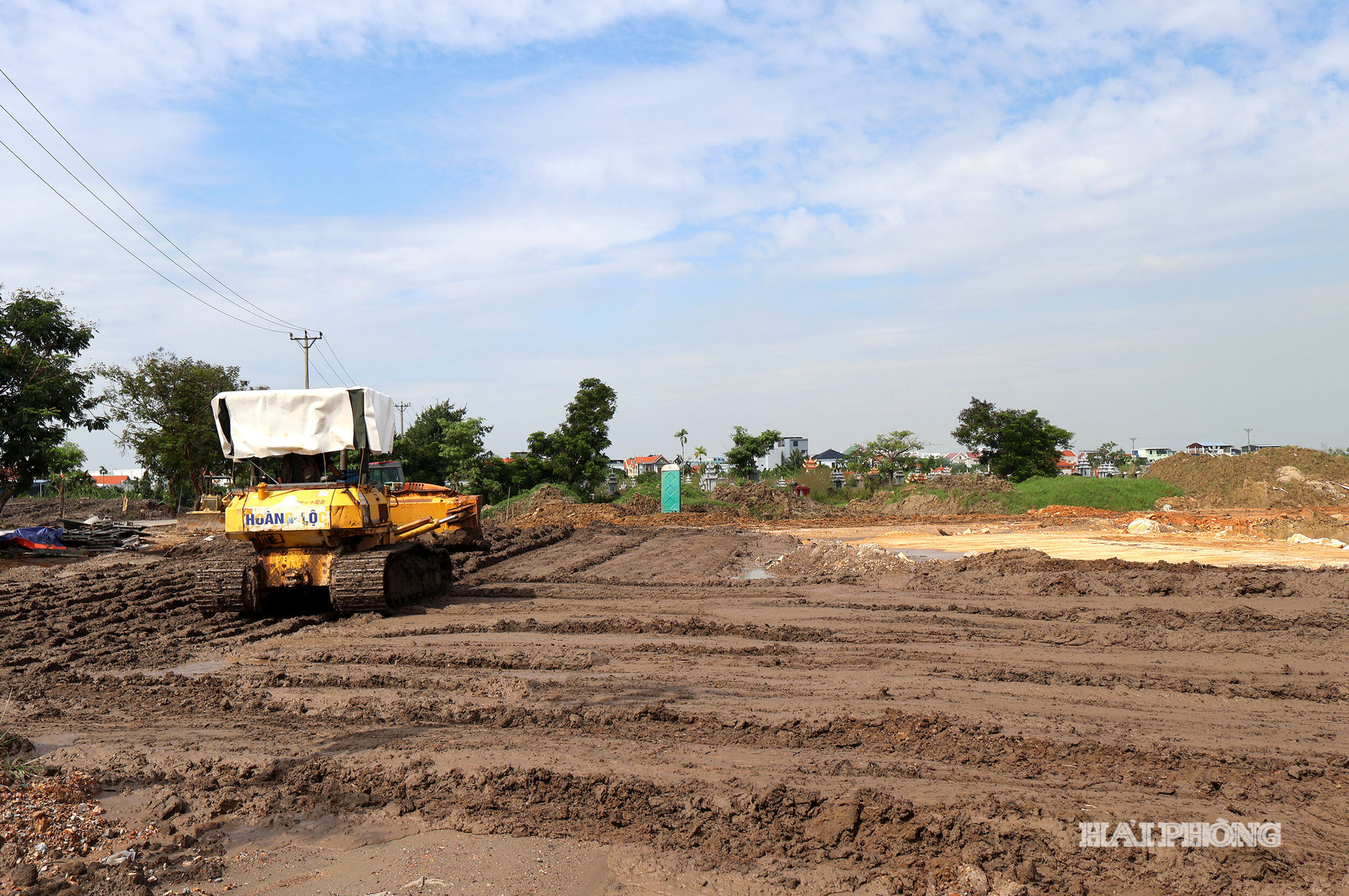
Rapid construction of resettlement areas
Guided by the principle that “resettlement must come before site clearance,” the resettlement infrastructure construction project in Nam Trieu Ward has been fast-tracked since early July 2026. Covering 13.66 hectares, the project will provide 733 resettlement plots. Its technical infrastructure is expected to be completed by the end of 2026.
The Nam Trieu Ward resettlement area will support site clearance for the Hai Phong Development Project for Climate Change Adaptation (Ring Road 3), as well as other projects of the city in the area.
Following the principle of “resettlement first to clear the way,” in September 2026, the Hai Phong Civil and Industrial Construction Investment Project Management Board launched four resettlement area construction projects across Phu Lien, Kien An, Duong Kinh, Hung Dao, Do Son, Nam Do Son and An Hai wards. Covering a combined area of more than 70 hectares, the projects will provide over 3,400 resettlement plots to support site clearance for key projects undertaken by the city and local authorities.
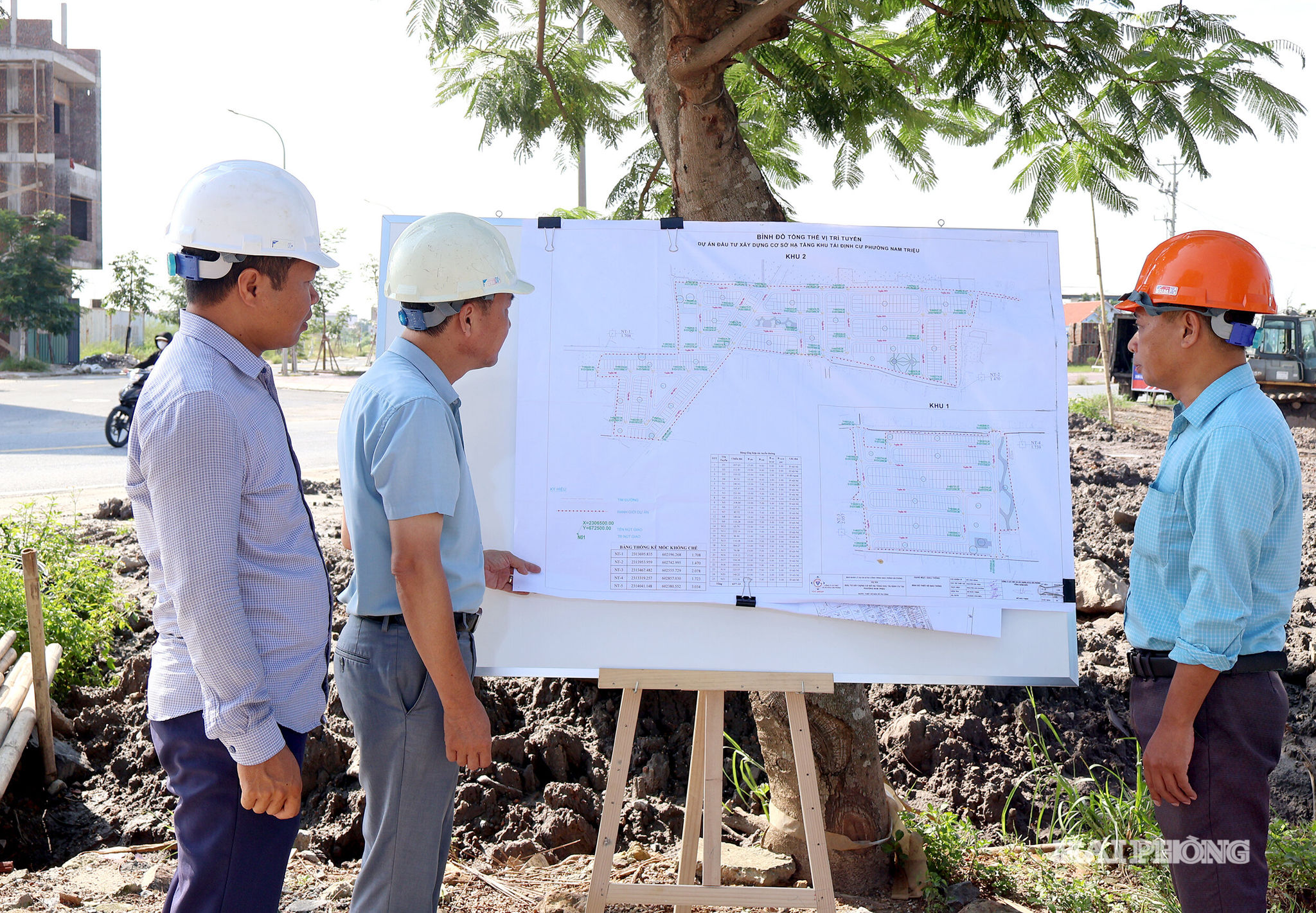
Chairman of the Phu Lien Ward People's Committee Pham Van Dien said four resettlement sites covering nearly 25 hectares would be developed in the ward under the infrastructure construction project for resettlement areas in Kien An and Phu Lien wards.
Developing these resettlement areas in the ward will not only provide land for site clearance but also help establish an integrated technical infrastructure system, gradually improving and developing the urban landscape.
Large scales with standards approaching new urban areas
According to leaders of the Hai Phong Civil and Industrial Construction Investment Project Management Board, alongside the resettlement infrastructure projects launched in September, the board is continuing to submit proposals to relevant departments and the City People's Committee for approval of further resettlement projects to support site clearance in the coming period.
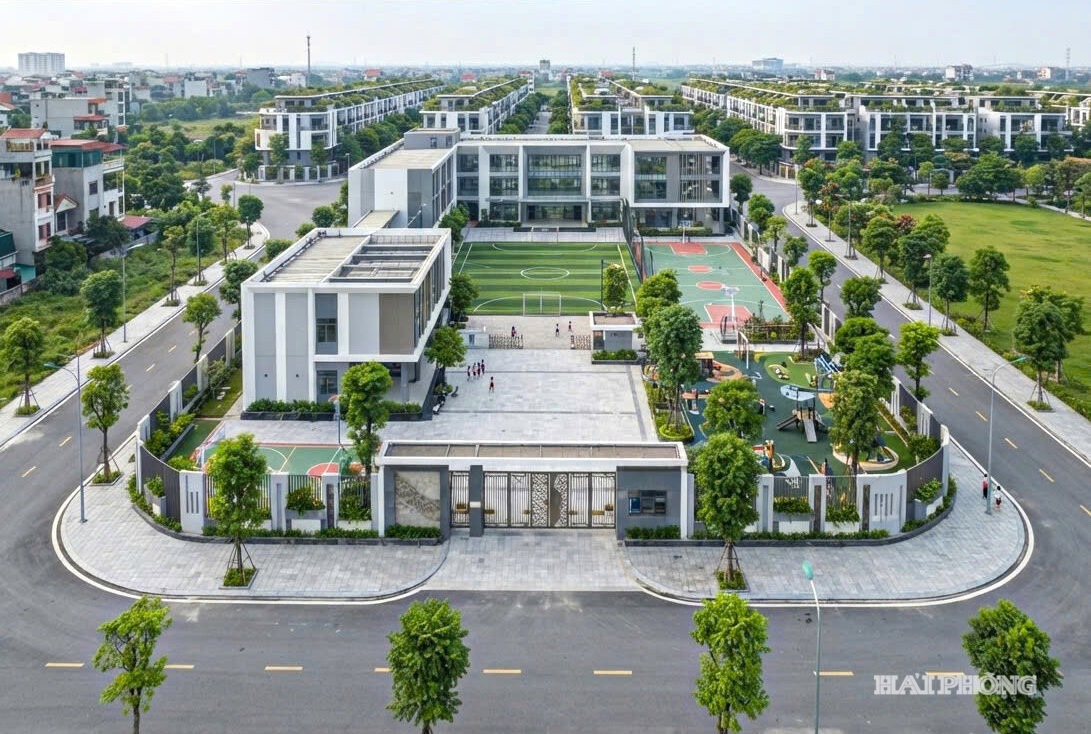
The projects all have modern and integrated technical infrastructure and large scales. Notable examples include the proposed resettlement area in Hung Thang Commune, covering nearly 61 hectares and providing more than 2,500 plots; the resettlement area serving Vinh Bao and Nguyen Binh Khiem communes, covering approximately 25.7 hectares with 947 plots; and the resettlement area in An Bien Ward, covering 11.52 hectares and accommodating 733 plots.
Regarding investment in resettlement areas, at a meeting in late September to review public investment disbursement and site clearance for projects across the city, Le Trung Kien, Member of the Standing Committee of the City Party Committee and Vice Chairman of the City People's Committee, asked the Department of Construction to review all investment policies for resettlement areas across the city.
Future resettlement projects must feature integrated, modern infrastructure, be developed on a large scale and meet standards comparable to those of contemporary new urban areas. This approach will not only help establish new residential communities but also build public trust and consensus as the city implements major projects in the coming years.
Site clearance should not be treated solely as the responsibility of individual projects or local authorities; it must also be aligned with the city's overall development strategy. Developing resettlement areas to standards comparable to those of new urban areas can help improve implementation outcomes and strengthen the trust and support of residents whose land is acquired.
BAO NGUYEN