
Applying science and technology to control air pollution
Hai Phong is stepping up the use of science, technology and digital data to identify emission sources, improve forecasting and control air pollution.

Identifying sources
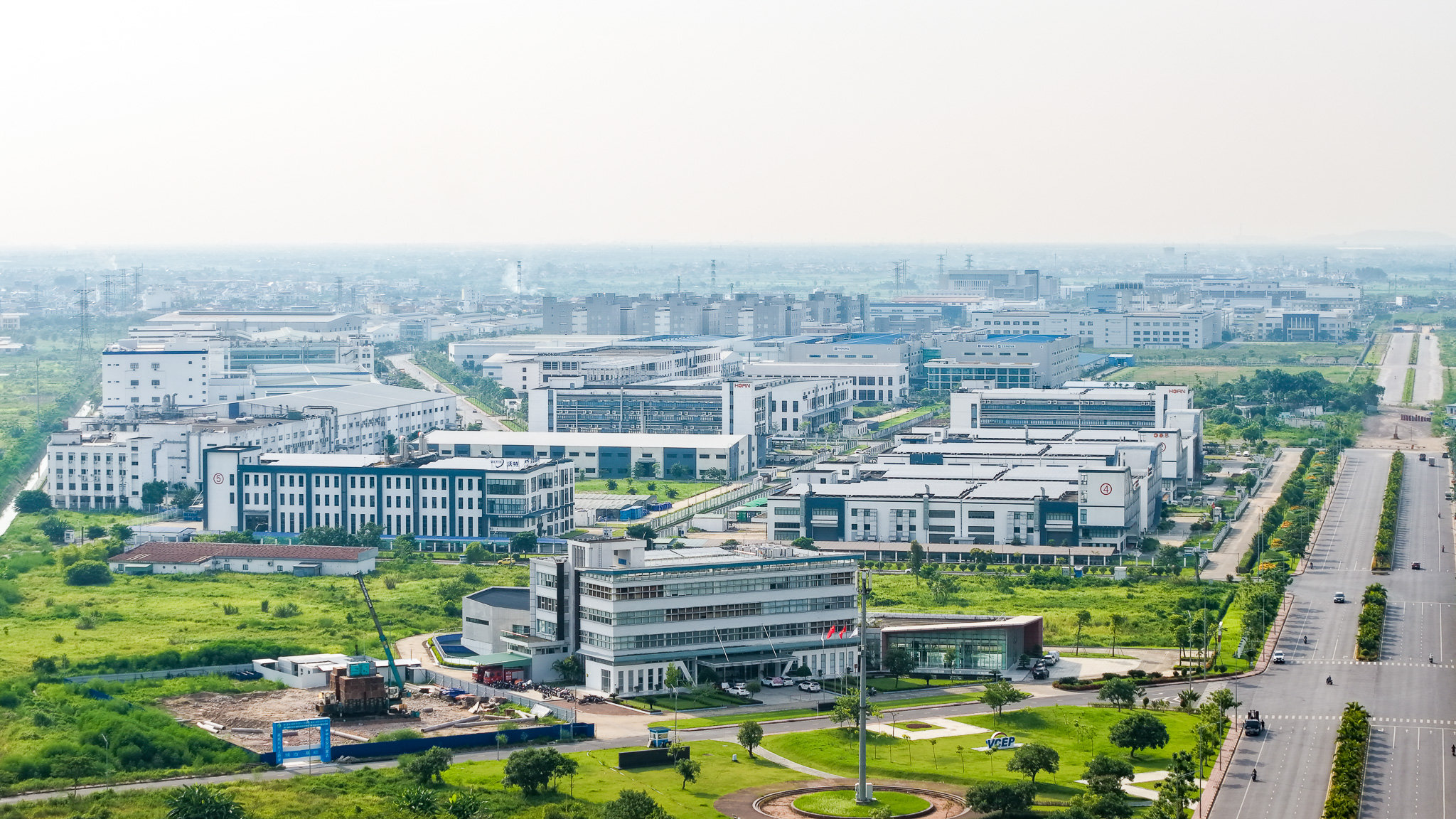
As a major industrial, seaport and logistics hub, Hai Phong is rapidly expanding its development footprint. As of early 2026, the city had established 46 industrial parks covering a total area of 13,009 hectares. Growing manufacturing, transportation and construction activities are driving economic growth while increasing pressure on emission control.
The city's environmental status report shows that air quality is generally good to moderate, although localized dust pollution occurs in urban areas, industrial parks and industrial clusters.
According to Dr. Phan Quang Thang of the Institute of Energy Science and Technology and Environment under the Vietnam Academy of Science and Technology, Hai Phong needs to move beyond primarily monitoring air quality data to identifying causes, quantifying the contribution of individual emission sources and assessing the effectiveness of interventions.
One solution is to integrate air quality monitoring data with meteorological information, emission inventories and simulation models. The WRF-CMAQ model can simulate the formation, transport and distribution of pollutants. In combination with the zero-out method, specialists can assess the contribution of different emission sources and select appropriate emission-reduction scenarios rather than applying uniform measures.
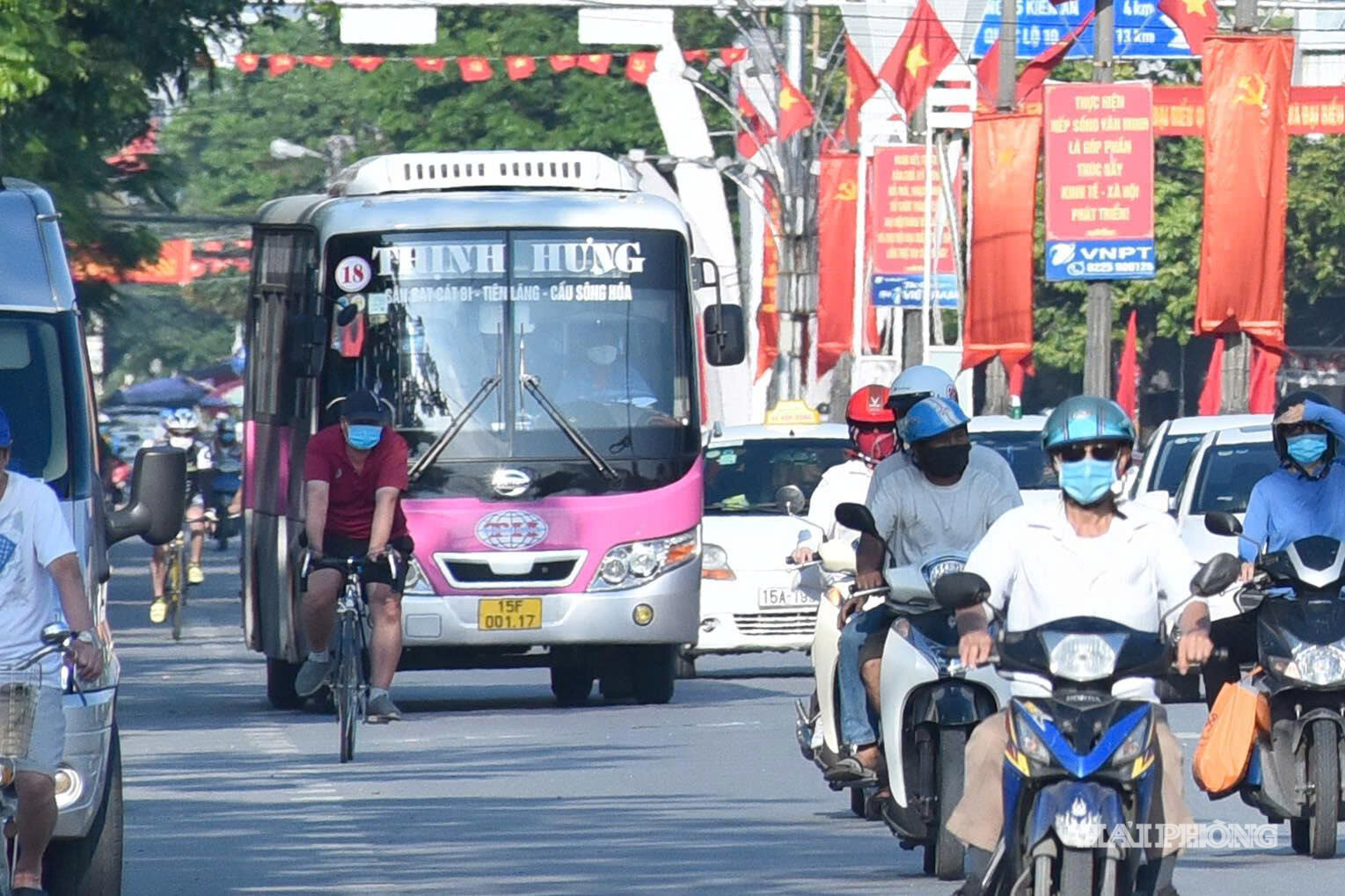
The city's coastal location also requires a tailored approach. Associate Professor Dr. Doan Ha Phong of the Institute of Meteorology, Hydrology, Environment and Sea Sciences noted that average wind speeds at some locations are higher than inland areas, depending on the season. However, stronger winds do not necessarily mean better air quality. Under certain conditions, sea and land breezes can cause pollutants to recirculate and remain in coastal areas for longer.
A coordinated, continuous meteorological and air quality monitoring system is therefore needed, particularly in port, logistics and industrial areas such as Dinh Vu-Lach Huyen, as well as inland areas at risk of pollution.
Improving forecasting capability
To turn data into an effective management tool, Hai Phong needs infrastructure capable of connecting and analyzing information and issuing early warnings. According to Nguyen Minh Hiep, an environmental digital transformation solution expert at Viettel Solutions, the differences between the industrial and port areas in the east and the manufacturing, craft village and river areas in the west require continuous, integrated monitoring.
Viettel Solutions proposes reviewing and restoring the operation of 35 existing automatic monitoring stations and installing nine additional automatic air quality monitoring stations in the eastern part of the city.
Air quality data must undergo quality control and be integrated with automatic wastewater and exhaust emission monitoring data from industrial parks, industrial clusters, centralized wastewater treatment plants and large production facilities. The data would then be connected to the city's shared data repository through the LGSP platform.
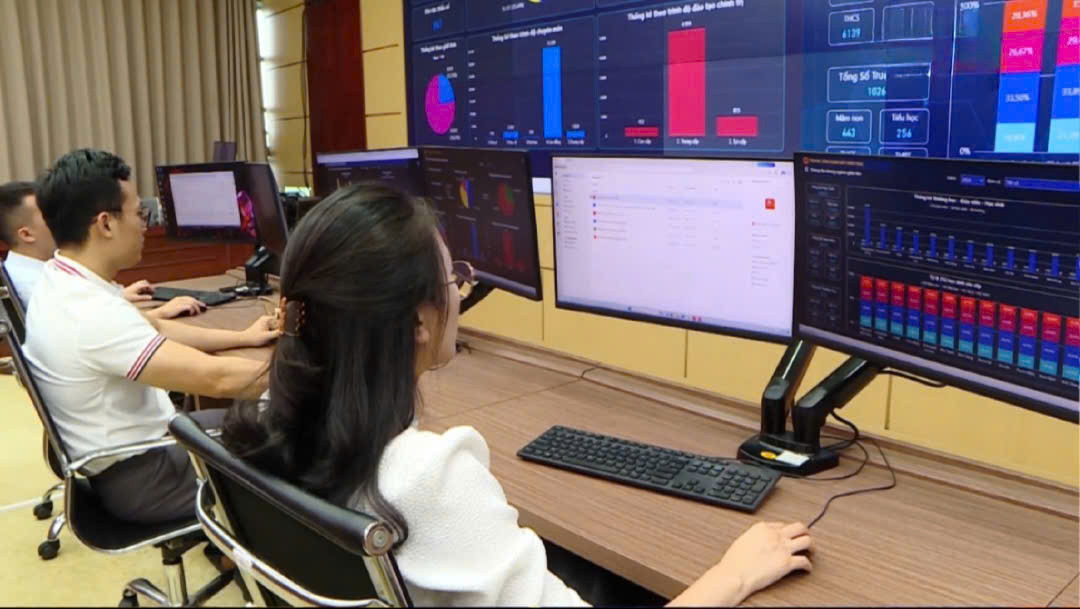
By integrating this information with planning, traffic, population and healthcare data, the system could analyze relationships between economic activities, emission sources and environmental quality. Modeling technology could map pollution distribution, forecast air quality 6 – 24 hours ahead, warn of areas at risk of exceeding thresholds and help trace emission sources for inspection and enforcement.
Nguyen Thi Cam Huong, Director of the Hai Phong Center for Innovation and Science and Technology Applications, said science and technology directly support environmental management, emission control, and the development of green ports and eco-industrial parks.
The city plans to study and apply smart monitoring networks, artificial intelligence for pollution forecasting, mechanical solutions, green transportation, production technology assessments and industrial emission controls. It is also focusing on tools to measure, report and verify carbon emissions in logistics.
For Hai Phong, applying science and technology will make data a basis for identifying emission sources, selecting solutions and evaluating actual results. Combined with policy enforcement, emission control and interagency coordination, these efforts can help the city respond proactively to pollution, protect public health and develop its industrial and port sectors in a green, sustainable manner.
THANH VAN