
Hai Phong fosters business growth to sustain budget revenue
Hai Phong’s state budget revenue continued to grow in the first nine months of 2026, supported by strong performance in production, trade and imports-exports, as well as timely support for businesses.
Meeting the remaining target
Reports on the implementation of the city’s socio-economic tasks in the first nine months of 2026 estimate that Hai Phong’s state budget revenue reached VND 162.173 trillion, up 11.7% year on year. Domestic revenue accounted for VND 80.522 trillion, while revenue from import-export activities totaled VND 72.974 trillion.
Under Resolution No. 11-NQ/TU, Hai Phong has set a target of collecting at least VND 208 trillion in state budget revenue in 2026, including VND 91 trillion from import-export activities and VND 108.8 trillion in domestic revenue. Based on the results for the first nine months, the city needs to collect more than VND 45.8 trillion in the fourth quarter to meet its full-year target.
Meeting this target will be a major task in the final quarter of the year. At the same time, clearing obstacles to investment, expanding production capacity and supporting business growth will help lay the groundwork for economic growth in 2027.
A review of the implementation of Resolution No. 11, presented at a meeting of the municipal Party Committee, called for more effective revenue collection, faster land valuation, collection of overdue payments and fulfillment of financial obligations by investment projects. It also stressed the need to strengthen revenue management, prevent revenue losses and ensure that taxes and other state revenues are collected accurately, fully and on time.
Strengthening the revenue base
Data presented at the fifth meeting of the Hai Phong Party Committee on October 2 showed that industrial production rose 15.23% in the first nine months of 2026. Total retail sales of goods and consumer service revenue reached VND 320.89 trillion, up 16.08%. Exports totaled USD 43.72 billion, an increase of 12.3%, while cargo throughput at the city’s ports reached 156.3 million tonnes, up 11.8%.
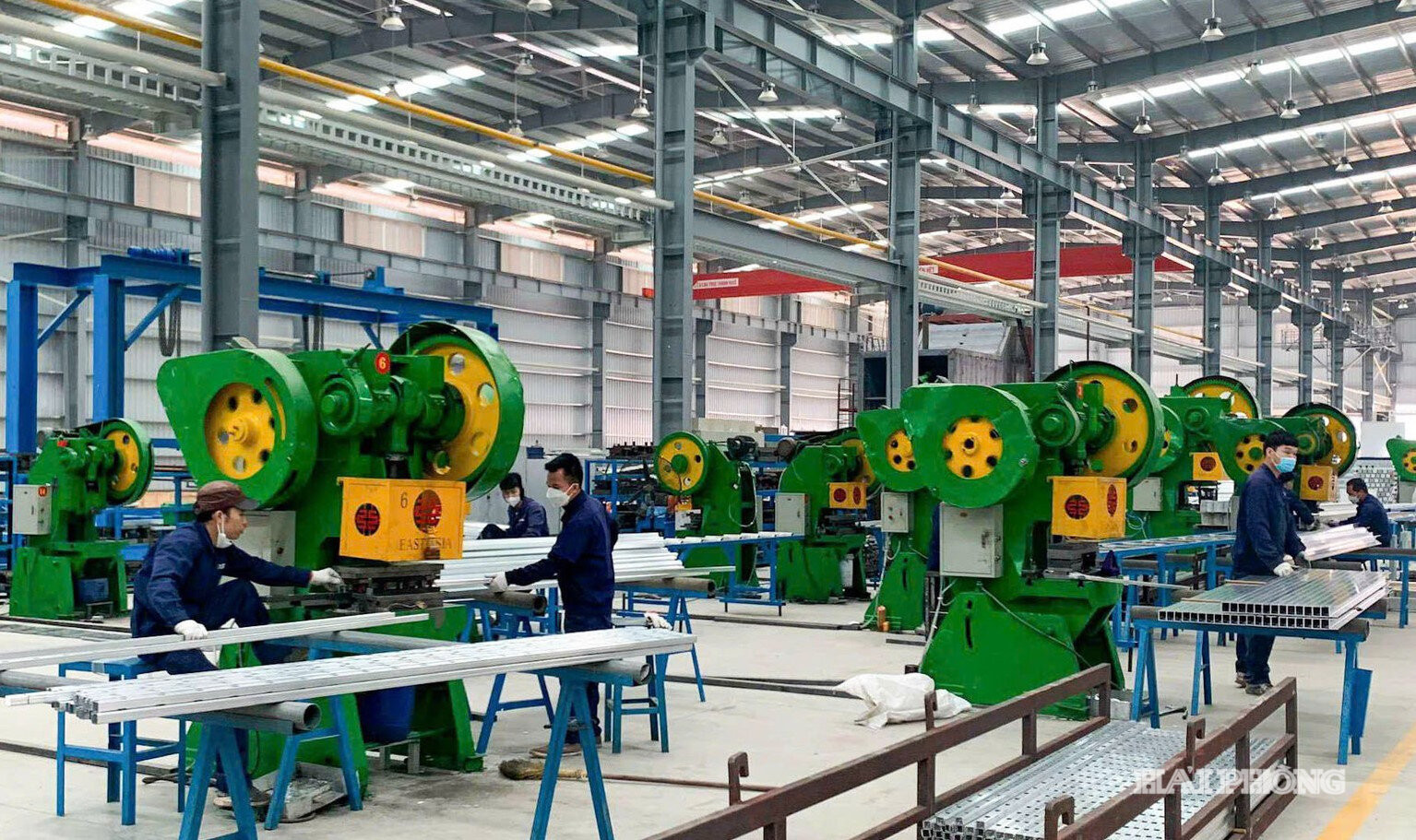
Growth in industrial production, exports and port cargo throughput points to stronger production capacity and continued growth in goods flows. As the economy expands, the city has a broader base from which to generate revenue.
Phung Ngoc Minh, Deputy General Director of Saigon Newport Corporation, said the region’s cargo base was creating opportunities to develop specialized logistics chains, distribution centers, bonded warehouses, inland container depots (ICDs), container depots and services supporting production and import-export activities. He said cargo flows through Lach Huyen Port should be viewed in the context of the wider region and its economic corridors.
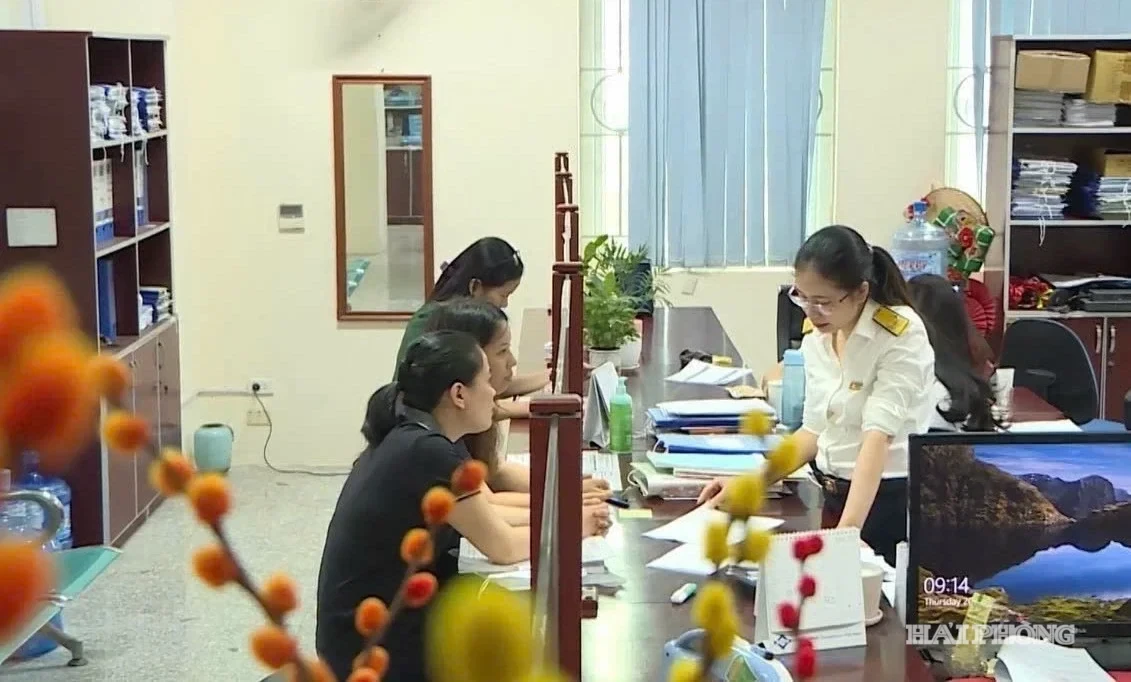
The tax sector has also emphasized the link between business support and the sustainable development of budget revenue. Nguyen Tien Truong, Head of the Hai Phong Tax Department, said tax policies directly affected businesses’ cash flow, costs, profits and decisions on expanding production and operations.
The department aims to combine effective tax administration with business support, linking inspections with guidance, reducing compliance costs and helping businesses resolve difficulties related to their tax obligations.
Building momentum for future growth
Revenue from land and financial obligations associated with investment projects differs from recurring revenue generated by production and business activities. In the long term, sustainable revenue growth depends on expanding the economy and increasing the scale of production and business operations.
Hai Phong’s investment performance points to further potential. In the first nine months of 2026, the city attracted USD 3.63832 billion in FDI, up 64.4% year on year and equivalent to 93.3% of its annual target. During the period, six industrial parks were established or approved in principle together with approval of their investors, while construction began on nine industrial parks.
At the fifth meeting of the Hai Phong Party Committee, Party Secretary Le Ngoc Chau called for stronger management of budget revenue and expenditure, as well as action to resolve bottlenecks involving land clearance, land prices and projects funded outside the state budget to increase revenue. He also called for difficulties facing key businesses to be addressed and procedures for bringing new projects into operation to be expedited.
In the short term, the priority is to manage revenue effectively and meet the annual collection target. Over the longer term, however, sustainable revenue growth will depend on the scale and efficiency of the economy. Speeding up administrative procedures and site clearance, completing industrial park infrastructure, supporting business expansion and bringing new projects into operation sooner will strengthen Hai Phong’s economic base and help sustain revenue growth in the years ahead.
Hai Phong News