
Hai Phong agriculture poised for breakthrough
Hai Phong has significant advantages for developing modern, ecological and high-tech agriculture linked to processing, export and rural tourism.
Significant potential and development opportunities
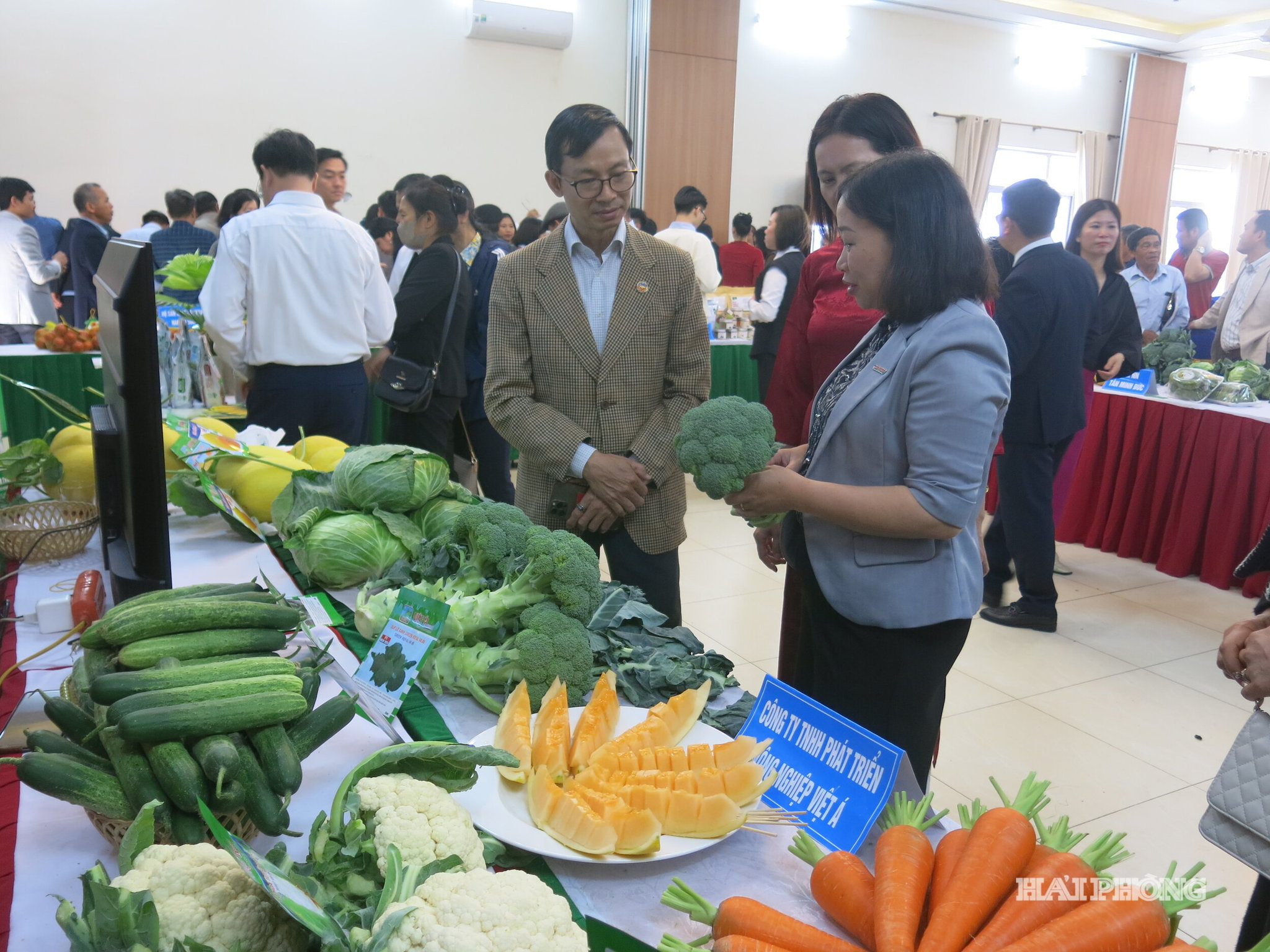
Agriculture today is not only expected to produce more, but also to produce better, more cleanly and more intelligently, with greater value. Consumers are increasingly concerned about product quality, food safety, product origin, production environments and the cultural values associated with each product.
Over the past time, many localities across the city have benefited from favorable natural conditions and abundant agricultural resources, creating opportunities to develop ecological agriculture based on distinctive products such as Thanh Ha lychees and guavas; garlic from Nam Sach and Kinh Mon; Cam Giang carrots; oranges, kudzu and golden-flower sticky rice in Kinh Mon; Kim Thanh jicama; Chi Linh hill-raised chicken; and Tu Ky ragworms.
The city has begun to make effective use of this potential through several notable models, including Dao Co (Stork Island) Ecological Area and the “Ripe Fruit Season in Xu Dong” lychee experience. Visitors can not only sample local specialties and take photos, but also immerse themselves in ecological landscapes, take part in traditional activities and folk games, and enjoy authentic rural cuisine.
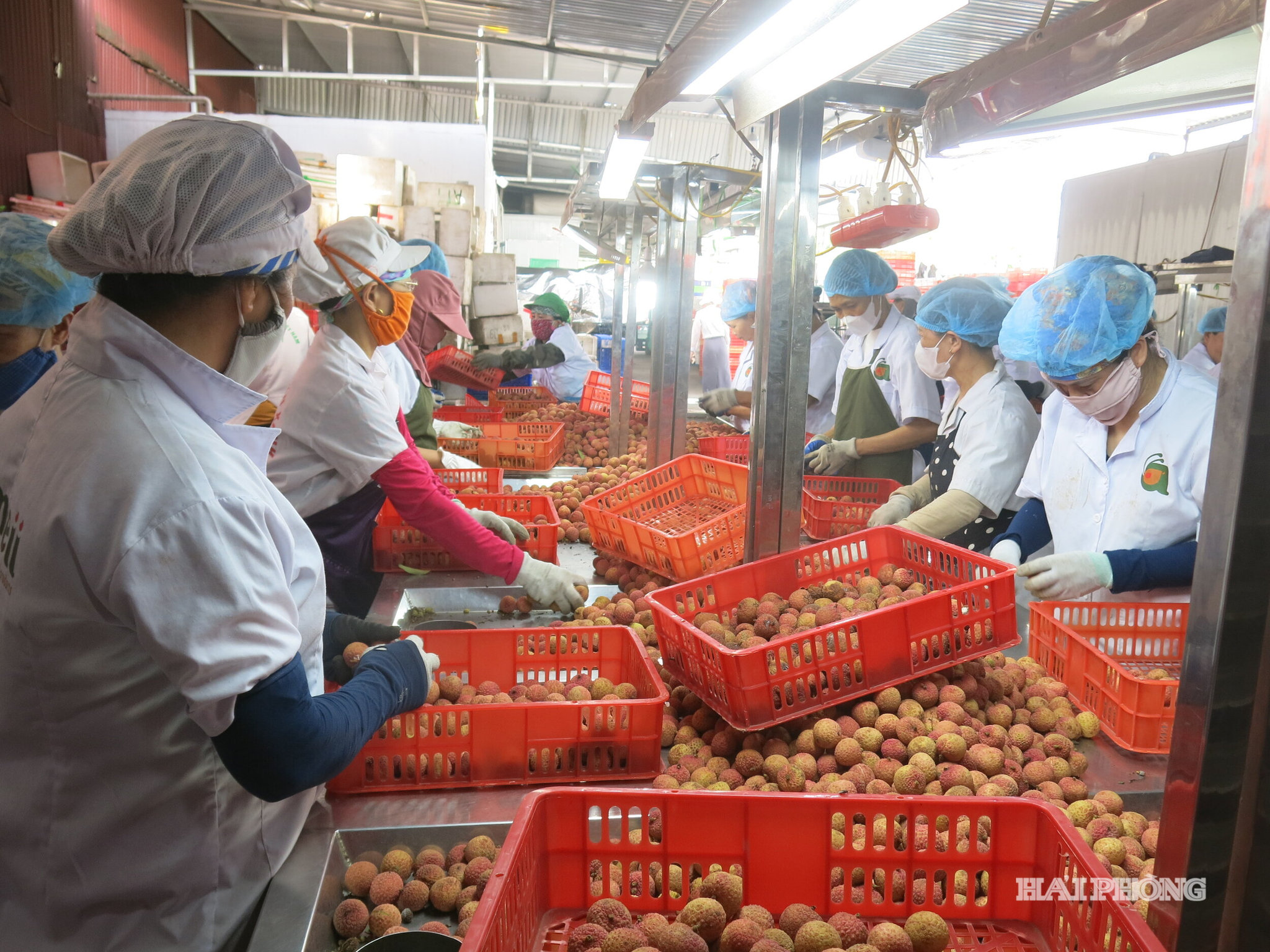
For some agricultural products, Hai Phong has established commercial production areas linked to export markets. Lychees grown in Thanh Ha and Ha Dong communes have been officially exported for many years. During harvest season, more than 50% of the output is shipped to markets in Japan, South Korea, the EU and Australia.
Carrots are also a major export product. They are grown on approximately 1,500 hectares, producing 75,000 – 80,000 tons annually, primarily in Tue Tinh Commune. Every year, thousands of tons of carrots are exported to South Korea, Malaysia, Japan, the EU and other markets.
Timely encouragement and support
Following the merger of Hai Phong City and Hai Duong Province, the city has gained additional advantages for developing modern agriculture on a larger scale. Hai Phong has an integrated logistics system comprising Lach Huyen deep-water port, more than 40 port terminals, a network of expressways and railways, Cat Bi International Airport, and abundant, diverse agricultural production areas in both the eastern and western parts of the city.
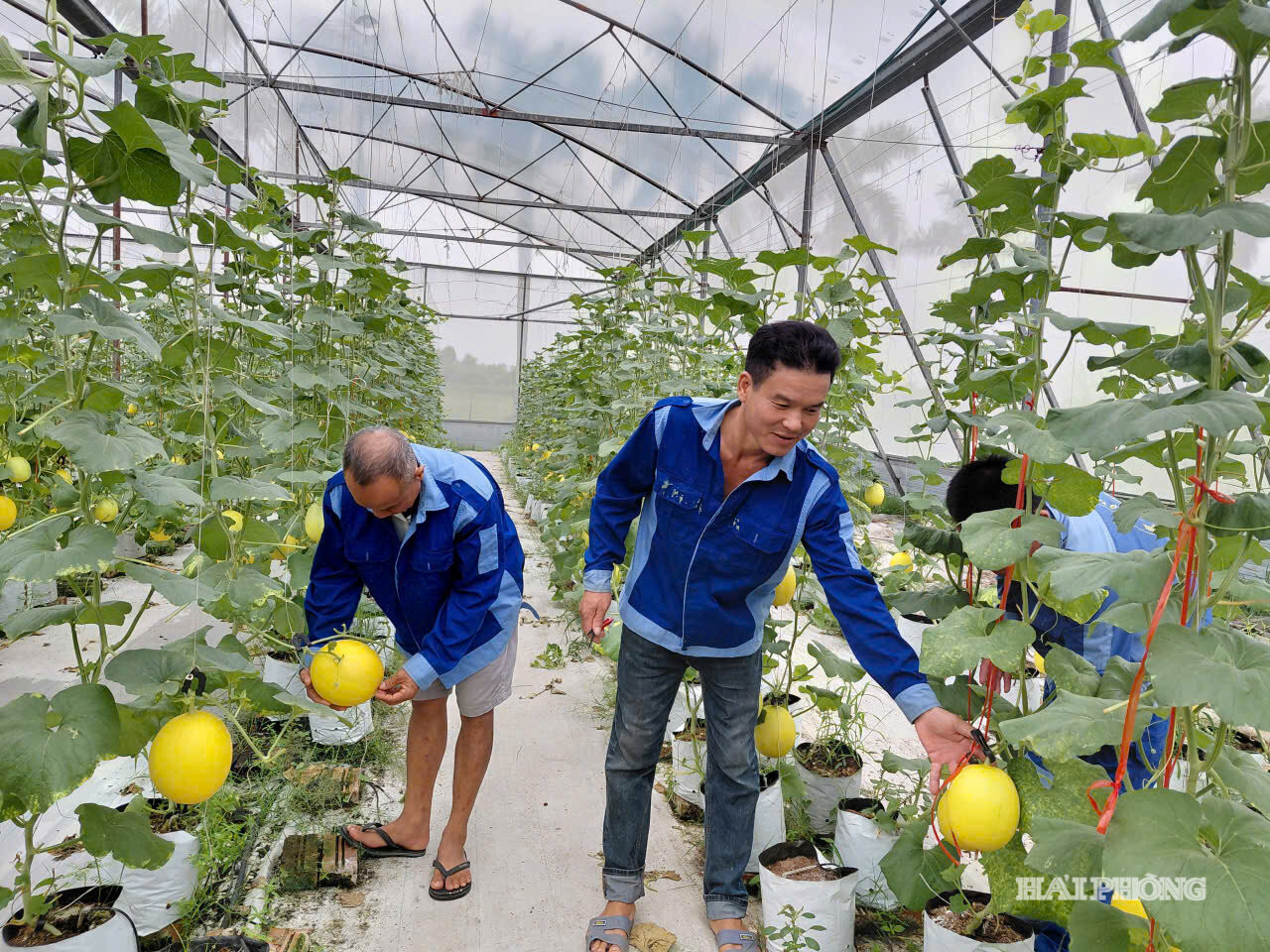
In the coming period, Hai Phong's agricultural sector aims to build a modern, ecological, efficient and sustainable agricultural system linked to green growth, with a focus on deep processing and export. This is seen as an important driver for increasing farmers' incomes and strengthening the city's position as an agricultural and fisheries economic hub in the Northern Coastal Region.
By 2030, Hai Phong aims to have more than 80% of its commercial production area covered by registered crop-growing and farming area codes, managed through digital logs and transparent traceability systems.
The city also aims to sell more than 60% of its agricultural and fishery output through purchase contracts, thereby strengthening long-term links between farmers and businesses. It plans to establish at least 10 high-tech agricultural clusters and build at least one internationally accredited agricultural product quality testing center to meet export market requirements.
According to Luong Thi Kiem, Deputy Director of the Department of Agriculture and Environment, during 2026 – 2030, the city will continue to promote high-tech agriculture, mechanization, smart farming and food-safety production processes that meet VietGAP, GlobalGAP and organic standards, with the goal of achieving sustainable development and global integration.
The city will also step up efforts to attract businesses to invest in high-tech agriculture and deep processing, while developing sustainable value chains linking businesses, cooperatives and farmers.
HUONG AN