

Diverse ways to foster love for fatherland
Schools in Hai Phong are innovating their approaches to fostering love for the fatherland, helping them understand, feel and raise their awareness of and sense of responsibility toward the nation.
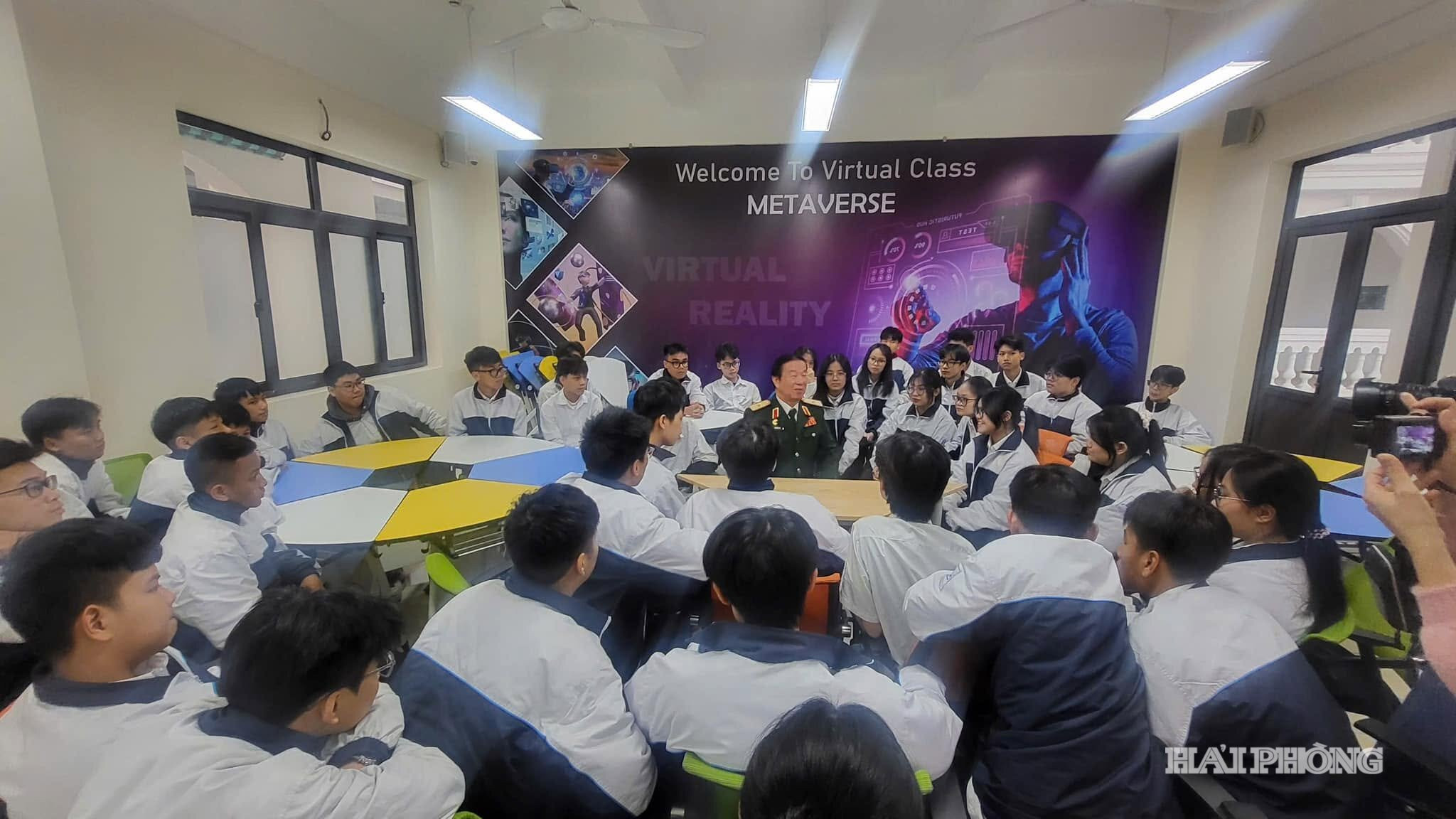
Nurturing patriotism
Nearly 2,000 officials, teachers and students of Hong Bang Senior High School had a special lesson when all of them were moved by the story of Major General Luu Xuan Cai, former Chairman of the Hai Phong Veterans Association, as he recounted the 81-day battle to defend the Quang Tri Citadel. Through the account of a historical witness, memories of those heroic years became vivid and deeply moving.
Beyond classroom lessons, schools across Hai Phong are using diverse approaches to foster love for the fatherland, tailored to different age groups and bringing history and national traditions closer to students, so that they not only learn about them but also feel and reflect on them.
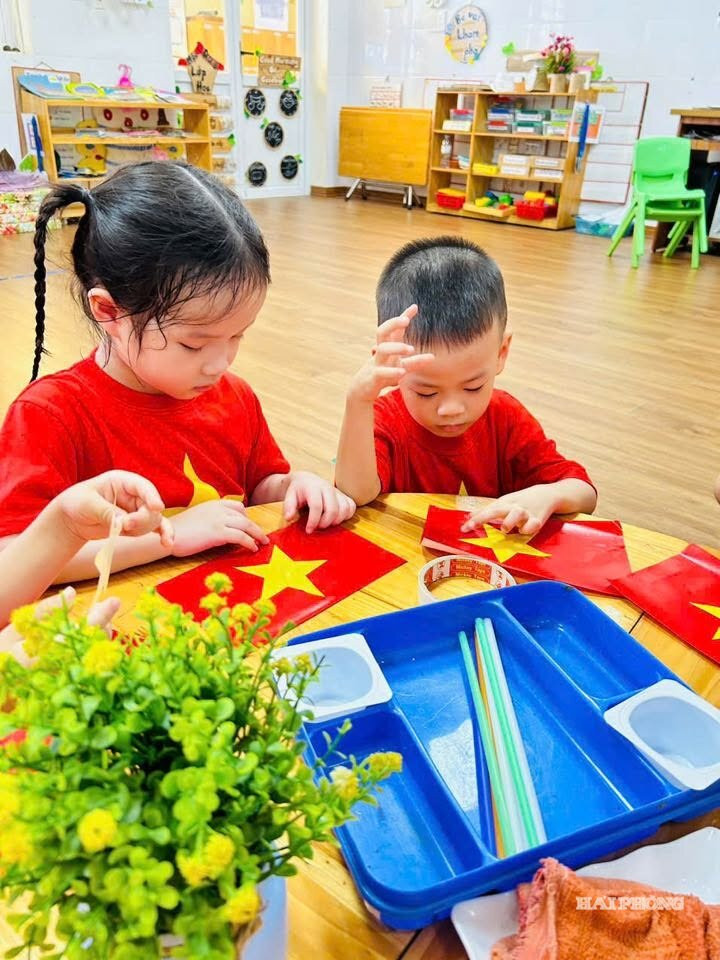
At the preschool level, familiar national symbols are incorporated into educational activities in the most accessible ways. At Phan Boi Chau Preschool in Hong Bang Ward, teachers guide children in drawing the national flag, coloring the yellow star and images of soldiers, and taking part in experiential activities. These age-appropriate activities give children their first natural impressions of the fatherland, nurturing that love through the things closest to them.
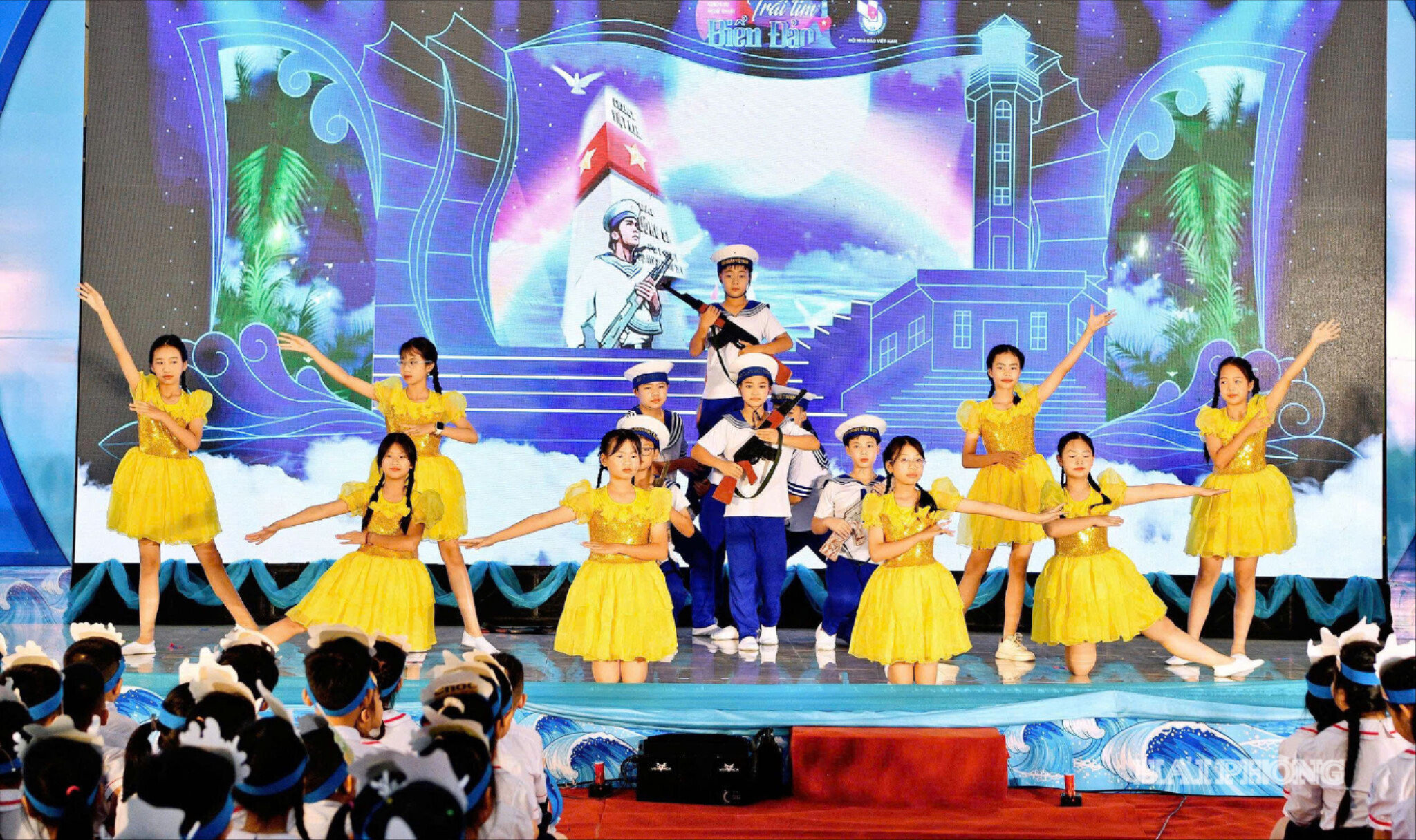
At the primary level, the approach is expanded through experiential and creative activities. At Luu Kiem Primary School in Luu Kiem Ward, students learn about the seas and islands of their fatherland through experiential activities and art. Le Thi Khanh Ngoc, a fifth-grade student in class 5A1, said that through drawing, she learned more about the country’s seas and islands, the soldiers serving there and the importance of protecting the marine environment.
Innovating learning approaches
Patriotism education is becoming increasingly diverse as schools combine history and tradition with modern educational methods. Instead of simply memorizing dates and events, students learn, experience and create while carrying out specific tasks.
At Luong The Vinh Senior High School, education about revolutionary traditions is combined with STEM activities. Students design posters, role-play soldiers and carry out tasks such as building bridges across rivers and assembling models of tanks, ammunition carriers and armored vehicles used in the historic Ho Chi Minh Campaign.
To complete the tasks, students have to find and process additional materials beyond their textbooks. Student Hoang Trung Hieu said the preparation process helped him and his classmates remember historical dates and events more clearly and better understand the significance of the campaign. As a result, history is learned through research and problem-solving rather than simply memorization.
According to Deputy Director of the Hai Phong Department of Education and Training Do Duy Hung, fostering love for the fatherland is not only about providing knowledge but also helping students understand the roots of the nation and nurturing their sense of national self-respect and pride.
The education sector requires schools to actively innovate their methods, apply information technology, make use of films and archival materials, organize museum visits and create opportunities for students to interact with historical witnesses.
From a veteran’s story and students’ paintings to museum visits and STEM products, each approach offers a different way of engaging with history. Diversifying these “points of connection” helps make patriotism education a continuous thread throughout school life, enabling students to gradually develop a sense of responsibility toward their homeland through their own experiences.
BUI HANH