

Hai Phong’s digital economy and 31% GRDP target
From factories to seaports, data, AI and automation are being integrated more deeply into production and logistics, gradually translating into productivity, efficiency and economic value.
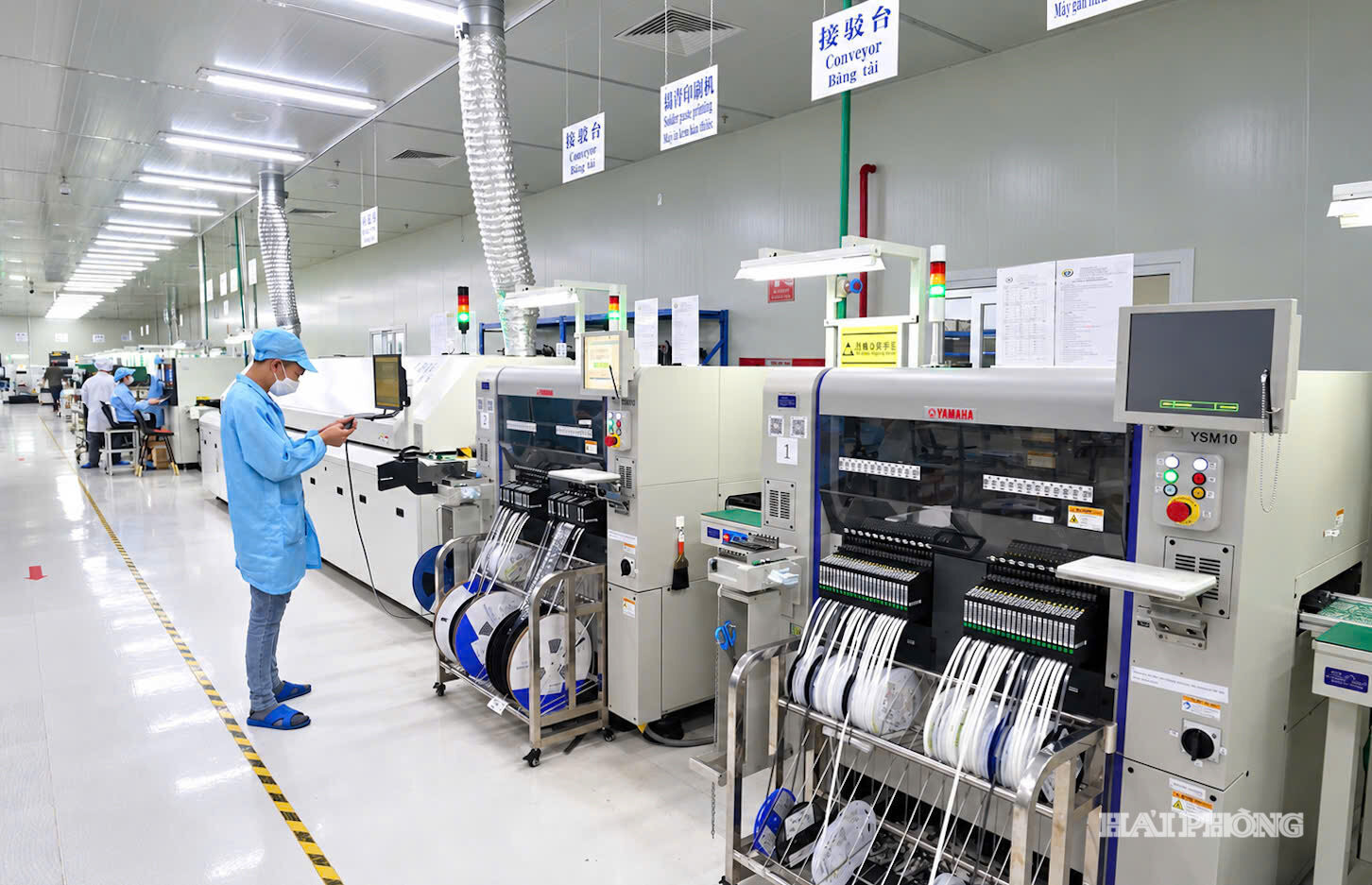
Digital value from factories
More than VND 300 million in labor costs is the amount saved by SOS Maritime Vietnam Co., Ltd. in An Hai Ward after more than a year of applying digital technology. Since early 2025, the company has used software for management, accounting and product promotion and researched the adoption of automated mechanical technology from Australia.
On a larger scale, Hyundai Kefico Vietnam Co., Ltd. at Dai An Industrial Park has invested in highly automated production lines to optimize operations and reduce the consumption of raw materials and electricity. The company operates 60 production lines with an output of about 87 million products a year, mainly automotive electronic components.
In 2026, Hai Phong aims for the processing and manufacturing industry to account for 45.8% of GRDP, with high-tech industrial products accounting for 63% of the processing and manufacturing sector. At this scale, the deeper integration of technology into production is significant to the development of the digital economy.
According to the Department of Science and Technology, the digital economy is estimated to account for about 30% of the city’s GRDP in 2025. In 2026, Hai Phong aims to raise this to 31%, while striving for GRDP growth of about 13%. In production, data, automation and AI can help reduce costs while increasing productivity and product value.
Room for growth from key economic sectors
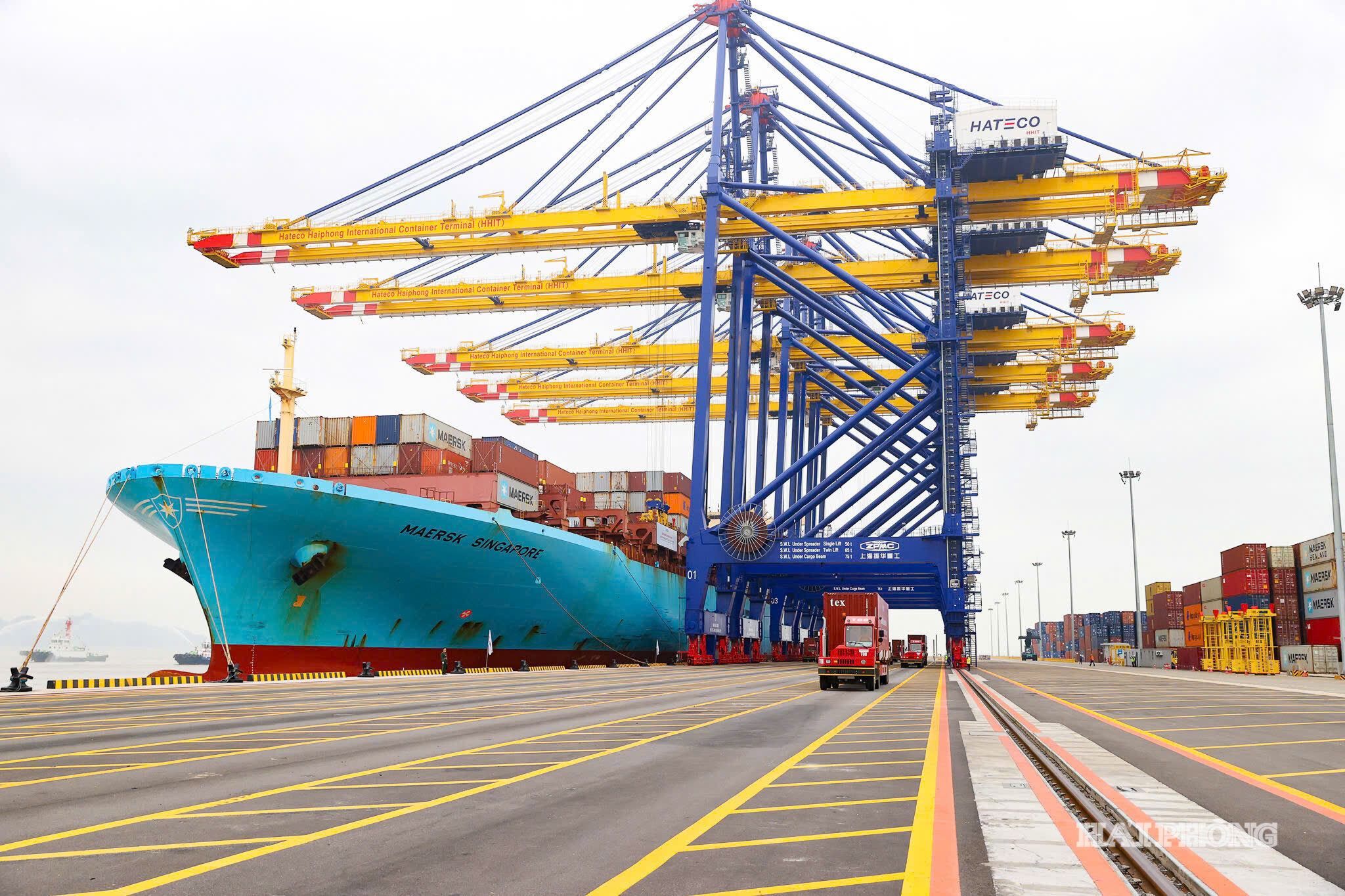
For the digital economy to continue increasing its share of GRDP, additional value needs to come from large-scale sectors, first and foremost processing and manufacturing, seaports and logistics, and trade and services associated with digital platforms.
At Hateco Hai Phong International Container Terminal in the Lach Huyen port area, the TOS NAVIS N4 operating system is used to automate terminal operations, together with a dedicated 5G network and automated gates integrated with optical character recognition (OCR). According to the company, 100% of trucks use the automated gates, with a turnaround time of under 14 minutes. Right in its first year of operation, the terminal handled 808,000 TEUs, equivalent to 95% of its operating capacity.
At a meeting with a Central-level survey delegation in late May 2026, Nguyen Van Tien, General Director of Hateco Hai Phong International Container Terminal, proposed developing a shared data platform called Port Community System to connect regulatory agencies, customs authorities, ports and logistics businesses. Data integration will help reduce procedures, waiting time and logistics costs, while expanding the value generated through the application of digital technology.
At the city level, digitalization is aimed at connecting the entire seaport and logistics ecosystem. Hoang Minh Cuong, Vice Chairman of the Hai Phong People’s Committee, has called for deeper integration of artificial intelligence and data technologies into management, synchronization of the digital ecosystem, and maximum reduction of compliance costs for businesses.
In logistics, digital value also comes from the ability to connect multiple stakeholders. The space for creating digital value is also expanding into trade and services through e-commerce, digital payments and business platforms, helping businesses reduce costs and expand markets.
From industrial production to seaports, logistics, trade and services, digital technology is having a direct impact on productivity, costs and the value created in the city’s economy. In the remaining months of 2026, these gains need to continue expanding as Hai Phong strives for GRDP growth of 13% or higher.
HA KIEN