

Quickly turning public investment into works
Many communes and wards in Hai Phong are accelerating disbursement, quickly turning public investment into works, creating momentum for socio-economic development.
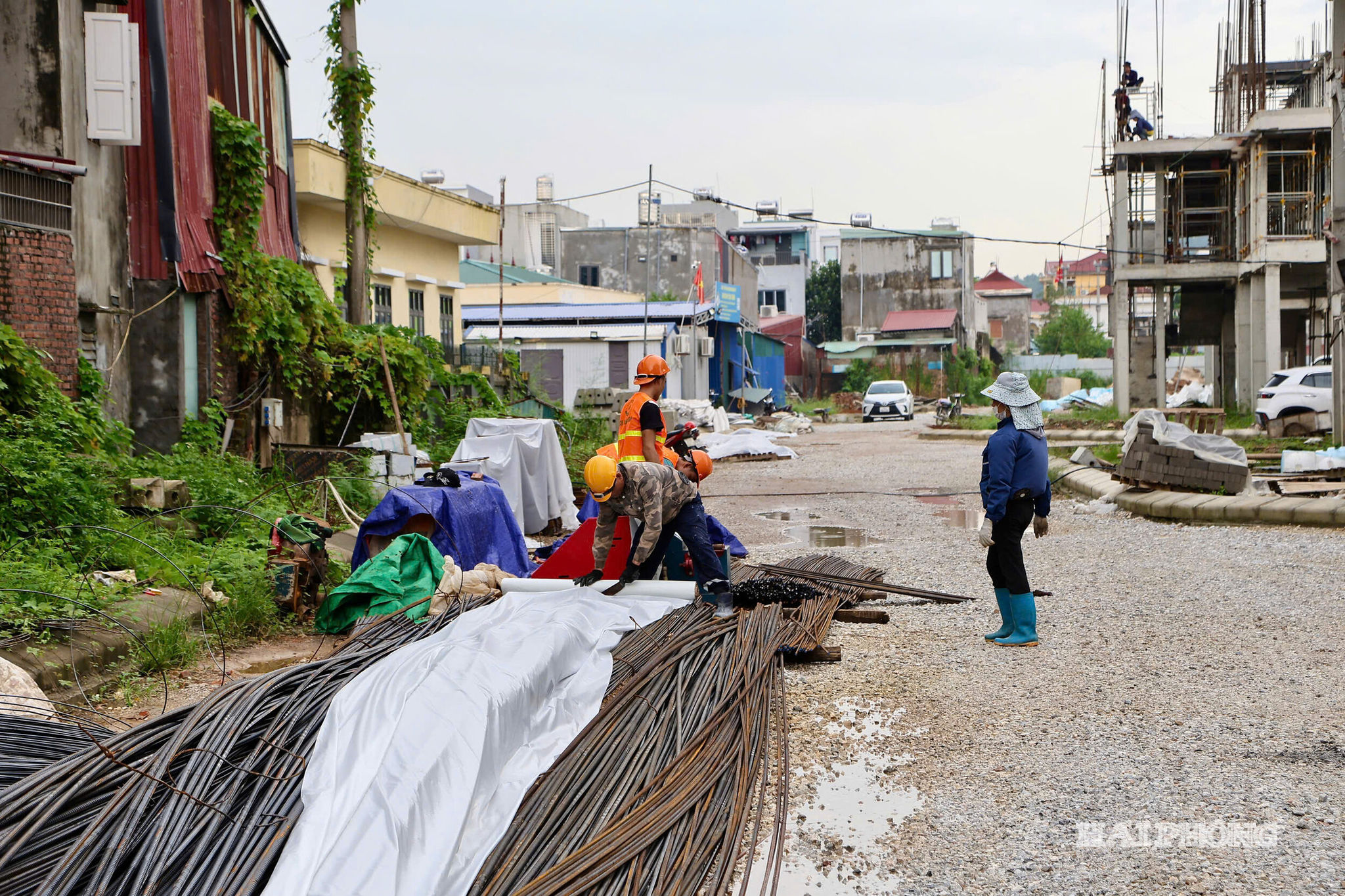
Leading in public investment disbursement
Luong Khanh Thien Secondary School’s branch in Phu Lien Ward has had an additional multipurpose building and several auxiliary facilities, with total investment of up to VND 11 billion, for the new school year. The facilities not only meet teaching and learning needs but also demonstrate the effectiveness of local public investment disbursement. This is one of three projects for which the ward decided to make the investment and had fully disbursed the allocated capital by the end of August 2026.
Chairman of the Phu Lien People's Committee Pham Van Dien said the ward's 2026 public investment disbursement plan totals more than VND 108 billion. By the end of August, the locality had disbursed VND 84.65 billion, equivalent to 77.35% of the plan for eight projects assigned by the city to the ward as investor and 14 projects for which the ward decided to make the investment. The ward expects to achieve a disbursement rate of 85.3% in the third quarter of 2026 and complete disbursement of public investment for the city-assigned projects by October 2026.
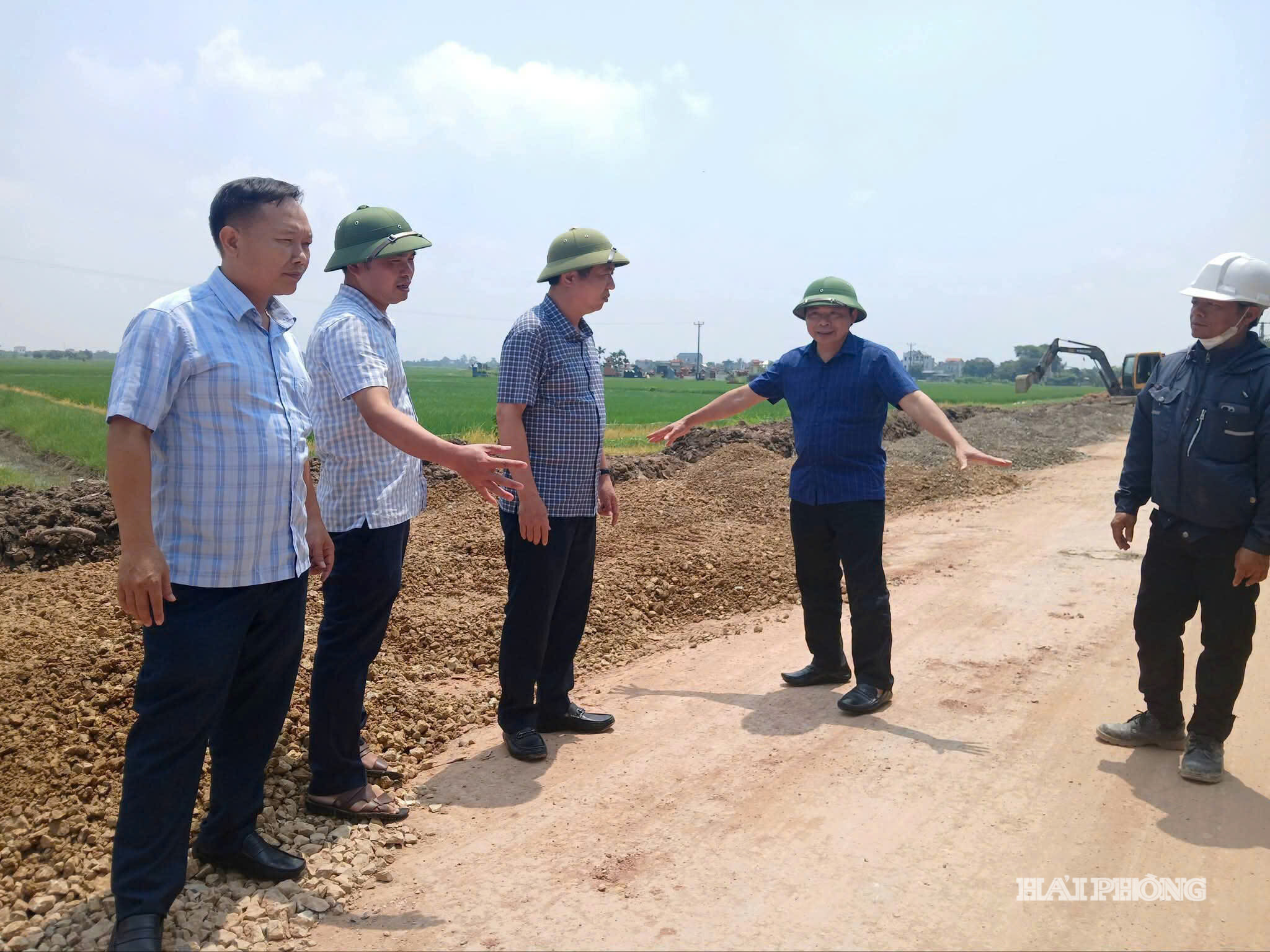
Earlier, on August 28, at the regular August meeting to assess the implementation of socio-economic development tasks in August and the first eight months of 2026 and roll out key tasks for the final months of 2026, city leaders commended and recognized Phu Lien Ward, along with the wards and communes of Hong Chau, Tran Hung Dao, Nghi Duong, Cam Giang, Tran Nhan Tong, An Truong, Thuong Hong, An Khanh, Nguyen Binh Khiem, Dong Hai and Ngo Quyen, among others, as being in the leading group, all exceeding the city's average public investment disbursement rate of 55.3% in the first eight months of 2026.
“Stay close to projects – stay close to progress – make responsibilities clear”
The reality in localities with high disbursement rates shows that, alongside capital and conditions for project implementation, organization and management are important factors determining disbursement progress.
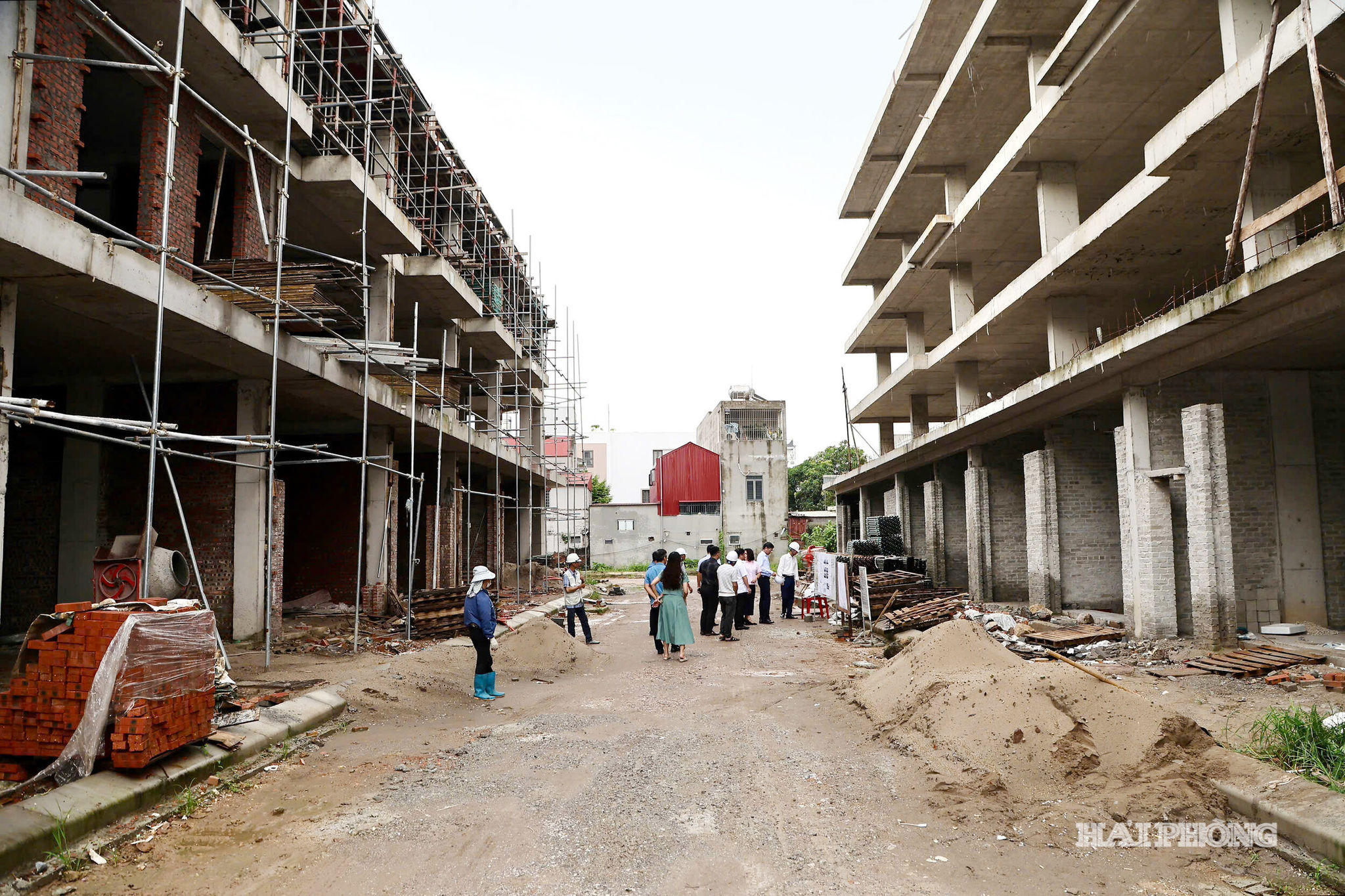
In Phu Lien Ward, one of the difficulties identified early on was that public investment was mainly derived from land-use fees. Chairman of the Ward People's Committee Pham Van Dien said that from the beginning of 2026, the locality proactively auctioned rights to use interspersed land plots under the National Assembly’s Resolution 226, generating VND 158 billion, of which VND 62 billion was allocated back to the locality to implement urban development projects. Along with generating capital, the ward stepped up public mobilization efforts to build consensus among residents.
The final four months of 2026 are the “sprint” period, with the city determined to complete disbursement of the remaining 46% of the capital plan. At the August meeting, Do Thanh Trung, Deputy Secretary of the City Party Committee and Chairman of the City People's Committee, required decisive action to resolve difficulties and obstacles, particularly site clearance, establish a “critical path” for the progress of each project, and organize construction, acceptance and payment as soon as completed work volumes are available.
The experience of many communes and wards shows that accelerating disbursement first requires close management of each project, with clear tasks, clear responsibilities and clear deadlines. This provides a basis for localities with low disbursement rates to review and immediately address delays, particularly in site clearance, construction, acceptance and payment; enhance the responsibility of leaders; and quickly turn capital into works, contributing to the city's goal of achieving a growth rate of 13% or higher.
BUI HUONG