

Technology drives shipbuilding growth
Investment in equipment and technological innovation is helping shipbuilders in Hai Phong improve productivity and product quality.
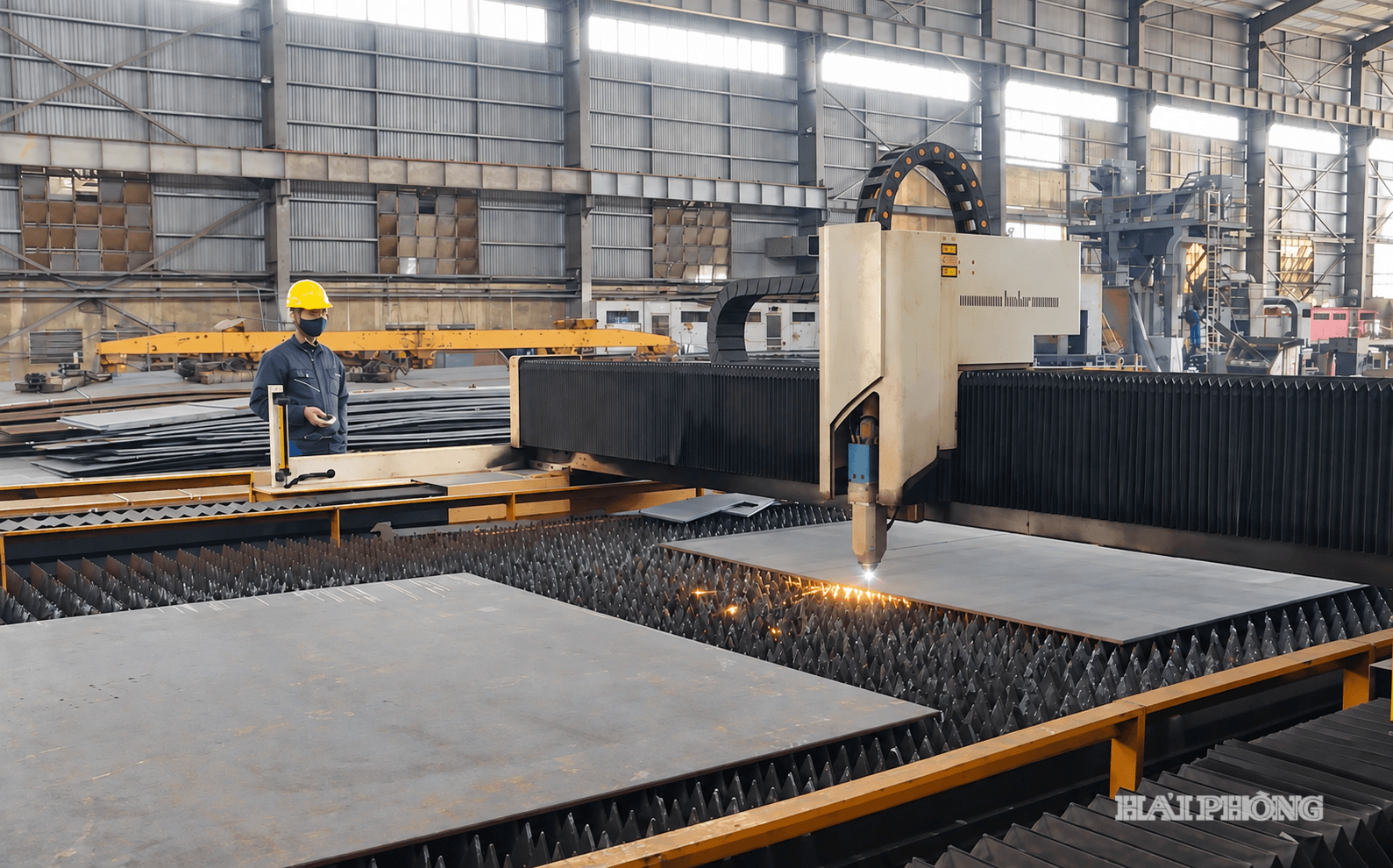
Bringing technology into every stage
At Pha Rung Shipbuilding One Member Co., Ltd., laser cutting and pipe-cutting technologies are widely used in hull fabrication. For export orders, requirements for precision, technical standards and aesthetics are increasingly demanding. Modern machinery and equipment enable workers to carry out tasks more accurately that previously relied heavily on manual work.
According to the Vietnam Maritime and Inland Waterways Administration under the Ministry of Construction, the global shipbuilding market has passed its period of stagnation and is recovering rapidly. Driven by the growth of global trade, the global shipbuilding industry is growing at an average rate of about 4% annually and is expected to reach a value of around USD 195 billion by 2030. Among them, vessels incorporating green technologies and advanced techniques are increasingly preferred by shipowners.
Changes in the market are also changing requirements for shipyards. In addition to ensuring quality, businesses must shorten production time, control costs and meet increasingly demanding technical standards. Therefore, technological innovation is an inevitable requirement.
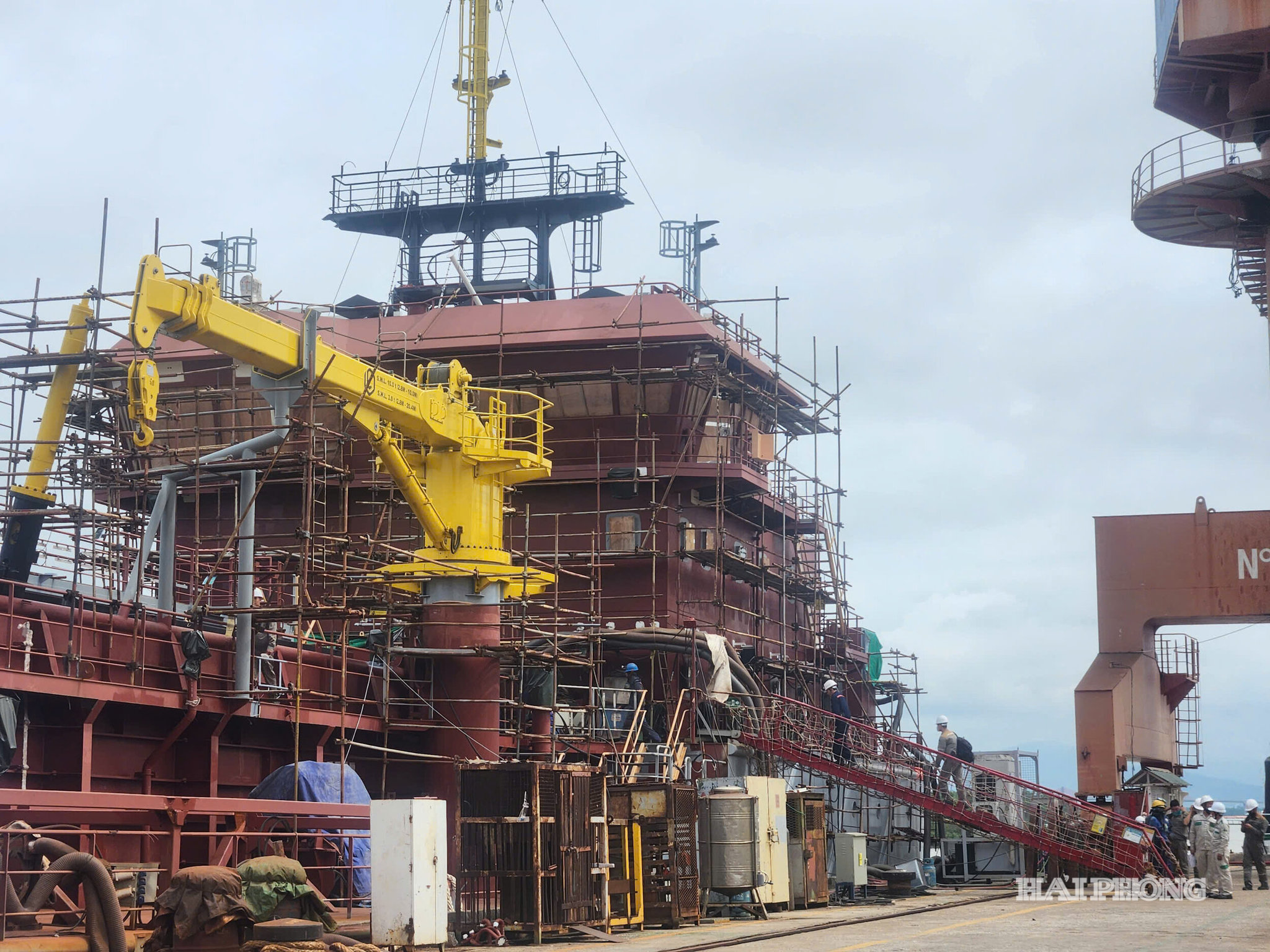
Park Jie Young, General Director of Yentec Co., Ltd., a partner of Pha Rung Shipbuilding One Member Co., Ltd., said requirements for shipbuilding products are becoming increasingly demanding, particularly in terms of precision, quality and delivery schedules. Investing in equipment and applying new technologies at each stage helps the shipyard better control product quality, shorten construction time and ensure safety during operations.
Expanding competitive capacity
At the end of July, SOS Maritime Vietnam Co., Ltd. in An Hai Ward launched the Seafarm Feeder 300T barge for export to Japan. The vessel is 24.1 m long, 9.6 m wide and has a deadweight of 300 tons. It was designed and built entirely by the company. With more than 30 regular employees, completing an export product on a turnkey basis demonstrates how the company has expanded its production capacity through technology adoption.
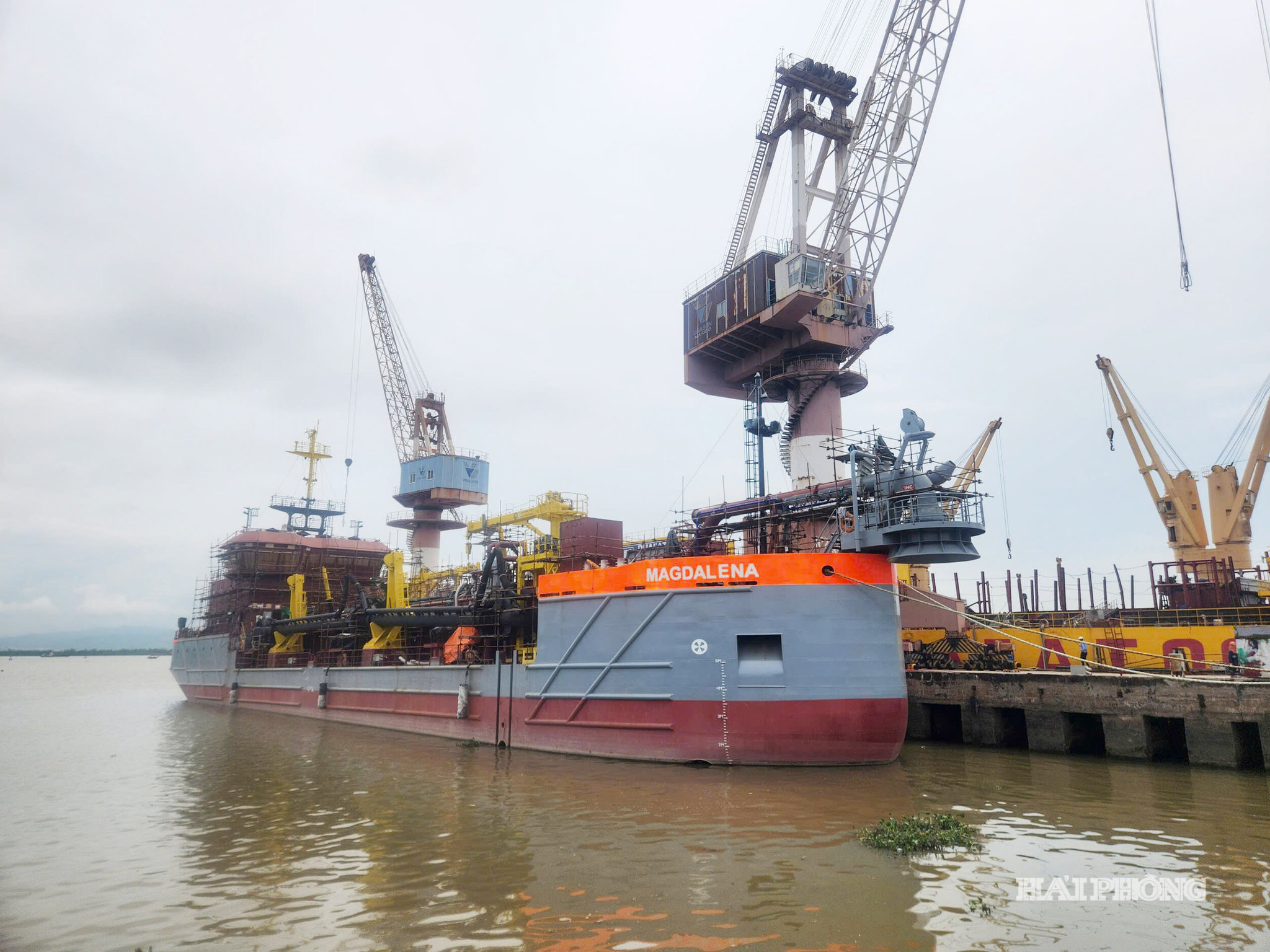
Bui Xuan Ngoc, Director of SOS Maritime Vietnam Co., Ltd., said that over the past year, the company introduced software into management, accounting and product promotion, while also researching and adopting automated mechanical technology from Australia. As a result, the company has saved more than VND 300 million in labor costs, while productivity and product quality have improved. Orders for new boat construction and component fabrication have increased. The company has also begun participating in joint orders with Chinese and Australian partners.
According to Dr. Pham Hoai Chung, Chairman of the Members’ Council of Shipbuilding Industry Corporation (SBIC) and Vice Chairman of the Vietnam Shipbuilding Industry Association (VISIA), Hai Phong has advantages for developing the shipbuilding industry toward an industrial maritime ecosystem linked with seaports, logistics, supporting industries and services.
However, to capitalize on these advantages, Hai Phong shipbuilders need to gradually master core technologies, from design and shipbuilding steel to engines, control systems, automation and marine electronics. By taking control of high-value stages, Hai Phong businesses can not only increase localization rates but also participate more deeply in the value chain and compete for larger orders.
HAI MINH