
Promoting the role of coastal mangrove forests
Mangrove forests help buffer waves, stabilize soil, reduce flooding, create livelihoods and absorb carbon, contributing to Hai Phong’s green and sustainable development.
A shield against natural disasters
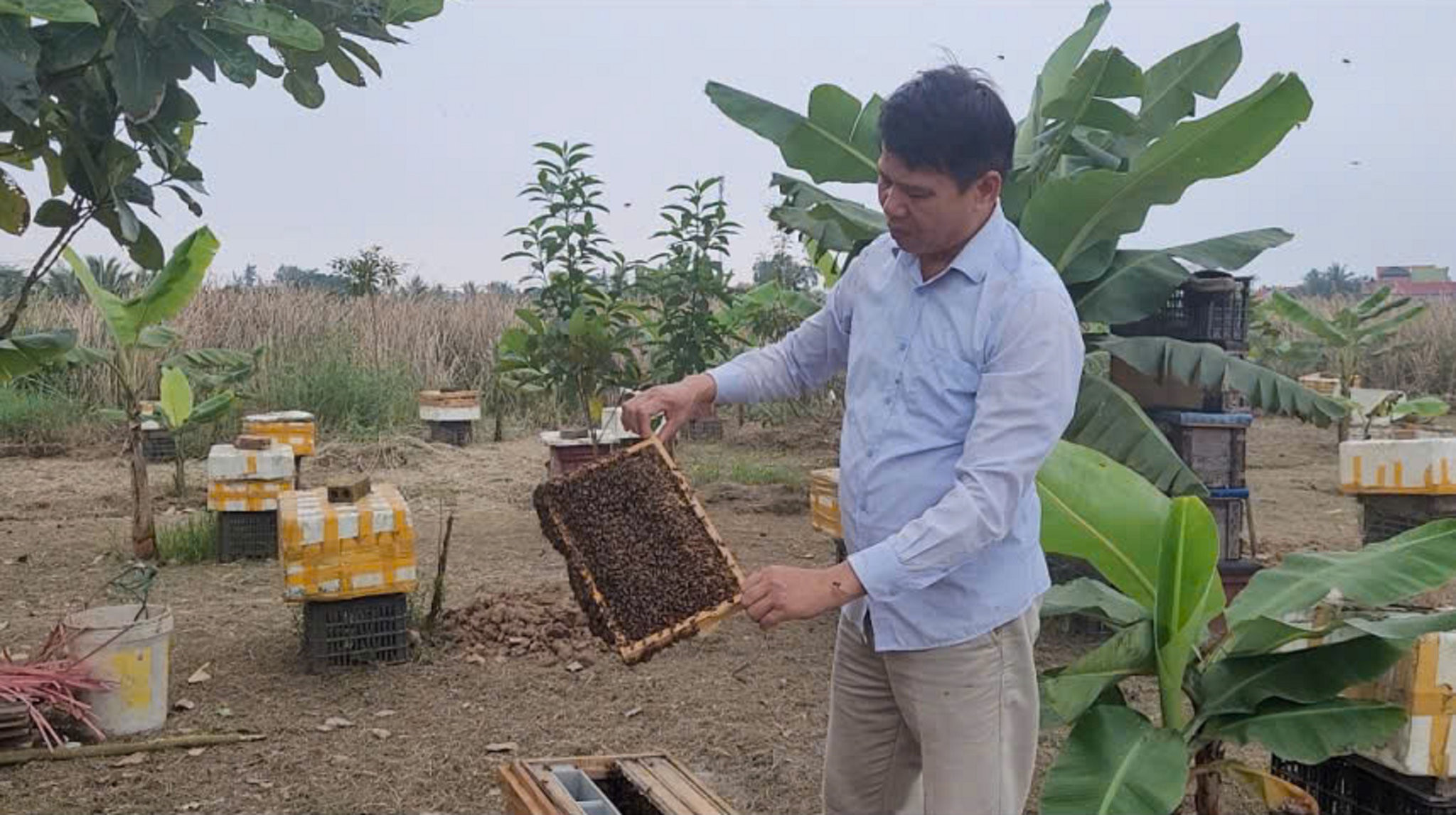
In the Van Uc estuary area of Kien Hai Commune, beekeeping for honey is gradually taking shape and developing, supported by the abundant flowers found in the mangrove forests.
With more than 650 hectares, mangrove forests bloom almost year-round, providing an abundant food source for bees. From a number of small-scale beekeeping households in the early days, local beekeepers have joined together to establish the Tung Hang Honey Cooperative, which organizes honey collection, provides technical guidance, improves product quality and develops the brand of mangrove blossom honey.
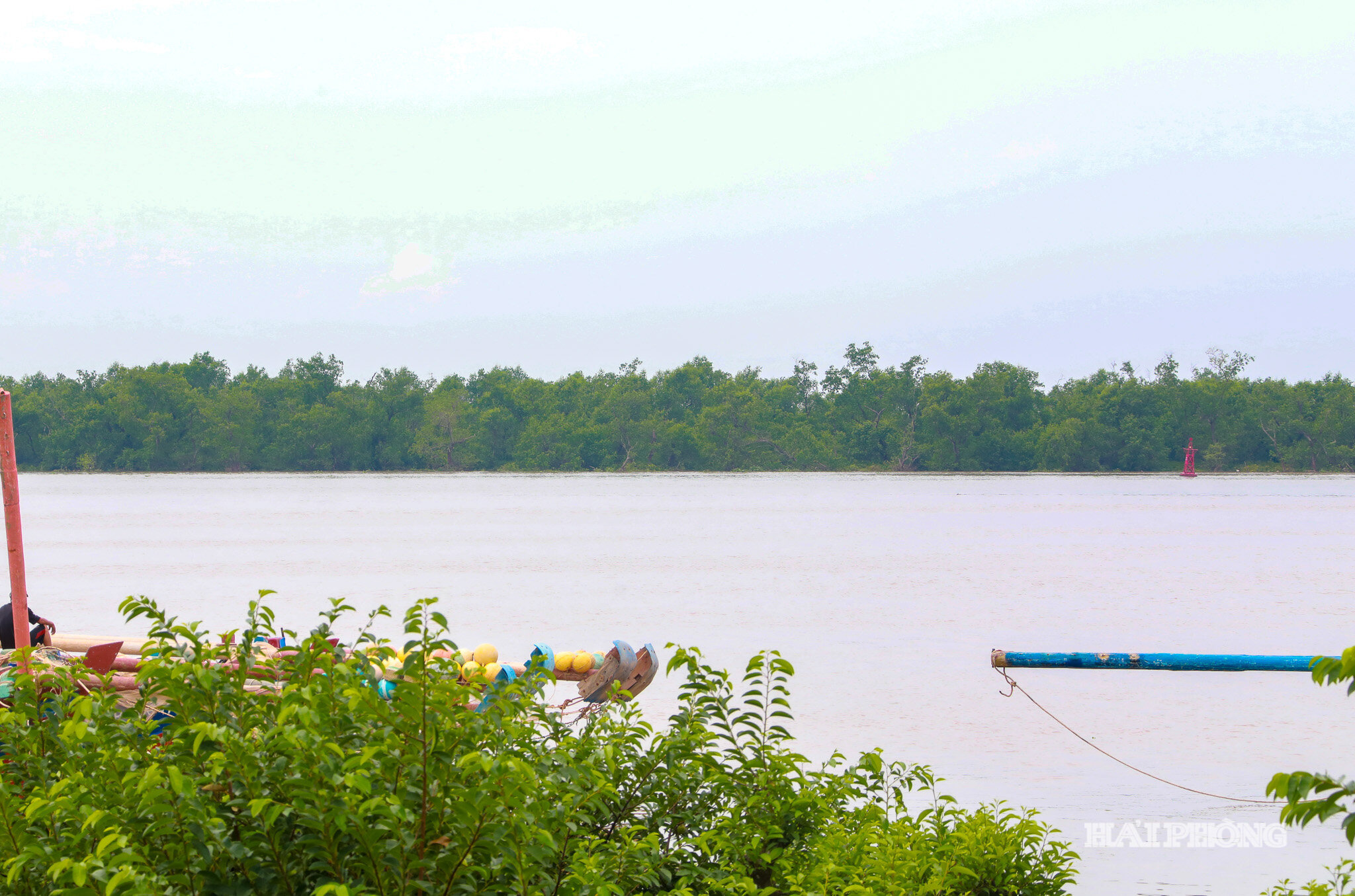
Mangrove forests also serve as natural ‘nurseries’ for many species of fish, shrimp, crabs and mollusks. The city’s coastal areas are home to around 25 mangrove plant species, creating breeding and nursery grounds for numerous aquatic species and helping sustain natural resources and the livelihoods of local residents.
In particular, mangrove forests play an important role in reducing the destructive force of the sea. Their trunks, roots and canopies create resistance that dissipates wave energy. Statistics show that in the city’s coastal areas, wave heights can fall from around 1–1.5 meters offshore to just 0.2–0.32 meters after passing through a mangrove belt of an appropriate width, while wave energy can be reduced by around 70–80%.
With approximately 125 km of coastline and a system of major estuaries and rivers, including the Bach Dang, Cam, Lach Tray, Van Uc and Thai Binh rivers, the city has favorable conditions for developing mangrove ecosystems. These forests are not only an ecological resource but also a natural ‘line of defense’, helping protect residential areas, sea dikes and infrastructure while creating livelihoods for coastal communities.
Investing in ‘green infrastructure’
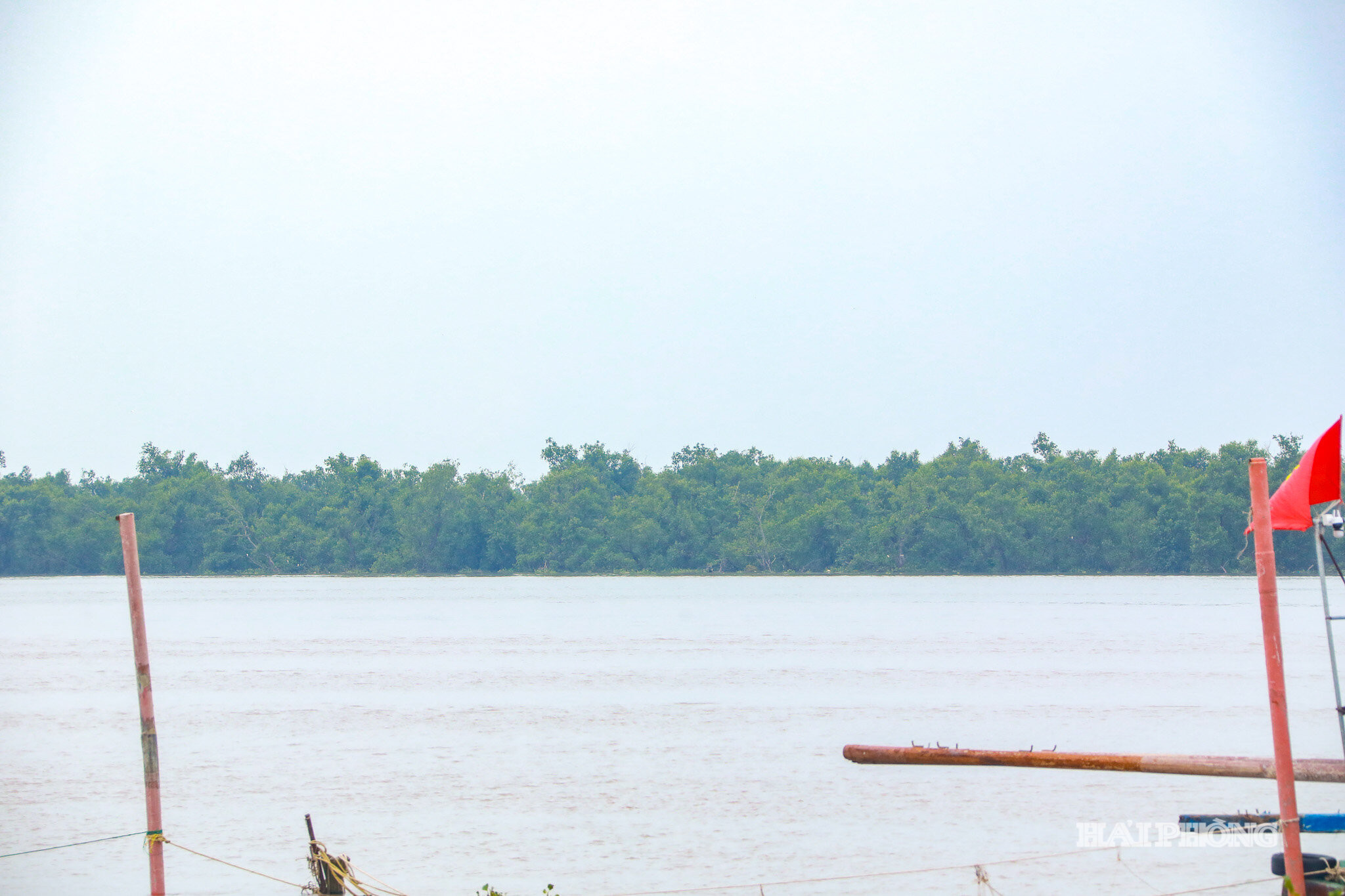
Hải Phòng is stepping up the development of seaports, logistics, industry and coastal urban areas. However, this development must go hand in hand with protecting this natural ‘line of defense’.
According to Mr. Vu Manh Hung from the Graduate University of Science and Technology, Hai Phong needs to adopt a new approach to mangrove forests. Rather than viewing them solely as areas for conservation, the city should regard them as part of its strategic green infrastructure.
Mangrove forests are also capable of naturally storing carbon in their trunks, branches and leaves, as well as in the organic-rich sediments beneath them. This function is becoming increasingly important in addressing climate change, while also opening up opportunities to access green financing mechanisms in the future.
Harnessing the role of mangrove forests as a ‘green shield’ will help the city make effective use of its marine advantages, ensure ecological safety and move toward becoming a green, safe and sustainable coastal city.
Hai Phong News