

Hai Phong works toward universal health care
Providing health checkups across localities and residential groups is helping Hai Phong gradually put public health care on a more systematic footing.
People benefit
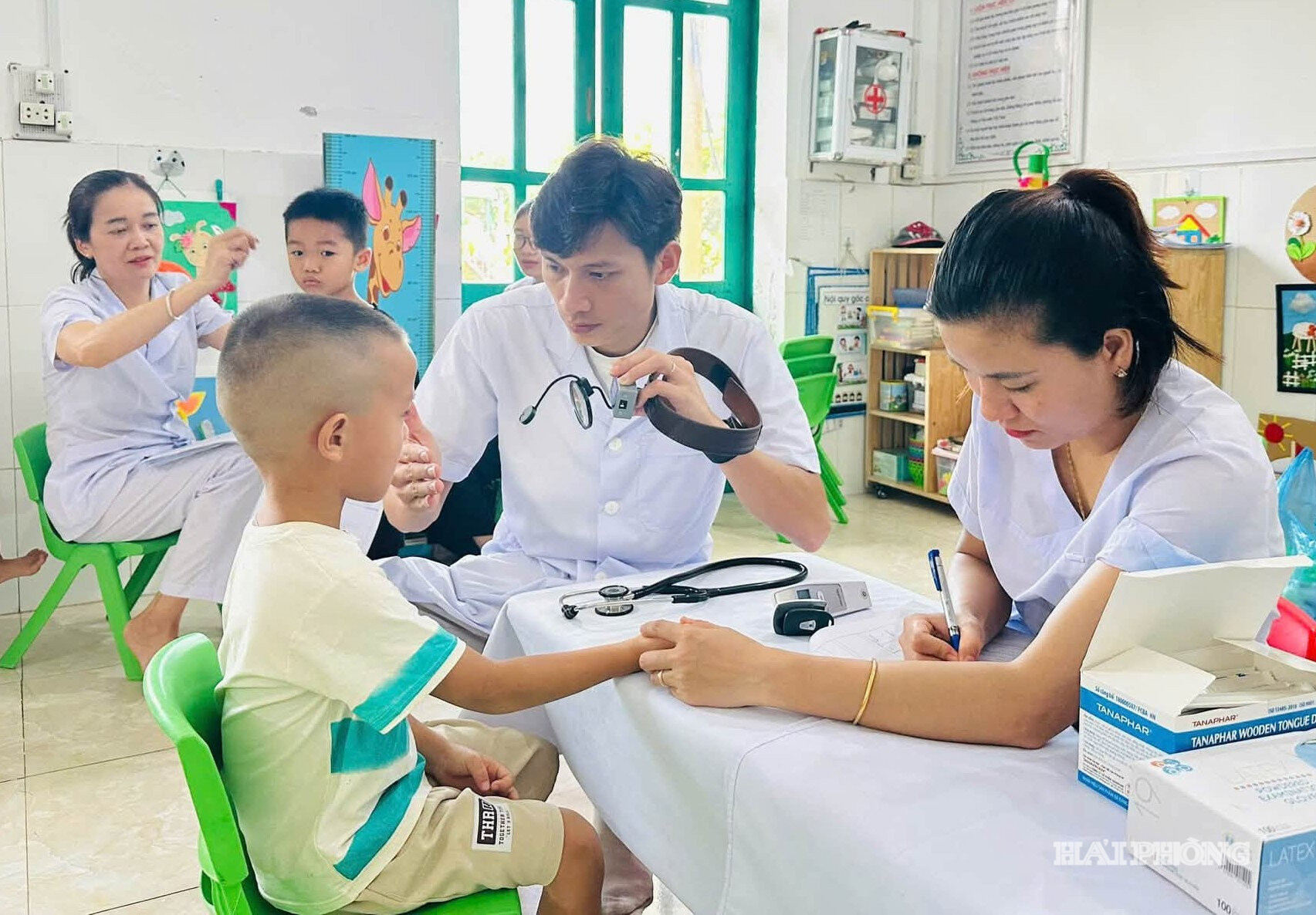
For many Hai Phong residents, health checkup campaigns organized in their localities not only help them better understand their health status but also make it more convenient to monitor their health and prevent diseases.
Under the policy of regular health checkups, residents, especially older people and groups with limited access to healthcare services, have more opportunities to receive medical examinations and consultations close to where they live.
Tieu Van Minh, along with many other older residents in Ha Bac Commune, expressed his enthusiasm about the policy of providing residents with regular health checkups at least once a year. According to Minh, this is a practical policy that meets people's healthcare needs, particularly those of older people.
In the first six months of the year, health examinations and screening were provided to more than 2.19 million people across the city, equivalent to about 52% of the permanent population. Beyond the examinations themselves, residents also had health records created, received consultations, and were gradually added to electronic health records. This allows each person's health information to be monitored over the long term, facilitating the management of chronic diseases and health care at the grassroots level.
At the same time, the city is developing a health data platform for residents. The linking of examination results with electronic health records and Electronic Health Records on the VNeID app is being carried out in parallel, ensuring that the data does not stop at a single examination but gradually becomes a tool for long-term health management.
Leaving no one behind
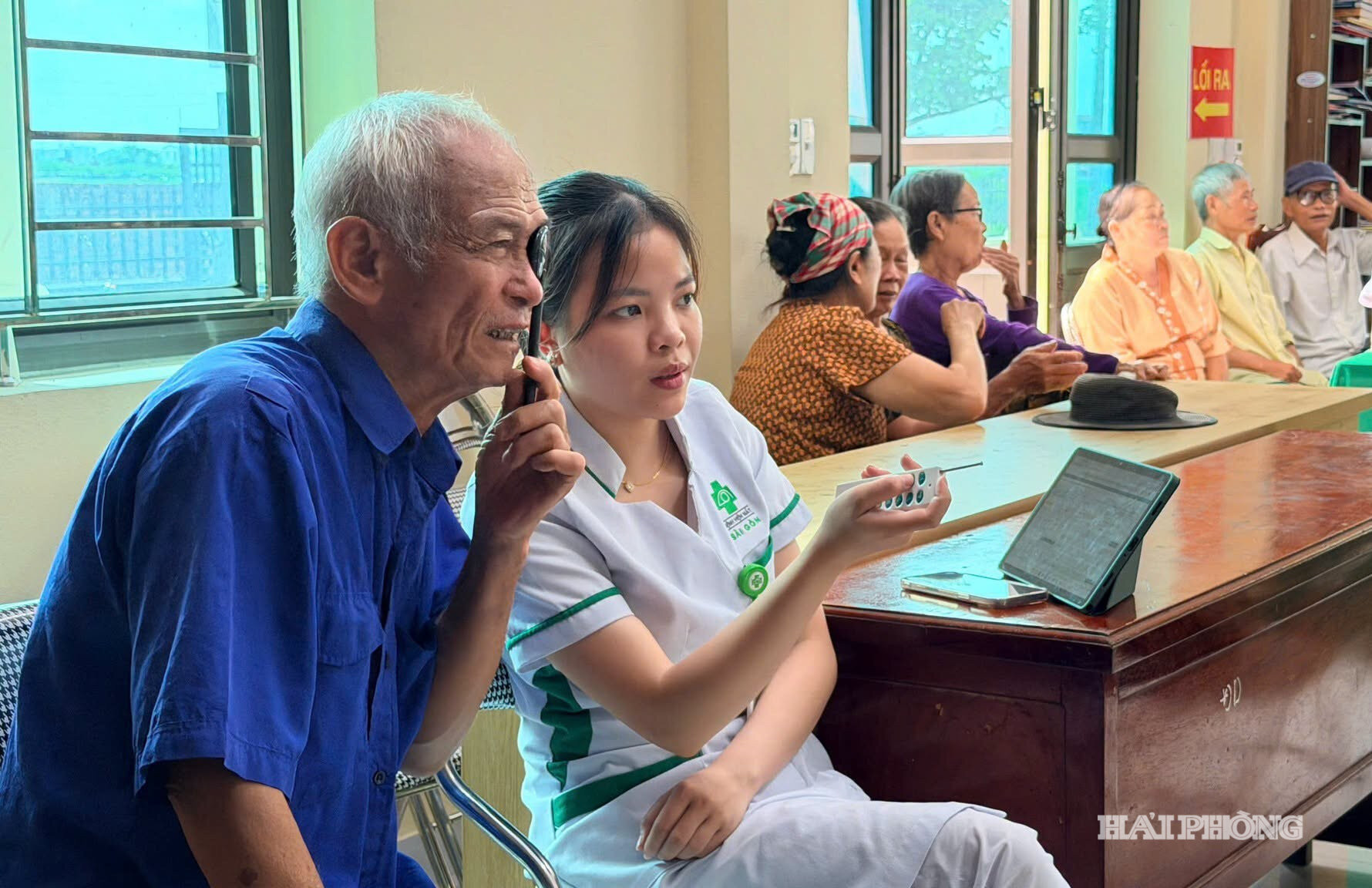
Building on these results, Hai Phong is entering a period of accelerated efforts to achieve its goal of universal health checkups in 2026. The campaign “90 days of acceleration – Completing universal health checkups in 2026” has been launched on July 25, with the goal of achieving the target before October 31.
The requirement is not only to increase the number of people receiving checkups but also to conduct a full review to ensure that no one eligible for a checkup is missed, particularly older people, children, the poor, people facing difficult circumstances and groups with limited access to healthcare services.
The results of regular health examinations and screening are also identified as one of the criteria for assessing the level of task completion in 2026 by heads of localities and agencies. The Department of Health has been tasked with strengthening inspection and supervision, particularly in areas where progress remains slow, while standardizing procedures for examinations, data collection and updates to ensure that examination results are connected with shared information systems and databases.
Based on the initial results, together with the strong involvement of the health sector and local authorities, Hai Phong is gradually turning its goal of universal health checkups into reality. What matters is not only increasing the proportion of residents receiving checkups, but also ensuring that after each examination, their health status is recorded, they receive consultations and their health continues to be monitored.
When this activity becomes routine, residents will be more proactive in disease prevention and early detection. Moreover, grassroots healthcare facilities will have a stronger basis for long-term health management and care for residents, contributing to improving the quality of life in the community.
NGOC HAN