

Unlocking the potential of Hai Phong’s night-time economy
Hai Phong is developing a culinary pedestrian street and a range of nighttime tourism offerings, gradually tapping into the potential of the night-time economy and contributing to the city’s goal of achieving double-digit economic growth.
Awakening the city’s urban vitality
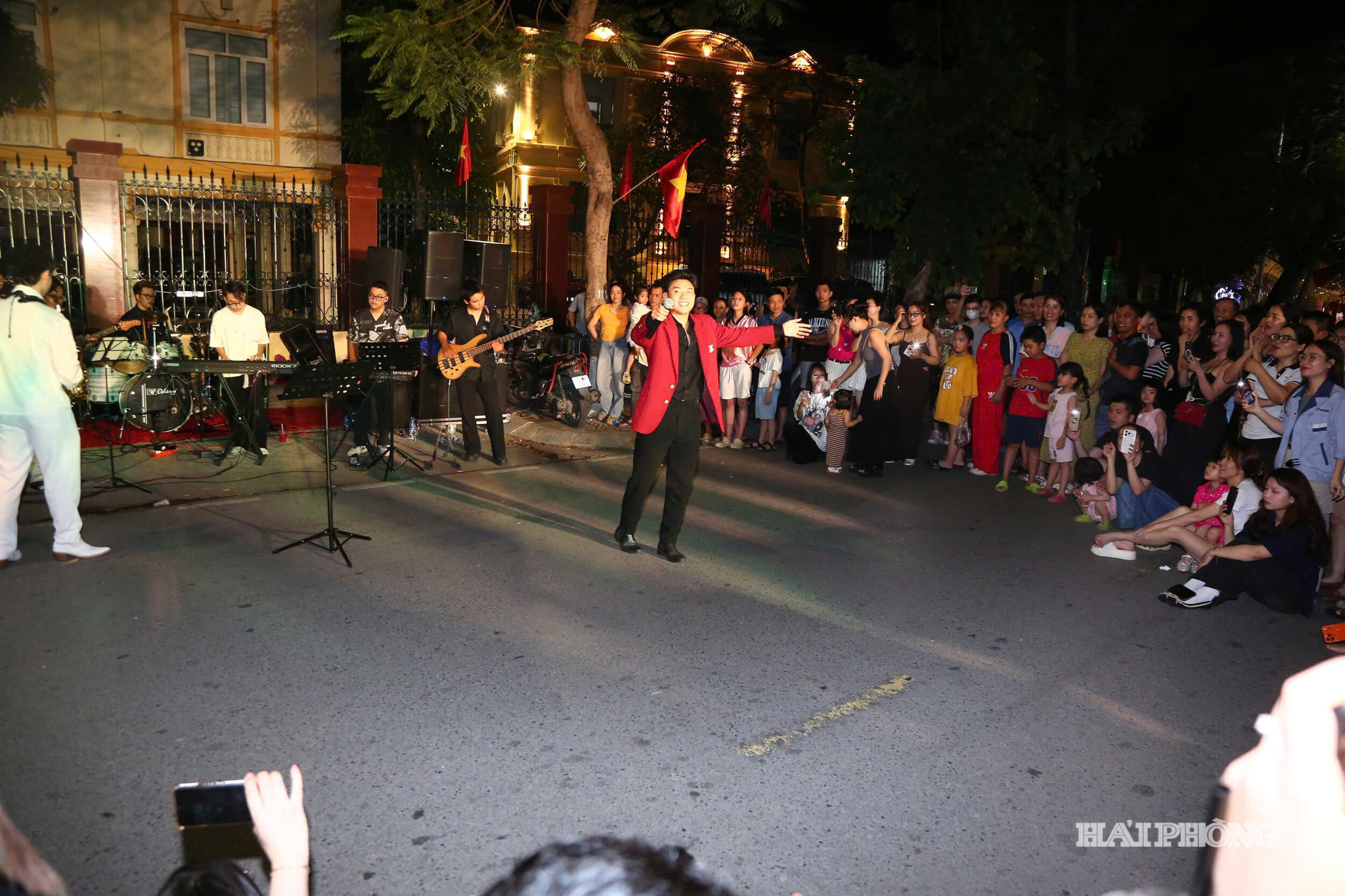
“Beautiful and spectacular!” said Mr. Tran Nam Chau, a representative of Carlsberg Vietnam, describing the atmosphere at the “Beer Festival 2026” in Kien An. He said this was the first time Carlsberg had come to Kien An, helping create a lively atmosphere, boost local business activities, and add a vibrant new destination.
Beyond entertainment, such activities are opening up new opportunities for utilizing public spaces in Kien An. With its scenic advantages, convenient connectivity, and distinctive system of historical and cultural relics, the locality has favorable conditions for developing services, tourism, and the night-time economy.
Since May 2026, the “Happiness Festival 2026,” the “Beer Festival 2026,” and various cultural and artistic activities have attracted residents to public spaces, while also providing opportunities for the locality to pilot nighttime products and services with its own distinctive character.
Mr. Nguyen Phong Doanh, Chairman of the Kien An Ward People’s Committee, said that following the success of these events, the locality plans to continue organizing more artistic programs on weekends, providing healthy and meaningful entertainment for residents while supporting the project to develop Hai Phong into a “City of Music.” This will also lay the groundwork for Kien An to gradually establish night-time economic activities and build the brand “Kien An – A Happy Destination.”
Kien An is not alone. Hai Phong is expanding the use of public spaces on a citywide scale. These days, residents are particularly interested in the “Night Food and Walking Street” in the city’s central area, which is scheduled to open on August 28.
As night falls, the central area, already attractive for its scenery, will be complemented by culinary, shopping, cultural, artistic, and entertainment activities. For local businesses, this presents an opportunity to reach a larger customer base, particularly tourists.
Ms. Nguyen Thi Tam, a business owner at 32 Quang Trung Street, said: “The city center already has beautiful scenery, and establishing a walking street will create more favorable conditions for businesses to attract customers from both within and outside the city.”
Notably, the new model is not simply focused on commercial activities. The walking and culinary space is expected to incorporate free Wi-Fi, cashless payment services, as well as cultural and artistic activities, creating a safe, civilized entertainment environment and enhancing the experience for residents and visitors.
A new driver of growth
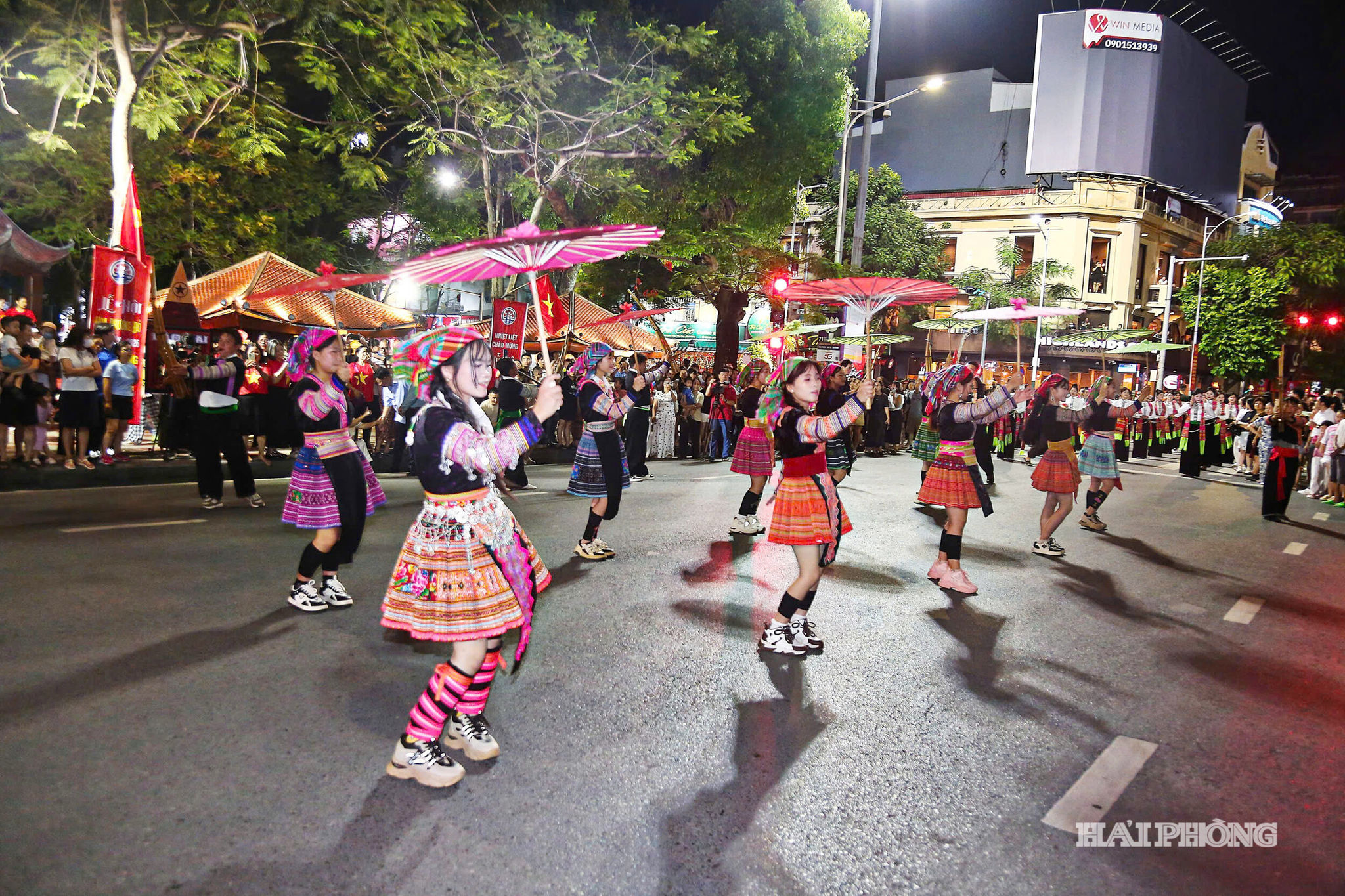
Following the merger, Hai Phong now boasts a rich and diverse cultural heritage, with nearly 4,000 historical and cultural sites and thousands of traditional festivals. This provides an important foundation for the city to develop cultural and spiritual tourism while creating night-time economic products rooted in local identity.
In reality, Hai Phong’s nighttime activities are becoming increasingly diverse. Alongside cultural and spiritual destinations is a network of restaurants, specialty eateries, bars, pubs, cinemas, street performances, walking streets, light festivals, and other attractions, creating a vibrant and diverse entertainment ecosystem.
In 2026, nighttime tourism activities continued to receive strong momentum, particularly as part of the series of events commemorating the 71st anniversary of the Liberation of Hai Phong and the Red Flamboyant Festival. During the seven-day festival, activities around the central flower garden area and the City Opera House attracted approximately 128,800 visitors, with numerous cultural and artistic programs and culinary spaces helping promote the image of a dynamic and welcoming Hai Phong.
In May 2026 alone, the city welcomed approximately 1.85 million tourists, attracted nearly USD 692.6 million in foreign investment, and recorded total state budget revenue of more than VND 15 trillion. These results demonstrate the spillover effects of tourism, services, and events on the city’s economic life.
However, for the night-time economy to make a substantive contribution to the goal of double-digit growth, it cannot stop at simply organizing more events. Hai Phong needs to move from surface-level exploitation to deeper development, transforming its cultural, historical, and scenic advantages into products capable of encouraging visitors to stay longer and spend more.
Under Plan No. 294 dated July 31, 2026, which adjusts the economic growth scenario, the target of welcoming more than 17 million visitors in 2026 and generating approximately VND 20.582 trillion in tourism revenue requires the city to rapidly develop distinctive product groups and connect shopping, culinary, entertainment, artistic performance, and other supporting services.
When visitors have more reasons to stay longer and spend more, businesses and household enterprises will also have greater opportunities to expand their operations. At the same time, this creates an opportunity to bring OCOP products, distinctive local cuisine, local goods, and modern commercial services closer to residents and visitors.
As spaces that were previously underutilized at night are transformed into destinations for culture, cuisine, shopping, and entertainment, the city’s vitality can be extended into the nighttime, social resources can be mobilized, and new drivers of growth can emerge. This is one practical approach for Hai Phong to better capitalize on its potential and advantages, contributing to the city’s goal of achieving average annual GRDP growth of at least 13% in 2026 and throughout the 2026–2030 period, in line with the spirit of Resolution No. 11 of the Hai Phong City Party Committee.
Hai Hau