

Less paperwork at hospitals, less waiting for patients
Digital transformation has helped hospitals reduce paperwork and patients spend less time waiting. Hai Phong’s health sector is working toward deeper digital transformation.

Instead of waiting for each follow-up visit at Viet Tiep Friendship Hospital, Dao Minh Vuong, a resident of An Duong Ward, now books his appointments online through the hospital’s online medical examination and treatment portal or mobile app.
One of the biggest advantages is that doctors no longer have to start from scratch or ask patients to provide the same information again. Through electronic medical records, they can review a patient’s medical history, paraclinical test results and treatment records. Tests that are still valid do not need to be repeated, helping patients save time and money while making medical examinations more efficient.
The Thanh Mien Medical Center has also introduced appointment scheduling through the DrCare 247 system, receiving positive feedback from patients.

PhD, MD Nguyen Duy Khanh, Deputy Director of the Thanh Mien Medical Center, said patients only need to book an appointment through the system and can be examined as soon as they arrive. For those who make appointments, doctors contact them directly to confirm the exact examination time. This helps ease the influx of patients during peak hours and reduces pressure on doctors.
Alongside electronic medical records and electronic health records, healthcare facilities across the city are stepping up digital transformation and applying artificial intelligence (AI) to diagnosis and treatment, disease management and administrative reform.
The city has also put 62 smart kiosks into operation, handling more than 200,000 medical examination registrations, helping to reduce waiting time and improve the quality of services for residents. These results have placed Hai Phong among Vietnam’s leading localities in healthcare digital transformation.
The progress made in digital transformation in recent years has delivered tangible benefits to both healthcare facilities and residents, reflecting the people-centered approach to public service. For healthcare facilities, the synchronized deployment of electronic medical records and information systems helps standardize professional procedures, significantly reduce paperwork, save operating time and costs, and improve management efficiency.
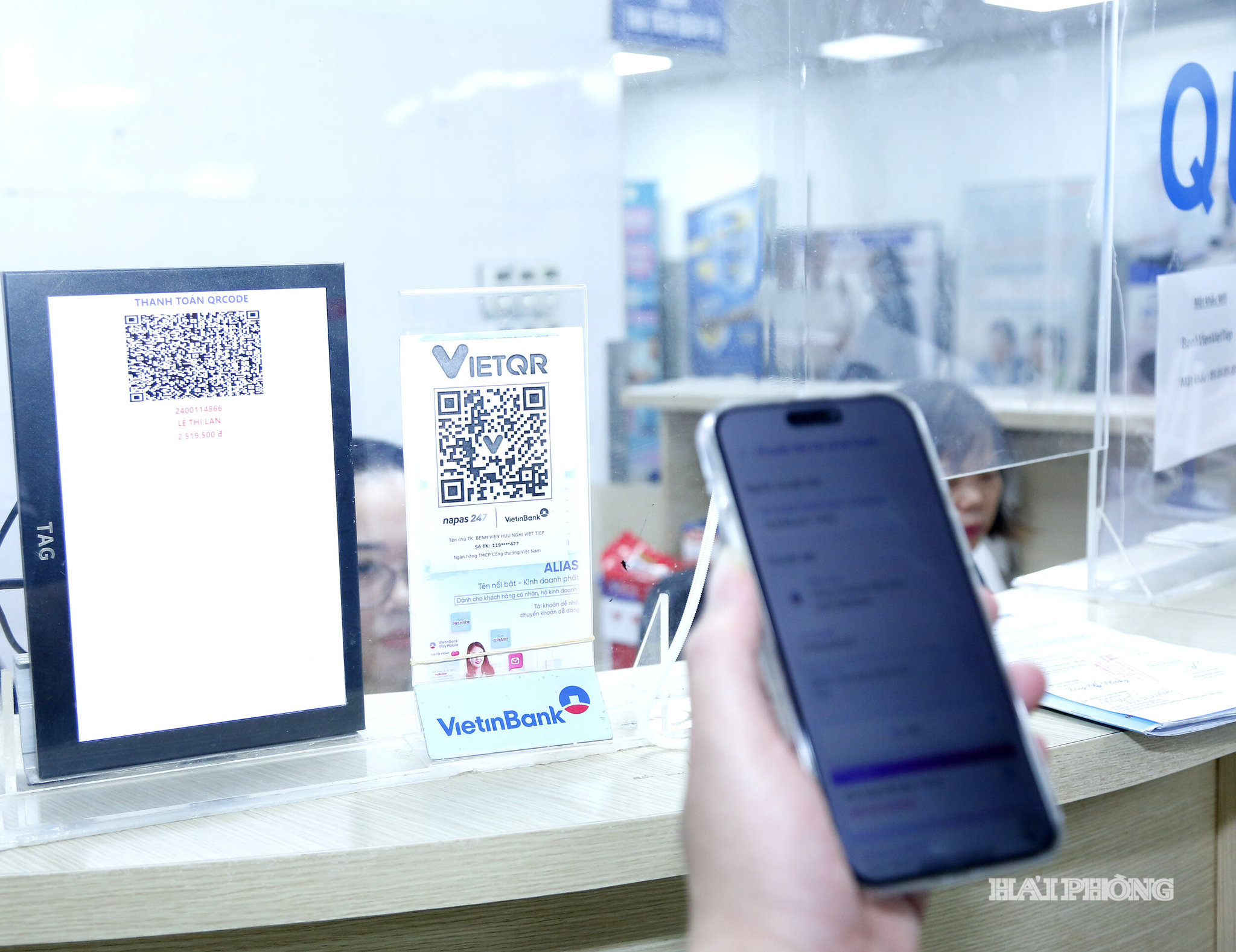
Digitized and interconnected medical examination and treatment data give doctors access to comprehensive patient information, supporting more accurate decisions and reducing unnecessary repeat tests. They also provide a foundation for applying AI in diagnosis, treatment and hospital management.
For residents, digital transformation makes it easier to register for examinations, book appointments, look up information on medical and pharmaceutical practitioners, access electronic health records, spend less time waiting, and use healthcare services more safely and transparently.
According to Assoc. Prof., PhD Le Minh Quang, Director of the Hai Phong Department of Health, the health sector will continue to accelerate the creation and updating of electronic health record data and complete electronic medical records at all healthcare facilities in line with the Government’s direction. It will also continue to improve digital infrastructure, connect and effectively utilize health data, and build a synchronized and modern digital healthcare ecosystem.
The sector will further promote digital technology across management, administration and healthcare service delivery, helping build a strong, proactive and smart primary healthcare system suited to the two-tier local government model and better serving residents in 2026 and the years ahead.
HOANG XUAN