

Special addresses in Hai Phong
In Hai Phong City, there are special addresses located right in houses where local residents are living.
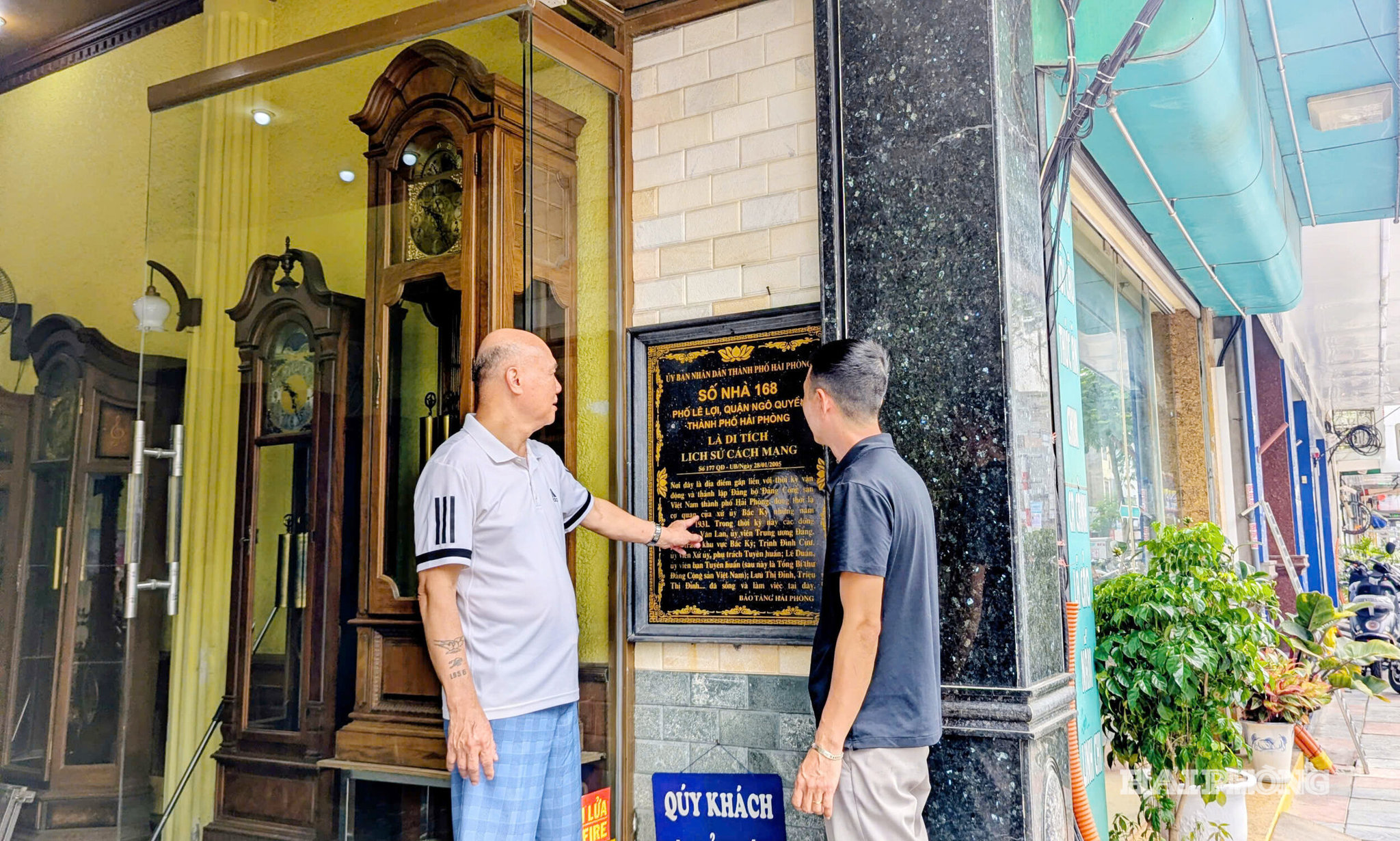
Located on a busy street in Gia Vien Ward, 168 Le Loi Street has been home to the family of Nguyen Phat since 1997. For Phat’s family, the house is not only a place to live and do business but also a special address, as it was once associated with revolutionary activities in the 1930 - 1931 period.
According to the History of the Hai Phong Party Organization, after attending the Conference for the Establishment of the Communist Party in Hong Kong (China), Comrade Nguyen Duc Canh returned to Hai Phong to prepare for the establishment of a Party organization.
At the second floor of 166A (now 168 Le Loi Street), many meetings and propaganda activities by communist youth took place in preparation for the establishment of the Hai Phong organization of the Indochinese Communist Party.
The site was also selected as a secret office of the Northern Region Party Committee. Many veteran Party cadres, including Tran Van Lan, Trinh Dinh Cuu and Le Duan, lived and worked there. From this site, the Northern Region Party Committee’s secret communication network spread to factories, schools and residential areas; Party books, newspapers and documents were quickly transferred through propaganda agencies and soon reached Party members and the masses across the country.
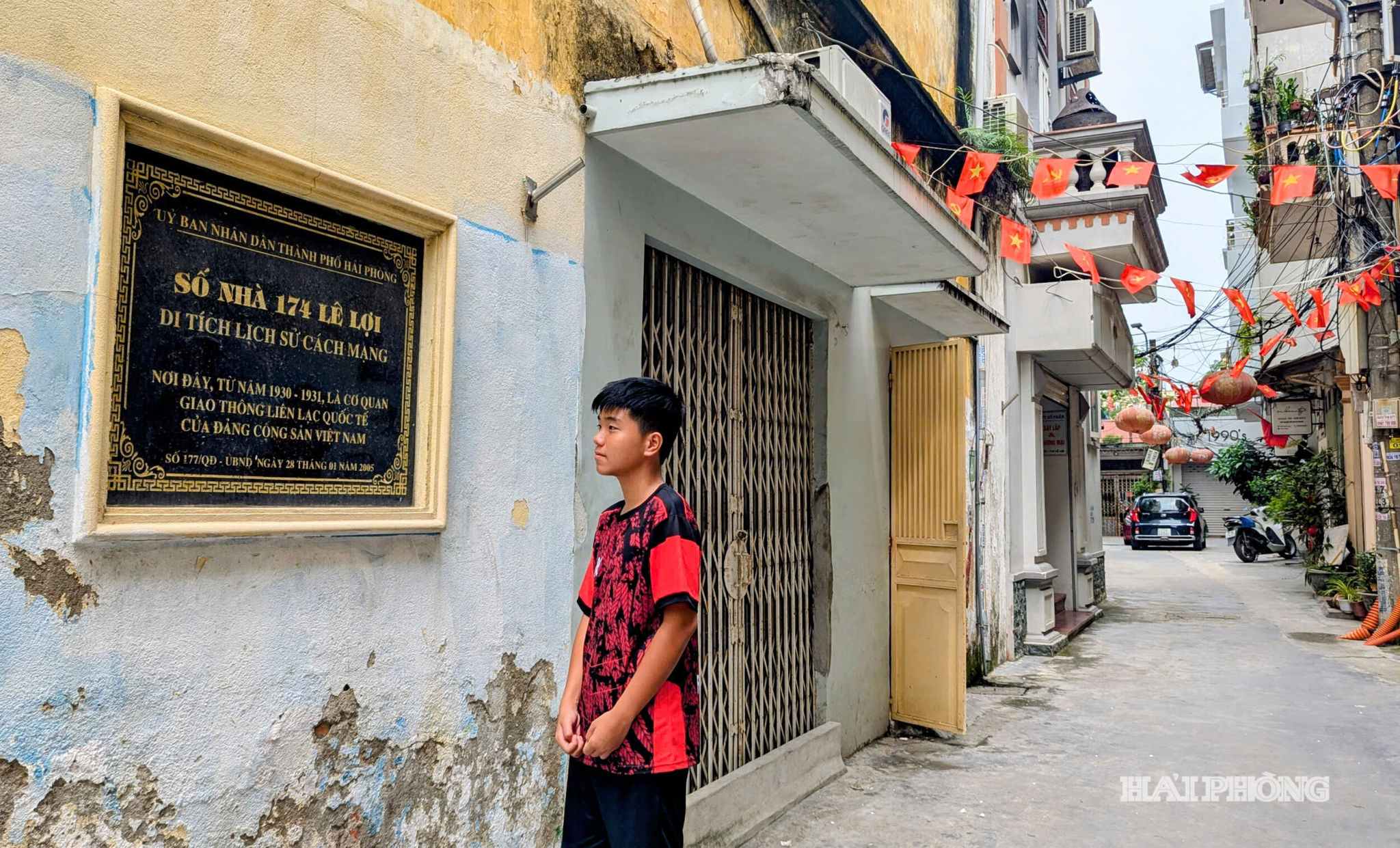
Not far away, 174/172 Le Loi Street is also a special address. During the 1930 - 1931 period, it was the international communications office of the Communist Party of Vietnam, at which many important documents were received. It was also where the work Duong Kach Menh (Revolutionary Path) was first brought to Vietnam.
Comrade Tran Phu also stayed at the second floor of the house in April 1930 after returning from the Soviet Union.
Besides 168 and 174/172 Le Loi Street, Hai Phong has many other houses associated with the city’s revolutionary struggle, such as 80 Cau Dat Street, which once served as a communications station of the Hai Phong Party organization; 23 Tran Nguyen Han Street, where the secret office of the Hai Phong Party Committee was located; and the house of Dang Thi Sau, which once served as the secret office of the Hai Phong Party Committee during the 1936 - 1939 period. Each site marks an important milestone in history, contributing to the revolutionary tradition of the port city.
For their historical values, these special houses have been recognized as revolutionary historical relics.
Amid the increasingly vibrant urban life, these special addresses may remain unknown to many people if the historical stories behind them are not retold and more widely shared. As these values continue to be preserved, retold and shared, the special addresses will not only be identified through certificates of recognition but also become living memories of today’s port city.
HA MINH