

Transforming production to awaken golden harvests
In just five years (2021 - 2025), more than 9,300 hectares of rice-growing land across Hai Phong were converted to other uses. Of this, about 2,450 hectares were converted to growing other crops and aquaculture, generating economic returns many times higher than rice cultivation.
Increasing incomes from converted areas
Although rice production continues to play an important role in ensuring food security, in some areas, cultivation efficiency is no longer commensurate with the potential of the land.
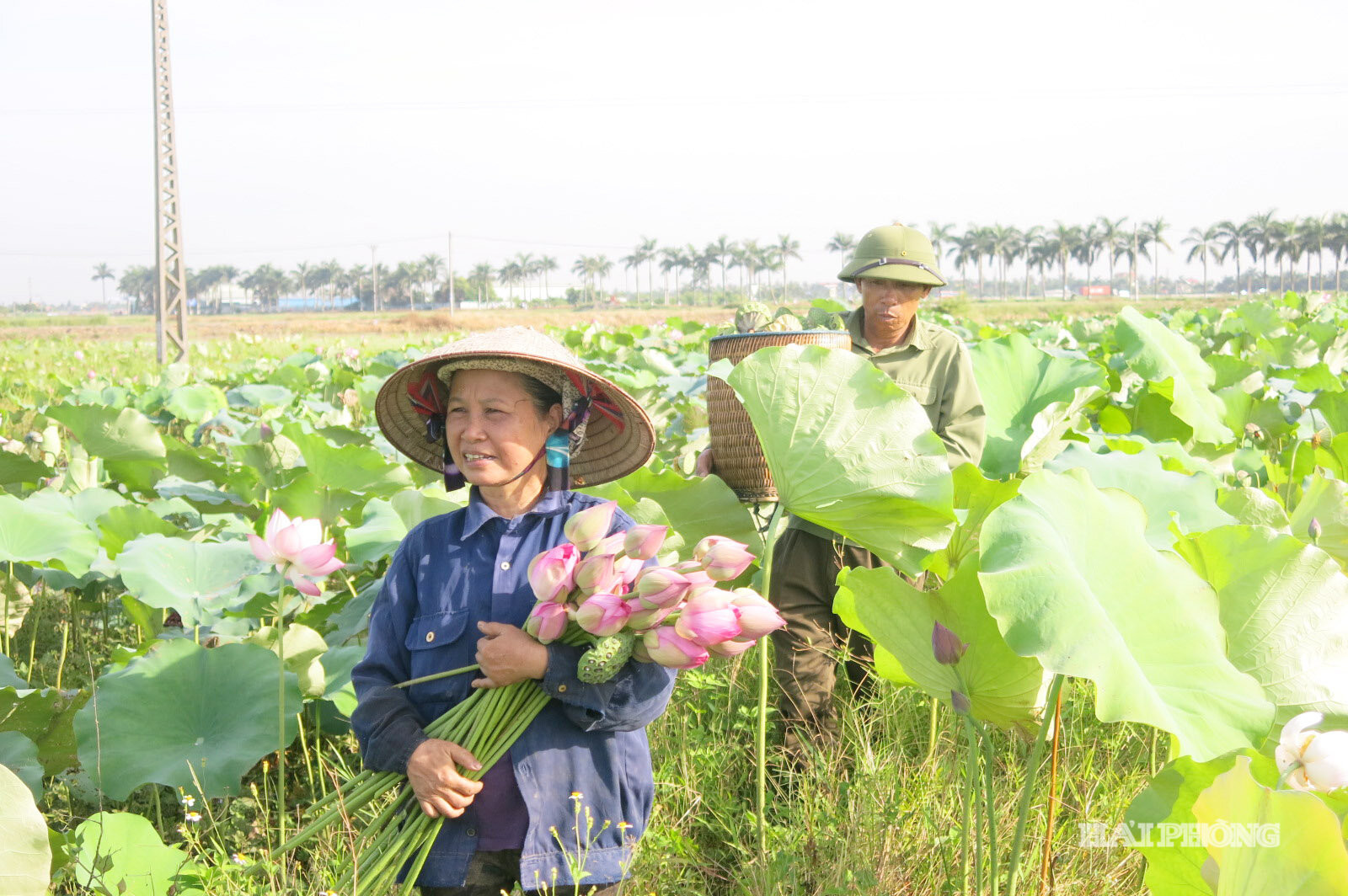
In response to this situation, many localities have shifted crop structures on rice-growing land to production models with higher economic value. Notable examples include guava cultivation in Vinh Bao, Thanh Ha, Ha Bac, Ha Nam and Ninh Giang communes, rice-fish models in Hai Duong and Chi Linh wards, and lotus growing in Kim Thanh, Vinh Bao and Kien Thuy.
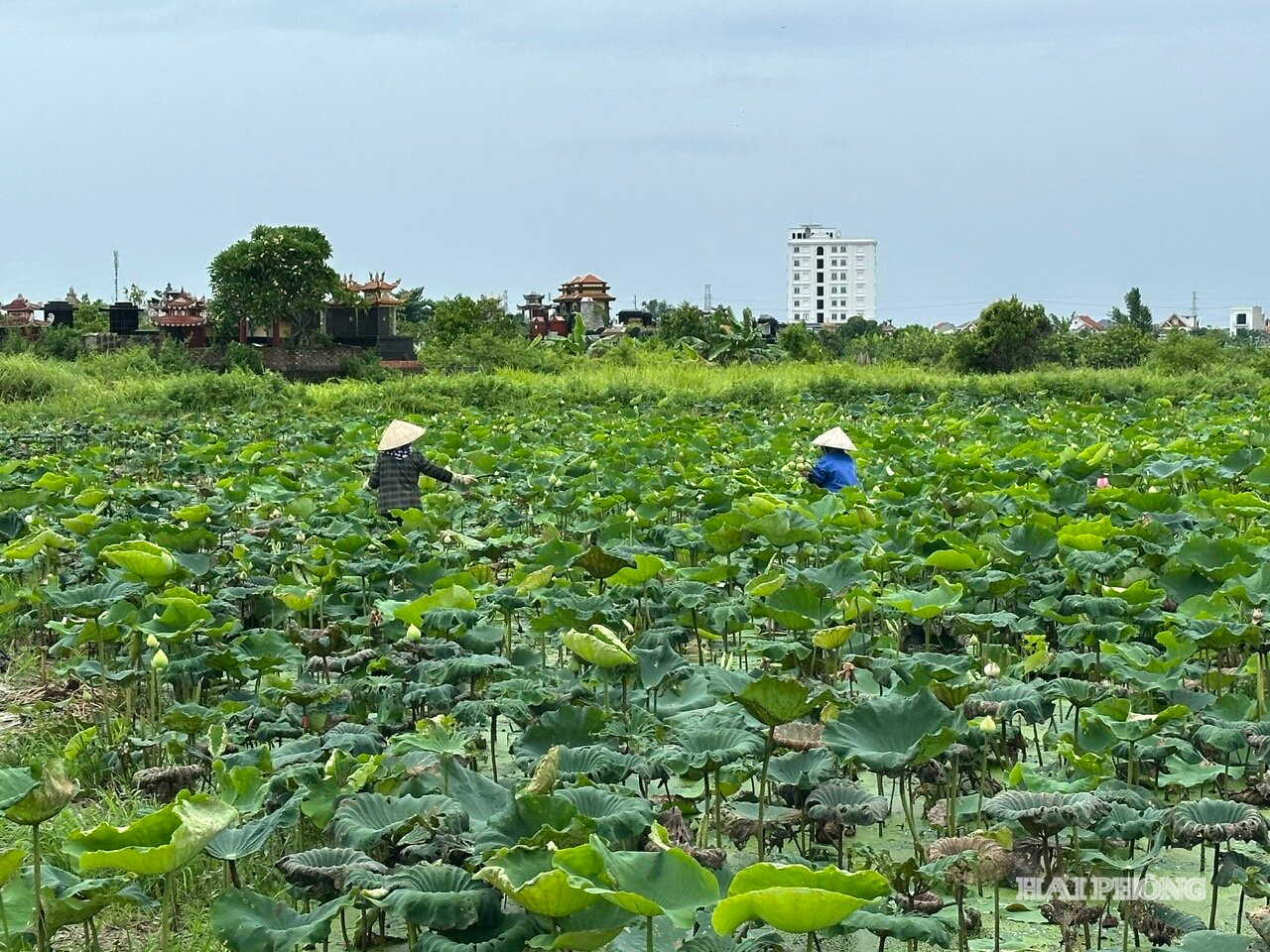
In Minh Tien Village, Kim Thanh Commune, Phan Van Cap’s lotus-growing model has generated an income of VND 200 - 300 million per year over the past 3 - 4 years. The area was previously used for rice cultivation, but because of its low-lying terrain and low yields, he leased land from local residents and converted it into a specialized lotus-growing area. He now has 3 hectares planted with lotus for seeds and another 3 hectares for flowers, stems and roots.
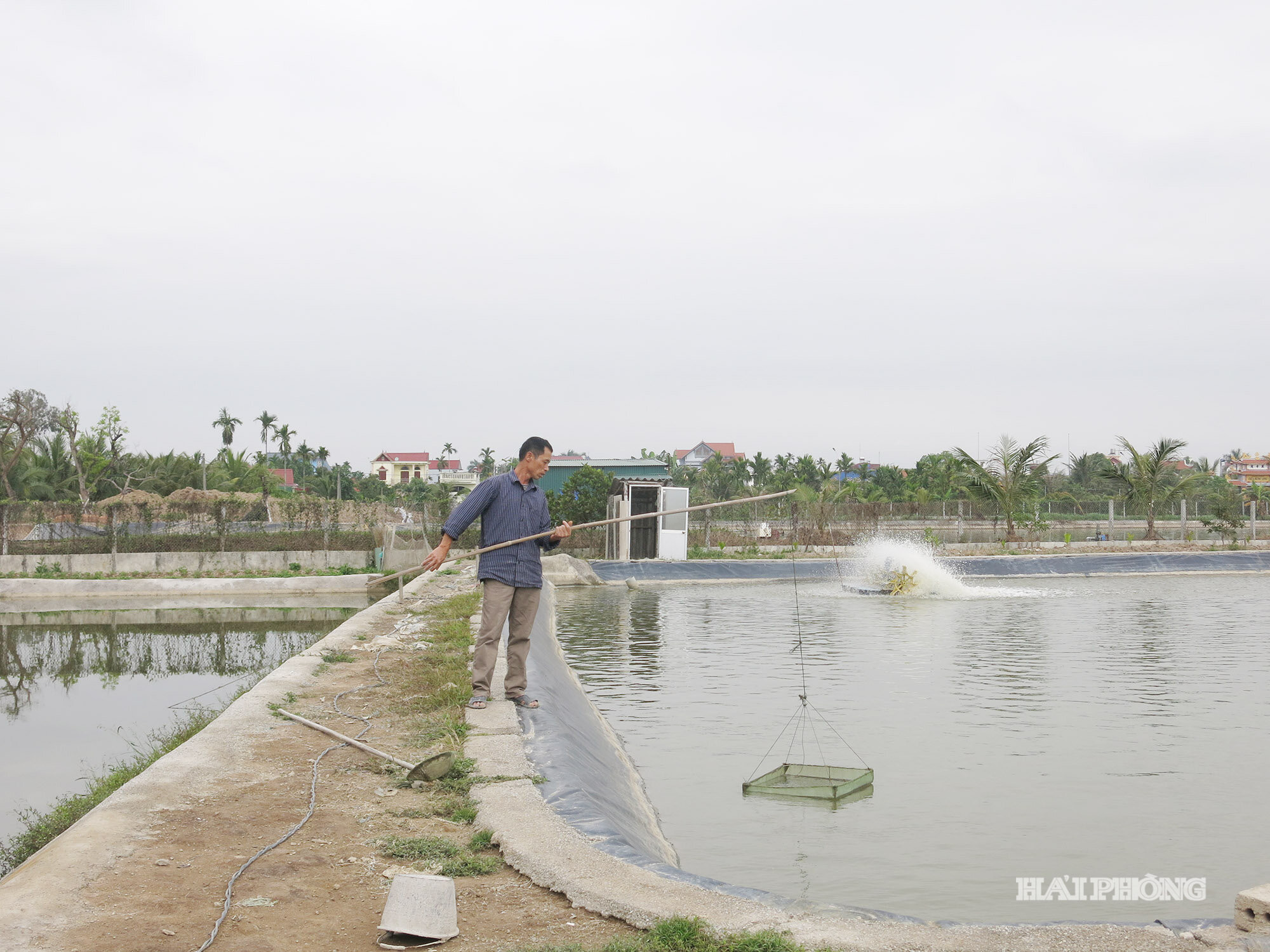
According to many farmers, while the average production value of rice-growing land is only about VND 64 million per hectare per crop, models involving vegetables and fruit trees can generate about VND 225 million per hectare. Aquaculture models, in particular, deliver significantly higher economic returns. Rice, ragworm, crab and aquaculture models in Nguyen Binh Khiem, Nghi Duong, Chi Minh, Tien Minh, Tan Minh and An Hung communes generate incomes of about VND 350 - 500 million per hectare per year, 5 - 8 times higher than conventional rice production.
Expanding successful models
According to Do Duc Loc, Deputy Head of the Professional Affairs Division of the Hai Phong Sub-Department of Cultivation and Plant Protection, the conversion of rice-growing land to other uses is currently being strictly managed to ensure food security.
To improve the efficiency of converting underperforming rice-growing land, Loc said localities need to review and clearly identify areas eligible for conversion and develop plans that are consistent with land-use planning and the ecological characteristics of each area.
At the same time, priority should be given to establishing concentrated production areas with contiguous land parcels and effectively implementing the city’s support policies to improve soil, enhance land-use efficiency and develop sustainable production.
According to leaders of several localities, to effectively tap the potential of shifting production structures on rice-growing land, it is necessary to strengthen the capacity of cooperatives, businesses and farmers in cultivation techniques, digital transformation, value-chain linkages and market development. In addition, agricultural land databases need to be improved, cadastral records surveyed and updated, and agrochemical and soil maps developed to support management, organize production and allocate appropriate crop structures after conversion.
HO HUONG