

Rural areas become tourist destinations
Without large-scale resorts, many rural areas in Hai Phong are still attracting visitors through the simple, authentic charm of country life.
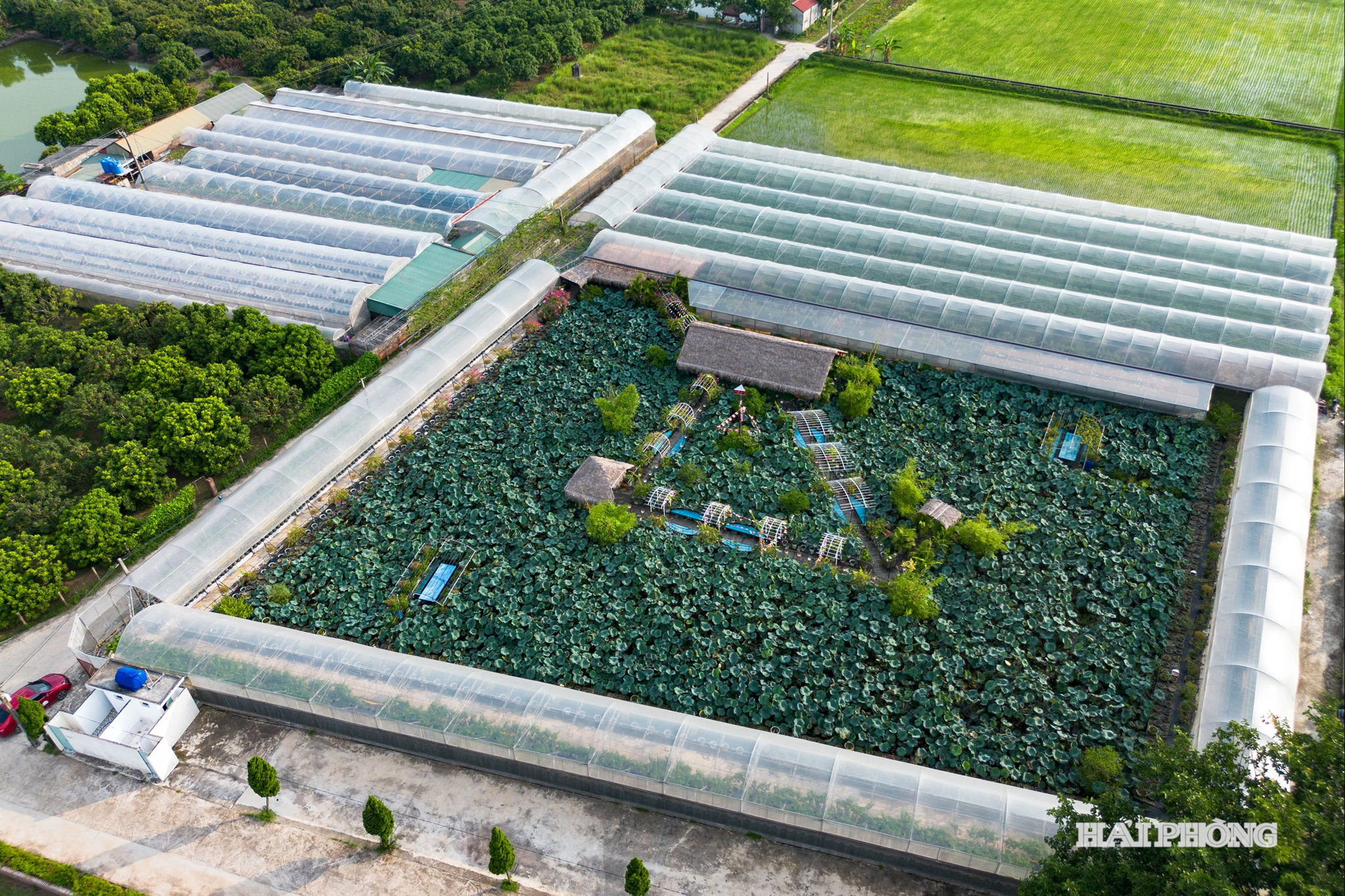
Appealing experiences
In summer, Dong Man Ecotourism Area in Thanh Ha Commune becomes an attractive destination for many visitors. Often described as a “mini Mekong Delta,” it offers boat rides through lychee orchards, fruit-picking experiences, and the fresh air of the countryside.
Creating this setting has been the result of years of perseverance by Nguyen Van Thang and his wife. Covering more than 5 hectares, Dong Man is primarily planted with lychee trees. In 2015, the family began transforming the orchard into a destination for sightseeing and hands-on experiences. Today, it welcomes around 5,000 – 6,000 visitors each year.
Beyond the lychee harvest season, Dong Man continues to attract guests throughout the year thanks to its peaceful rural landscape. Dong Man Ecotourism Cooperative has further improved the site and invested in additional facilities, with the goal of making it a green, environmentally friendly tourist destination.
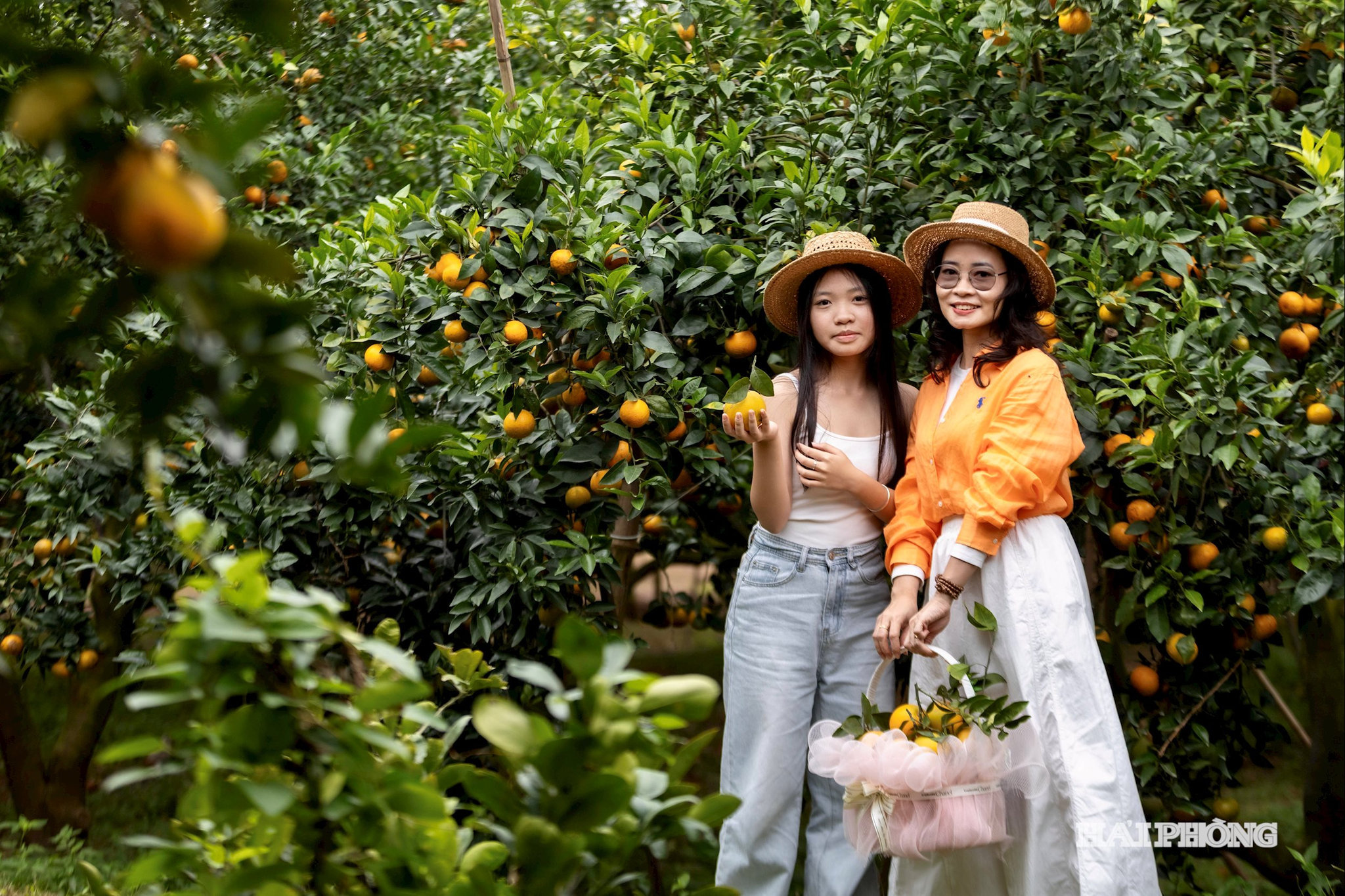
Dong Man’s story reflects a new approach to rural tourism development: instead of bringing local produce out of the village to sell, residents invite visitors to experience the place where it is grown. The value of an orchard lies not only in its fruit harvest but also in its scenery, atmosphere, and experiences. This model is now being expanded to many other areas.
New tourist destinations
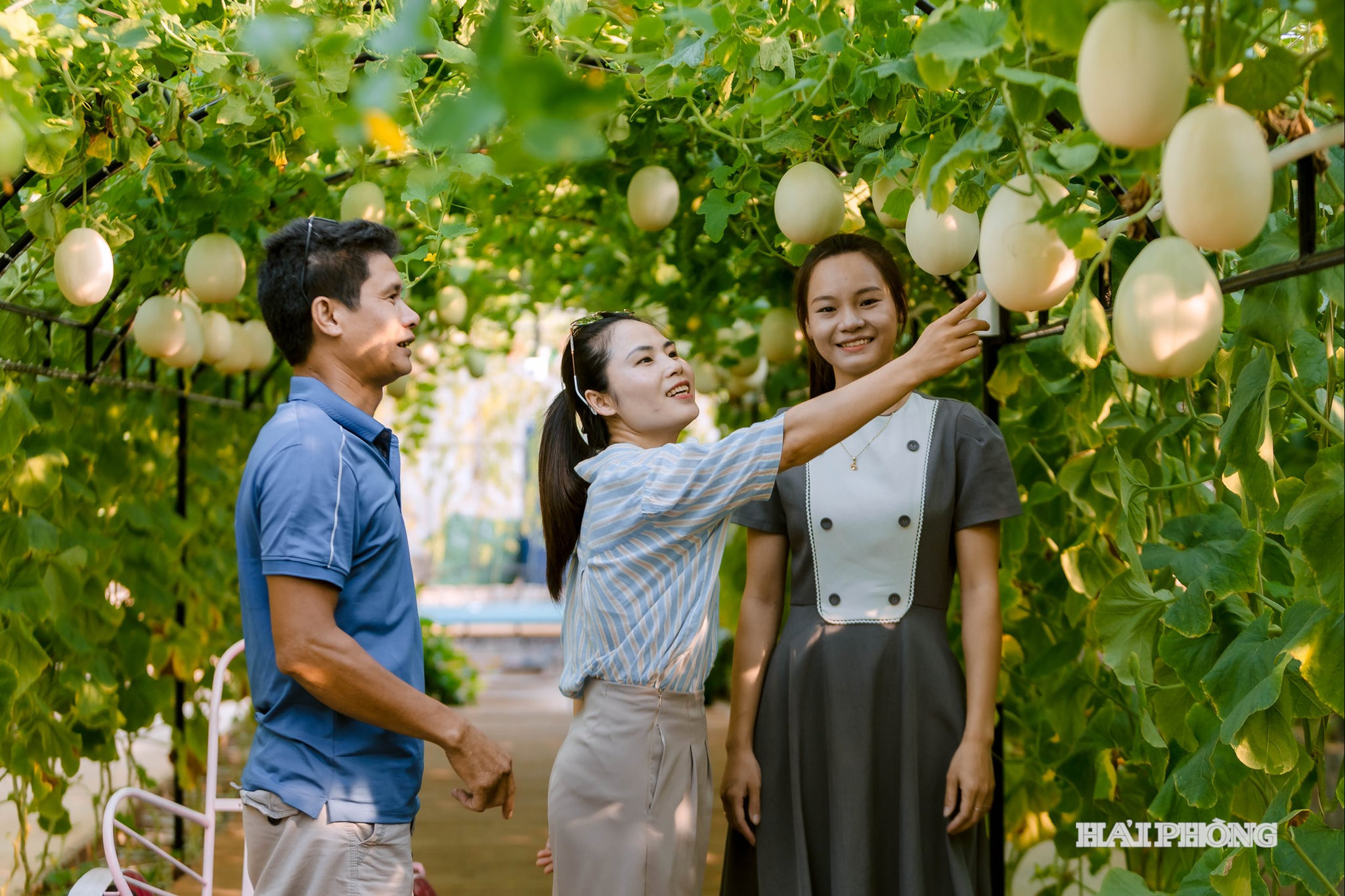
From simply attracting visitors to encouraging them to stay longer, rural tourism is evolving with a new mindset. An orchard can be combined with hands-on experiences, farms can offer accommodation, and local specialties become stories to share with visitors. Alongside agriculture, cultural and historical values are also becoming part of the rural travel experience.
In Khuc Thua Du Commune, Khuc Thua Du temple and the local traditional woodworking village have attracted many visitor groups, including international tourists. While orchards draw travelers with seasonal fruit and farms offer agricultural experiences, this destination possesses an irreplaceable asset: the historical and cultural story of the region.
The Commune People’s Committee has completed and submitted a dossier to the competent authorities to seek recognition of Khuc Thua Du temple as a tourist destination. The initiative aims to promote the value of the relic while combining preservation with the promotion of the local land and people, gradually developing a cultural tourism product.
A common direction is becoming clear: the countryside is emerging as a valuable resource for tourism development. Landscapes, agricultural products, relics, craft villages, and community culture can all become tourism products when they are properly invested in and thoughtfully organized.
Most importantly, each rural area needs to discover its own story. Not every place has to develop the same type of tourism product. Some highlight the story of seasonal fruit, others invite visitors to experience agricultural production, while some focus on history and heritage. It is this diversity that gives rural tourism its distinctive appeal.
As more visitors arrive, local residents gain additional income and services have greater opportunities to develop. Selling agricultural products directly at their place of origin also helps increase their value. And as more people discover these stories of the countryside, familiar values gain renewed vitality.
KIM GIANG