

Accelerating site clearance for Ninh Binh - Hai Phong expressway project
Localities are focusing on accelerating site clearance to soon carry out the Ninh Binh - Hai Phong Expressway Construction Project (CT.08).
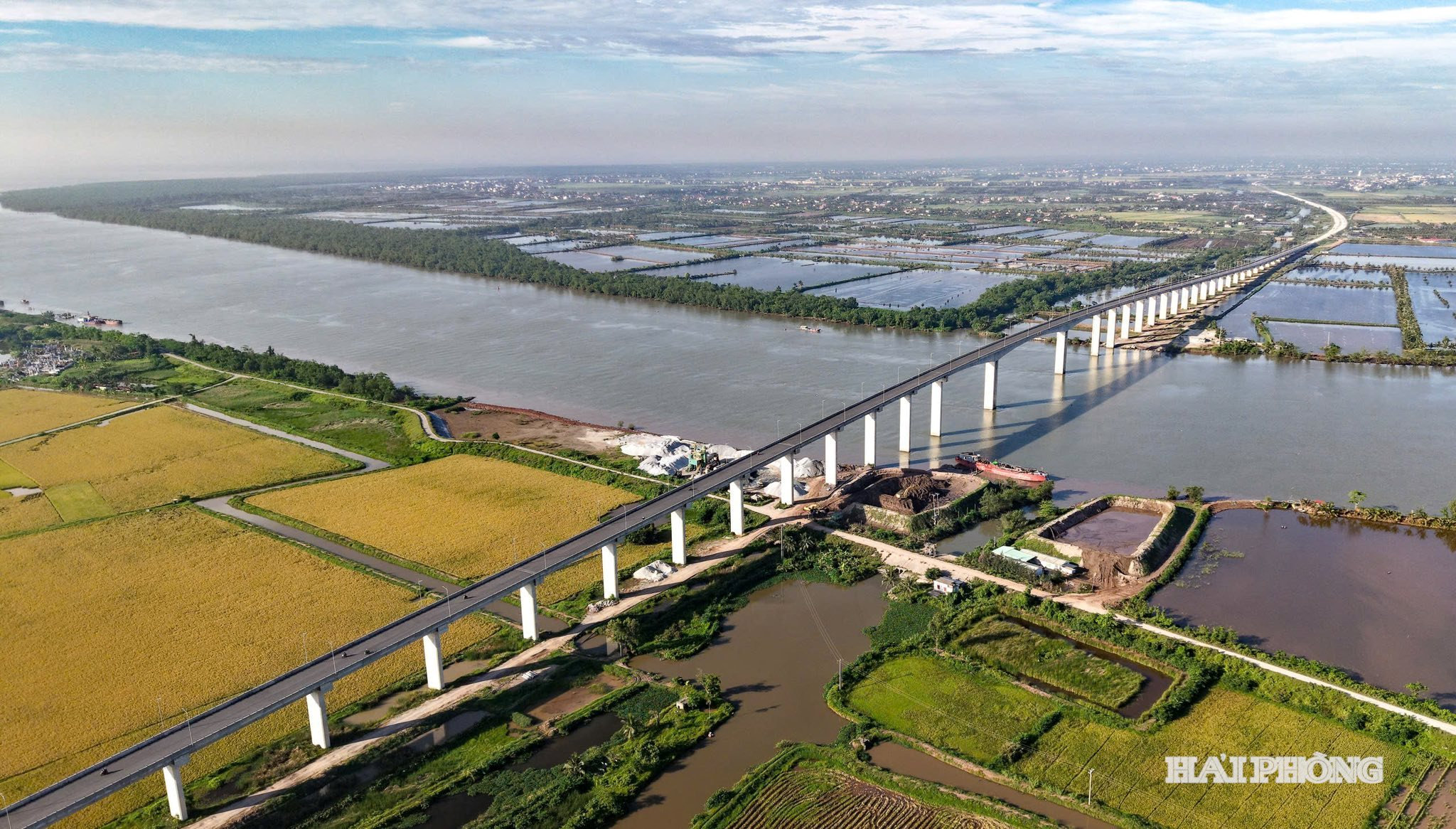
Large volume of site clearance work
The Ninh Binh - Hai Phong Expressway Construction Project is a key transport one of major importance to completing the interregional connectivity network.
The project in Hai Phong has two components. Component 1, the construction of Van Uc 2 Bridge, started in May 2026. Component 2 involves the construction of a route from the Ha Noi - Hai Phong Expressway to the coastal road interchange. The section, more than 7.5 km long, is expected to start construction in December 2026 in Kien Minh and Kien Hai communes and Duong Kinh and Nam Do Son wards.
The project requires site clearance for a roadbed 68 m wide, with a total land area of about 81.9 hectares. This includes more than 24 hectares of rice-growing land, about 19.65 hectares of aquaculture land, as well as residential land and other types of land.
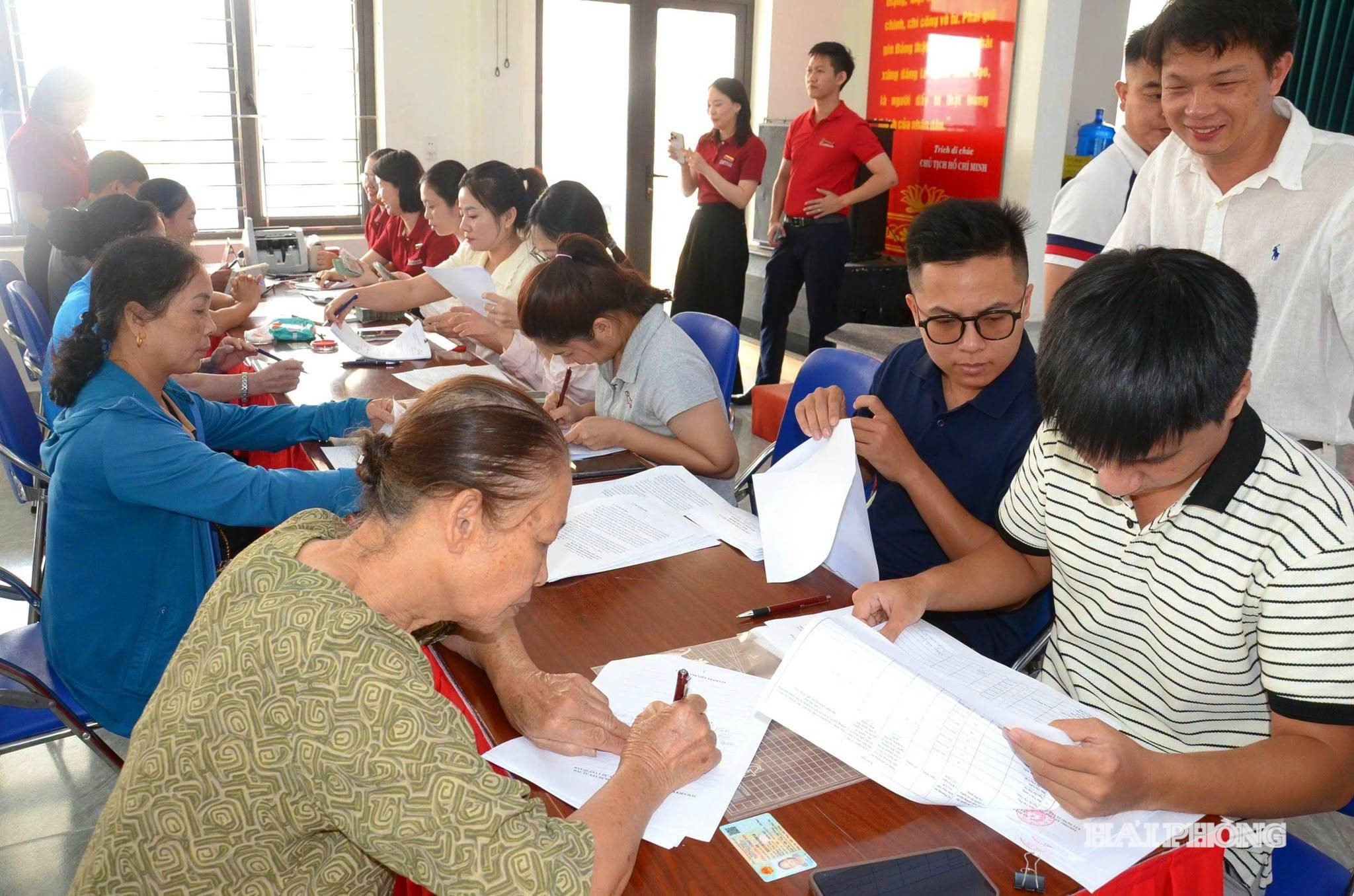
In Kien Hai Commune, about 3.2 km of the expressway passes through the area, and site clearance is being actively carried out. On August 8, all affected households coordinated to implement the compensation plan and received payments in accordance with regulations. Residents’ consensus has helped basically complete site clearance for the Van Uc 2 Bridge construction component, creating conditions for the project to proceed with the next steps.
Addressing obstacles from land origin verification
For Component 2, the section from the Ha Noi - Hai Phong Expressway to the coastal road interchange, the volume of site clearance work is very large.
In Kien Hai Commune, after receiving maps and boundary markers, the commune People’s Committee issued a plan and notices on land recovery for the relevant cases. Accordingly, 420 households are subject to land recovery, with a total area of more than 249,300 m2.
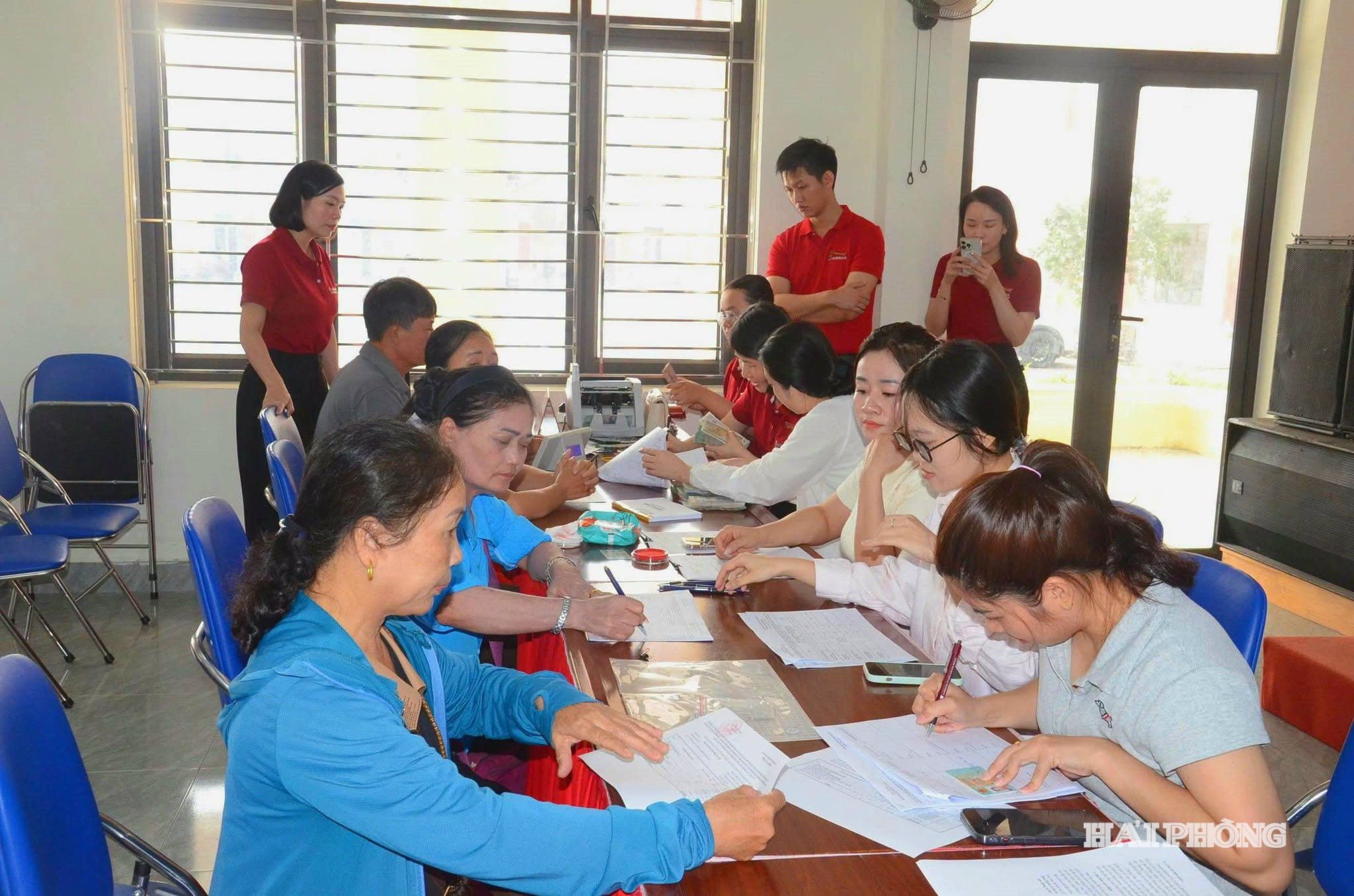
Bui Trong Hai, Director of the Commune Construction Investment Project Management Board, said the locality is conducting inventories and reviewing cases related to land recovery. The locality is also coordinating with relevant departments and sectors to step up information dissemination and mobilization, thereby creating consensus during project implementation.
In Kien Minh Commune, the total land area expected to be recovered is about 150,389.2 m2. Among the 115 households whose residential land is subject to recovery, Nguyen Thi Mua has lived in Phong Quang Hamlet for nearly 40 years. Although the land recovery affects her family’s life, Mua supports the project after receiving support, information and explanations from local officials.
In Nam Do Son Ward, about 8.19 hectares of land will be recovered for the project. The inventory of land and assets is being carried out in July and August, while land recovery will begin at the end of November 2026.
Duong Kinh Ward is also actively conducting investigations, surveys, measurements and inventories of land and assets attached to land for cases subject to land recovery.
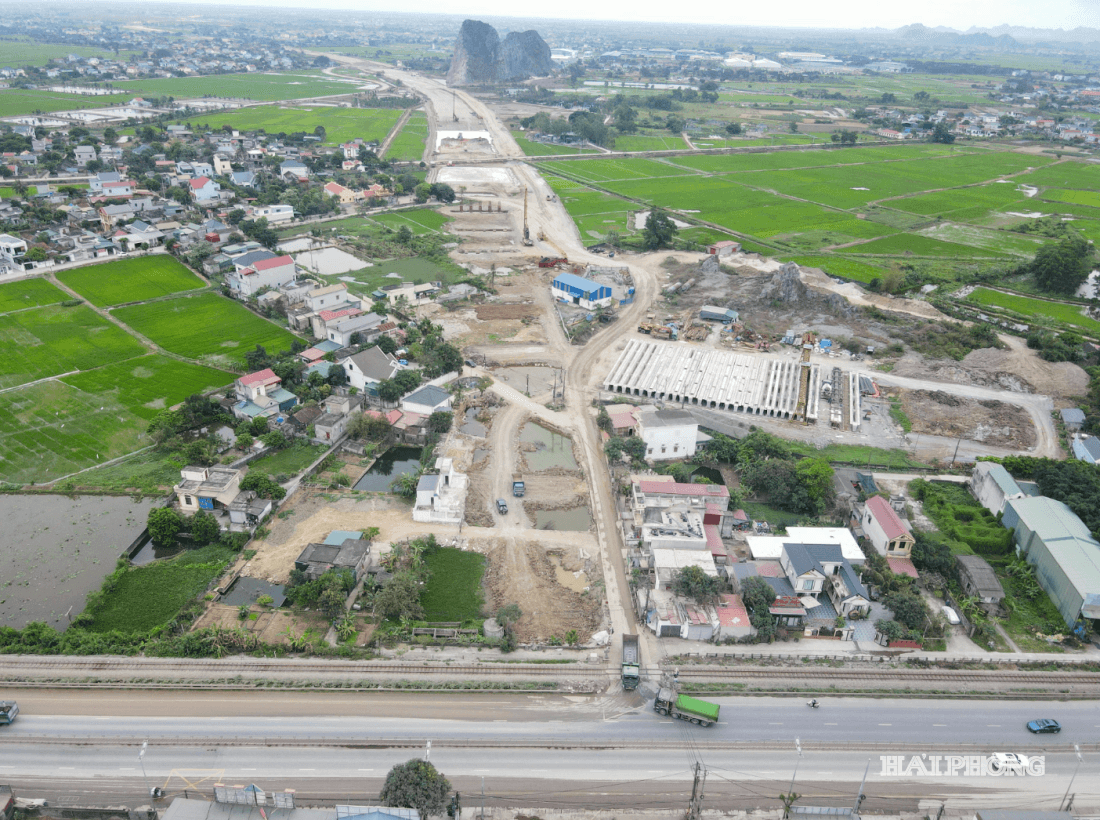
Upon completion, the Ninh Binh - Hai Phong Expressway will form a strategic transport corridor connecting Quang Ninh, Hai Phong, Hung Yen, Ninh Binh and Thanh Hoa; help reduce pressure on existing national highways; and expand development space for industry, services, logistics and coastal tourism.
During a field inspection of the project in July, Chairman of the Hai Phong People’s Committee Do Thanh Trung emphasized that to ensure the project is implemented as committed, the entire political system must act with the highest determination, proactively coordinate closely, and use work effectiveness as the measure.
The localities need to focus on completing inventories, reviewing records, determining land origins, and accelerating the preparation, appraisal and approval of compensation, support and resettlement plans.
Preparations for resettlement also need to be implemented synchronously to ensure the legitimate rights and interests of residents, especially households that have to relocate. This will help accelerate site clearance, provide cleared land for the project and create more room for future development in the localities.
THANH VAN