
Improving tax management through digital technology
The Hai Phong Tax Office has stepped up the use of digital technology and data in tax management, thereby gradually renewing its management methods and improving services for taxpayers.
Building digital tools and applications
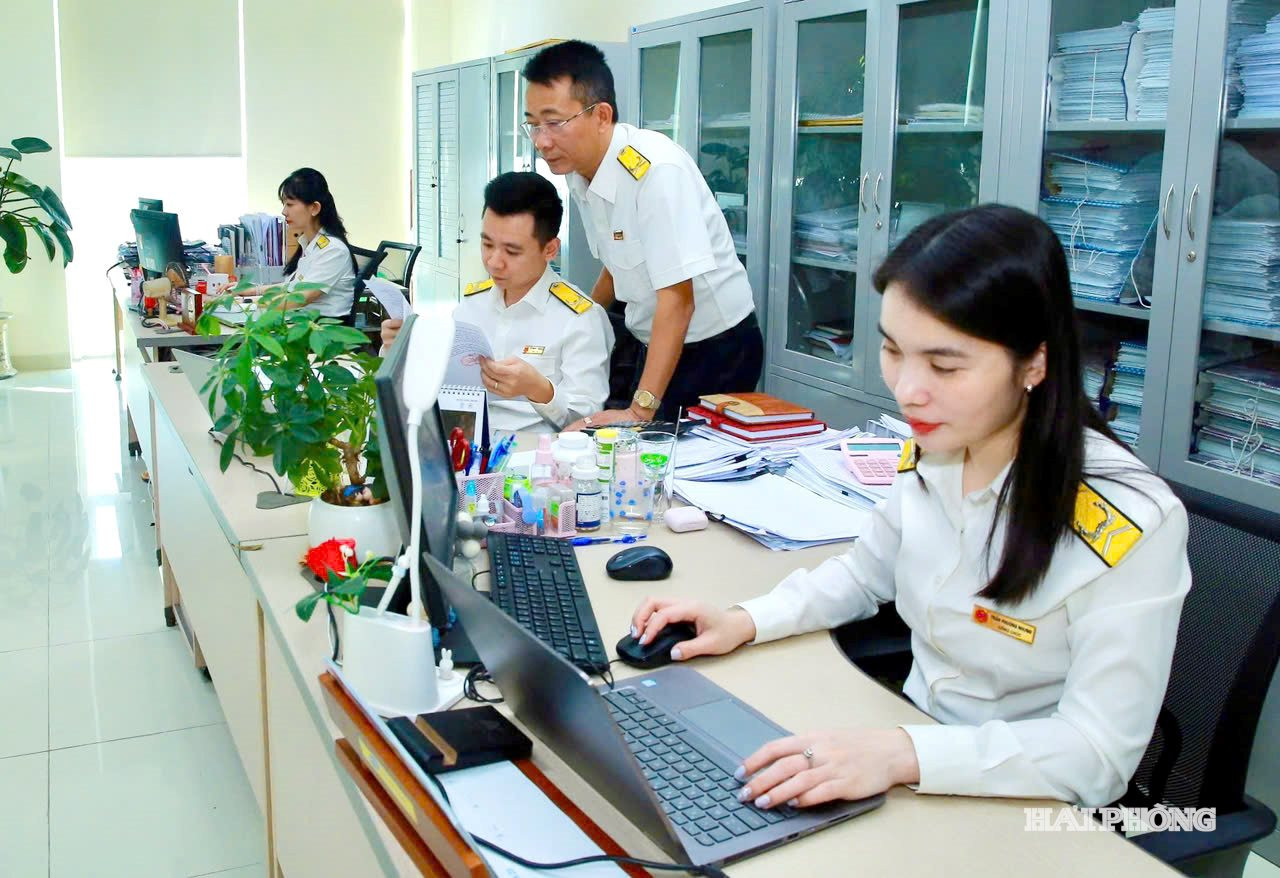
According to Nguyen Tien Truong, Head of the Hai Phong Tax Office, digital transformation in the tax sector is no longer simply about introducing technology into professional operations but aims to change management methods. Data has become the foundation for tax authorities to identify risks, improve the quality of management, and make more accurate decisions.
The office is a pioneer in researching and deploying an artificial intelligence (AI) application to analyze financial statements, helping identify risks and abnormal signs for tax inspections.
Nguyen Thi Hong Viet, Head of the City Tax Office’s Tax Inspection Division No. 1, said that while analyzing financial statements previously took many hours and depended on tax officials’ experience, the application now takes only about two minutes.
Meanwhile, an end-to-end tax inspection application has reduced the time needed to collect and consolidate information for an inspection from 8 – 16 hours to about one hour, a reduction of more than 90% compared with manual processing.
In addition to applications supporting inspections, the Hai Phong Tax Office has deployed various tools to support management and taxpayers, such as tools for checking enterprises and household businesses showing signs of risk, automatically sending tax debt notices, and supporting the handling of administrative tax violations. The office is also promoting the use of eTax Mobile, cleaning and digitizing data, and connecting land data with the national population database to support tax management.
Tran Viet Ky, Chief Executive Officer of Hai Duong Logistics and Freight Forwarding JSC, said that the use of technology and maintaining online communication channels have made it more convenient for the company to update policies, process data, make payments, and complete tax finalization procedures.
Expanding applications to serve taxpayers
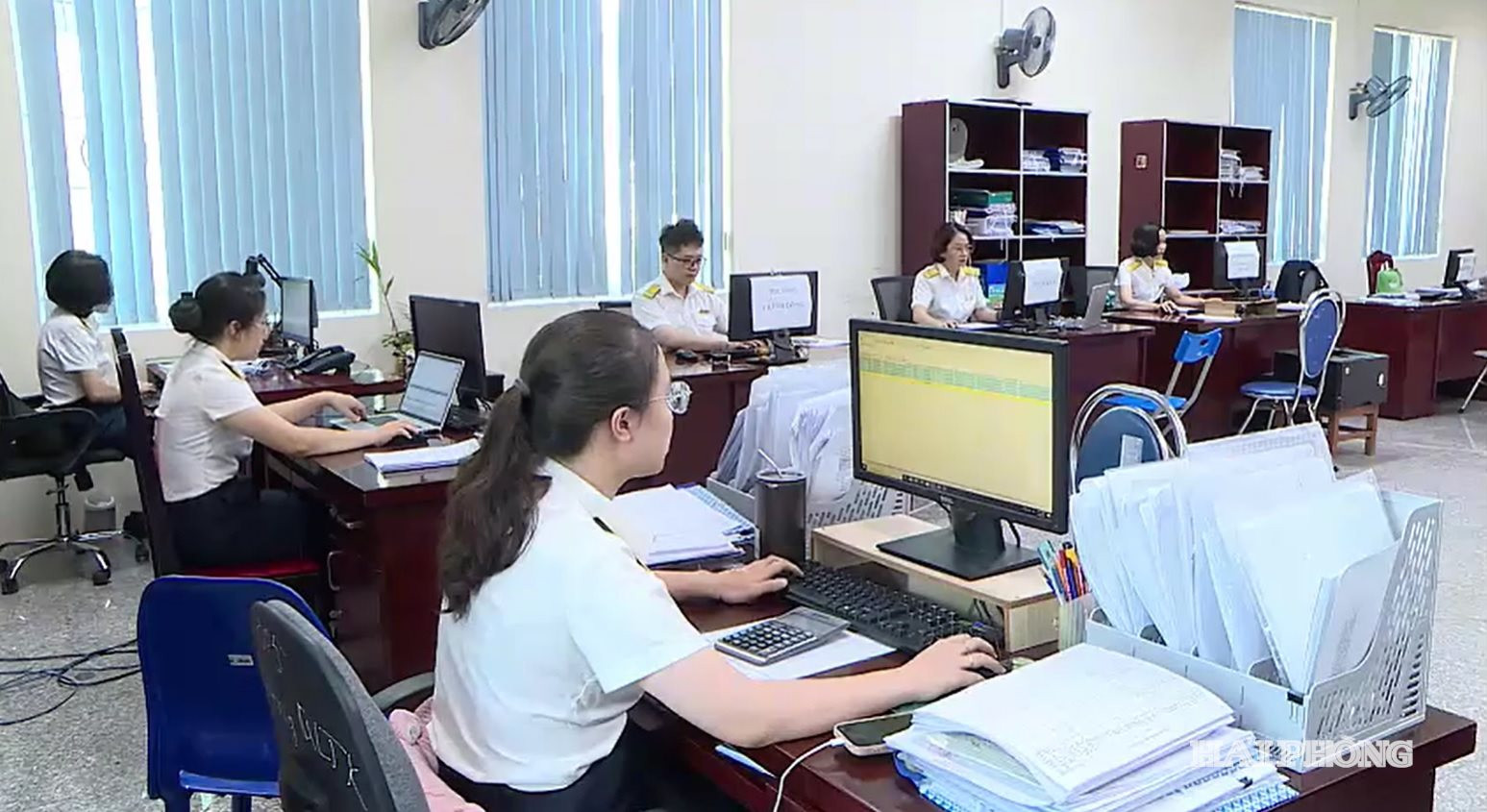
At a conference to implement tasks for the second half of the year held by the Hai Phong Tax Office, Mai Xuan Thanh, Director General of the General Department of Taxation, said the Hai Phong Tax Office was one of the leading units, with many innovative and creative approaches. Some applications researched and developed by the office have been widely adopted throughout the sector.
Thanh said technology should not only help tax authorities manage taxes more accurately, promptly, and transparently, but also make it easier for individuals and businesses to fulfill their tax obligations. Therefore, digital transformation needs to bring about strong reforms in interaction between tax authorities and taxpayers, with taxpayers at the center.
Chairman of the Hai Phong People's Committee Do Thanh Trung also asked the Hai Phong Tax Office to continue accelerating digital transformation and applying modern technologies to optimize professional processes, improve labor productivity, and reduce the workload for residents, businesses, and tax officials and civil servants. The city authorities always support the tax sector in taking the lead in piloting and applying new technological solutions.
In the coming period, the Hai Phong Tax Office will continue to focus on cleaning and improving the quality of taxpayer data, while closely controlling data from the point at which it is generated to minimize errors, missing information, and duplication. It will strengthen the use of data analytics to detect and provide early warnings of risks related to e-invoices, tax declarations, and tax refunds, and gradually build a data-driven management culture across the sector.
HA MINH