
Boosting digital transformation in Hai Phong's logistics sector
The development of digital data has become an important driver enabling Hai Phong's logistics sector to optimize operations and strengthen its competitiveness.
Making digital data the driving force
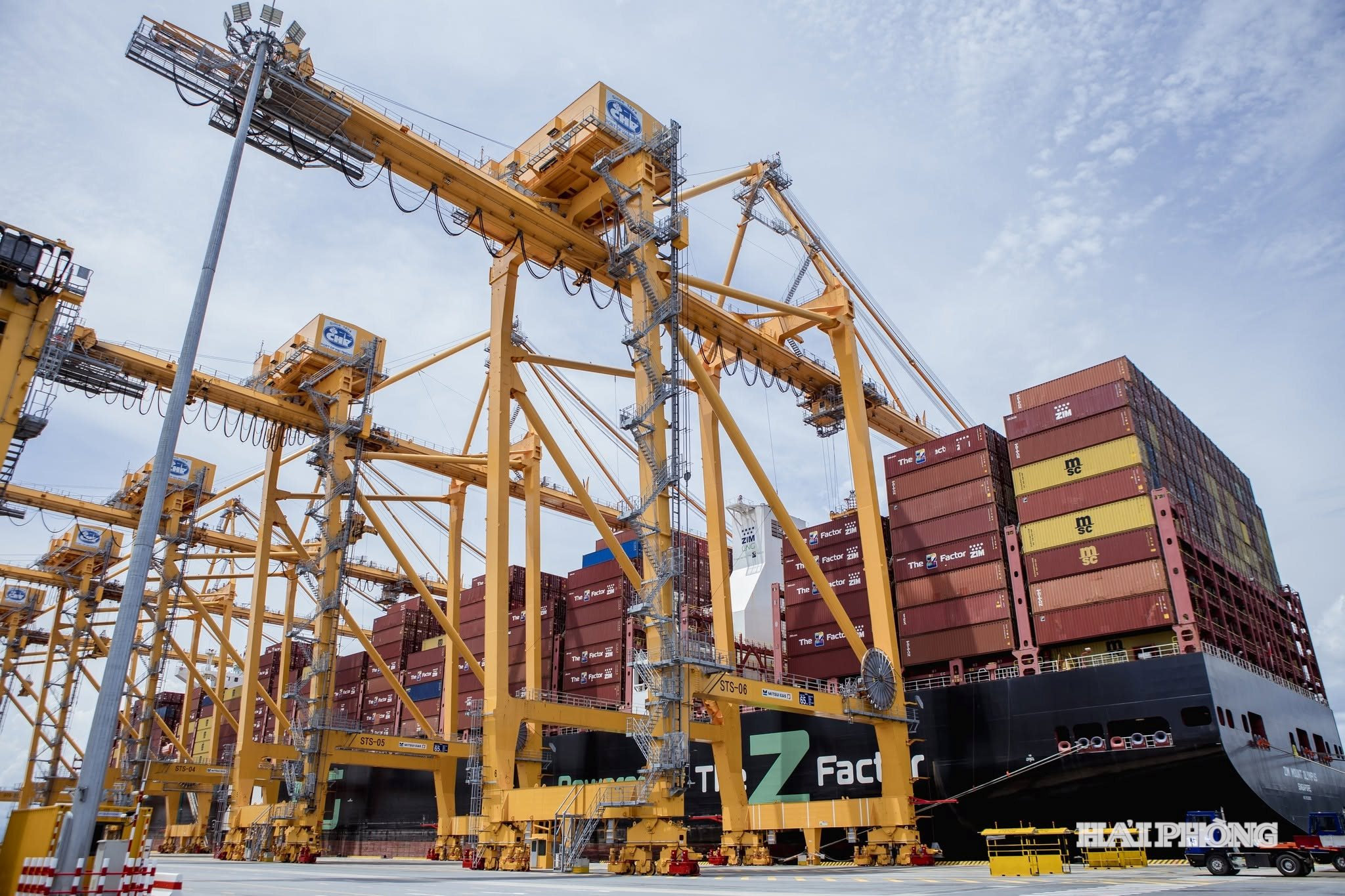
Recognizing the role of technology in the digital era, port operators and logistics companies in Hai Phong have taken the initiative in turning digital data into a strategic resource.
Le Manh Cuong, Head of Marketing at Hai Phong Port TIL International Terminal Co., Ltd. (HTIT), said: “At HTIT, we see digital transformation as closely linked to the integrated development and application of multiple technology systems.
“In which, CATOS serves as the core platform for container management and operations, ePort provides customers with online services and information, SmartGate digitizes and automates gate operations, SAP supports enterprise management, and EAMS is used for asset and equipment management.”
He emphasized that the company's goal is not simply to have digital systems in place, but to ensure they generate, connect, and transform data into a practical tool for production and business operations, making management more proactive, accurate, and less reliant on manual processes.
HTIT is also targeting artificial intelligence (AI) combined with optical character recognition (OCR) technology to automatically identify containers, vehicles, and images as part of its smart port model.
At Hai Phong Port, the deployment of an electronic port system (ePort), together with digital financial management solutions developed with technology partners, enables customers to complete cargo delivery registration, fee payment, and container information lookup entirely online. As a result, processing time has been significantly reduced while transparency has improved and direct contact has been minimized.
A driver of growth
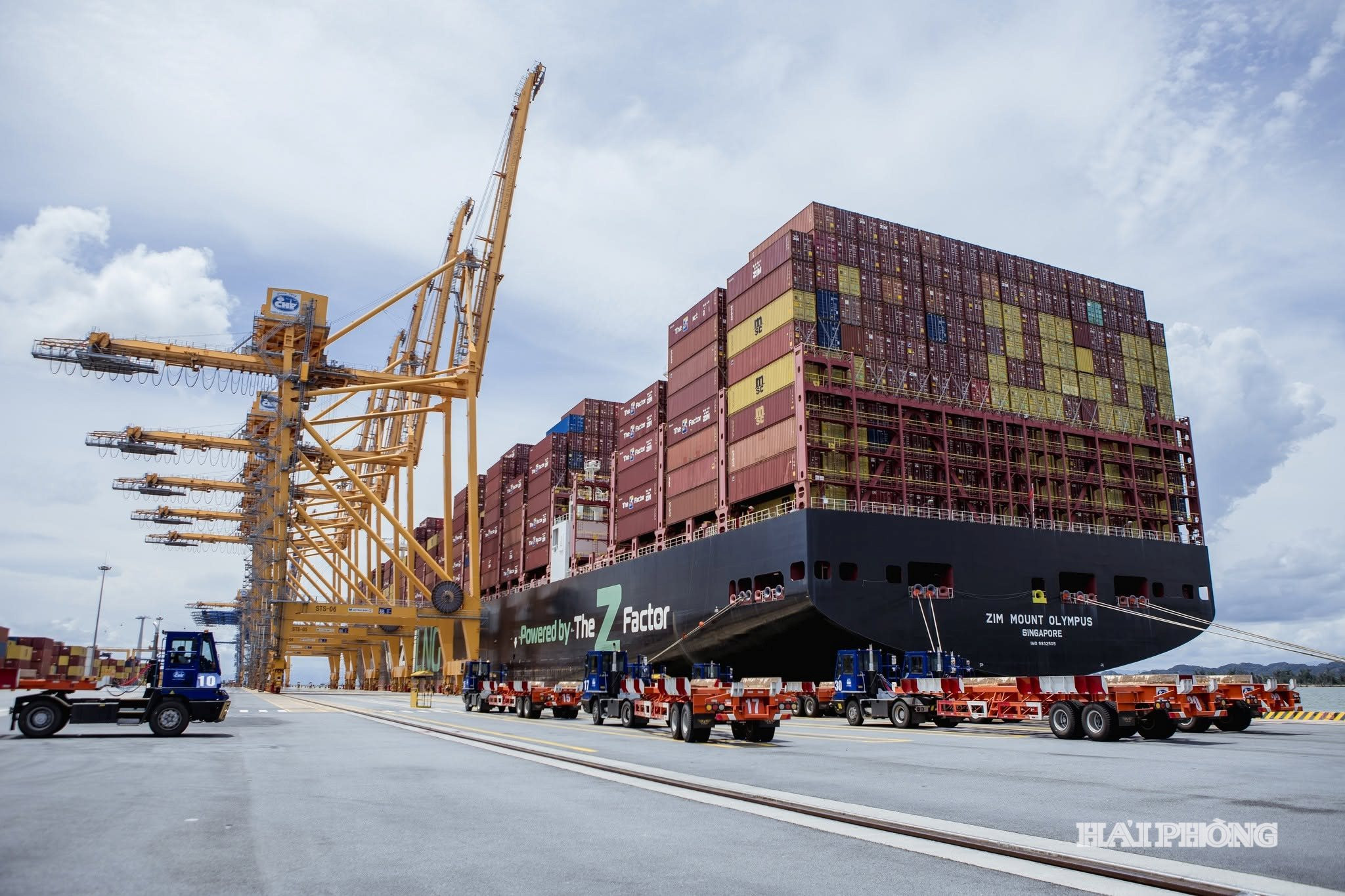
The power of digital data in Hai Phong's logistics sector is also reflected in specific figures. Home to northern Vietnam's largest seaport system, including the Lach Huyen deep-water port complex and terminals at Dinh Vu, Chua Ve, and Tan Vu, all directly connected to international shipping routes, Hai Phong views digital logistics as a strategic lever for reducing social costs and laying the foundation for sustainable growth.
According to Nguyen Minh Duc, Vice Chairman of the Hai Phong Logistics Association, transport management systems (TMS), warehouse management systems (WMS), GPS tracking, e-invoicing, and digital signatures have become standard operational tools at many logistics companies across the city.
Speaking at a conference connecting manufacturers, importers, and exporters with port operators and shipping lines under the theme “Supply chain linkages – Logistics optimization – Driving double-digit growth” on August 7, Vice Chairman of the Hai Phong People's Committee Hoang Minh Cuong called on manufacturers, importers, exporters, port operators, shipping lines, and logistics enterprises to strengthen cooperation, build long-term partnerships, improve service quality, reduce logistics costs, and expand transport routes.
Hai Phong aims to become a logistics hub of national and international significance, centered on green and smart ports and circular supply chains, by 2030.
To achieve this goal, the city will need to implement several key measures simultaneously, including improving financial support mechanisms and policies for small- and medium-sized enterprises undertaking digital transformation; accelerating the development of an online logistics exchange and a shared open-data platform; strengthening the training of high-quality talent in technology and data analytics; and expanding public-private partnership in digital infrastructure investment and data connectivity between State management agencies and the business community.
THU HANG