

Hai Phong focuses on site clearance for Ring Road 3 key project
Hai Phong is expediting site clearance to keep Ring Road 3, the key transport component of its climate change adaption project, on schedule.
Promptly implementing initial phase
The Hai Phong Climate-Resilient City Development Project was approved by the Municipal People's Committee in Decision No. 679 dated February 18, 2026.
Classified as a Group A project and a special-grade transport work, it has a total investment of more than VND 9.908 trillion and will be implemented between 2026 and 2030. The project requires the acquisition of 232.33 hectares of land.
Its first component is the construction of Ring Road 3, a 18.65-km route linking the Ha Noi–Hai Phong Expressway with Bui Vien Road. The road will have an 8-lane, 27-m-wide cross section and pass through the wards of Dong Hai, Thuy Nguyen, Nam Trieu, Bach Dang, Hoa Binh, and Luu Kiem.
The route is expected to strengthen regional connectivity, support the development of the marine economy along the northwest–southeast corridor, boost logistics activities, and reinforce Hai Phong's role as a regional transport hub.
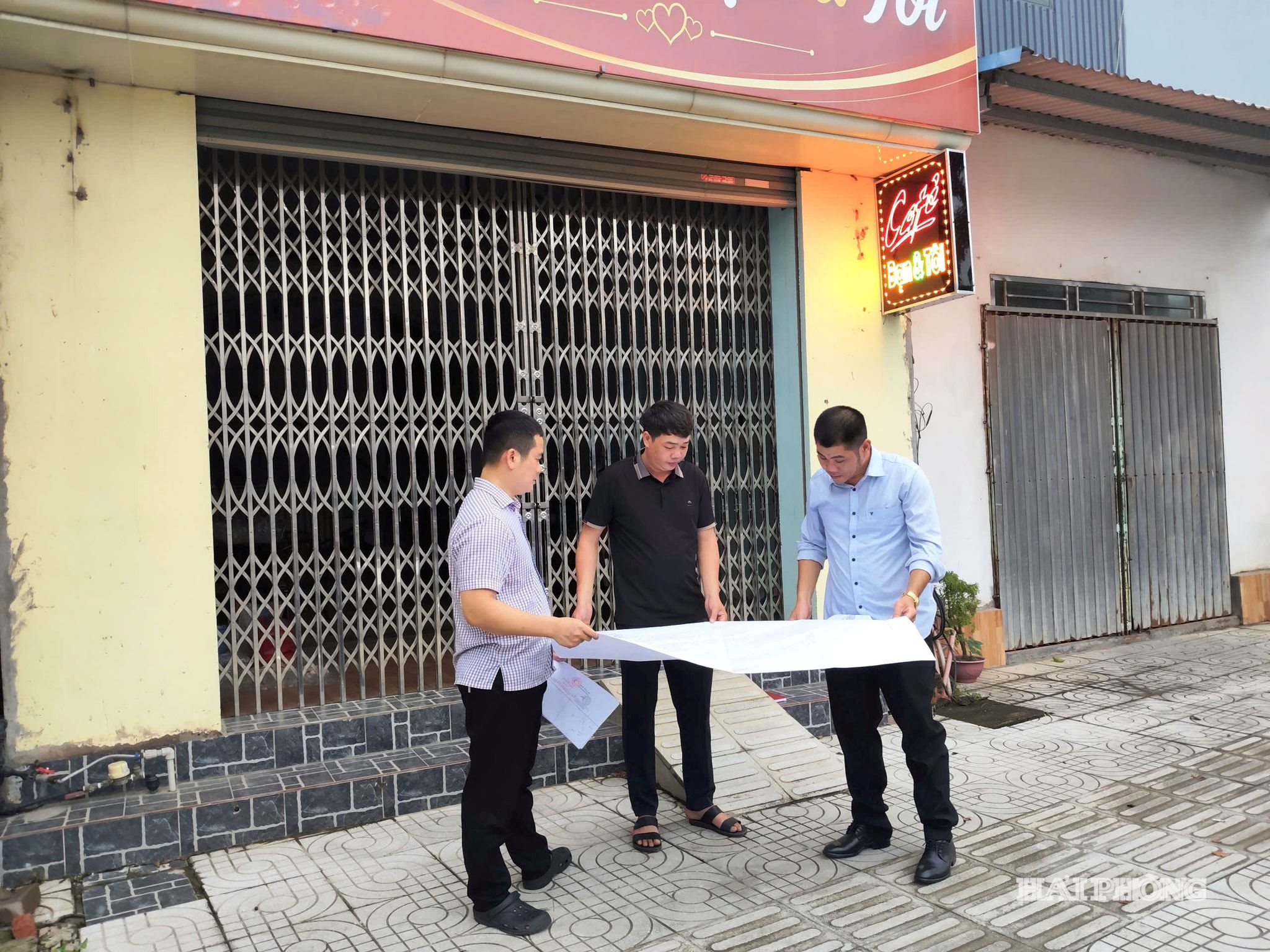
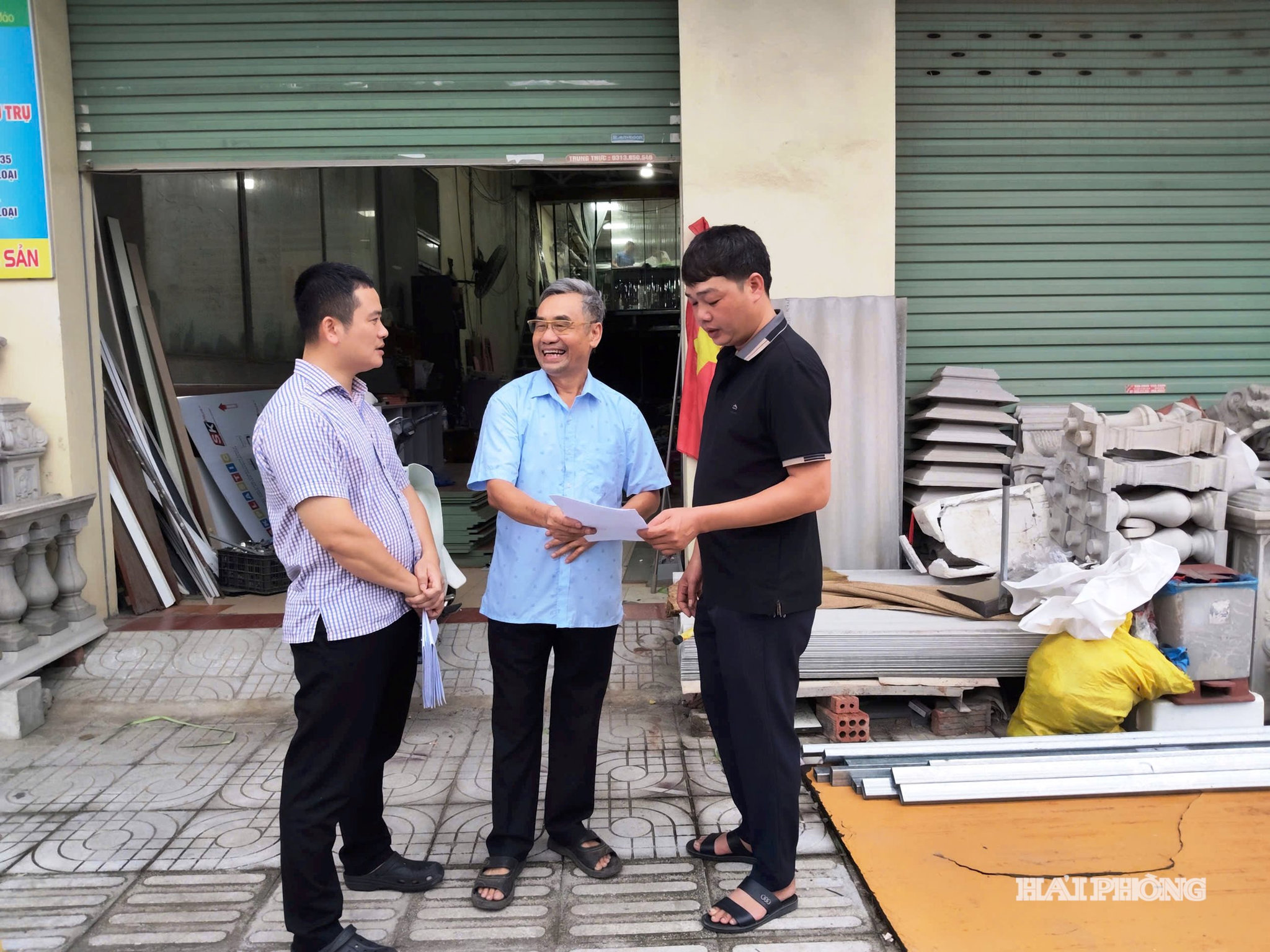
Local authorities have now entered the initial stage of site clearance. Since June 2026, they have issued land acquisition notices, verified land-use origin and conducted inventories of agricultural and residential land.
Targeting completion by the second quarter of 2027
The Hai Phong Transport Infrastructure Construction and Investment Project Management Board, the project investor, is working closely with local authorities to complete the clearance of agricultural land by the end of 2026 and residential land by the second quarter of 2027.
The construction of Ring Road 3 is expected to begin in November 2027.
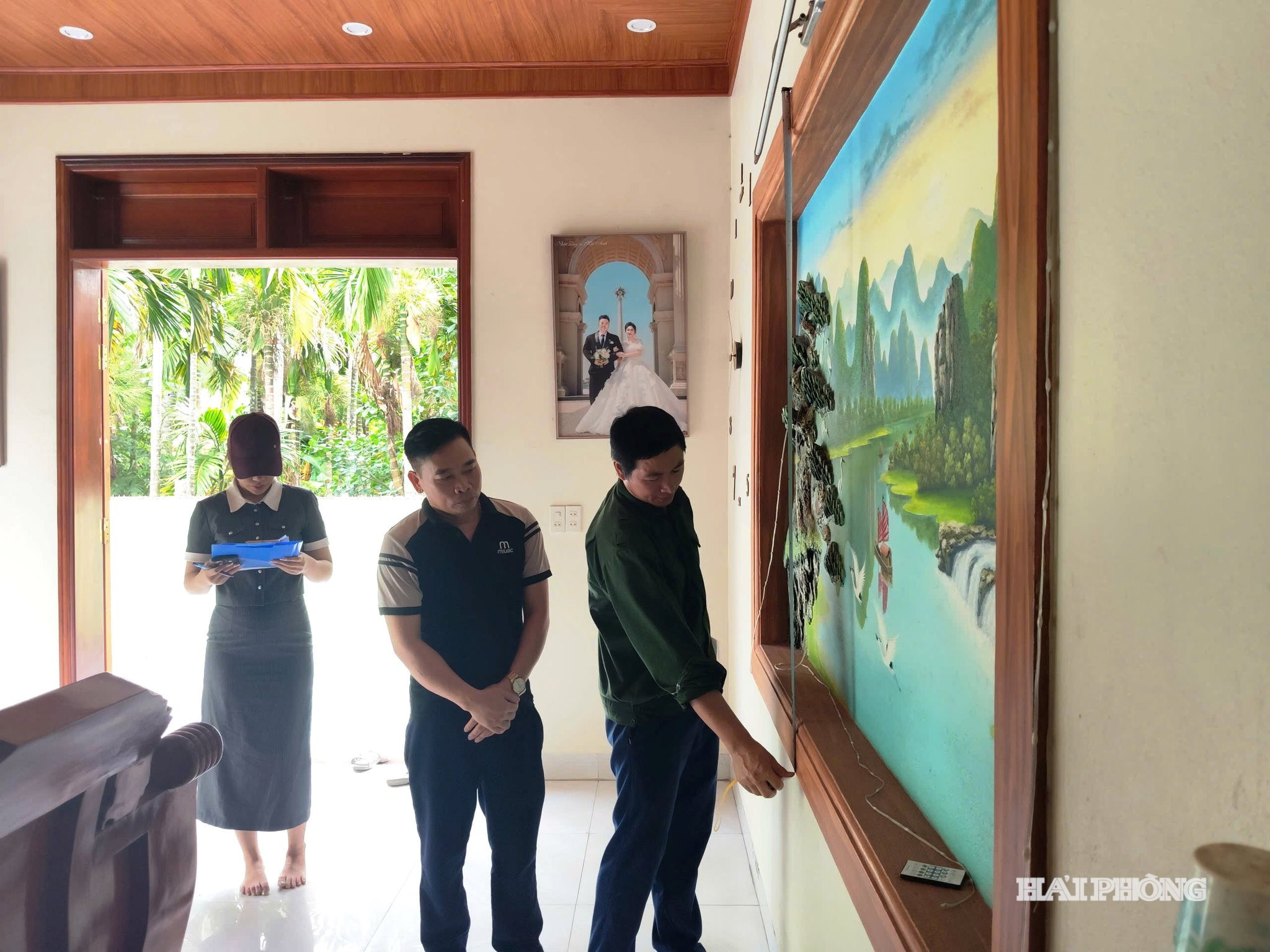
To maintain progress, local authorities will accelerate land surveys, verify land-use origin, prepare and publicly disclose compensation and support plans, and proactively resolve potential obstacles.
In Nam Trieu Ward, the main challenge involves reclaiming aquaculture land from more than 50 households. Most land lease contracts have expired, but disputes over compensation and support policies may arise.
Pham Ba Phuoc, Deputy Head of the ward Construction and Investment Project Management Board, said the unit would carefully review land origin, lease terms, and relevant regulations to find appropriate solutions for each case.
Meanwhile, Bach Dang Ward has the largest number of affected residential households, with 150 homes subject to land acquisition, mainly along Provincial Road 359. The ward is intensifying public communication, ensuring transparency in policies, promptly addressing residents' concerns, and building public consensus to keep the project on schedule.
BUI HUONG