
Free Trade Zone and growth challenge
With its preferential mechanisms and capacity to attract capital, technology and high-value services, the Free Trade Zone is expected to help Hai Phong achieve its target of GRDP growth of 13% or higher.
From new capital flow to new growth momentum
In late July 2026, the Hai Phong Party Committee issued Resolution No. 11-NQ/TU on achieving the city’s GRDP growth targets for the second half of 2026 and for the 2026–2030 period, with average annual growth of at least 13%.
Several days later, Hai Phong officially launched its Free Trade Zone. On the occasion, the city granted new and adjusted investment registration certificates for 13 projects, along with two memorandum of understanding on cooperation in research and investment in industrial park infrastructure development, with total capital amounting to approximately USD3.2 billion.
Resolution No. 11 sets targets including striving for an annual growth rate of 15.5–16.5% in the Index of Industrial Production (IIP); achieving total realized investment capital of at least VND363 trillion; and reaching an export turnover of USD52 billion. The city also aims to attract an average of USD5–6 billion in investment capital annually through 2030. To achieve these targets, Hai Phong needs to expand production, attract additional investment and facilitate import and export activities.
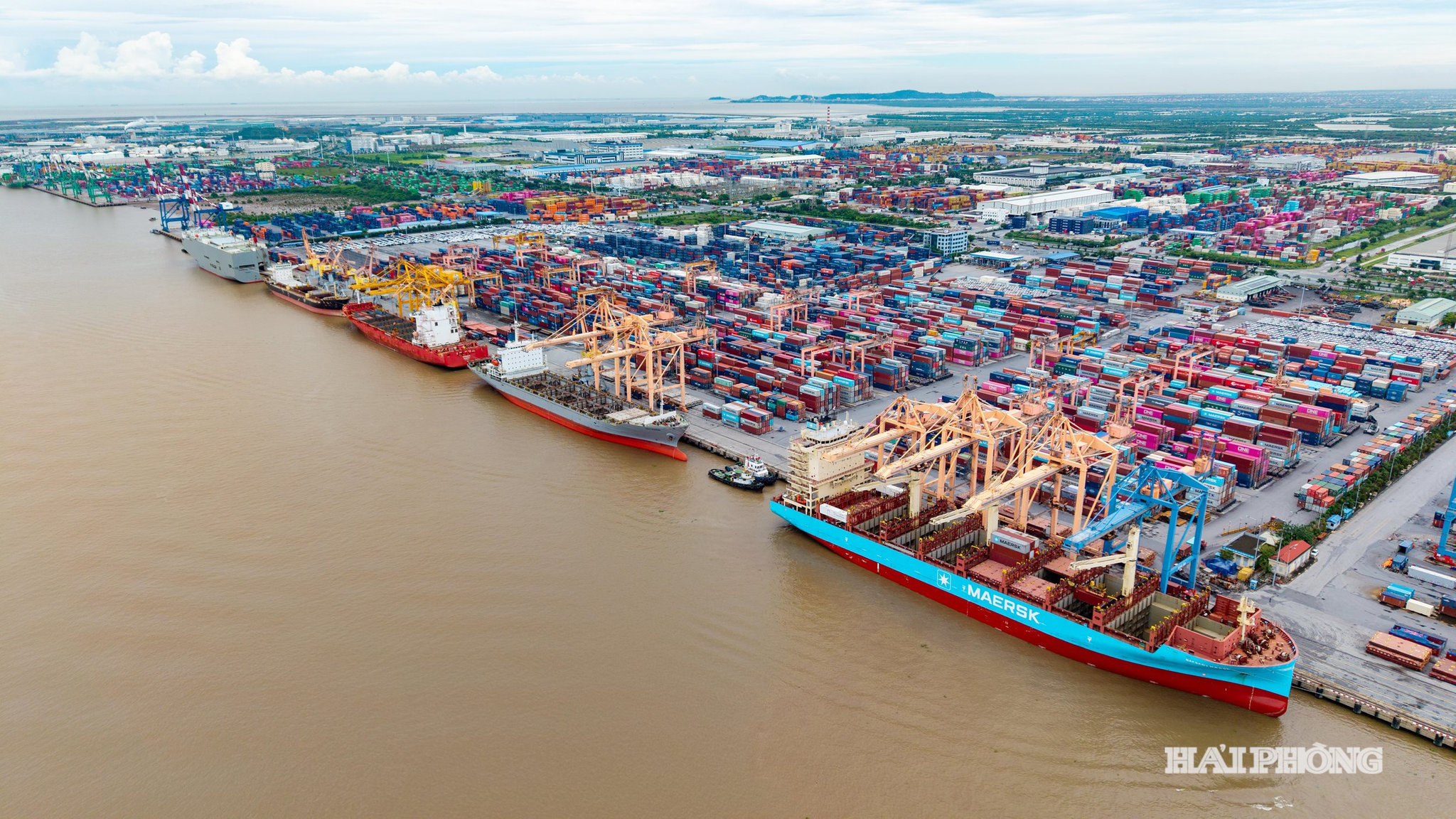
The Free Trade Zone is expected to create additional room for growth in all three areas. Covering 6,292 hectares and linked to the Dinh Vu–Cat Hai Economic Zone and the Southern Hai Phong Coastal Economic Zone, the area will benefit from special mechanisms covering investment, land, customs, and import and export activities. It is intended to attract sectors such as semiconductors, digital infrastructure and logistics.
Mobilizing new resources to support the economy
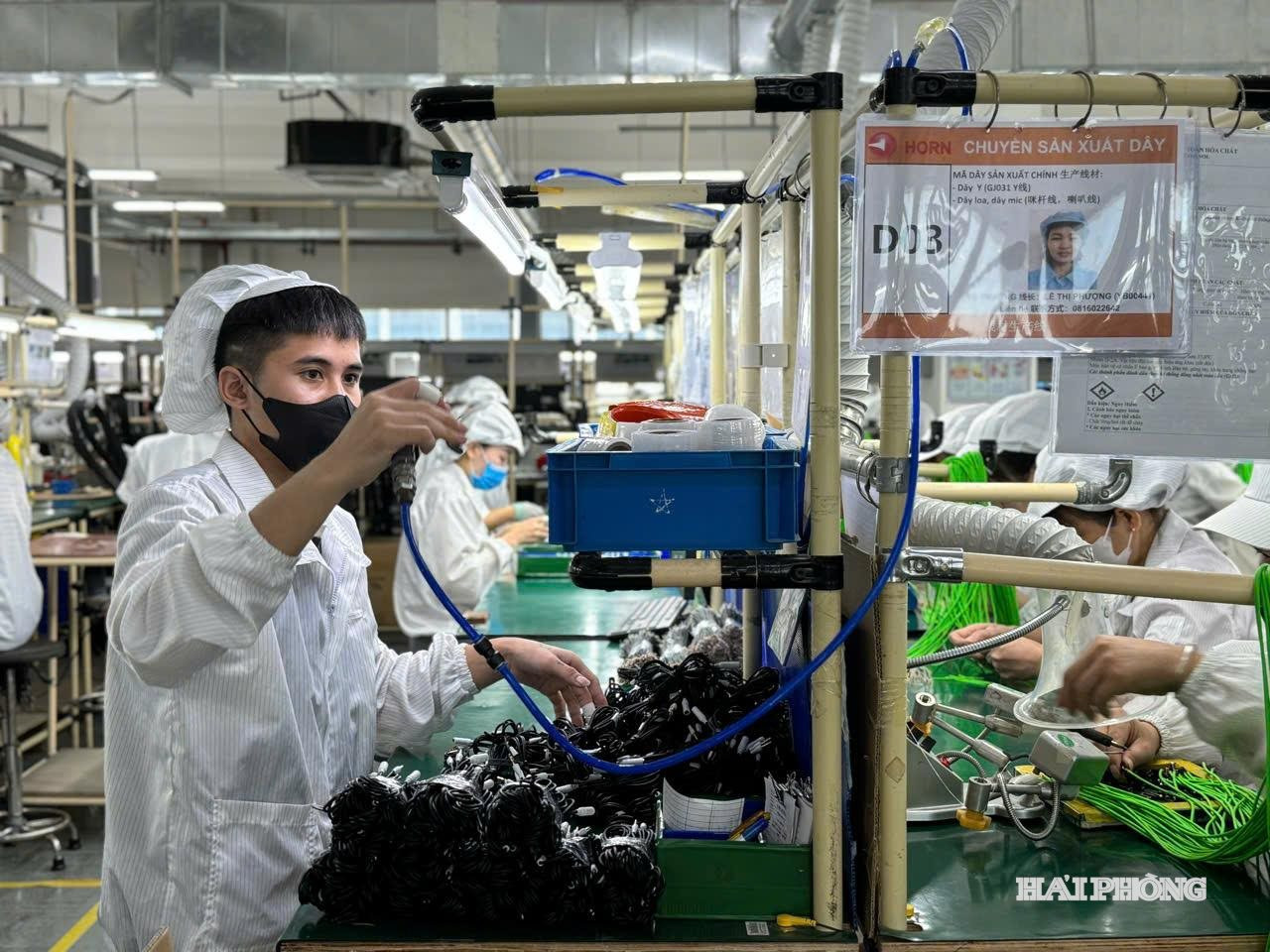
With the goal of achieving GRDP growth of 13% or higher, the key issue is not limited to the number of registered projects or the amount of committed capital. More important are implementation progress and the ability to convert those resources into actual production and business activities.
Resolution No. 11 requires the completion of a list of priority projects for investment attraction in September 2026; the formulation of plans to implement memorandum of understanding with investors in the third quarter; the acceleration of industrial park and industrial cluster development; and the issuance of procedures to guide and support investors in the fourth quarter.
The Free Trade Zone’s mechanisms will create real advantages only when they are operated smoothly, enabling businesses to reduce the time and costs involved and put their projects into operation at an early date.
Speaking at the conference to launch the Hai Phong Free Trade Zone, Deputy Prime Minister Le Tien Chau noted that the large scale and number of economic zones would not automatically generate efficiency or growth momentum. The Free Trade Zone must become an institutional lever that connects economic zones into an ecosystem encompassing the entire chain—from manufacturing to international trade, and from capital attraction to technology transfer and improvements in the capacity of Vietnamese enterprises.
The target of average annual GRDP growth of 13–14% during the 2026–2030 period requires Hai Phong to generate additional sources of growth that are sufficiently large and sustainable. The Free Trade Zone will make a real contribution to the city’s growth target only when investment capital is quickly transformed into projects, products and added value.
Hai Phong News