
Hai Phong proactively shapes development to adapt to climate change
Amid increasingly complex climate change, Hai Phong is moving beyond response measures to proactively adapt through forecasting, risk management and development model transformation.
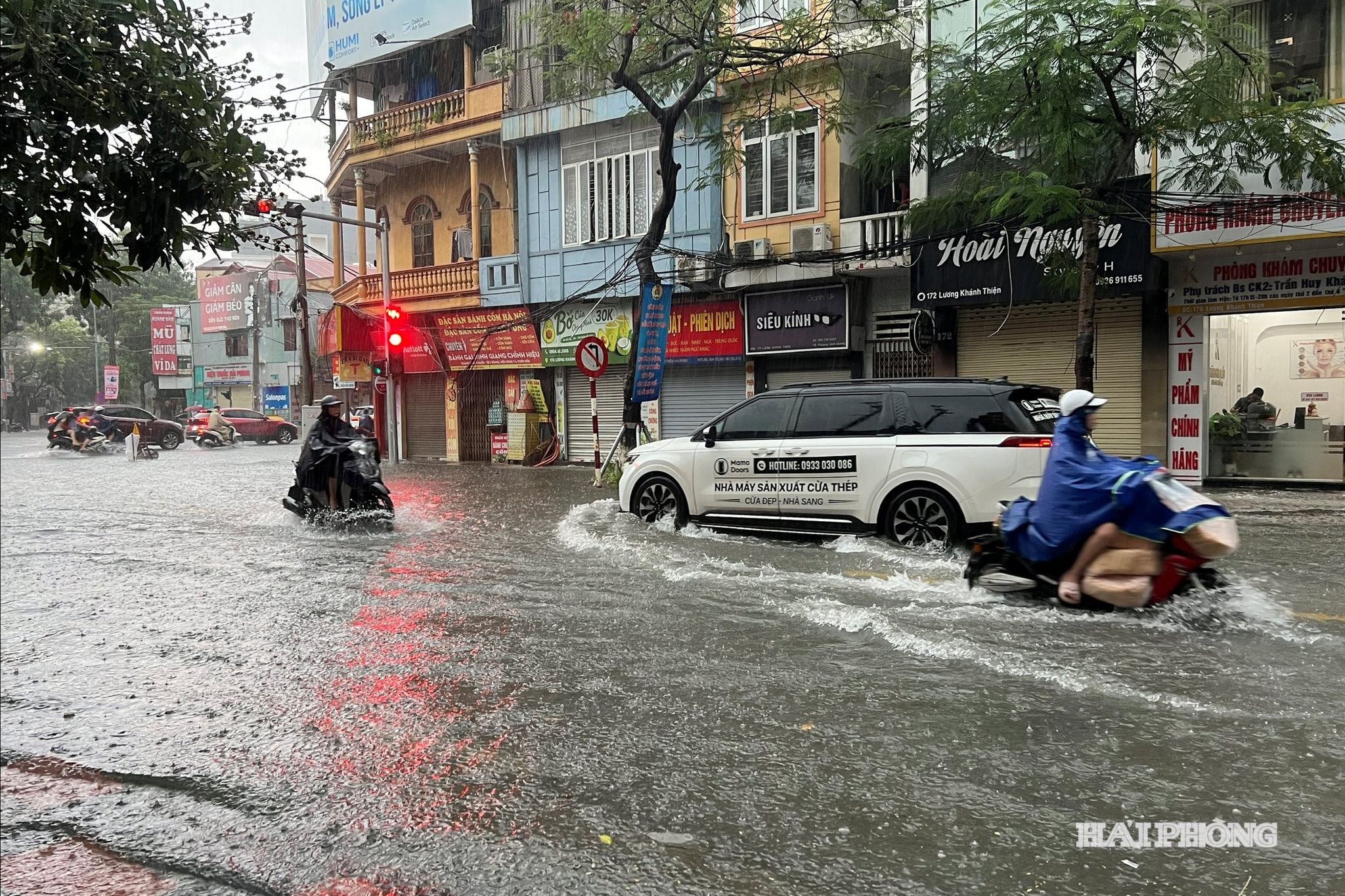
Development goes hand in hand with environmental protection
More than 13 years after the implementation of the Party Central Committee’s Resolution No. 24-NQ/TW dated June 3, 2013 on responding to climate change, strengthening resource management and protecting the environment, Hai Phong has incorporated environmental and climate change considerations into its development decisions.
In 2013, the city developed the “Hai Phong marine spatial planning scheme to 2020, with a vision to 2030.” The scheme provided a framework for environmental management and the rational use of marine resources and space.
As part of an integrated coastal zone management program, Hai Phong coordinated with Quang Ninh Province and the Vietnam Department of Seas and Islands to develop the project “Support for integrated management of the Hai Phong estuary and Ha Long and Bai Tu Long Bays.”
The project’s outcomes have provided a foundation for the city to effectively coordinate across sectors and fields in pursuing sustainable marine economic development.
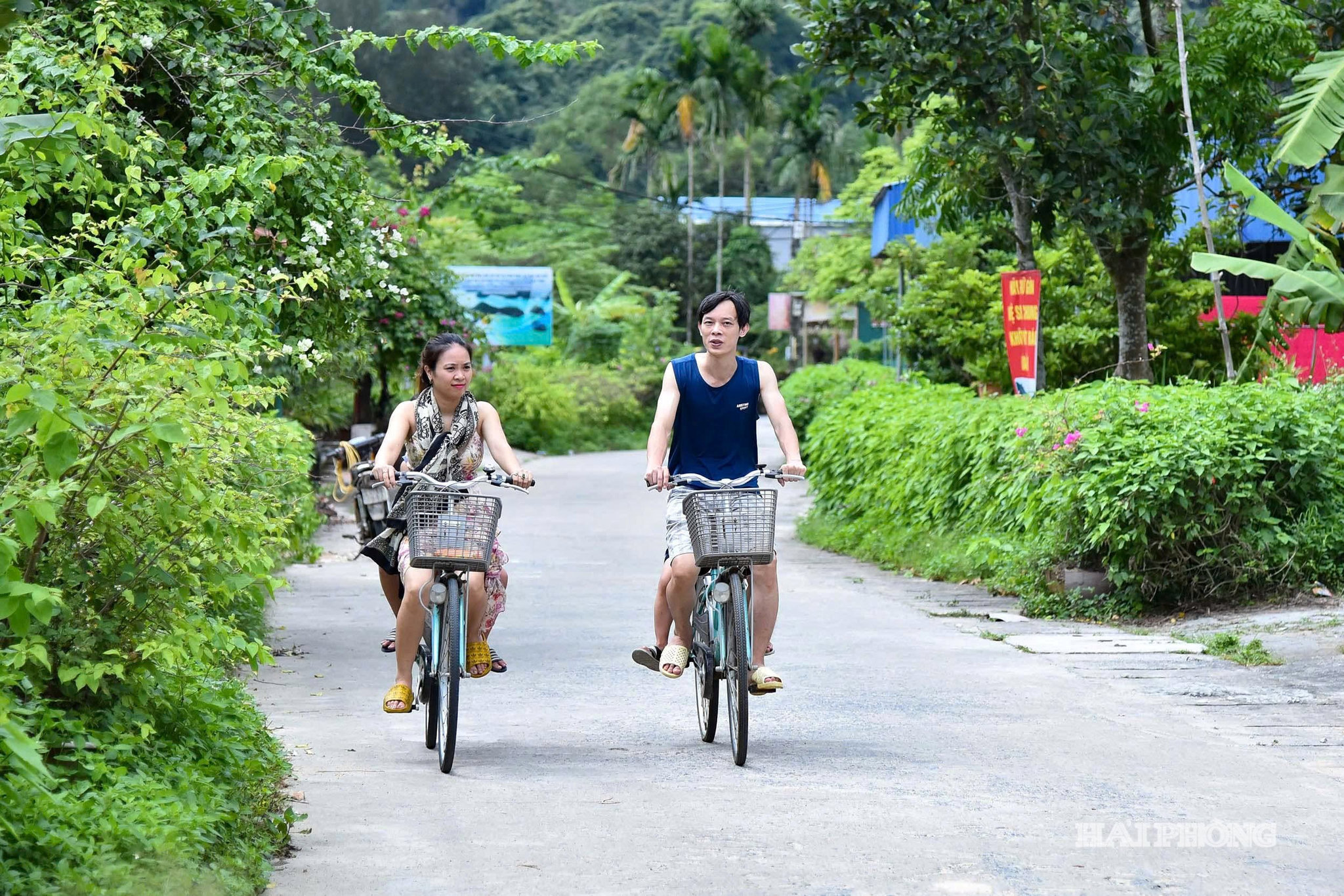
In particular, Hai Phong is shifting strongly toward a data- and science-based planning approach. In June 2020, the city developed a scheme to assess climate change impacts, vulnerability, risks and losses as a basis for planning decisions.
Climate objectives must be consistently integrated into land-use planning, urban planning and sectoral planning. These are important foundations for Hai Phong to fundamentally shift its planning approach in the coming period, from merely “responding” to proactively “adapting” to climate change through forecasting, risk management and development model transformation.
Building a sustainable ecological shield
According to Pham Van Thuan, Deputy Director of the Department of Agriculture and Environment, Hai Phong is focusing on implementing projects under programs on climate change response and green growth. These projects help the city achieve the overarching goal of adapting to climate change, gradually reducing its impacts on socio-economic development and people’s lives, and contributing to the city’s overall sustainable development.
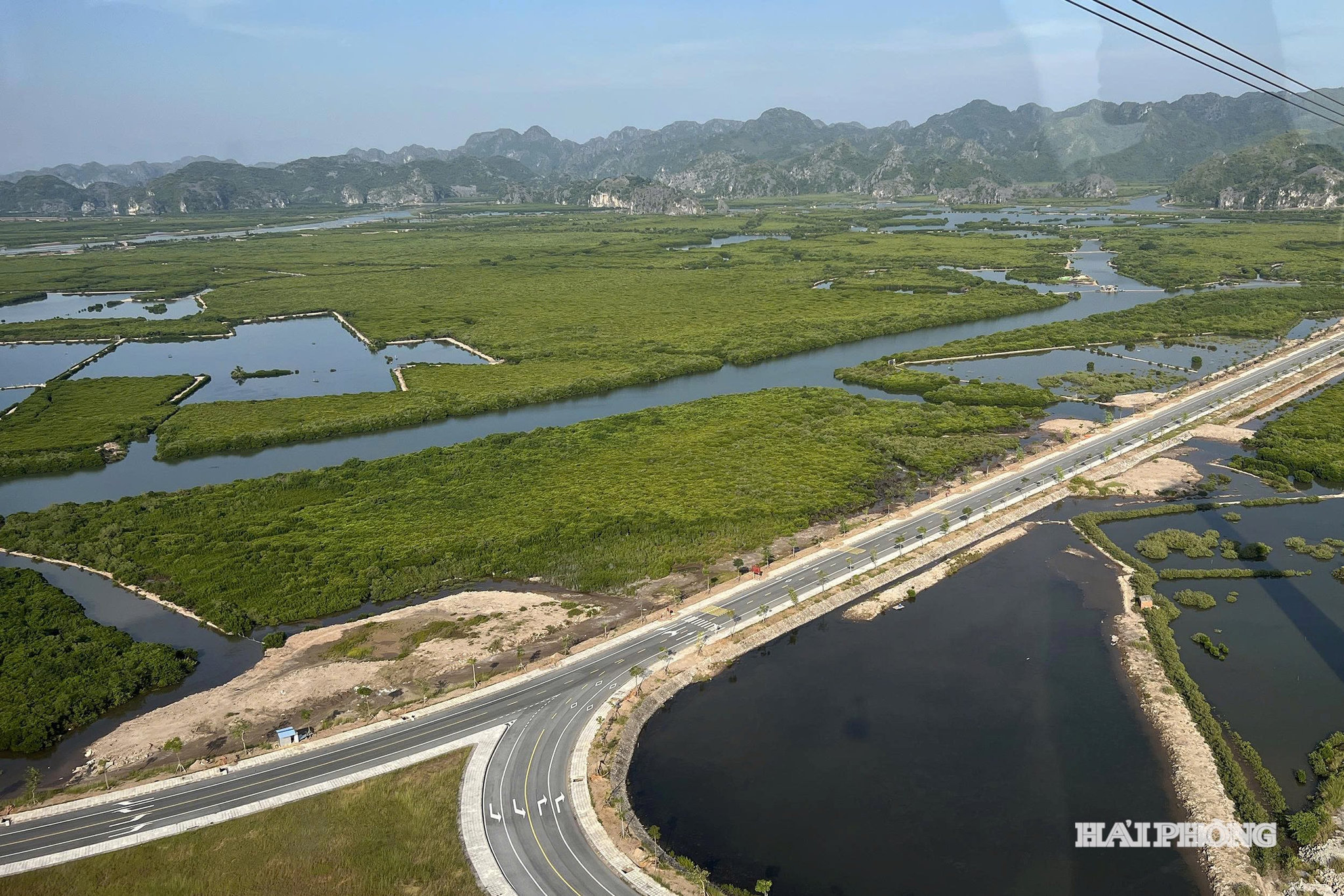
The city has also pursued specific goals, including improving its capacity for storm and flood prevention and control, search and rescue, and ensuring national defense and security in coastal areas; protecting river and sea dykes and conserving biodiversity; establishing forest belts to shield against waves and storm winds, while stabilizing and expanding areas of mangrove mudflats; and supplying water to Bach Long Vi Special Zone to ensure freshwater for residents’ essential daily needs and contribute to improving soil conditions, greening bare hills and mountains, and expanding forest coverage within the planned protection forest area of Bach Long Vi.
These results provide an important foundation for Hai Phong’s development in line with Conclusion No. 75 of the Party Central Committee, whose overarching principle is that economic development must go hand in hand with environmental protection, rational exploitation and efficient use of resources, proactive adaptation to climate change, and a people-centered approach in which the quality of the living environment serves as a measure of development.
BAO CHAU - TRUNG KIEN