

Hai Phong connects data for public health
Hai Phong is stepping up the implementation of the ‘100-day campaign to create and update health records on the VNeID app through the integration of medical examination and treatment data.’
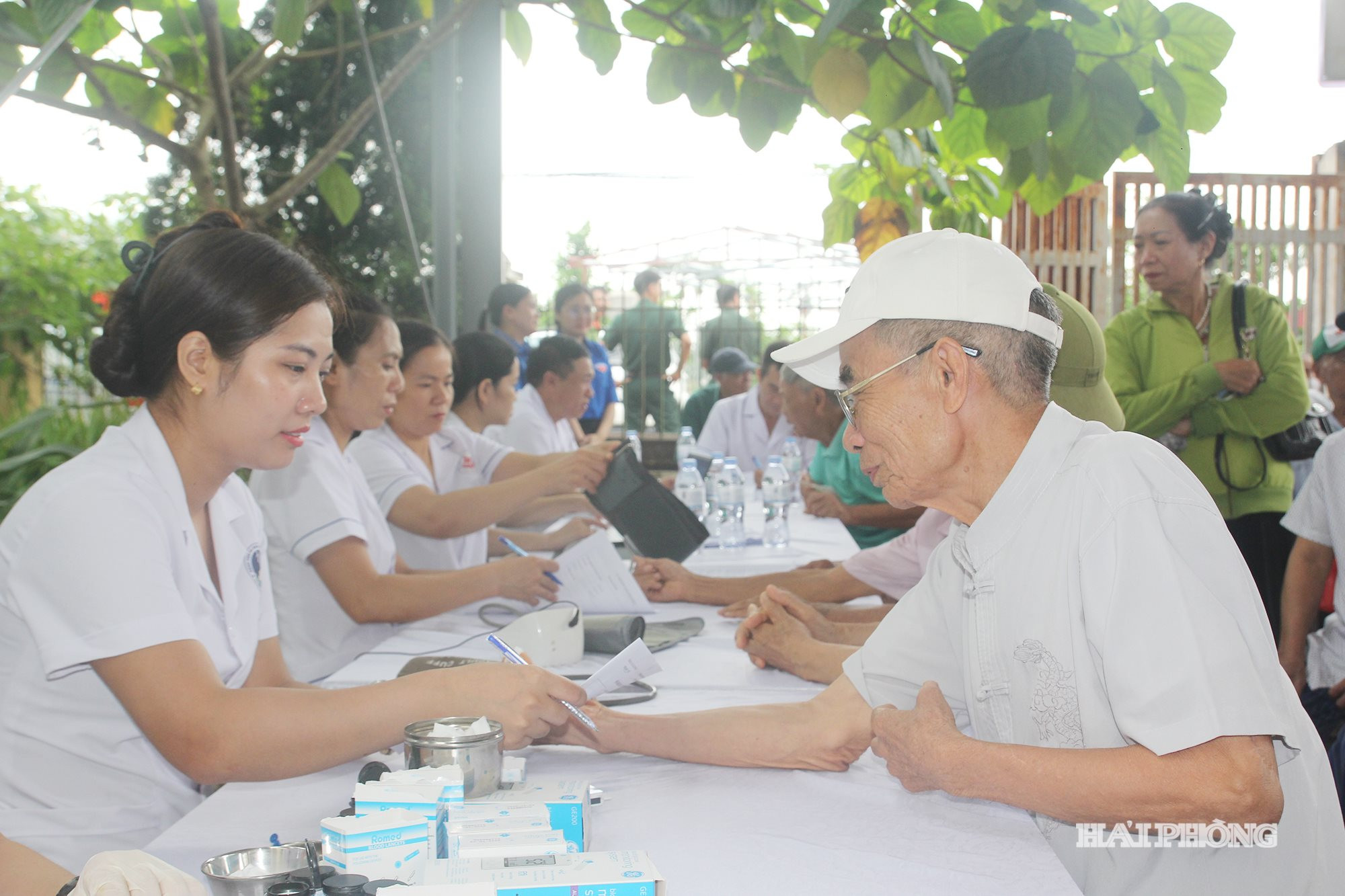
Grassroots movements
Shortly after Hai Phong issued its plan, the city’s departments, agencies, localities and units urgently worked out specific tasks. Coordinated efforts at the grassroots level are laying the foundation for the completion of a digital healthcare ecosystem, toward a unified national database of personal health information and ensuring that every resident has an electronic health record on VNeID.
As of July 20, Hai Phong ranked third nationwide in the rate of electronic health record integration, with 2,144,453 people having installed electronic health records on VNeID, equivalent to 48.48%.
In localities, the ‘100-day campaign’ has been identified as a key task to be carried out alongside health checkups and screening for residents.
An Truong Commune is focusing on raising awareness among officials, Party members and residents so they can coordinate with healthcare facilities in updating data; proactively install and use the VNeID app; and check their personal information and electronic health records. When seeking medical care, residents are required to bring their chip-based citizen ID cards or use VNeID so healthcare facilities can update their data.
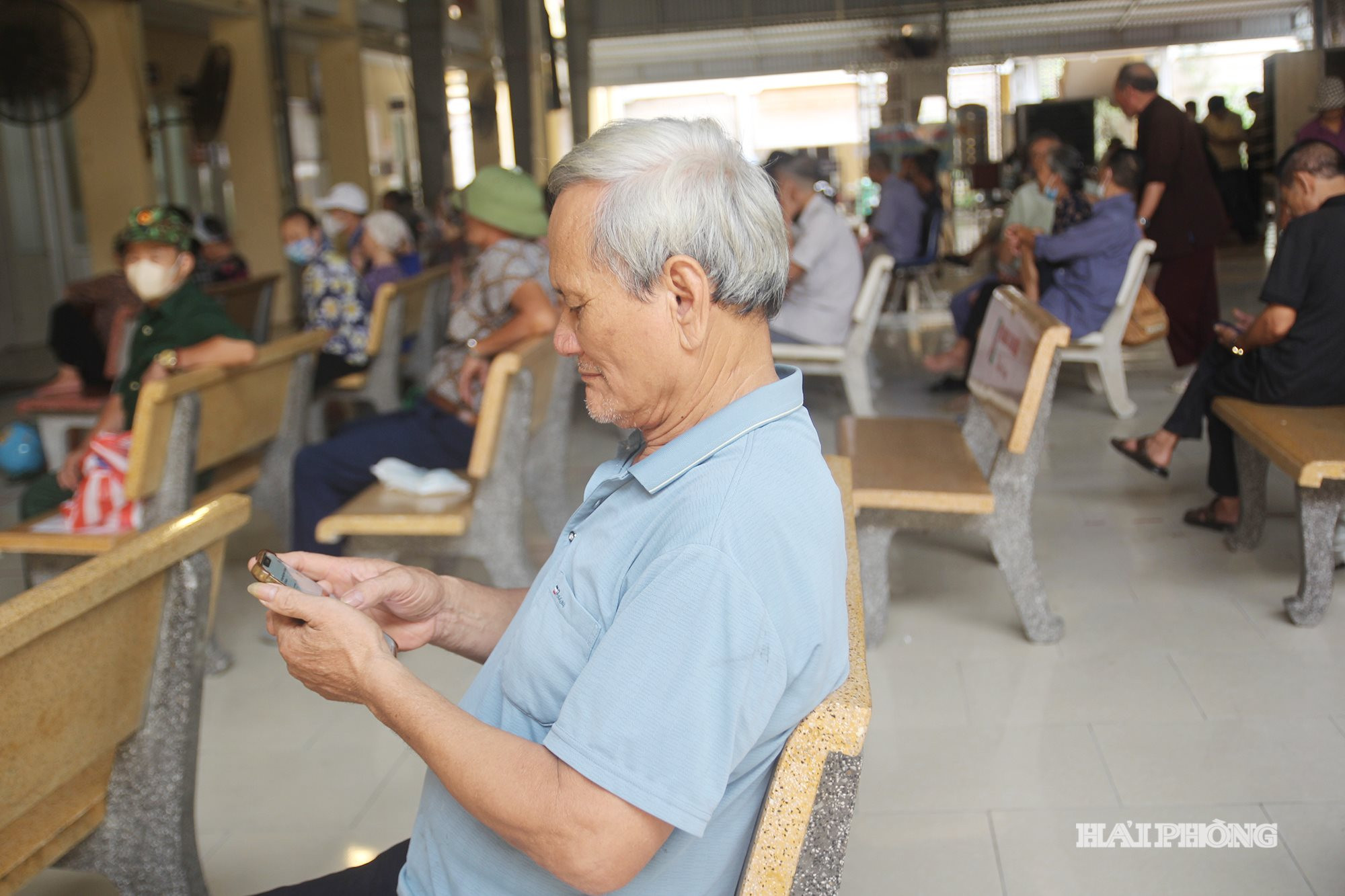
For elderly people and those who are not proficient in technology, family members, community digital technology teams, Youth Union members and local forces will actively provide assistance with app installation and use.
Bottleneck identification
Mai Van Thanh, 73, from Nam Thanh Mien Commune, was among the early users of electronic health records. He said that the record store his entire history of medical examinations, treatment and results, enabling doctors to quickly access his medical history, make more accurate diagnoses, reduce the time needed to collect information and avoid duplicate prescriptions and tests.
However, not all elderly people have smartphones or know how to use the app. This is one of the obstacles for the health sector and local authorities to achieve the campaign's goals.
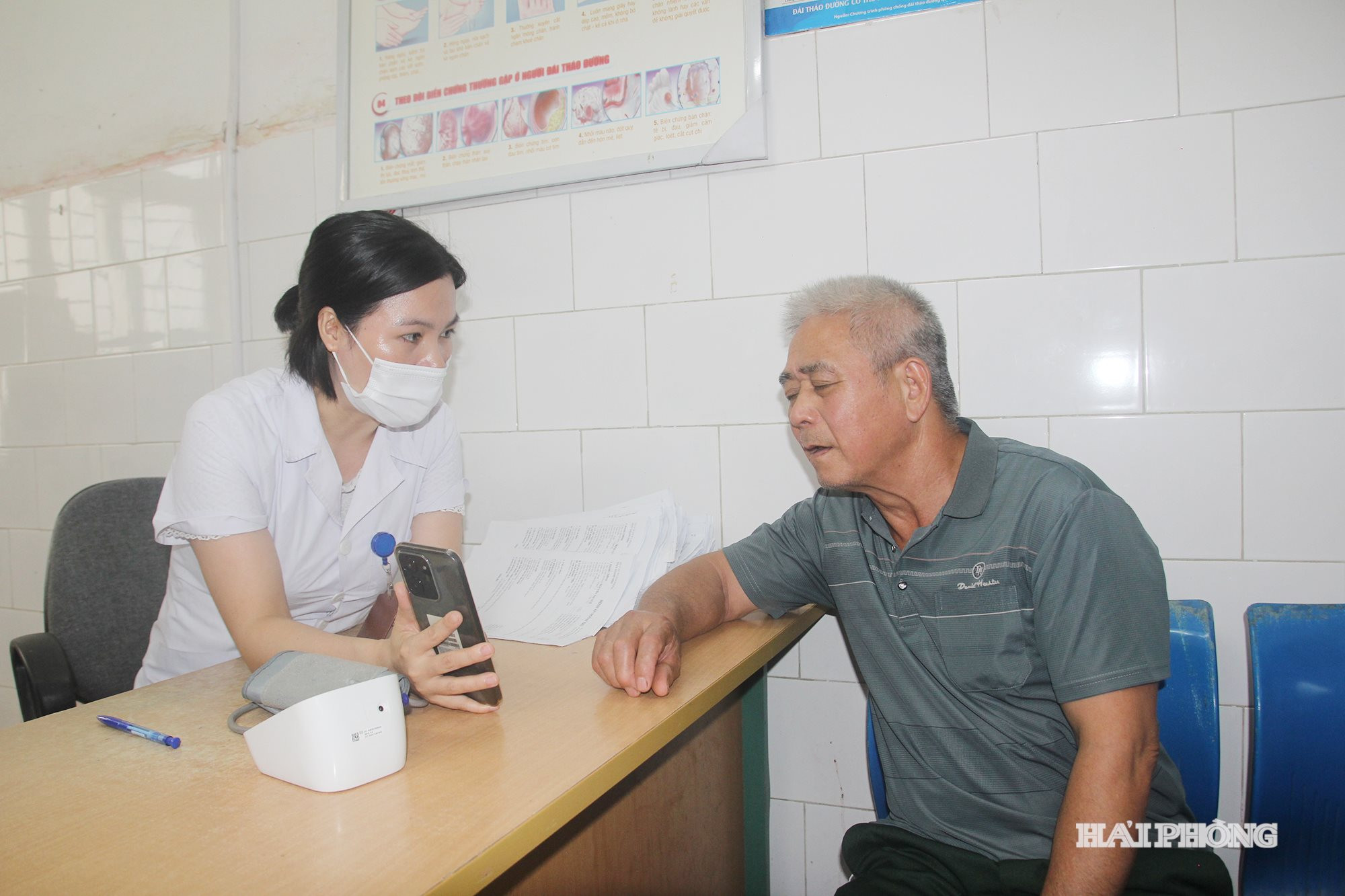
As the agency responsible for coordinating the campaign, the Department of Health has identified ensuring both the progress and quality of data as key priorities. The department has developed a 10-step process for creating and updating electronic health records and coordinated with the City Police, Department of Science and Technology, People's Committees of communes, wards and special zones, and healthcare facilities to review technological infrastructure, network connections, digital signatures and personnel.
It has also organized data-entry training, established groups to monitor progress on a daily basis, provided timely support to units when difficulties arise, and assigned focal-point officials to receive reports and resolve problems.
According to the plan, the “100-day campaign” will run from July 8 to October 15, 2026. Its goal is to build a health information system through electronic health records integrated with VNeID, with specific tasks assigned to each unit. The plan sets out 28 indicators, including targets for at least 98% of records to be successfully integrated into the Ministry of Health's Health Data Portal and for electronic health records to be displayed on VNeID; the rate of errors and duplicate data to remain below 1%; and technical incidents affecting data integration to be resolved within the first 24 hours. These requirements are intended to ensure that the data is “accurate, complete, clean and up to date.”
HOANG XUAN