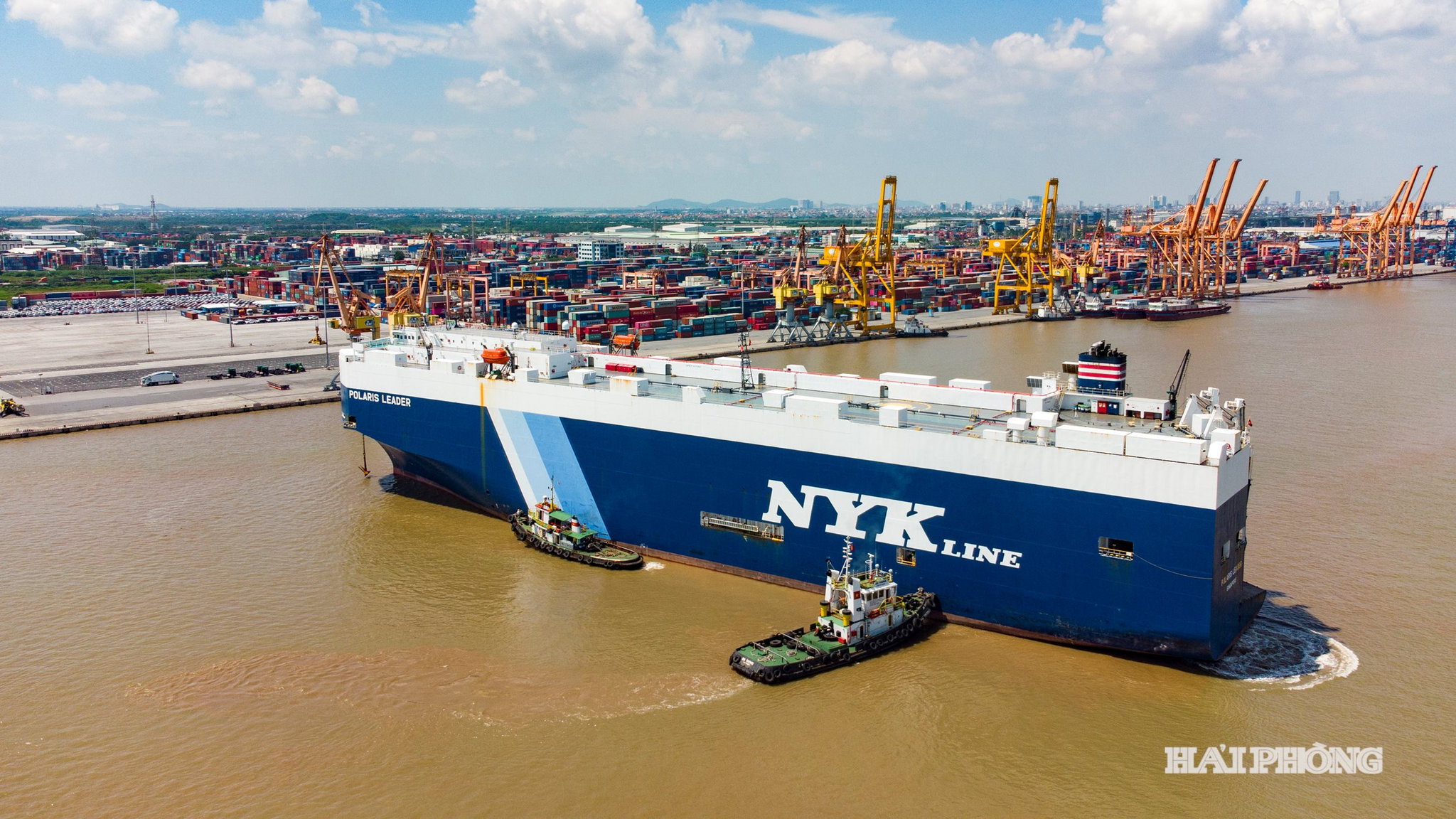
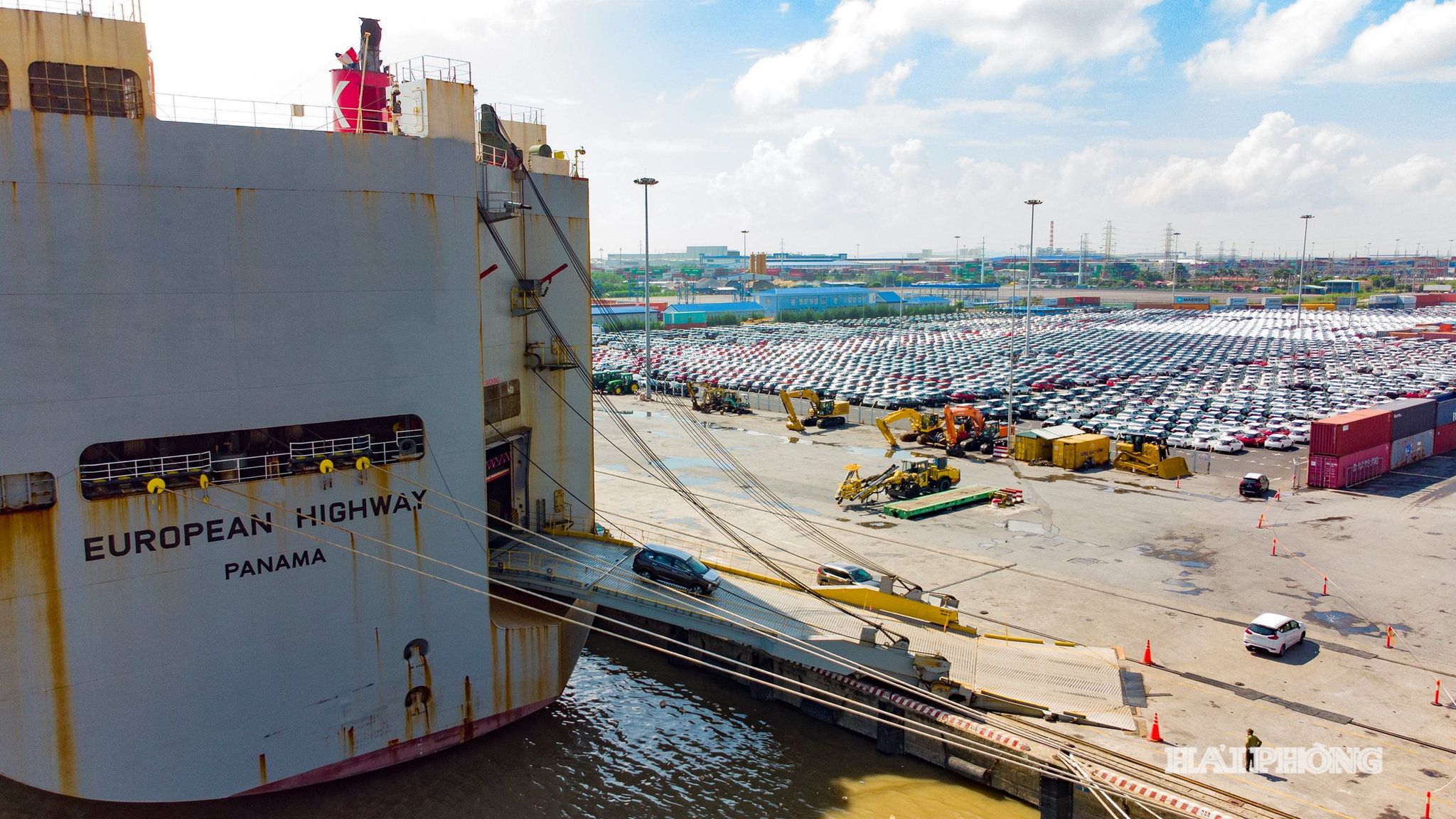
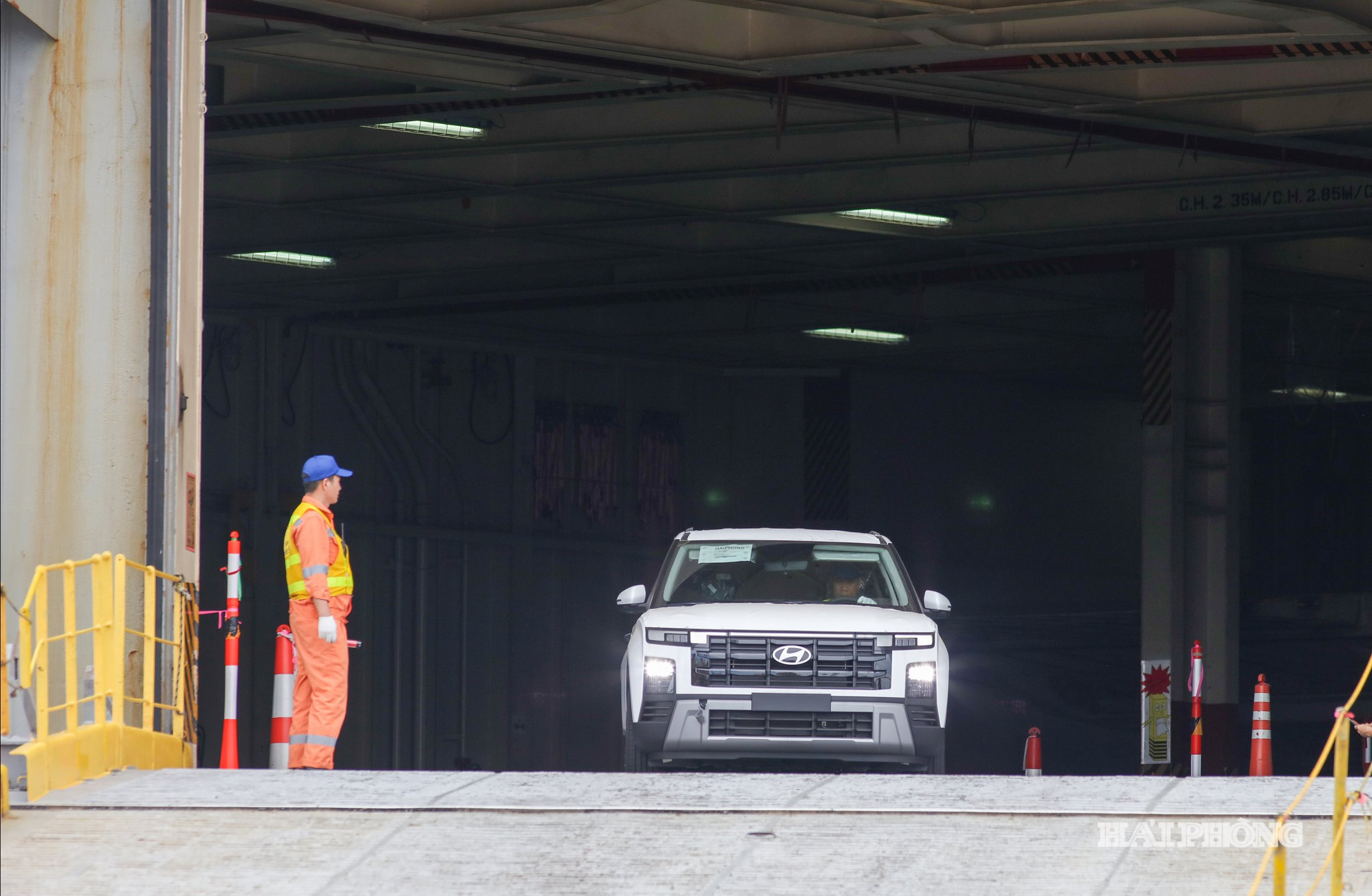
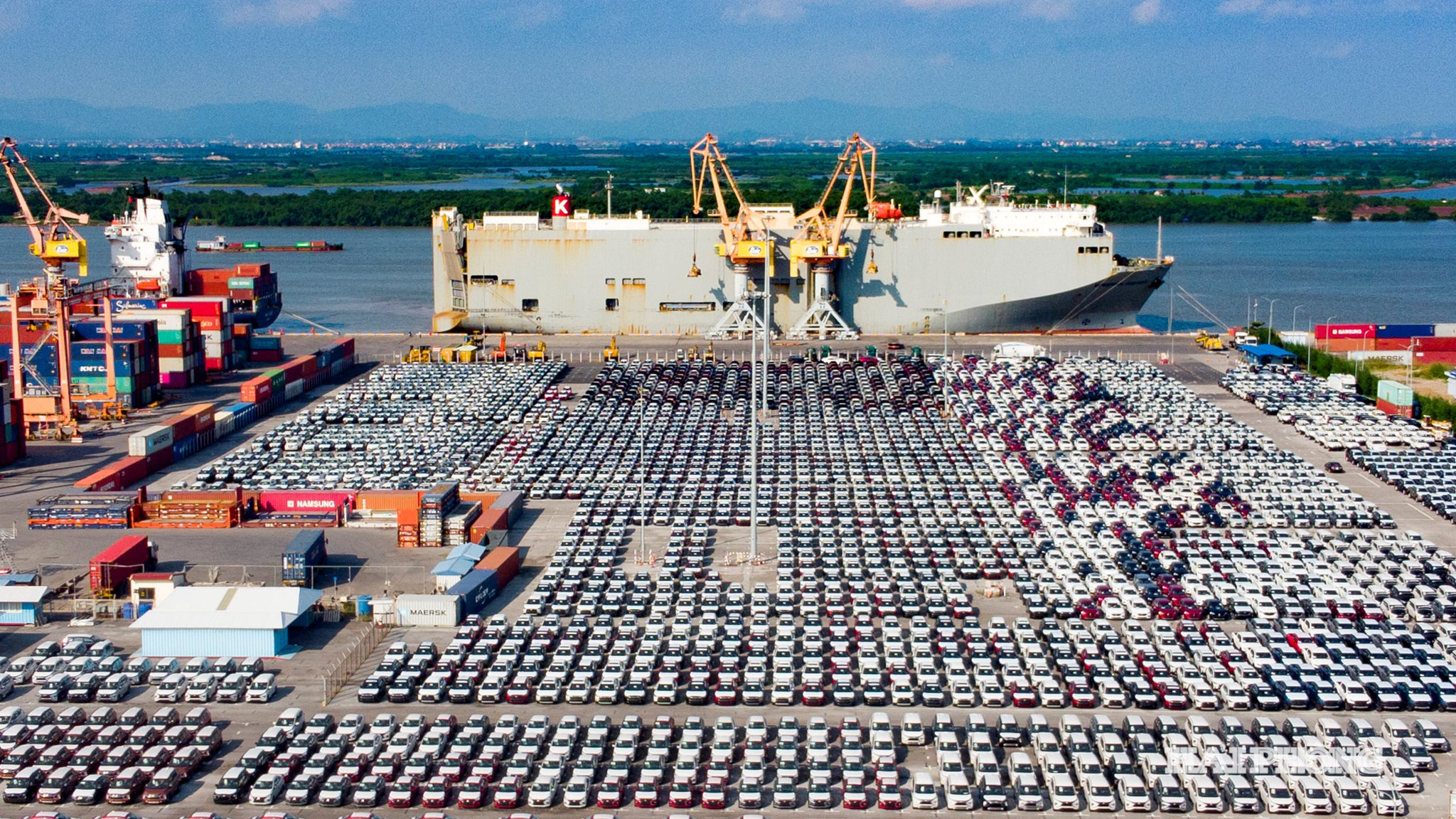
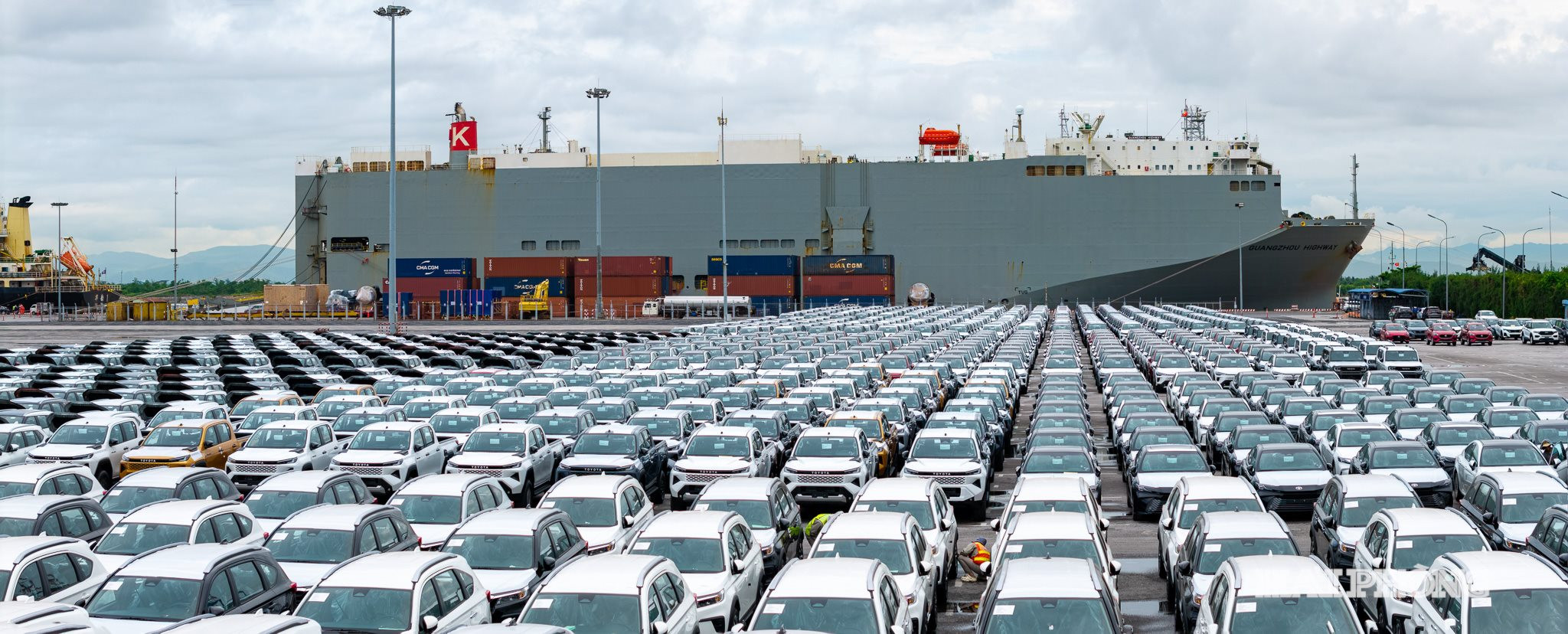
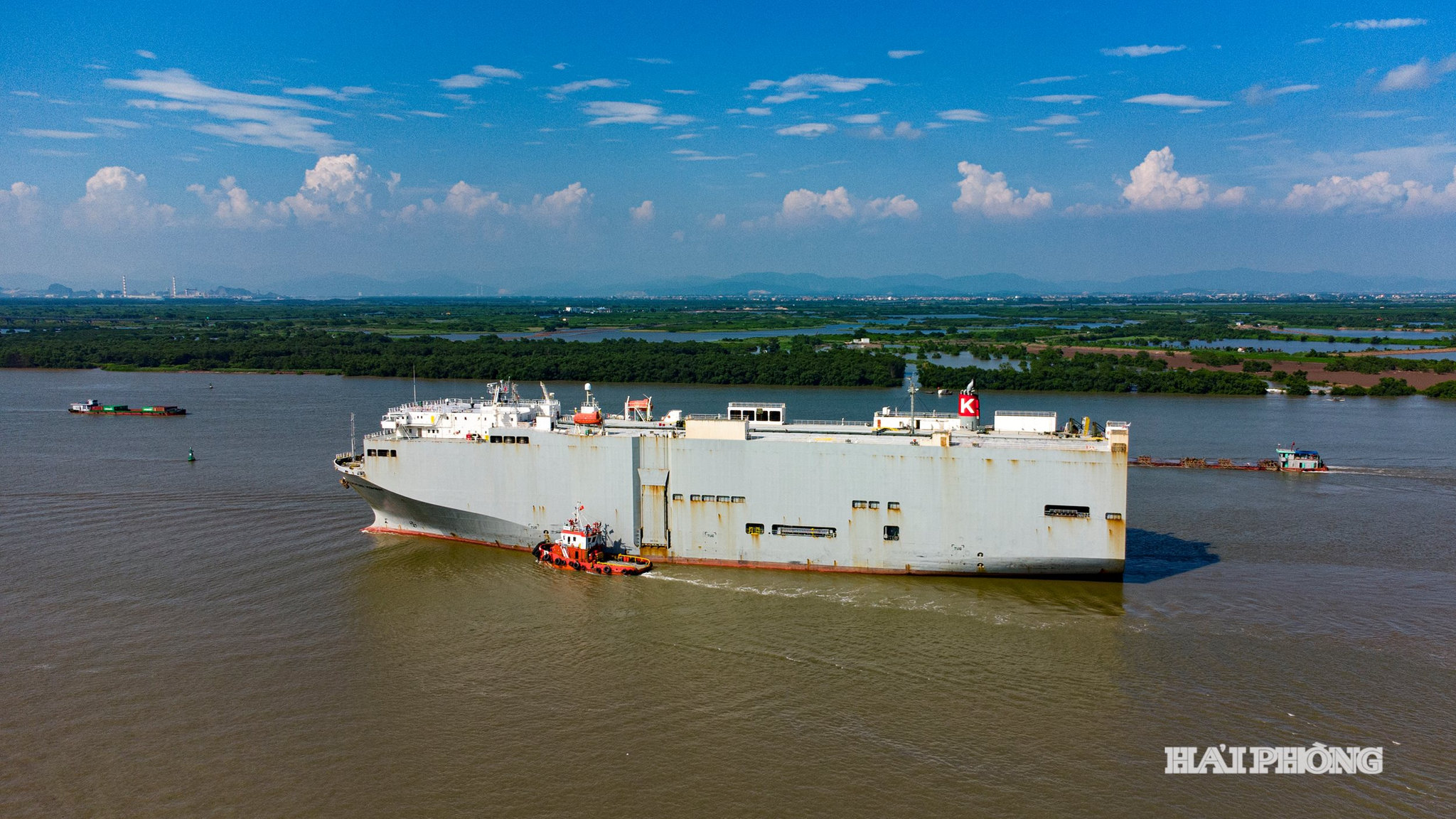
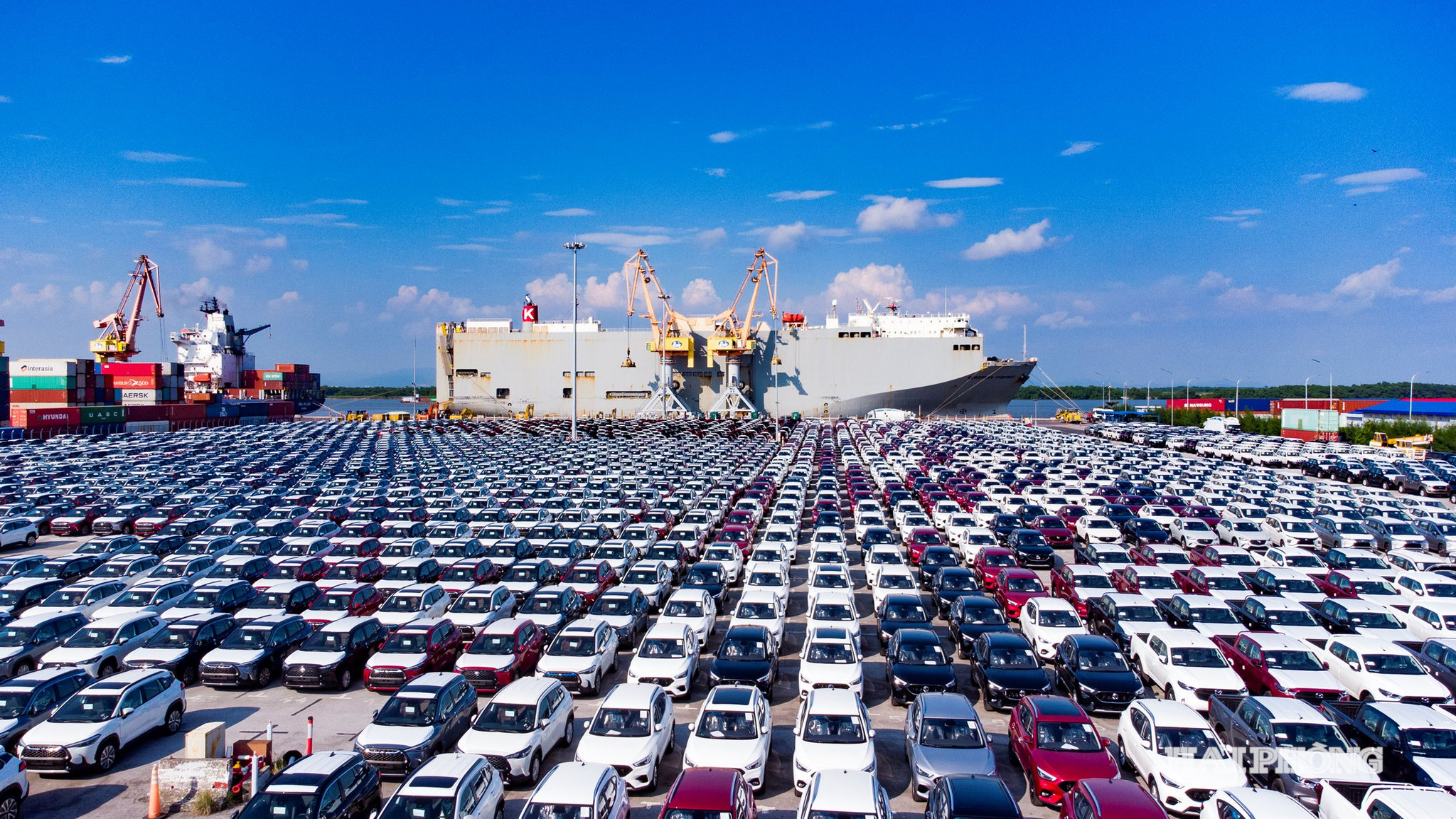
RORO vessels calling at Tan Vu Port carry thousands of cars and specialized vehicles, creating a bustling flow of operations along the wharf.
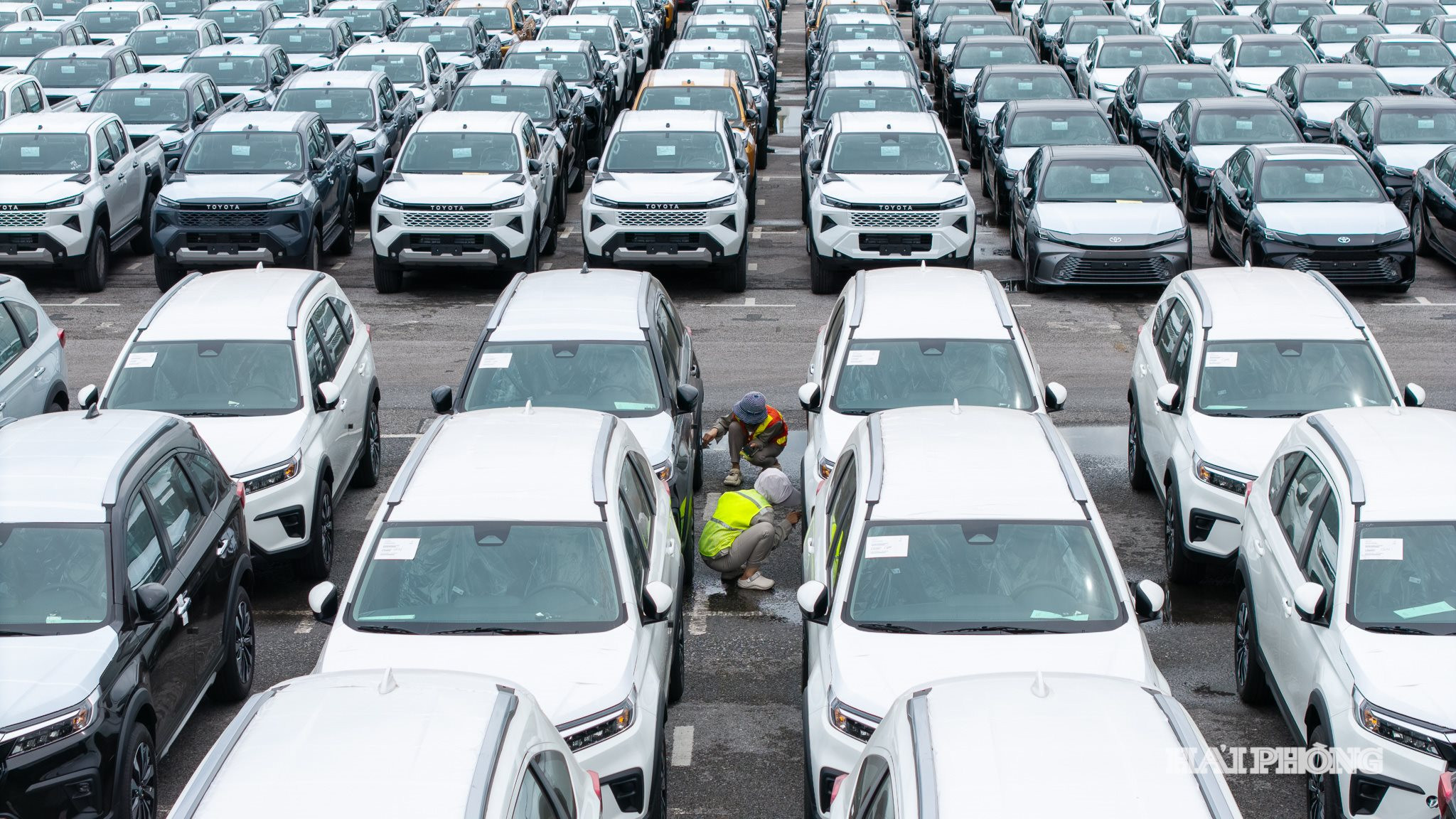
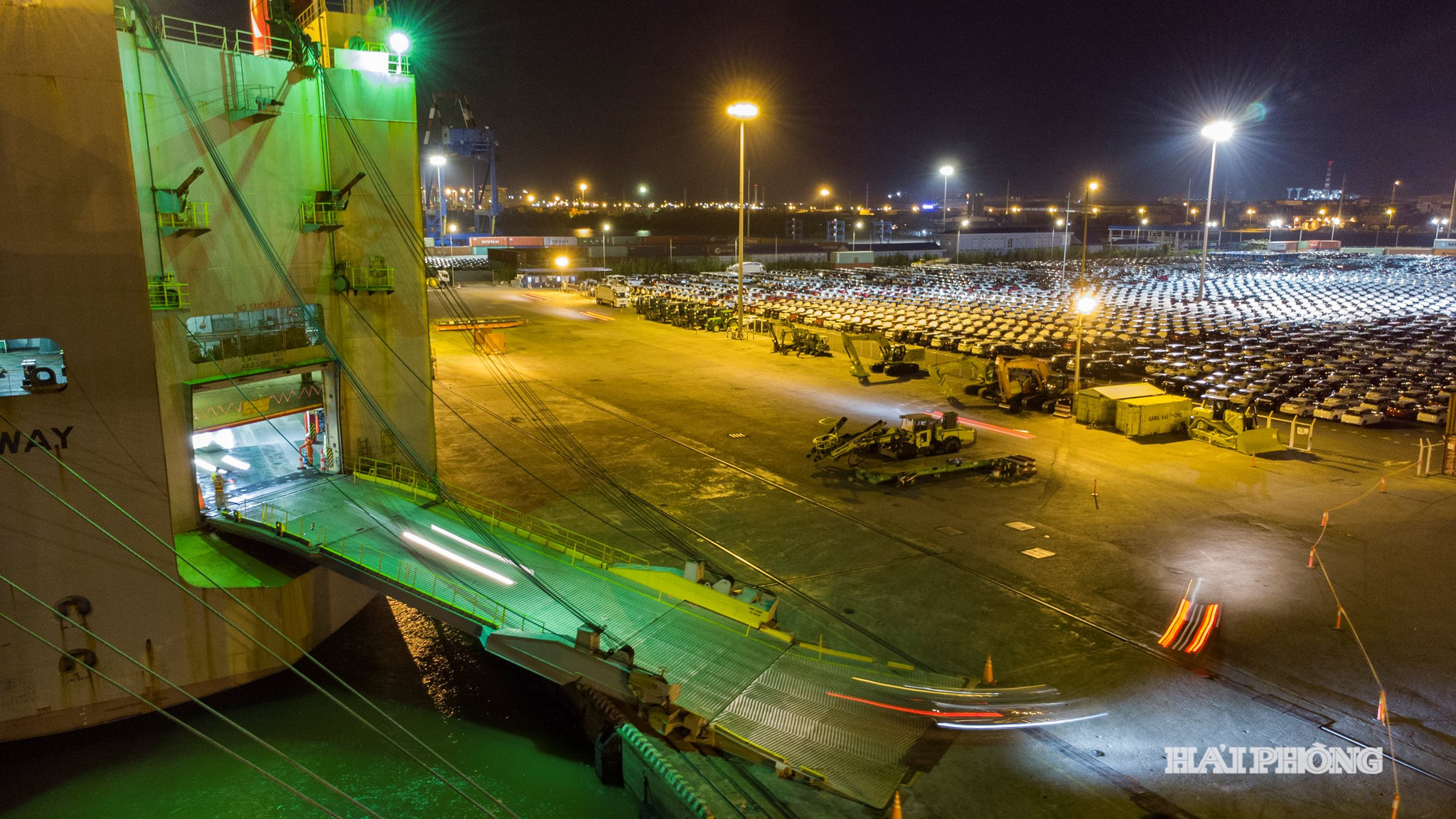
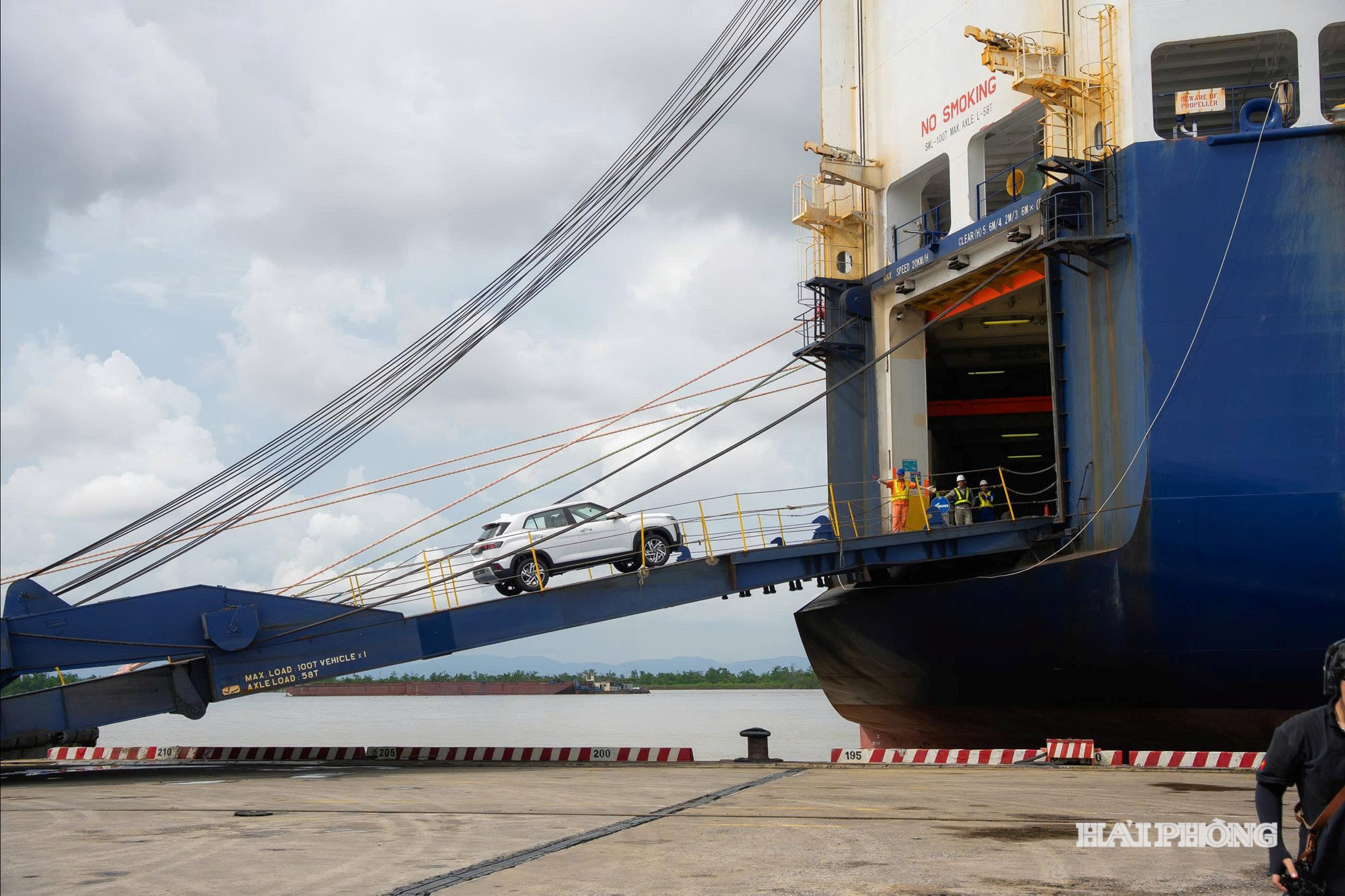
Tan Vu Port began receiving RORO vessels in 2016, introducing the first specialized vehicle-handling service of its kind in Hai Phong. A single vessel can carry more than 1,500 – 2,000 cars, depending on its size. In the photo: A RORO vessel berths at Tan Vu Port to load and unload cars and specialized vehicles.From vessel reception to vehicle loading, unloading, counting and arranging in the storage yard, the entire process is carried out under strict procedures at Tan Vu Port to ensure safety, accuracy and efficiency. Growing throughput, along with positive assessments from international shipping lines, continues to demonstrate Hai Phong Port's RORO handling capabilities. In the photo: The stern ramp is lowered to connect the vehicle deck with the wharf.The first cars leave the vessel after completion of inspection and handover procedures.After leaving the vessel, the cars are counted, sorted and moved to designated areas according to vehicle type.Cars leave the vessel in steady streams under coordinated operations, creating a rare sight of continuous movement along the wharf. Drivers must maintain the prescribed speed, distance and direction to avoid collisions during operations.Seen from above, the port yard resembles a “maze” of vehicles, with thousands of cars waiting for procedures to be completed before continuing their journey.From here, the vehicles are distributed to dealers across the country or held for export to international markets.RORO vessels not only bring imported cars to Viet Nam but also carry vehicles manufactured domestically to international markets. The stable operation of these services helps affirm Hai Phong's role as a major logistics hub and maritime gateway of northern Viet Nam.In May 2026, Tan Vu Port handled two large RORO vessels simultaneously for the first time. In a single operation, the two vessels carried more than 3,000 cars, along with construction vehicles and oversized, overweight equipment, demonstrating the port's increasingly modern handling capabilities.Behind every vessel is the movement of the automotive industry, maritime transport and a logistics system becoming increasingly integrated with global markets.