

Imprints of Mac kings' temple in Kien Hung Commune
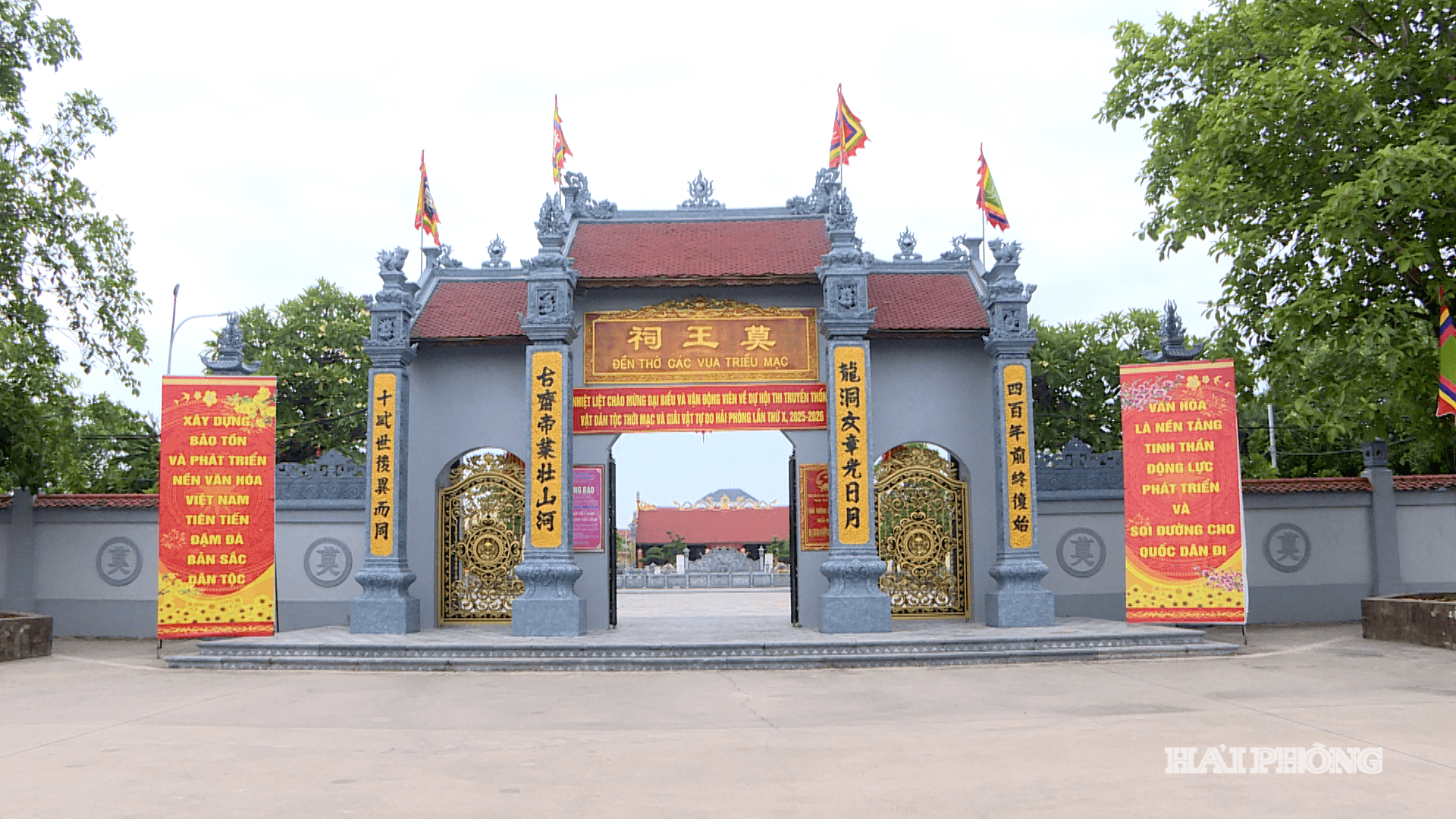
The temple of Mac kings (Mac family ancestral temple) in Kien Hung Commune, Hai Phong, is not only a place that preserves historical memories but also a cultural venue for the community.
Tracing history
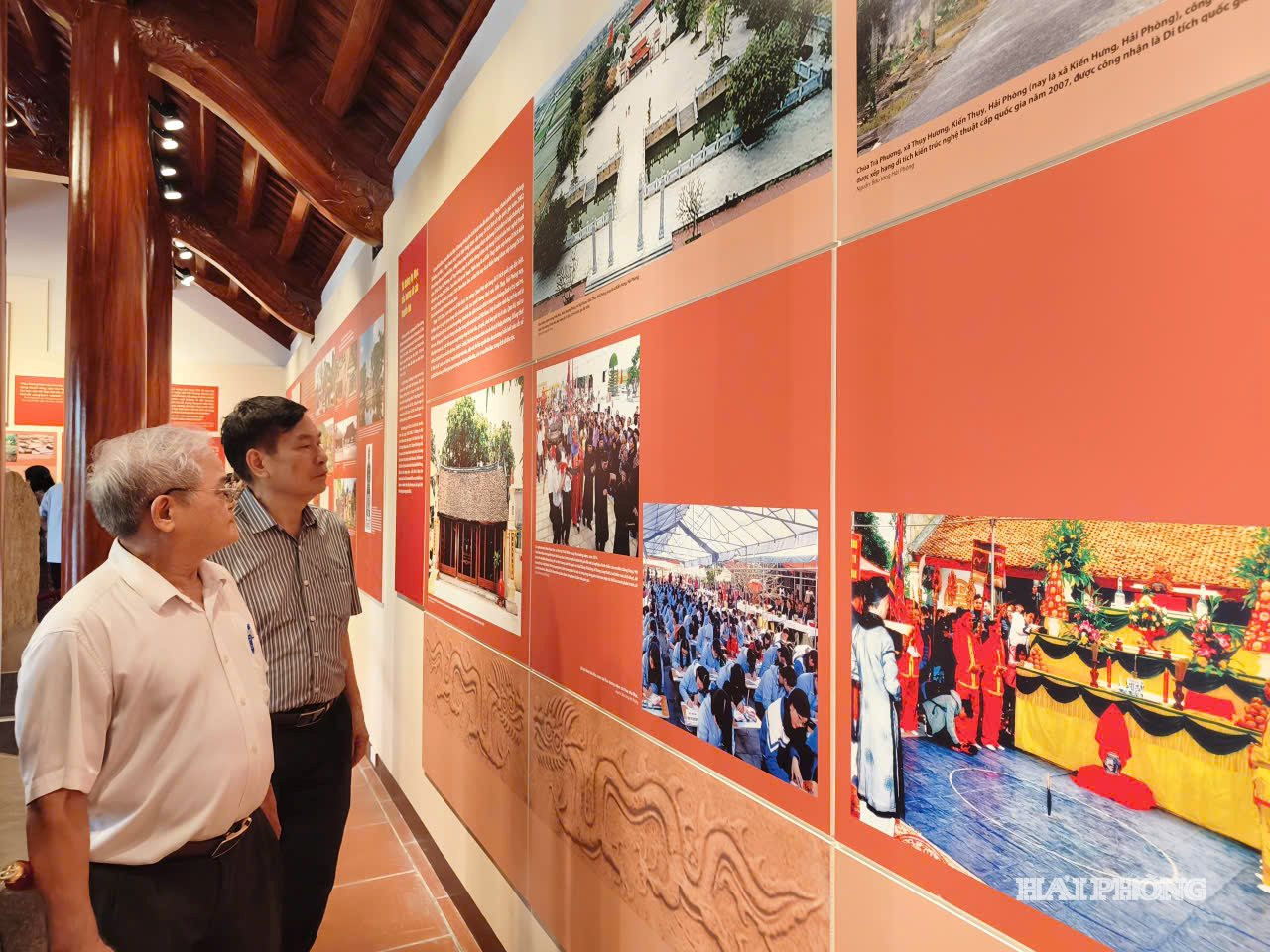
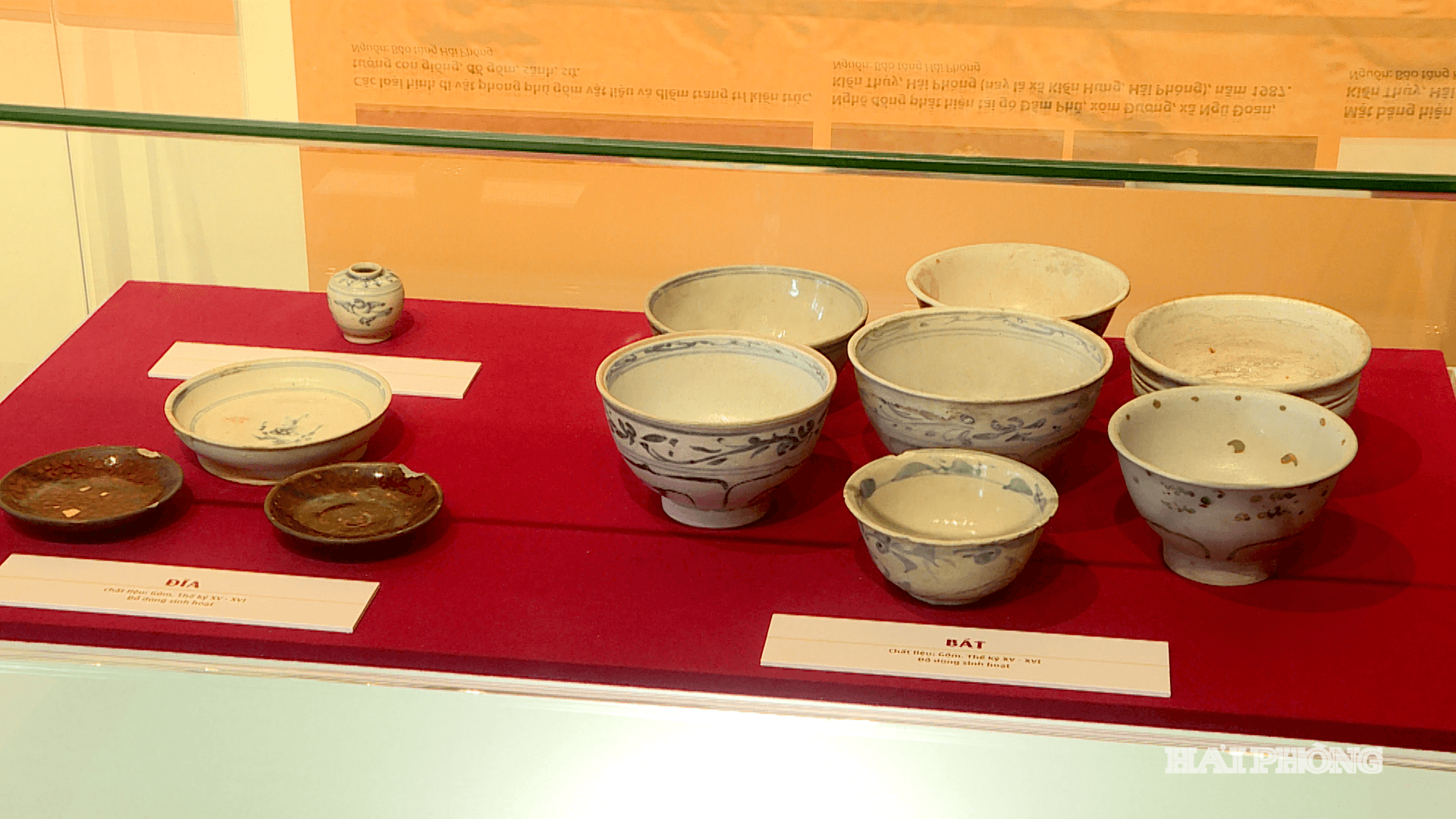
Inside the exhibition hall of the temple of Mac kings, members of the Hai Phong Learning Club slowly move from one display case to another. Some stop to look at a royal decree issued during the Khai Dinh reign, others carefully read the inscriptions on stone steles, while others discuss the craftsmanship of a bronze ritual set or ceramic artifacts dating from the Mac Dynasty.
The visit is more than a sightseeing trip. It offers Hai Phong history and culture enthusiasts an opportunity to explore historical evidence from a land that once held a special place in history.
The story begins in Co Trai, the hometown of Mac Dang Dung, who founded the Mac Dynasty in 1527.
Born into a fishing family, Dung went on to establish a dynasty that ruled from Thang Long for 65 years. Although historians continue to hold different views on the Mac Dynasty, many scholars acknowledge its contributions to education, economy, trade, fine arts and handicrafts, particularly pottery.
Today, that legacy is preserved at the temple of Mac kings, which was designated a special national relic by the Prime Minister in early 2025. At the heart of the complex is the Mac family ancestral temple, a three-bay ironwood structure built in the Nguyen architectural style, with finely preserved carvings on its beams, horizontal lacquered boards and parallel sentences.
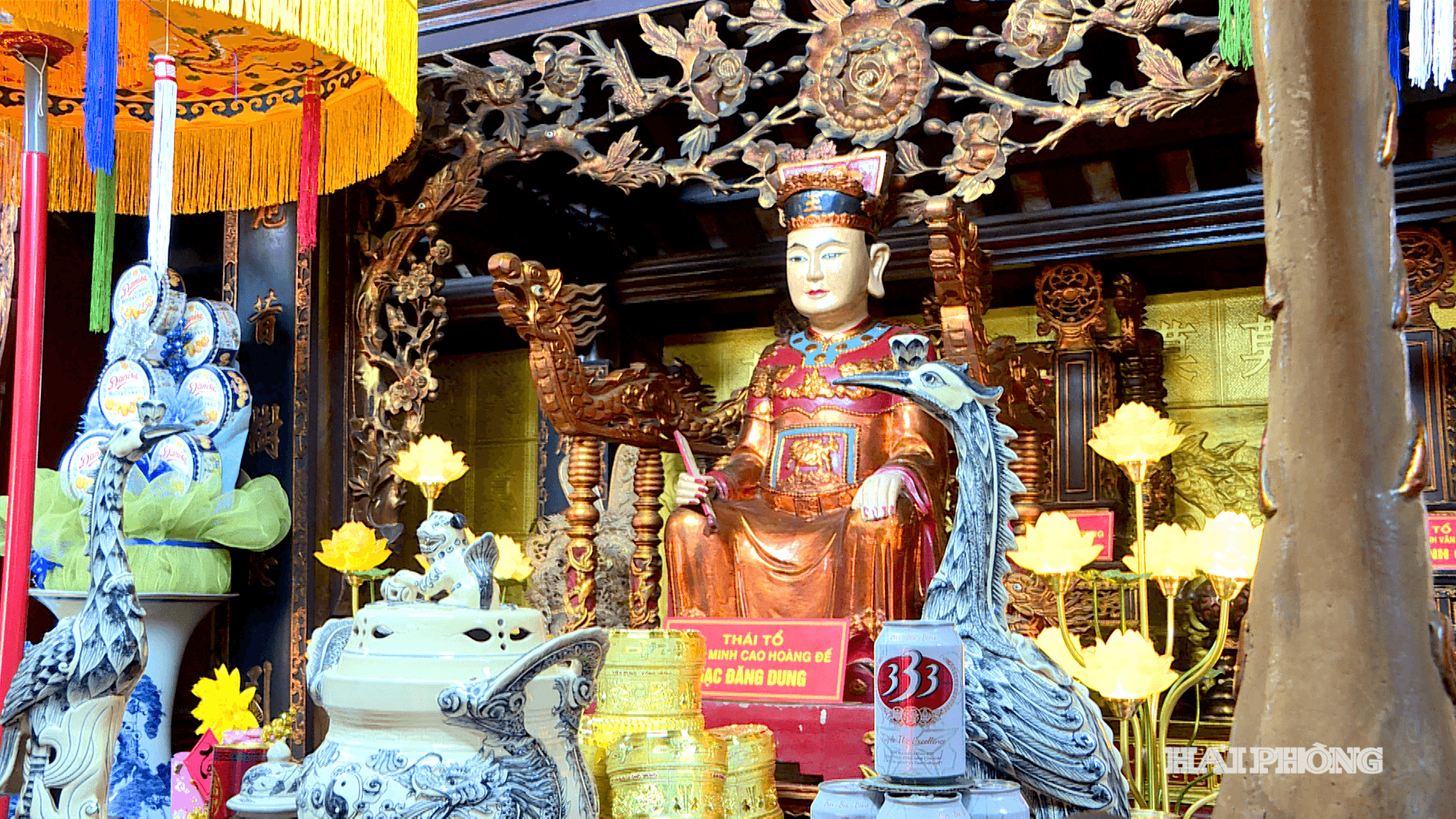
A distinctive feature of the temple is its comprehensive worship system, with statues of the 12 Mac kings together with queens, royal consorts, princes and princesses of the dynasty. The site also preserves numerous valuable artifacts passed down through generations.
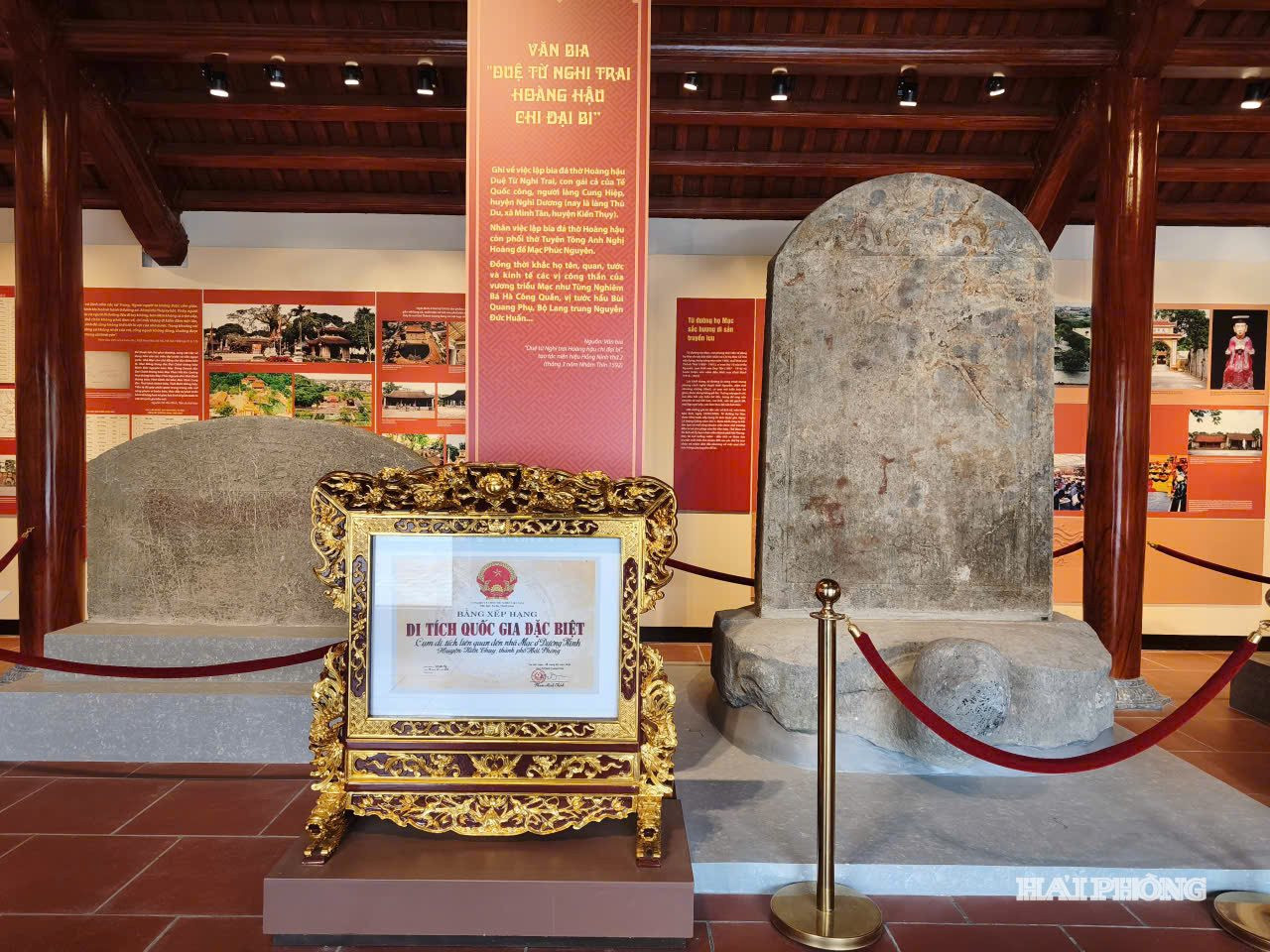
While the worship space preserves the memory of the dynasty, the exhibition hall allows visitors to explore its history through tangible evidence. Hundreds of photographs, documents and artifacts are arranged in chronological order, including many recognized as national treasures, helping present a comprehensive picture of the Mac Dynasty while serving as a bridge between research and the public.
Another highlight is the wall featuring 65 Bat Trang ceramic paintings, symbolizing the 65 years during which the Mac Dynasty officially ruled in Thang Long. Each painting depicts important historical figures, events and achievements, creating a unique "historical gallery."
Keeping heritage alive within the community
Beyond preserving tangible heritage, the temple of Mac kings has become an open cultural space that regularly hosts a wide range of activities.
One of its notable sites is the temple of the Holy Mother of the Mac Dynasty, dedicated to Grand Empress Dowager Vu Thi Ngoc Toan. She initiated Hoi Minh The, a ritual promoting integrity and honesty among government officials. Centuries later, its message remains relevant in promoting public service ethics and preserving society's positive values.
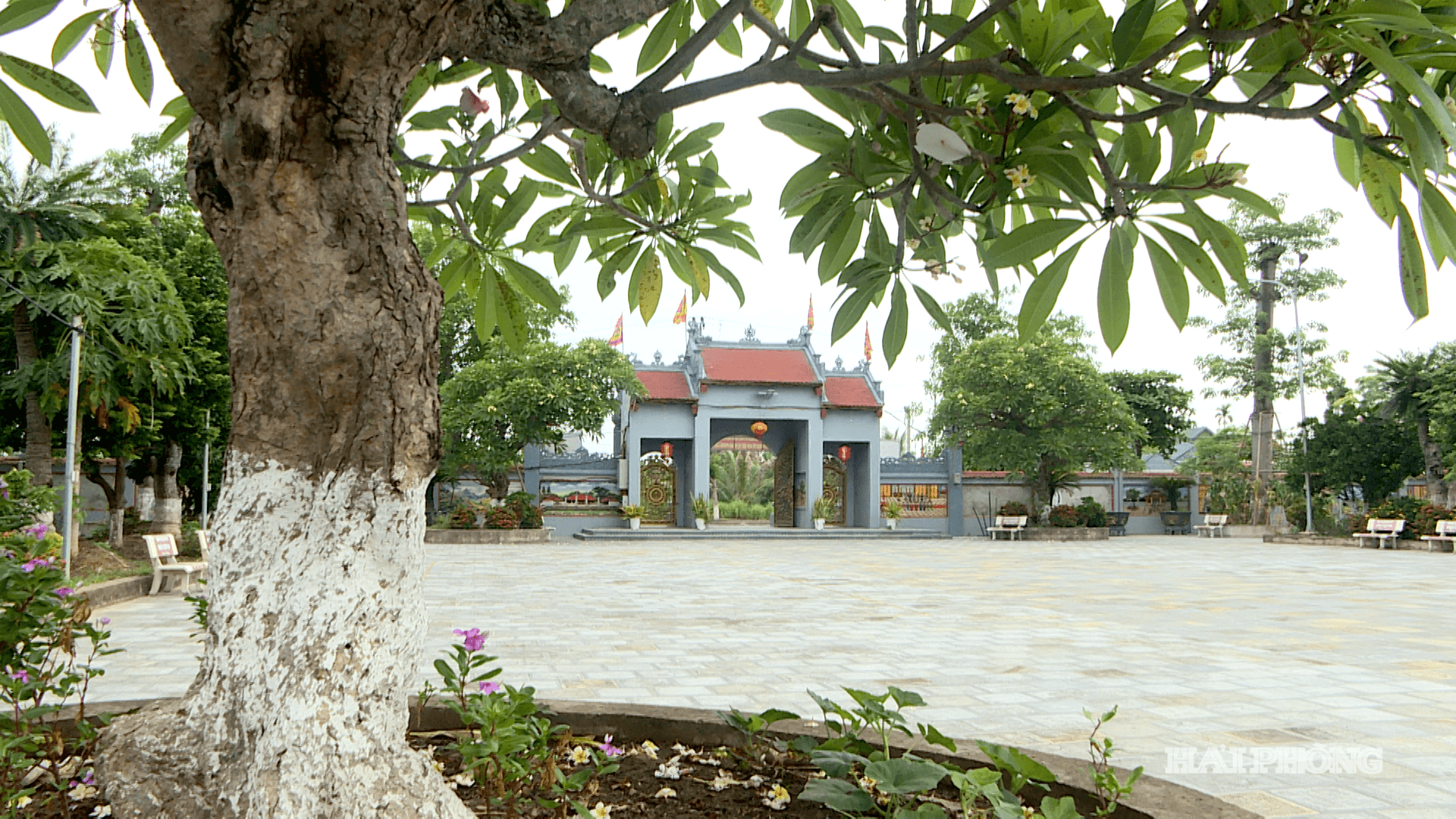
Every year, a variety of traditional cultural activities are held at the relic site, including a new year writing ceremony, a Mac Dynasty traditional wrestling festival, a Mac-era rural market, a royal court music festival, as well as heritage education programs for students and research groups.
Today, the temple of Mac kings is more than a place commemorating a dynasty of the past. Its historic architecture, artifacts, exhibition spaces and cultural activities continue to breathe new life into the relic site.
HA LINH