
Hai Phong advances modern rural development
In a new stage of development, Hai Phong is advancing modern rural development to better reflect local conditions and the city's socio-economic development needs.
Higher standards for modern rural development
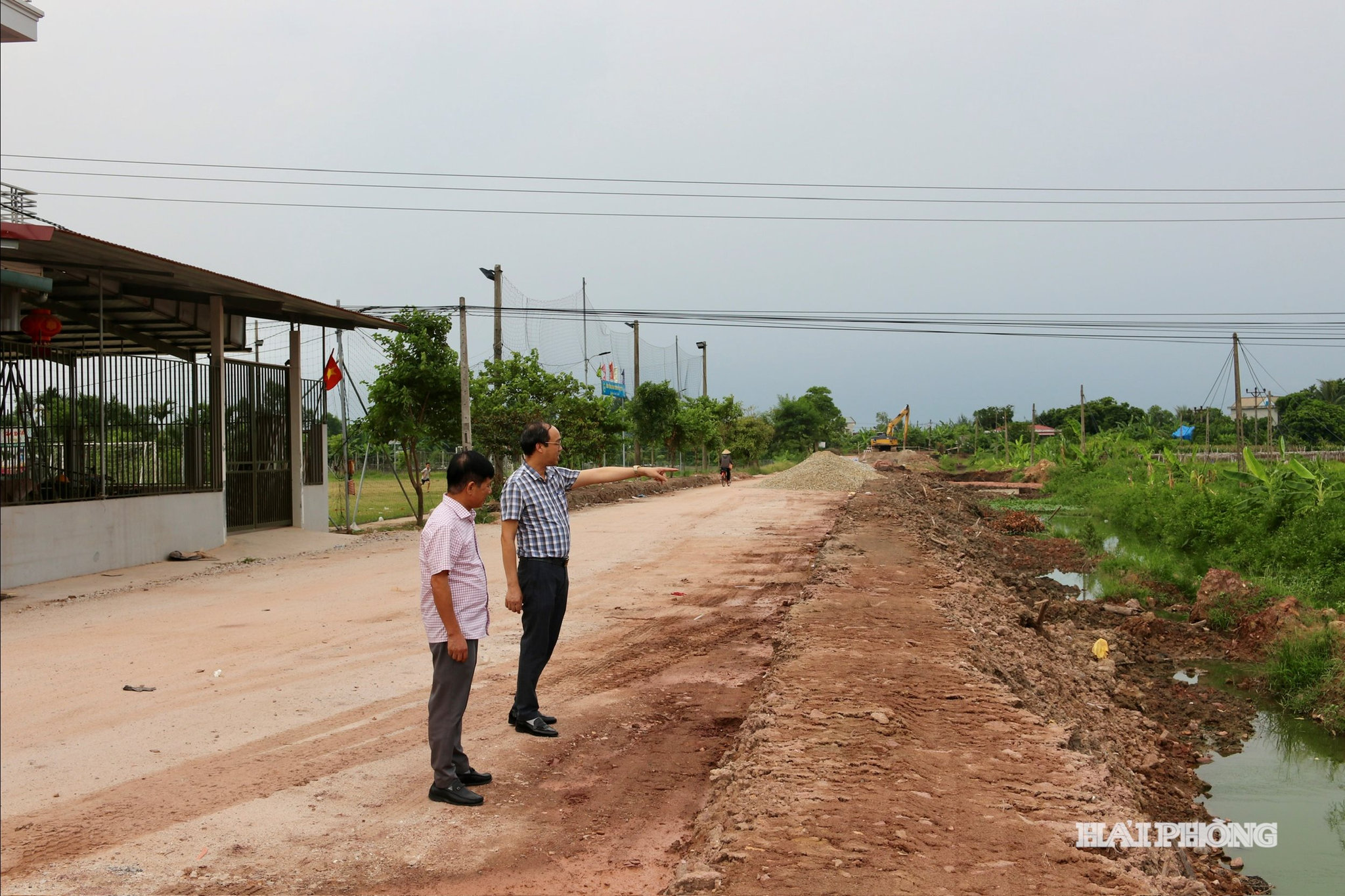
On July 15, the city issued a new set of criteria for the 2026-2030 new-style rural development program, providing a framework for communes to guide their development in the next phase.
The criteria comprise 10 categories and 47 indicators covering planning, socio-economic infrastructure, rural economic development, rural workforce training, culture, education and healthcare, poverty reduction and social welfare, science, technology and digital transformation, the environment and rural landscapes, the political and public administration system, access to justice, and national defense and security.
To be recognized as a modern rural commune, a locality must first meet the existing new-style rural standards. Its per capita income at the time of assessment must also be at least 10% higher than the benchmark applicable to Group 1 communes in the city during the same period.
In addition, communes must meet six criteria comprising 27 indicators, including digital infrastructure and the use of new or renewable energy; smart agriculture; comprehensive development of the economy, culture, education and healthcare through science, technology, innovation and digital transformation; stronger social welfare and higher-quality rural human resources; a safe and healthy living environment that preserves traditional cultural identity; clean, green and attractive surroundings; and public security supported by clean, strong, professional and modern commune public security forces.
Compared with the previous phase, Hai Phong's 2026-2030 criteria are more comprehensive and consistent, with higher standards across all indicators. The indicators are clearly quantified rather than assessed qualitatively, requiring local authorities to strengthen both planning and implementation while effectively mobilizing public participation.
Proactive implementation
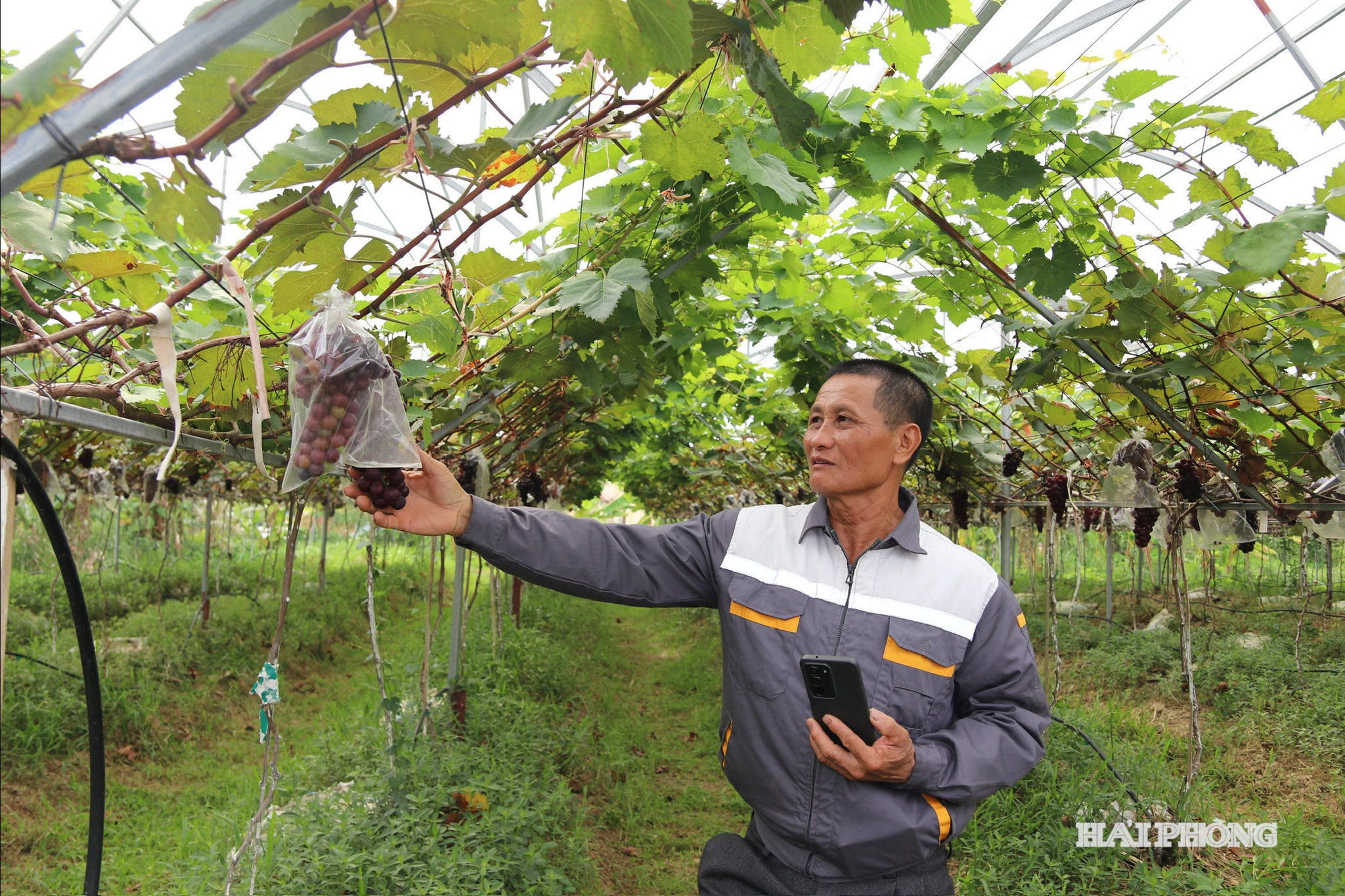
Following the issuance of the new criteria, the city assigned commune authorities to prepare implementation plans for both the 2026-2030 period and each individual year.
Based on the new criteria, communes are required to review their current status against each indicator, compile supporting documentation, conduct self-assessments and submit the results to the relevant departments and agencies responsible for each criterion for review and evaluation before reporting to the city government. The assessments will serve as the basis for assigning targets and responsibilities under the rural development program.
In addition to the new criteria, Hai Phong has classified its 67 communes into two groups to better leverage local strengths and facilitate implementation of the program. Of the total, 43 communes are classified as Group 1 and 24 as Group 2, with no Group 3 communes. Each group is subject to different standards and requirements under the program.
The new criteria will take effect on July 25. Communes are now reviewing their readiness for the next stage of the program. The initiative is expected to further modernize rural areas, creating more livable communities while contributing to the city's overall development goals.
Hai Phong News