
Conquering the Halal market
The Halal market—comprising predominantly Muslim countries—has been identified as a "golden opportunity" for small and medium-sized enterprises (SMEs) in Hai Phong to expand their market share.
A market with significant potential
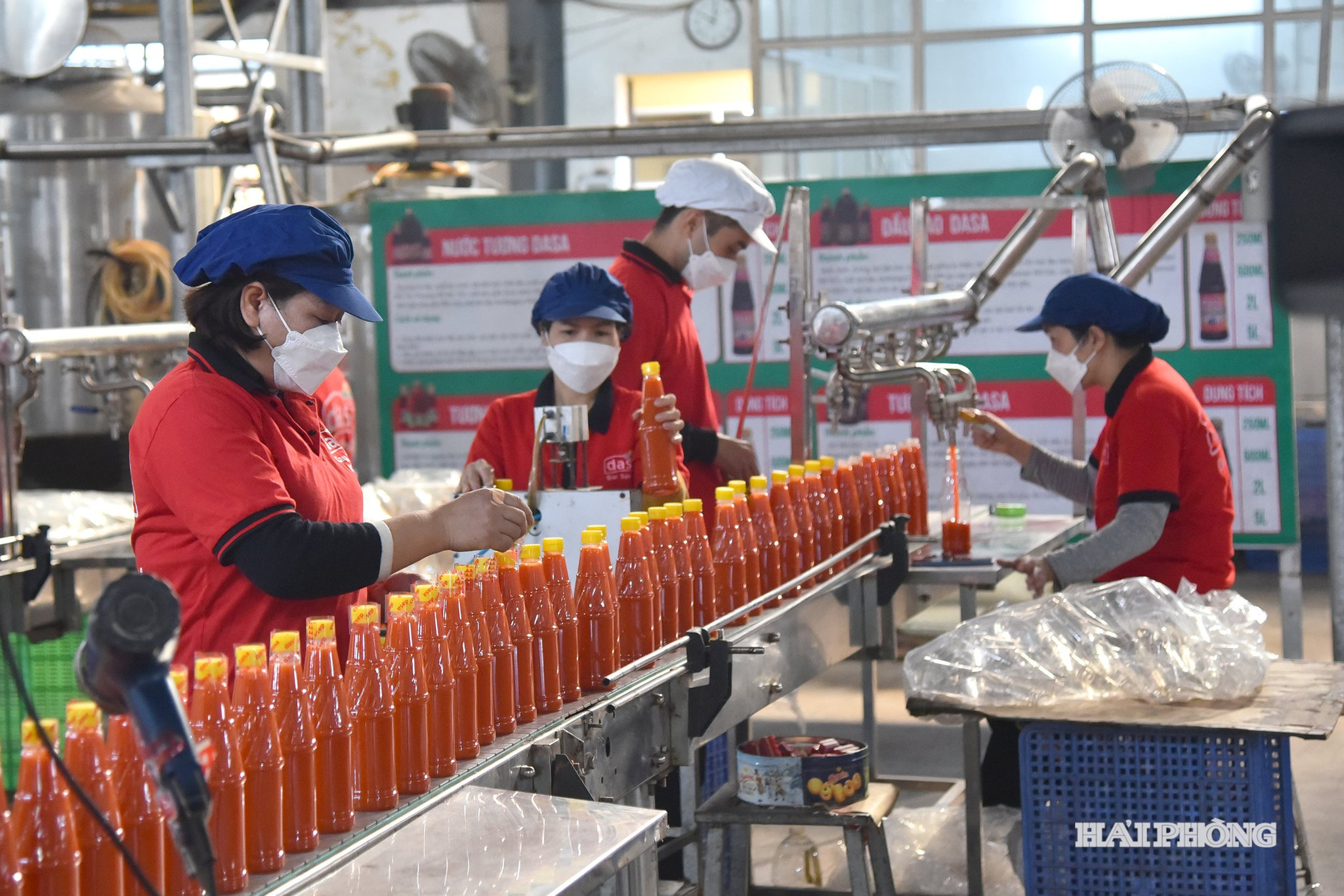
Binh Minh Vietnam Fruit & Vegetable Co., Ltd., headquartered in Hong An Ward, is one of Hai Phong's enterprises that has obtained Halal certification. Halal certification confirms that a product or service complies with Islamic law, contains no prohibited (haram) ingredients, and meets the required hygiene standards. It is a mandatory requirement for exporting goods to markets in Muslim-majority countries. The company's main products include chili sauce, soy sauce, and a variety of other condiments.
According to Mr. Nguyen Thanh Trung, Director of Binh Minh Vietnam Fruit & Vegetable Co., Ltd., the company began exploring the Halal market more than three years ago. Following extensive market research, the company started shipping product samples and is now working toward signing long-term supply agreements with partners for the coming year.
"To export to the Halal market, businesses must satisfy a wide range of requirements relating to product quality, competitive pricing, trade promotion capabilities, as well as demonstrate persistence in building partnerships and developing the market," Mr. Nguyen Thanh Trung said.
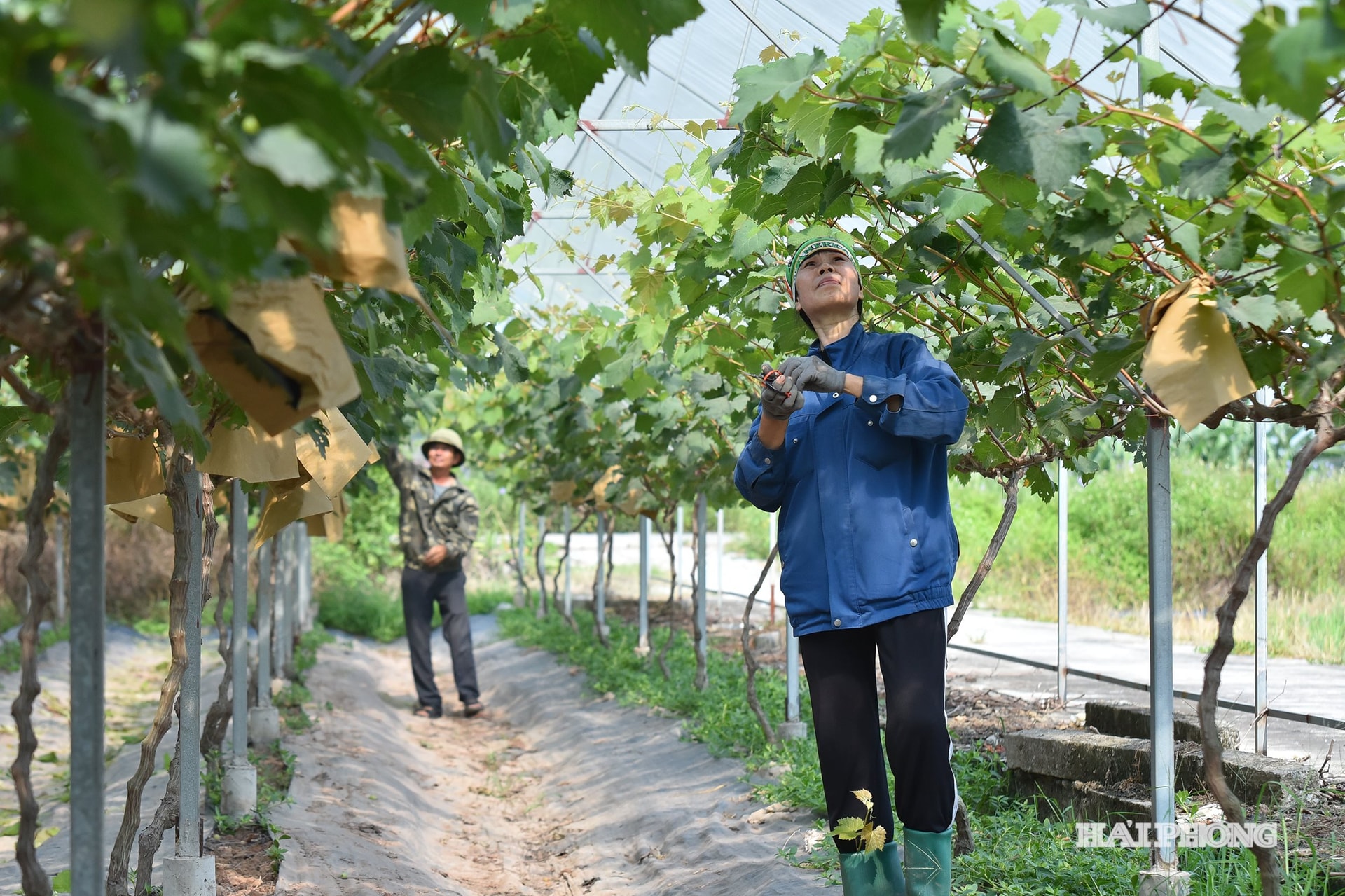
Ms. Nguyen Thi Minh Hang, Operations Manager of Vu Cong One Member Co., Ltd., headquartered in Tran Phu Commune, said the company currently exports agricultural products to Japan, South Korea, the United Kingdom, and North America. Recognizing the significant potential of the Halal market, the company is completing the procedures required to obtain Halal certification while stepping up product promotion and trade activities in countries such as Malaysia and the United Arab Emirates (UAE).
Although the Halal market has rigorous entry requirements, the company expects that successfully entering this market will drive strong revenue growth.
According to Associate Professor Dr. Dinh Cong Hoang of the Institute for South Asian, West Asian and African Studies under the Vietnam Academy of Social Sciences, the Muslim market, with a population of more than 2 billion people, represents a new "fertile ground" for Vietnamese exports. Beyond food products, the Halal economy also encompasses cosmetics, fashion, logistics, finance, and a wide range of other service industries.
The global Halal economy is currently valued at approximately USD 2.5–3 trillion annually, indicating enormous growth potential for Vietnamese businesses. However, to access this market, companies must first obtain Halal certification. This certification is a mandatory requirement and serves as an essential "passport" for Vietnamese enterprises—particularly those in Hai Phong—to successfully enter and compete in Halal markets.
Opportunities to integrate more deeply into global supply chains
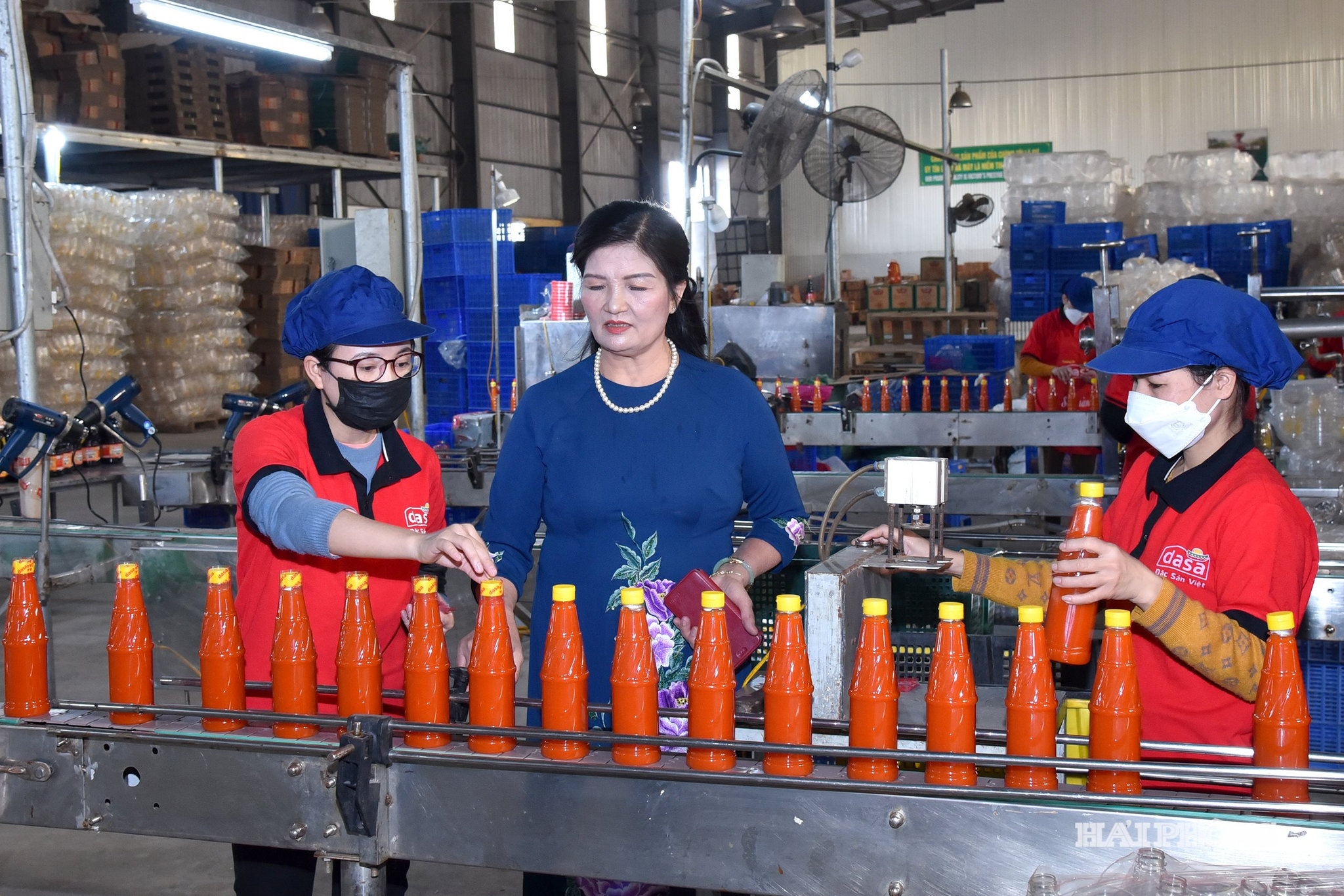
Mr. Le Ngoc Lan, Deputy Director of the Hai Phong Department of Industry and Trade, said that the Vietnam–UAE Comprehensive Economic Partnership Agreement (CEPA) officially entered into force on February 3, 2026, marking a significant milestone in Vietnam's international economic integration. As the first free trade agreement between Vietnam and a Gulf country, CEPA opens up new opportunities for Vietnamese goods, services, and businesses to gain broader access to markets across the Middle East, North Africa, and other high-potential regions.
For Hai Phong, CEPA holds particular significance. As competition intensifies in traditional export markets, the agreement is expected to create new growth opportunities and help diversify the city's export destinations.
"To help businesses prepare systematically, strategically, and proactively for the Halal market, the Department of Industry and Trade is working closely with the business community by strengthening market intelligence, disseminating information on international economic integration commitments, assisting enterprises in making effective use of free trade agreements, promoting trade promotion activities, facilitating business connections, and expanding export markets," Mr. Le Ngoc Lan emphasized.
According to Associate Professor Dr. Dinh Cong Hoang, Hai Phong's advantages—including its seaport, international air connectivity, position as a major industrial and service hub in northern Vietnam, and its extensive agricultural production areas—provide strong potential for local products to access the Halal market.
To successfully develop and export Halal products, he noted, businesses must demonstrate strong commitment and make well-planned investments in human resources and financial capacity. Most importantly, improving product quality and ensuring compliance with Halal safety and certification standards are essential to building trust among Muslim consumers. This also presents an opportunity for Hai Phong enterprises to upgrade their production models and integrate more deeply into global value chains.
With businesses taking proactive steps and receiving strong support from government agencies, the Halal market is expected to become a new driver of Hai Phong's export growth in the years ahead. To capitalize on this opportunity, enterprises should continue fostering innovation, improving product quality, complying with international standards, and actively exploring promising new markets. These efforts will not only expand export opportunities but also strengthen their competitiveness and enable deeper participation in global value chains.
Minh Khoi