

Revitalized spaces redefine Hai Phong's appeal
Hai Phong's urban center is not only transforming its appearance but also redefining its appeal, becoming a place where visitors create lasting experiences rather than simply a stopover before heading to the coast.
From urban renewal to visitor experiences
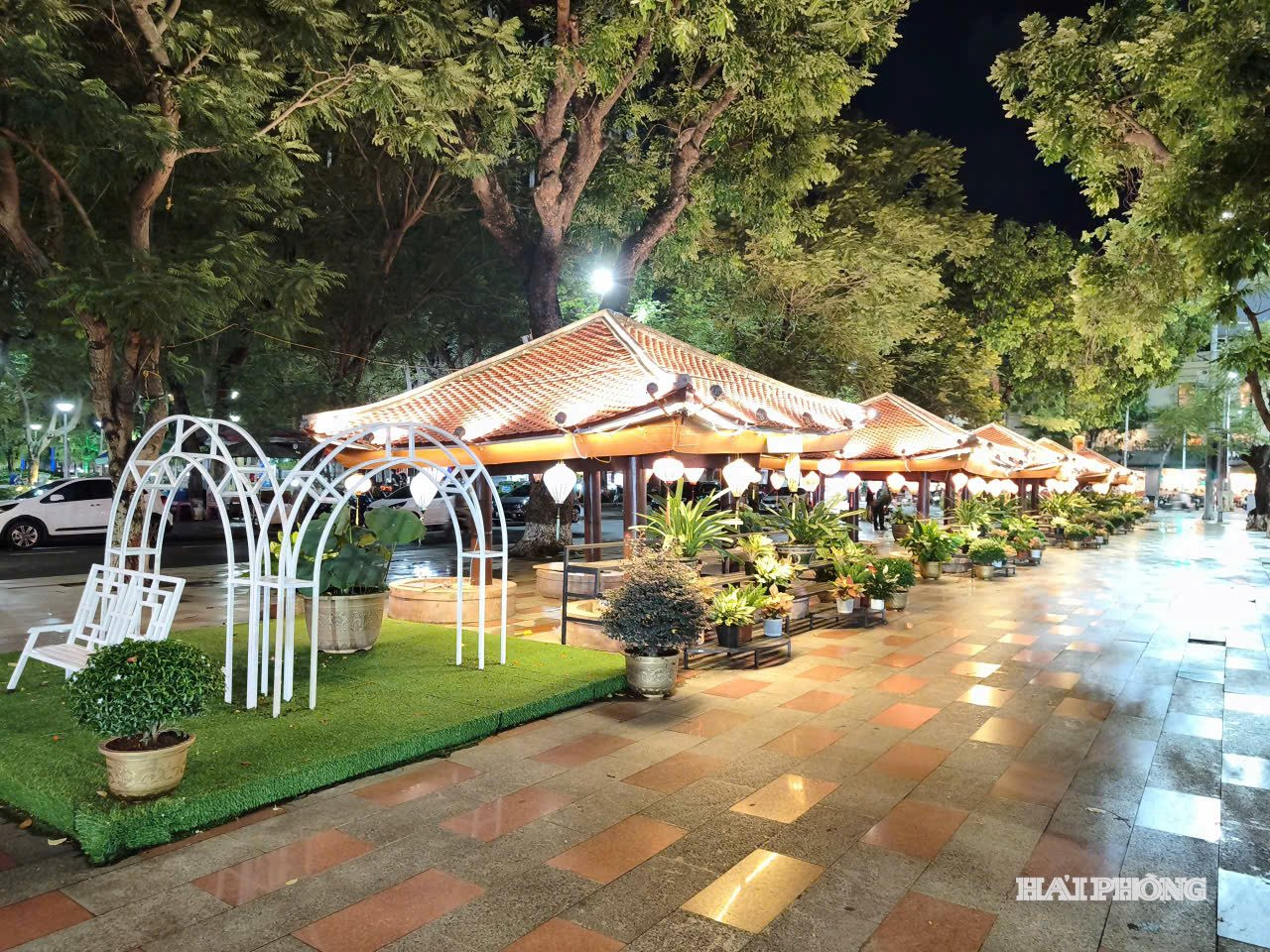
Following its renovation, Quan Hoa, located in the City Theater Square, has been given a fresh new appearance. Illuminated every evening, the landmark has become a striking focal point in the city's central district.
Built in 1946, Quan Hoa is one of Hai Phong's cultural icons. After nearly 80 years, the structure has been restored with its original architectural character carefully preserved, while the surrounding landscape has also been upgraded. More than simply restoring a historic landmark, the project has enhanced a network of public spaces linking the City Theater, the central flower gardens, Tam Bac Lake, and the city's main streets.
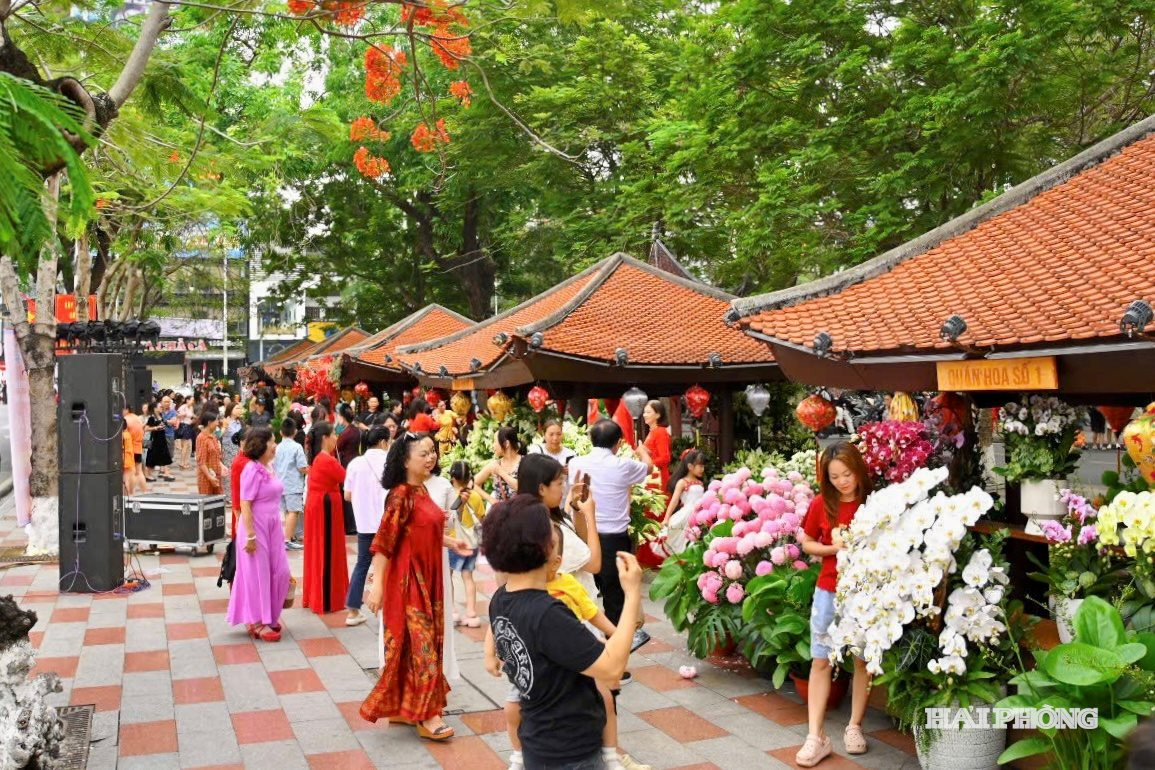
Building on this landmark, the city is continuing to expand new experiential public spaces. Hong Bang Ward is preparing to pilot a pedestrian street around the City Theater Square and the central flower garden area on weekend evenings. In addition to street performances, the area will feature food stalls, OCOP products, entertainment services, and a variety of cultural activities, helping shape a new nighttime economy.
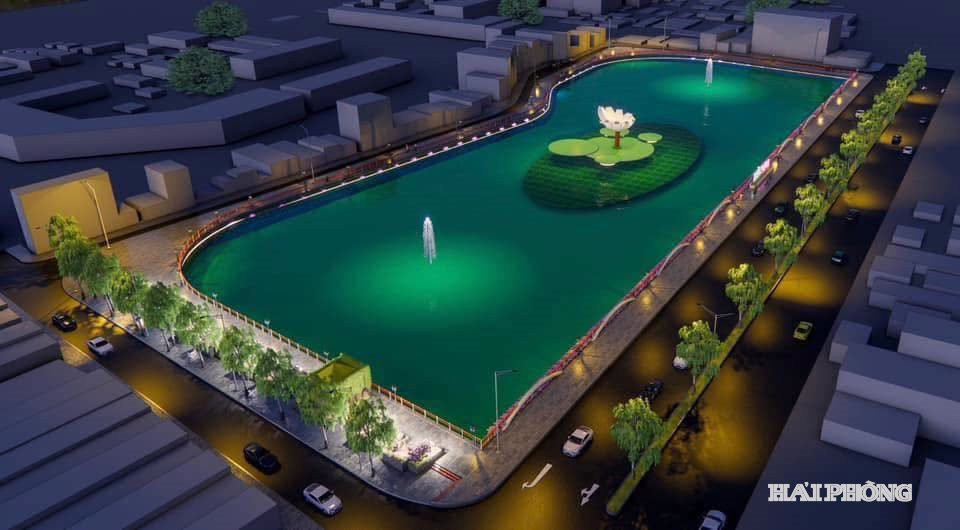
Urban renewal is also taking place in other parts of the city. In May 2026, Kien An Ward inaugurated the renovated Hanh Phuc Lake Flower Garden, featuring artistic lighting, walking paths, and landscaped gardens designed to serve as a weekend cultural gathering space. Meanwhile, Le Chan Ward is accelerating the renovation of Ho Sen Lake while studying a proposal to develop the Ho Sen – Cho Con pedestrian street and food street.
According to Mr. Nguyen Trong Dai, Vice Chairman of the People's Committee of Le Chan Ward, the successful development and implementation of the proposal will not only create a new highlight for tourism and the nighttime economy but also enhance the urban landscape, making Le Chan an increasingly civilized, modern, dynamic, and livable ward.
Through these urban renewal projects, Hai Phong is gradually developing a network of public spaces that serves both residents' daily lives and tourism development. Visitors have also begun to notice these changes. Instead of heading straight to the beach as on previous trips, Ms. Trinh Minh Anh, a visitor from Hanoi, spent an extra day exploring Hai Phong's urban center and said the city offered many new experiences.
"I used to think Hai Phong was just about banh da cua, banh mi cay, and then heading to Cat Ba. But this time, I spent the whole evening strolling around Quan Hoa, Tam Bac Lake, the French Quarter, and exploring the city's food tour. The city is modern yet still retains a peaceful atmosphere, making it well worth staying longer," Ms. Minh Anh said.
Ms. Minh Anh is not alone. An increasing number of visitors are spending time exploring Hai Phong's city center rather than treating the city merely as a gateway to its coastal and island destinations. This trend is reflected in the tourism sector's strong growth. In the first six months of 2026, Hai Phong is estimated to have welcomed more than 8.72 million visitors, up 15.7% year-on-year, generating approximately VND 10.425 trillion in tourism revenue. In June alone, the city received about 2.58 million visitors, with tourism revenue exceeding VND 3.098 trillion.
New spaces, new opportunities
While urban renewal projects have created a new look for the city center, Hai Phong has gained an additional advantage following the merger through its expanded development space. Under Decision No. 423 dated March 11, 2026, approving the Planning Task for Hai Phong City's Master Plan through 2050 with a vision to 2075, the Prime Minister has oriented the city toward a polycentric, multi-core development model. An integrated infrastructure network connecting seaports, the airport, satellite urban areas, and economic corridors will create a unified development space.
According to architect Mr. Nguyen Minh Tri, Vice Chairman of the Hai Phong Association of Architects, the concept of "Hai Phong's urban center" should also be viewed from a new perspective after the merger. The existing downtown area will continue to serve as the city's core, but within a much larger urban region closely connected to Bac Song Cam, emerging growth centers, and regional infrastructure networks. Instead of developing around a single core, the city is transitioning to a polycentric, multi-core urban structure.
From a tourism perspective, this means the appeal of the urban center will no longer be limited to the traditional downtown area but will be reinforced by a broader network of attractions across the expanded city. The western part of Hai Phong is home to 19 officially recognized tourist attractions, destinations, and tourism sites, including Con Son – Kiep Bac, Mao Dien Temple of Literature, Chu Dau Pottery Village, the An Phu – Kinh Chu – Nham Duong Complex, Co Island, as well as numerous traditional craft villages and historical sites. These destinations add greater depth to the city's tourism offerings, while the central area continues to leverage its strengths in accommodation, cuisine, tourism services, and cultural activities.
Architect Nguyen Minh Tri believes Hai Phong should continue preserving its collection of French colonial architecture, which includes hundreds of representative buildings, while also "bringing heritage to life" so that these architectural landmarks become an integral part of urban life. Squares, riverside parks, historic streets, and public spaces should be connected through sightseeing routes, cultural activities, and visitor services rather than functioning as isolated attractions. At the same time, accommodation facilities such as hotels, homestays, and other lodging establishments should be renovated in ways that respect their existing architecture while incorporating local cultural values into their design and services. Such integration would encourage visitors to stay longer and strengthen connections among attractions, allowing the appeal of Hai Phong's urban center to be experienced more fully.
In practice, the city is gradually turning this vision into reality. Each urban renewal project not only enhances the city's landscape but also helps connect architecture, heritage, cuisine, and urban life into a seamless visitor experience. Following the merger, Hai Phong now has greater opportunities to pursue this development model. As public spaces continue to be upgraded and better connected, the urban center will evolve beyond its traditional role as an administrative and commercial hub to become the starting point for exploring a larger, more diverse, and experience-rich Hai Phong.
Ha Linh